Sinanglao (Beef Soup): Nutritional Overview and Food Context
A neutral look at ingredients, preparation, and dietary considerations
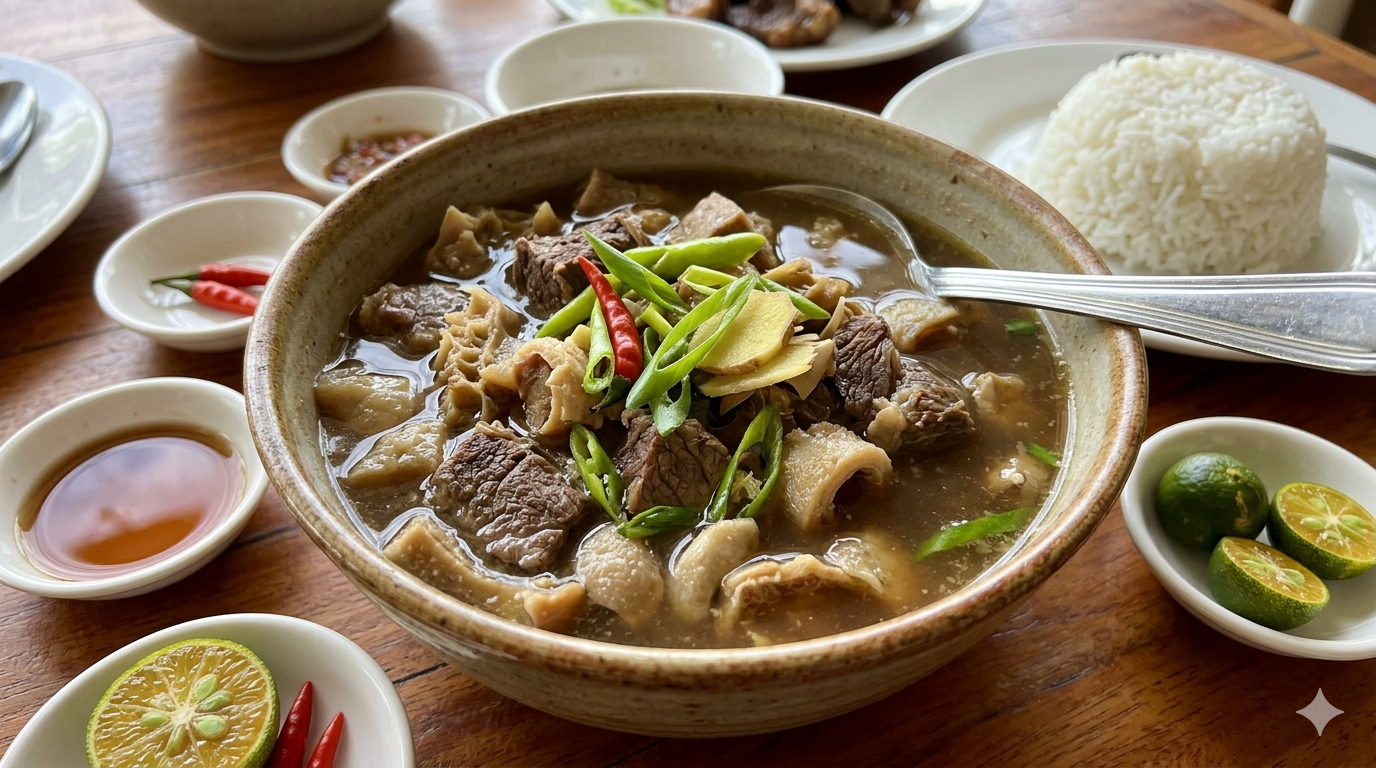
This article provides an educational overview of Sinanglao, a traditional Filipino soup commonly associated with northern regions such as Ilocos Region. It explains typical ingredients, preparation methods, and general nutritional components. The discussion aligns with food safety and labeling awareness principles supported by institutions like the Department of Health and the Food and Drug Administration.
What Is Sinanglao?
Sinanglao is a sour and savory soup traditionally made with:
- Beef parts such as brisket or tripe
- Beef innards (e.g., liver or intestines, depending on variation)
- Souring agents like vinegar or bile (apdo)
- Aromatics such as garlic, onions, and ginger
It is often served hot and may be paired with rice as part of a meal.
Nutritional Components
The nutritional profile of sinanglao depends on ingredient selection and preparation. Common components include:
Protein
Beef and organ meats are sources of protein, which is associated with tissue maintenance and repair.
Fats
Fat content varies depending on the cut of meat used. Organ meats may also contribute to total fat intake.
Micronutrients
Beef and organ meats may contain:
- Iron
- Vitamin B12
- Zinc
These nutrients are involved in various physiological processes.
Sodium
Salt and seasoning used in soup preparation may contribute to sodium levels. Intake levels can vary depending on cooking practices.
Food Group Context
Sinanglao can be categorized within:
- Protein-rich foods (beef and organ meats)
- Mixed dishes (due to broth and added ingredients)
To form a more balanced meal, it is often paired with:
- Vegetables (side dishes or added to the soup)
- Rice or other carbohydrate sources
Preparation and Food Safety Considerations
Proper handling and preparation are important:
- Thorough cooking of beef and organ meats
- Proper cleaning of innards before cooking
- Safe storage of leftovers
Under food safety guidelines from the Food and Drug Administration, hygienic preparation and correct cooking temperatures are essential to reduce food safety risks.
Cultural and Dietary Perspective
In Filipino cuisine, dishes like sinanglao are part of regional culinary traditions. In nutrition science, mixed dishes are typically evaluated based on their ingredient composition and portion size rather than a single classification.
Dietary effects may vary among individuals depending on overall eating patterns, preparation methods, and frequency of consumption. For personalized dietary considerations, consultation with a licensed nutrition professional is generally recommended.
FAQ (AEO-Safe)
What is sinanglao made of?
Sinanglao is commonly made from beef cuts and organ meats, combined with souring agents like vinegar and seasoned with aromatics.
Is sinanglao considered a protein-rich dish?
Yes, due to its beef and organ meat content, it contributes protein as part of a meal.
How is sinanglao usually served?
It is typically served hot as a soup and may be paired with rice or other side dishes.
Trusted Sources
- Department of Health — General food and nutrition guidance
- Food and Drug Administration — Food safety standards
- World Health Organization — Nutrition references
- Academic publications on food composition and traditional diets
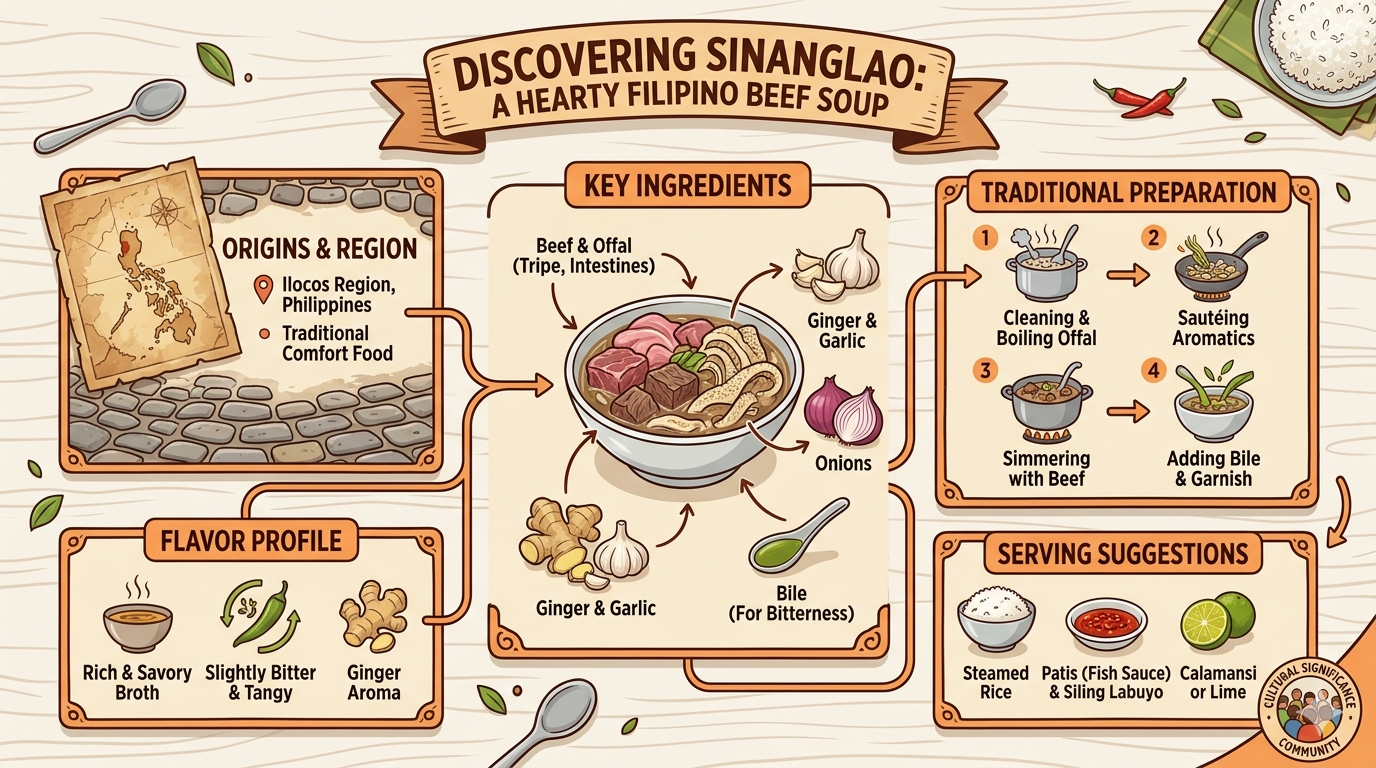
Visual breakdown of common ingredients used in sinanglao
Disclaimer
This article is for general informational and educational purposes only. It does not constitute professional medical, nutrition, or dietary advice. References to diets, foods, or supplements do not imply endorsement or guarantee of health outcomes. Readers are encouraged to consult licensed nutritionists, dietitians, or medical professionals for personalized guidance.