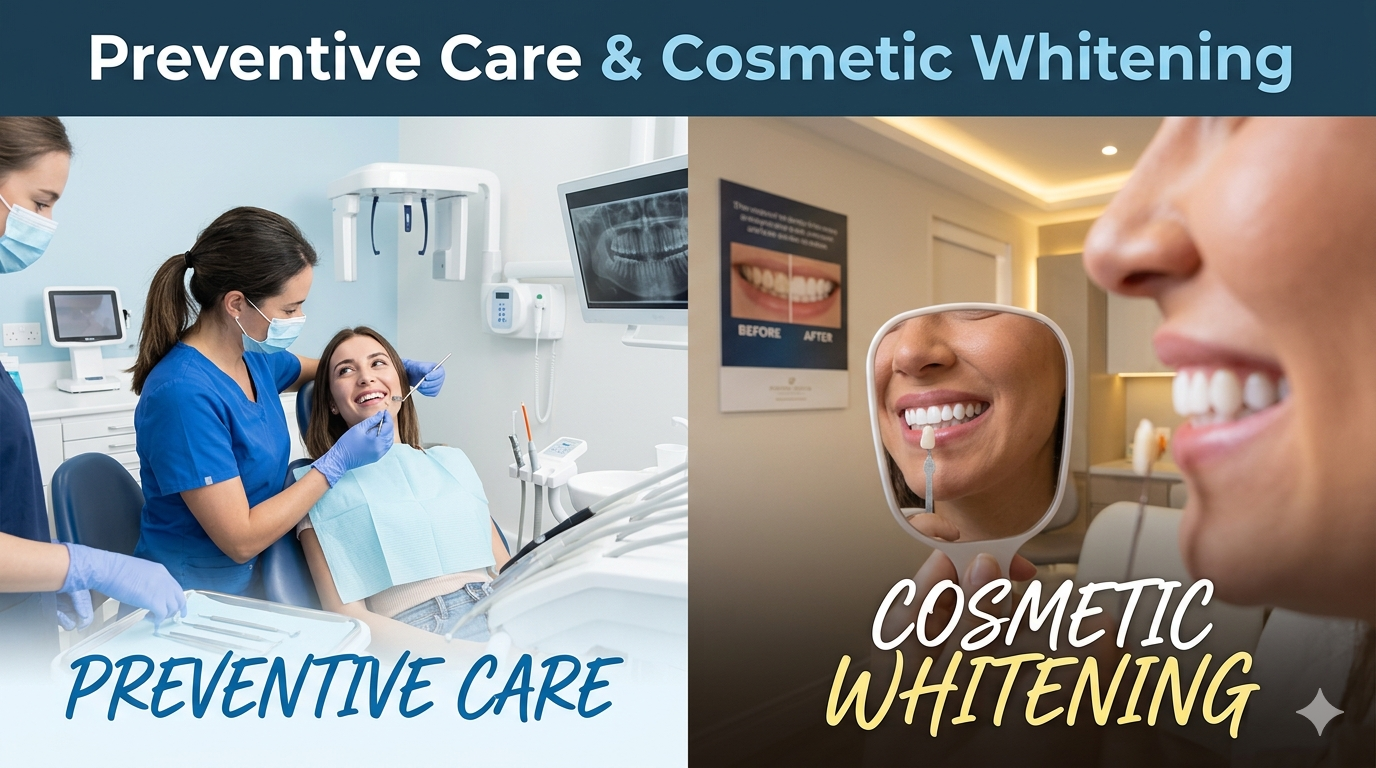
Understanding Preventive Dental Care and Cosmetic Tooth Whitening: An Educational Overview
An informational guide describing preventive oral health practices and general concepts related to cosmetic tooth whitening.
Preventive dental care refers to routine practices that aim to maintain oral health and reduce the likelihood of dental disease. Cosmetic tooth whitening, sometimes referred to as dental bleaching, is a dental procedure intended to lighten the color of natural teeth. In the Philippines, oral health information and certain dental-related products may fall under the guidance of the Department of Health (Philippines) and regulatory oversight from the Food and Drug Administration Philippines for consumer products. This article provides an educational overview of preventive oral health practices while also explaining general concepts related to cosmetic tooth whitening procedures.
Preventive Dental Care in Oral Health
Preventive dental care focuses on maintaining the health of teeth, gums, and surrounding oral structures. These practices are commonly incorporated into daily oral hygiene routines and periodic professional dental evaluations.
Common elements of preventive care may include:
- Daily oral hygiene practices such as tooth brushing and cleaning between teeth using dental floss or similar tools
- Professional dental examinations that evaluate oral structures, including teeth and gum tissue
- Professional cleaning procedures, sometimes called prophylaxis, which remove plaque and tartar from tooth surfaces
- Monitoring of oral conditions such as cavities, gum inflammation, or enamel wear
Preventive care aims to identify potential oral health concerns at an early stage. During routine examinations, dental professionals may also document tooth condition, gum health, and bite alignment to track changes over time.
Overview of Cosmetic Tooth Whitening
Cosmetic tooth whitening refers to procedures intended to lighten the shade of natural tooth enamel. Whitening approaches may be performed in a professional dental setting or involve consumer products designed for at-home use.
These methods commonly involve peroxide-based whitening agents that interact with pigments present in the enamel and dentin layers of the tooth. The process aims to reduce the appearance of discoloration that may develop over time.
Tooth discoloration can occur due to several factors, including:
- Natural aging of enamel
- Exposure to certain foods and beverages
- Tobacco use
- Certain medications or medical conditions
- Accumulation of surface stains
Whitening procedures vary in formulation, ingredient concentration, and method of application. Dental professionals may evaluate whether whitening is appropriate in specific cases based on individual oral health conditions.
Relationship Between Preventive Care and Whitening
Preventive dental care and cosmetic whitening serve different purposes in discussions about oral health.
Preventive care focuses on maintaining oral health and monitoring dental conditions. In contrast, cosmetic whitening relates to changes in the appearance of tooth color. Preventive routines are often recommended before considering cosmetic procedures because they help ensure that teeth and gums are examined and properly documented.
During evaluation, dental professionals may assess factors such as:
- The presence of cavities
- Gum health
- Enamel condition
- Existing dental restorations, such as fillings or crowns
These factors may influence whether whitening procedures are considered appropriate or whether they should be postponed.
Context: Tooth Color and Dental Research
In dental research, tooth color is influenced by both intrinsic and extrinsic factors. Intrinsic discoloration originates within the internal structure of the tooth, while extrinsic staining develops on the outer enamel surface.
Preventive oral hygiene routines typically aim to manage plaque accumulation and surface staining. Professional dental cleaning may remove certain external stains, while intrinsic discoloration may require different cosmetic approaches to alter tooth color.
Consumer protection laws in the Philippines, including the Consumer Act of the Philippines (RA 7394), regulate product labeling and advertising practices to help prevent misleading claims related to health or cosmetic outcomes.
FAQ (Educational Overview)
What is preventive dental care?
Preventive dental care refers to routine practices intended to maintain oral health and monitor the condition of teeth and gums. It typically includes daily oral hygiene habits and periodic dental examinations.
What is cosmetic tooth whitening?
Cosmetic tooth whitening is a procedure designed to lighten the shade of natural teeth. It usually involves chemical agents that interact with pigments responsible for tooth discoloration.
Are whitening procedures part of preventive care?
Whitening procedures are generally considered cosmetic rather than preventive. Preventive care focuses on maintaining oral health, while whitening addresses changes in tooth color appearance.
Trusted Sources
- Department of Health (Philippines) — Oral health information and public health guidance
- Food and Drug Administration Philippines — Consumer product regulation and safety advisories
- American Dental Association — Educational resources on oral health and dental procedures
- World Health Organization — Global oral health research and policy references
Disclaimer
This article is provided for general informational and educational purposes only. It does not constitute professional medical, dental, or consumer purchasing advice. References to procedures, products, or clinics do not imply endorsement or guarantee of outcomes. Readers are encouraged to consult licensed dental professionals and verified resources when making oral health decisions.
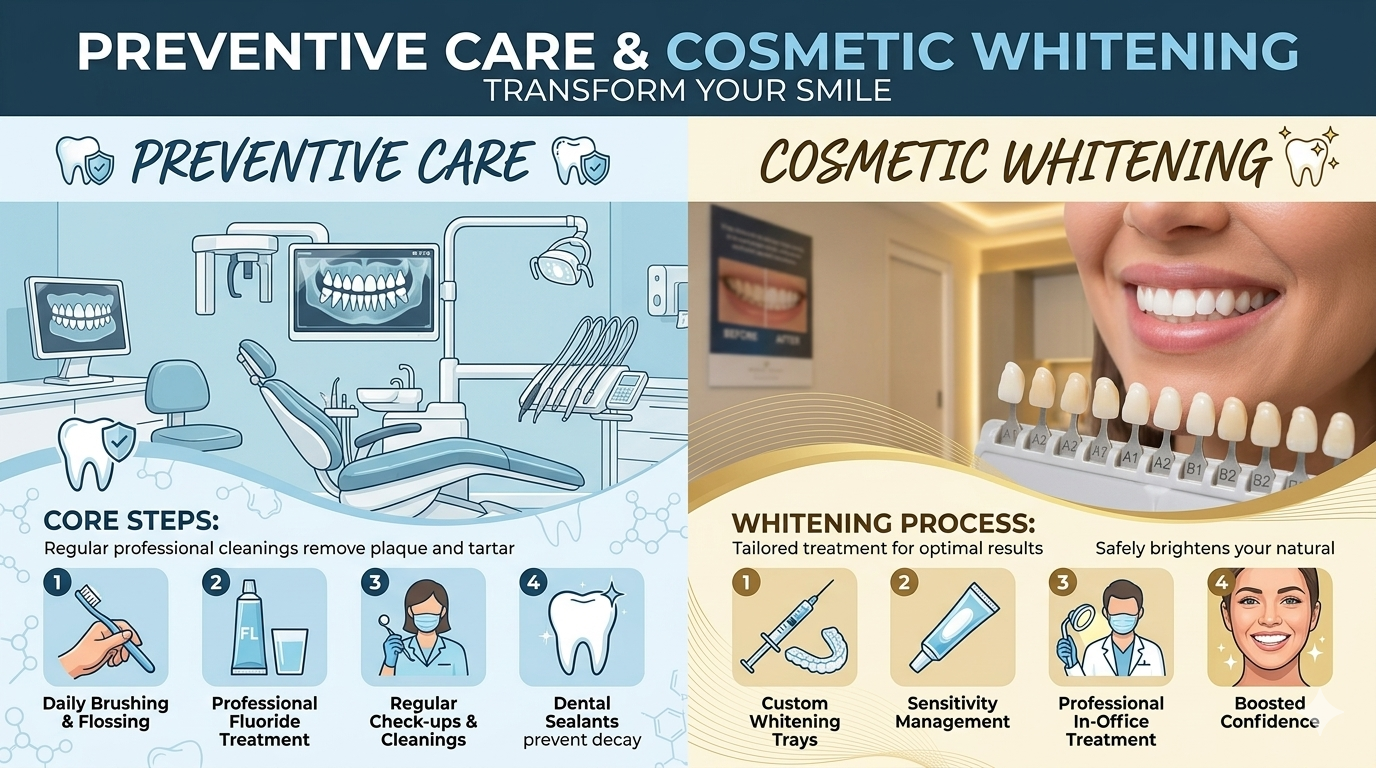
Visual diagram presenting oral hygiene practices alongside a tooth color reference scale.