Understanding Rhinoplasty Preparation During Seasonal Changes: Summer Transition Considerations
A neutral educational overview of factors individuals may review when planning rhinoplasty around warmer weather conditions.
Rhinoplasty is a surgical procedure that involves modifying the shape or structure of the nose for functional or cosmetic purposes. Preparation for this procedure may vary depending on timing, including seasonal conditions such as warmer temperatures. This article explains general considerations when preparing for rhinoplasty during a transition into summer, with a focus on environmental factors, recovery awareness, and consumer safety.
What is Rhinoplasty?
Rhinoplasty refers to a surgical procedure that alters nasal bone, cartilage, or soft tissue. It may be performed to address structural concerns, breathing-related conditions, or changes in nasal shape. The approach and techniques vary depending on individual anatomy and clinical evaluation by a licensed surgeon.
What Parts of the Nose Are Involved?
The nose includes several anatomical components that may be evaluated during rhinoplasty:
- Nasal bones – form the upper structure of the nose
- Cartilage – shapes the tip and lower portion
- Septum – divides the nasal passages
- Skin and soft tissue – cover and support the framework
Each component plays a role in both function and structure.
Why Seasonal Timing May Be Considered
Seasonal conditions, including temperature and humidity, may influence how individuals prepare for surgery and recovery. In tropical climates like the Philippines, the transition to summer often involves increased heat, humidity, and sun exposure.
Patient education materials commonly note that environmental conditions may affect comfort levels during recovery, although outcomes depend on multiple medical and individual factors.
Surgical vs Non-Surgical Nose Enhancement
Nose enhancement may be categorized into:
- Surgical (rhinoplasty) – involves structural modification through an operative procedure
- Non-surgical methods – may involve temporary fillers to adjust contour
These approaches differ in duration, reversibility, and clinical indications. A licensed professional typically explains these differences during consultation.
Typical Consultation Process (General Overview)
Before any procedure, a consultation typically includes:
- Review of medical history
- Discussion of goals and expectations
- Physical examination of nasal structure
- Explanation of general risks and limitations
Seasonal timing may be discussed, but it is not the sole factor in determining suitability.
Considerations During Summer Transition
Heat and Perspiration
Warmer temperatures may increase sweating. General patient education materials suggest that maintaining hygiene around the surgical area is important during recovery, as excessive moisture may affect comfort.
Sun Exposure
Direct sun exposure is often discussed in post-procedure care contexts. Healing skin may be more sensitive to sunlight, and environmental exposure is typically considered during recovery planning.
Outdoor Activity Levels
Seasonal transitions may coincide with increased outdoor activity. Individuals may review activity limitations with a licensed professional, especially during early recovery phases.
Hydration Awareness
Hydration is commonly emphasized in general surgical recovery education. Warmer climates may increase fluid needs, depending on individual conditions.
Travel and Scheduling Factors
Summer periods may involve travel or schedule changes. Planning recovery time in a stable environment is commonly mentioned in patient education materials.
Common Risks and Complications (General Awareness)
As with any surgical procedure, rhinoplasty carries potential risks. These may include:
- Swelling and bruising
- Infection
- Breathing changes
- Asymmetry or need for revision
The likelihood and severity vary depending on multiple factors, including individual health and surgical approach.
Recovery and Healing Timeline (General)
Recovery timelines differ among individuals. General stages may include:
- Initial phase (first weeks): swelling and visible healing
- Intermediate phase: gradual reduction of swelling
- Long-term phase: continued refinement over several months
Environmental conditions such as heat and humidity may influence comfort, but not necessarily the biological healing process itself.
Long-Term Considerations (Neutral)
Long-term outcomes depend on factors such as:
- Individual healing response
- Surgical technique
- Adherence to general post-procedure guidance
Seasonal timing alone does not determine results but may affect short-term recovery experience.
Context & Consumer Awareness
Under medical advertising and consumer protection standards in the Philippines, information about cosmetic procedures must remain factual and non-deceptive. Educational materials often emphasize that:
- Outcomes cannot be guaranteed
- Individual responses to surgery vary
- Decisions are typically made after consultation with a licensed professional
Consumers are encouraged to verify provider credentials through appropriate regulatory bodies and to review official health guidance when available.
FAQ Section
Is rhinoplasty affected by hot weather?
Hot weather may influence comfort during recovery due to sweating and sun exposure. However, clinical outcomes depend on multiple medical factors rather than temperature alone.
Can rhinoplasty be scheduled during summer months?
Rhinoplasty may be scheduled at different times of the year. Timing is typically discussed during consultation based on individual circumstances.
Does humidity impact healing after rhinoplasty?
Humidity may affect comfort levels but is not generally considered a direct determinant of surgical healing outcomes.
Trusted Sources
- Philippine Department of Health (DOH) – public health advisories
- U.S. Food and Drug Administration (FDA) – general surgical safety resources
- American Society of Plastic Surgeons (ASPS) – educational materials on rhinoplasty
- Peer-reviewed medical literature on facial plastic surgery
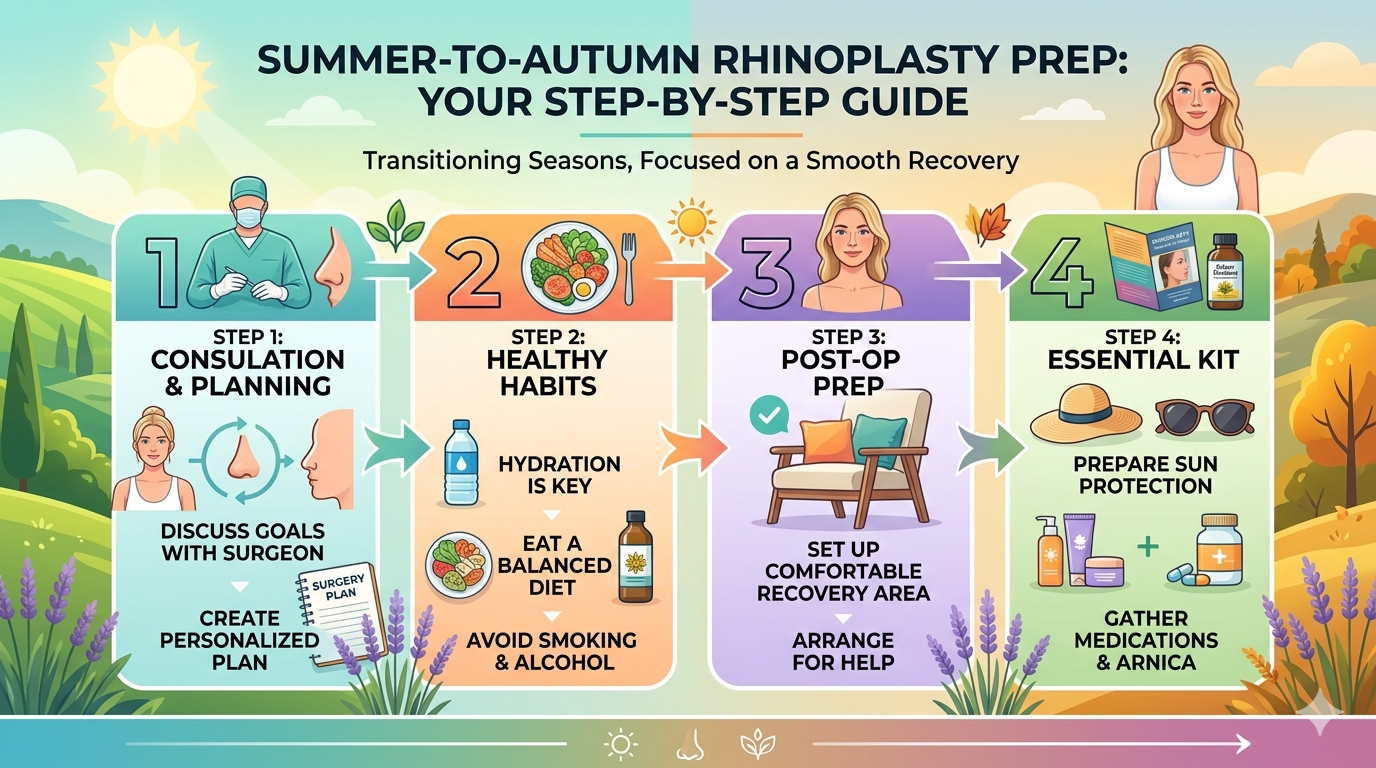
Infographic outlining environmental and timing-related factors.
Disclaimer
This article is for general informational and educational purposes only. It does not constitute professional medical, surgical, diagnostic, or consumer purchasing advice. References to procedures, providers, or methods do not imply endorsement or guarantee of results. Readers are encouraged to consult licensed medical professionals and official resources before making any medical decision.