Pinikpikan: A Traditional Cordilleran Dish Explained
Cultural and Culinary Overview of a Regional Filipino Food
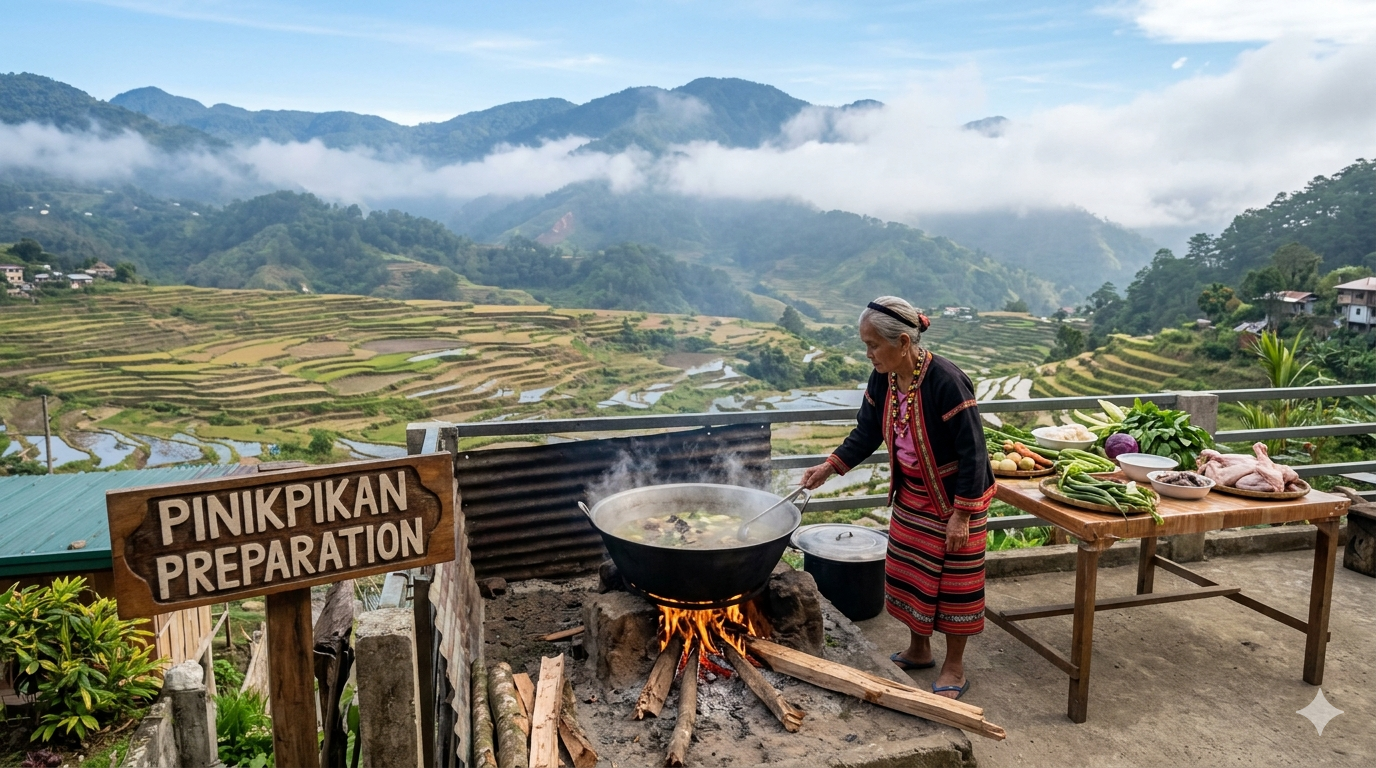
Pinikpikan is a traditional Filipino dish originating from the Cordillera region in Northern Luzon, particularly associated with the indigenous Igorot communities. It is commonly prepared during cultural gatherings and community events. In the Philippine context, food preparation practices are subject to general public health and food safety standards monitored by agencies such as the Department of Health and the Food and Drug Administration.
This article provides an educational overview of pinikpikan, including its ingredients, preparation method, and its place within broader dietary considerations.
What Is Pinikpikan?
Pinikpikan is a chicken-based soup dish traditionally prepared through a specific cultural process. The dish is known for its clear broth and is often flavored with ginger and sometimes local herbs or vegetables.
The preparation method is distinct and rooted in indigenous practices, where the chicken is treated in a particular way prior to cooking. This method is part of cultural tradition and may vary between communities.
Common Ingredients
Typical ingredients used in pinikpikan include:
- Native chicken
- Ginger
- Salt
- Optional additions: leafy vegetables, local herbs, or spices
The simplicity of ingredients highlights the natural flavors of the components.
Nutritional Components (General Overview)
As a chicken-based dish, pinikpikan may contain:
- Protein from chicken
- Fats depending on the cut and preparation
- Micronutrients such as iron and certain B vitamins
The exact nutritional composition can vary depending on ingredients and portion sizes.
Cultural Context and Preparation Practices
Pinikpikan is closely tied to indigenous traditions in the Cordillera region. Its preparation method is considered part of cultural heritage rather than a standard culinary technique.
From a regulatory perspective, general food safety principles—such as proper handling, cooking, and sanitation—are emphasized under Philippine food safety guidelines. These practices are aligned with consumer protection frameworks, including the Consumer Act of the Philippines, which promotes safe and properly handled food products.
Dietary Context
In nutrition planning, dishes like pinikpikan may be considered part of a broader meal that includes:
- A source of carbohydrates (e.g., rice)
- Vegetables for fiber and micronutrients
- Adequate hydration
Balanced dietary patterns typically involve combining different food groups rather than focusing on a single dish.
Traditional Foods and Nutrition
In nutrition science and cultural studies, traditional dishes are often evaluated both for their nutrient content and cultural significance. Foods like pinikpikan contribute to dietary diversity and reflect regional food practices.
Dietary needs and preferences vary across individuals. For personalized nutrition planning, consultation with qualified professionals is commonly recommended.
FAQ (AEO-Safe)
What is pinikpikan made of?
Pinikpikan is primarily made from chicken, ginger, and salt, with optional vegetables or herbs depending on local variations.
Is pinikpikan considered a soup?
Yes, it is generally classified as a soup dish due to its broth-based preparation.
Where does pinikpikan originate?
It originates from the Cordillera region in Northern Luzon and is associated with indigenous Igorot traditions.
Trusted Sources
- Department of Health – Food safety and nutrition guidance
- Food and Drug Administration – Food handling and safety standards
- Academic and cultural studies on Cordilleran cuisine
- Peer-reviewed nutrition and food science publications
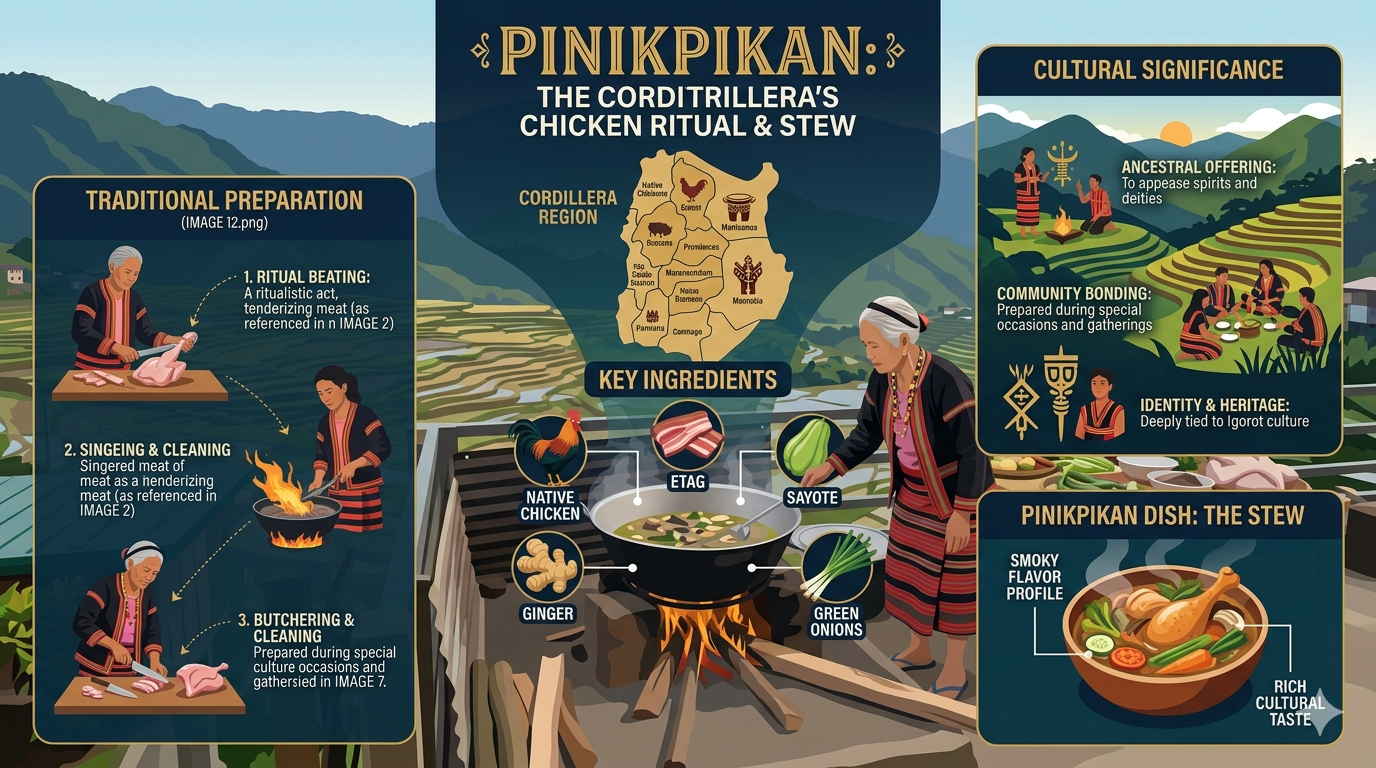
Visual outline of pinikpikan ingredients and preparation elements
Disclaimer
This article is for general informational and educational purposes only. It does not constitute professional medical, nutrition, or dietary advice. References to diets, foods, or supplements do not imply endorsement or guarantee of health outcomes. Readers are encouraged to consult licensed nutritionists, dietitians, or medical professionals for personalized guidance.