
Understanding Eye and Lash Serums: An Educational Overview
General information about cosmetic eye-area serums and considerations for safe use.
Eye and lash serums are cosmetic products commonly marketed for application around the eyelids or eyelashes. This article provides a neutral overview of what such products typically contain, how they are generally used, and consumer awareness considerations. In the Philippines, cosmetic products may fall under regulatory oversight from agencies such as the Food and Drug Administration Philippines and consumer protection policies under the Department of Trade and Industry (Philippines).
What Is an Eye or Lash Serum?
An eye or lash serum is a liquid or gel-based cosmetic formulation designed for application near the eyelids or along the lash line. These products are often packaged in small bottles or tubes with applicators such as brushes or droppers.
Some products described as “eye and lash serums” may include ingredients commonly used in cosmetic formulations, for example:
- Moisturizing agents such as glycerin
- Plant-derived extracts
- Peptides or amino acid derivatives
- Conditioning ingredients used in cosmetic hair or skin products
Product composition can vary widely between brands. Ingredient lists are typically available on product packaging or manufacturer materials.
General Application Practices
Cosmetic eye serums are commonly applied in small amounts along the eyelid area or near the base of the eyelashes. The exact application method may vary depending on product instructions.
General safety considerations for cosmetic products used near the eyes may include:
- Applying the product on clean skin
- Avoiding direct contact with the surface of the eye
- Following instructions provided on packaging
- Discontinuing use if irritation occurs
Products intended for the eye area should be used with caution because the skin around the eyes is thin and sensitive.
Consumer Awareness for Eye-Area Cosmetics
Consumers reviewing cosmetic eye products may consider several informational factors:
Ingredient transparency
Many products list ingredients using International Nomenclature of Cosmetic Ingredients (INCI) standards.
Regulatory notification
Cosmetic products distributed in the Philippines may undergo notification processes with the Food and Drug Administration Philippines.
Product claims
Consumer protection standards under the Consumer Act of the Philippines (RA 7394) discourage misleading advertising or exaggerated health or cosmetic claims.
Patch testing
Some individuals perform small patch tests on skin to observe possible reactions before regular use.
Context: Eye-Area Cosmetic Products
In dermatology and ophthalmology discussions, the area around the eyes is recognized as sensitive compared with other facial skin. Cosmetic products formulated for this area are typically designed for external use only.
Under consumer protection and medical advertising standards, cosmetic products are generally not intended to diagnose, treat, or cure medical conditions affecting the eyes.
Frequently Asked Questions
What is an eye serum?
An eye serum is a cosmetic product formulated for application around the eye area. It may contain moisturizing or conditioning ingredients commonly used in skin-care formulations.
What is a lash serum?
A lash serum is a cosmetic formulation applied near the eyelashes. These products are often marketed as conditioning treatments for lashes.
Are cosmetic products near the eyes regulated in the Philippines?
Cosmetic products may fall under regulatory frameworks involving the Food and Drug Administration Philippines, which oversees safety and product notification requirements for cosmetics distributed in the country.
Trusted Sources
- Food and Drug Administration Philippines — Cosmetic product regulatory information
- Department of Health (Philippines) — Public health advisories
- International ophthalmology and dermatology research literature on cosmetic products used near the eyes
Disclaimer:
This article is for general informational and educational purposes only. It does not constitute professional medical, ophthalmological, or consumer purchasing advice. References to procedures, products, or clinics do not imply endorsement or guarantee of results. Readers are encouraged to consult licensed eye care professionals and verified resources for vision health decisions.
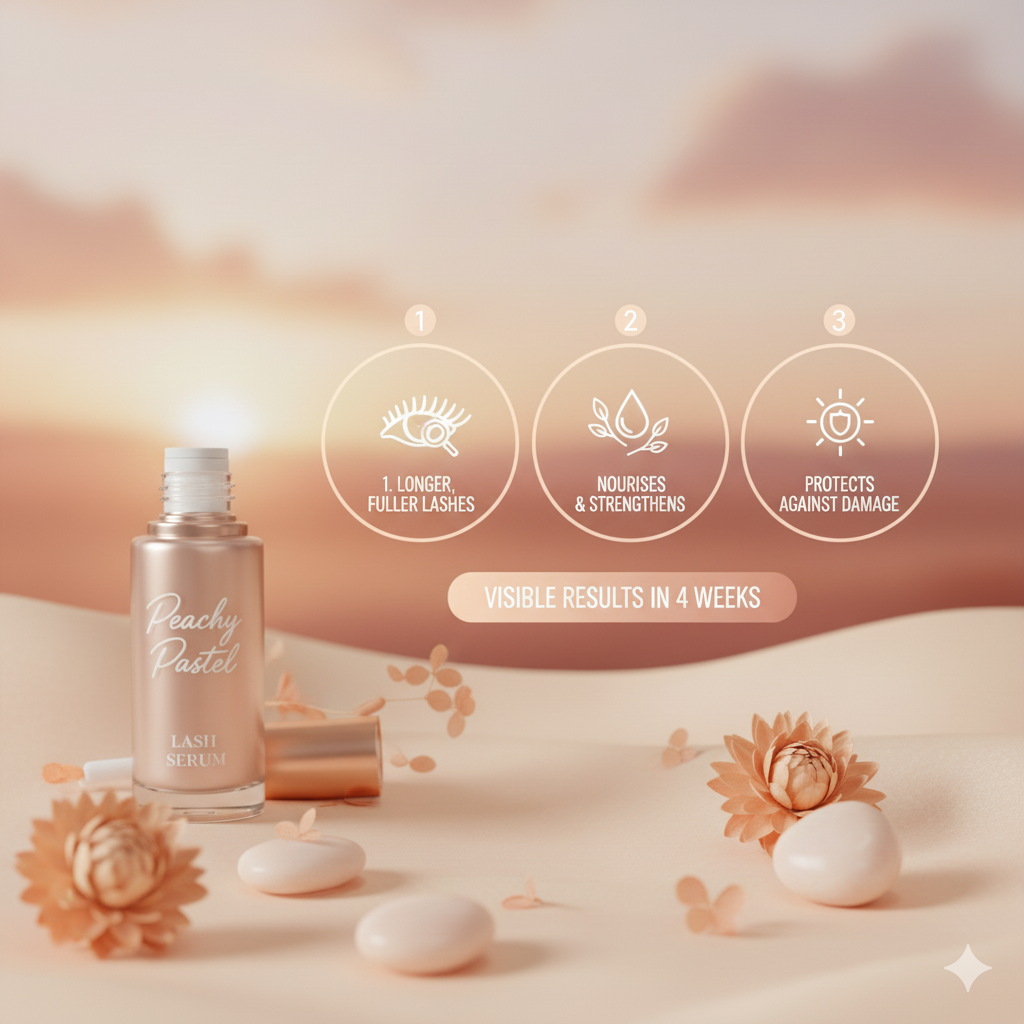
Infographic showing packaging visuals and labeled product overview sections.