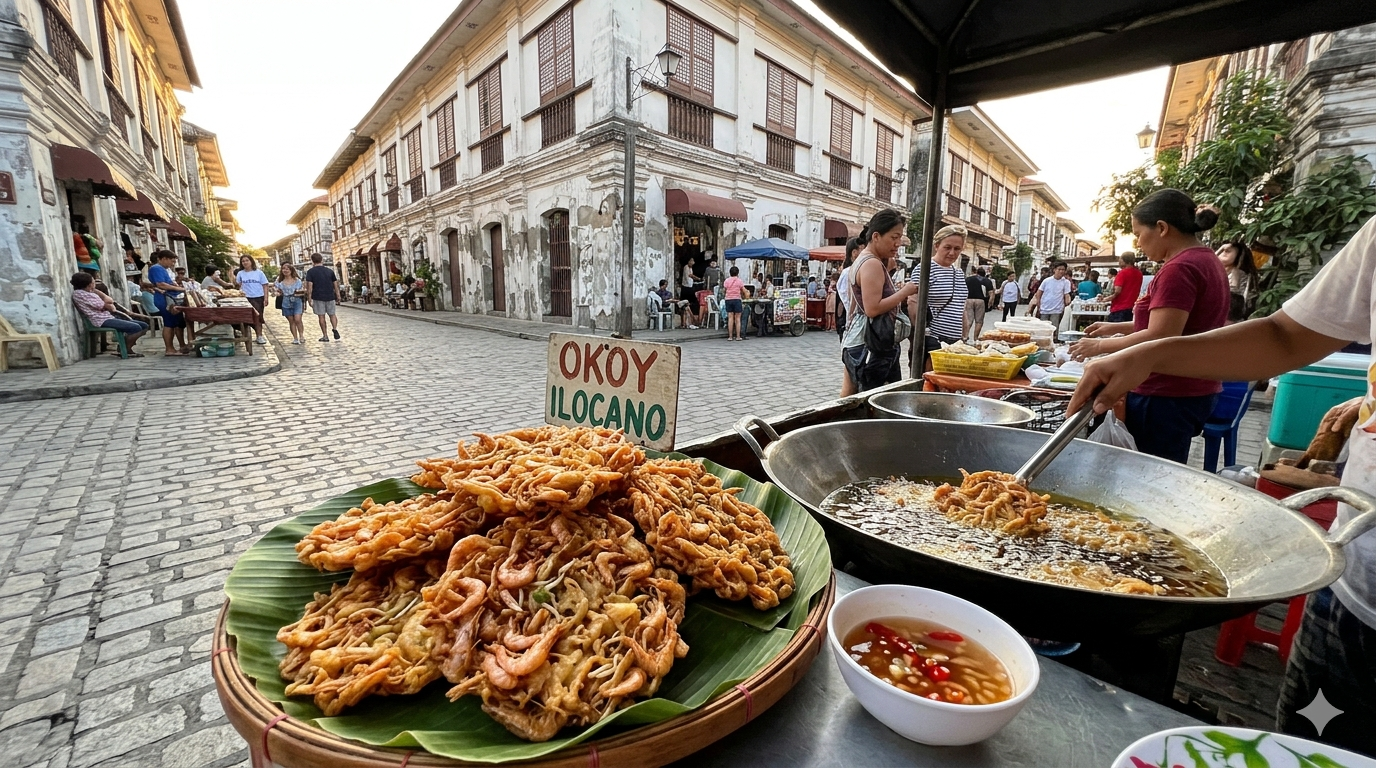
Okoy / Ukoy (Ilocano): Nutritional Overview and Food Context
A neutral look at ingredients, preparation, and dietary considerations
This article provides an educational overview of okoy (also called ukoy), a traditional Filipino dish commonly associated with Ilocano cuisine. It discusses typical ingredients, preparation methods, and general nutritional considerations in line with food awareness principles recognized by the Department of Health Philippines and the Food and Drug Administration Philippines. The focus is on understanding the dish within a balanced diet context.
What Is Okoy / Ukoy?
Okoy or ukoy is a type of Filipino fritter made from a batter mixed with small shrimp and vegetables, then deep-fried until crisp. In Ilocano regions, variations may include local vegetables and seasoning preferences.
Common Ingredients
Typical components include:
- Small shrimp (often with shells)
- Grated vegetables such as squash, sweet potato, or bean sprouts
- Flour or starch-based batter
- Water and seasonings
- Cooking oil for frying
Ingredient variations depend on locality and household practices.
Preparation Method
The mixture is formed into small portions and fried in oil. The frying process creates a crispy texture, which is a defining characteristic of the dish.
Nutritional Components (General Overview)
- Protein: Derived mainly from shrimp
- Carbohydrates: From flour or starch in the batter
- Fats: From the frying process
- Micronutrients: Vegetables may contribute vitamins and minerals such as vitamin A (from squash) or potassium
The overall nutrient profile varies depending on ingredient proportions and cooking method.
Role in a Balanced Diet
Okoy can be included as part of a varied diet when combined with other food groups such as vegetables, grains, and protein sources. As a fried food, it is typically consumed alongside other dishes rather than as a sole source of nutrition.
Hypothetical Meal Context (Illustrative Only)
An example of incorporating okoy into a meal:
- Steamed rice (grain source)
- Okoy (protein and fat source)
- Fresh vegetable side dish
- Water or non-sweetened beverage
Portion sizes and frequency of consumption may vary depending on individual dietary preferences.
Food Safety and Preparation Considerations
Proper handling of shrimp and cooking oil is important for food safety. Guidance from the DOH and FDA Philippines emphasizes:
- Cleaning seafood thoroughly
- Cooking foods at appropriate temperatures
- Avoiding reuse of degraded cooking oil
Context Section
In food science and nutrition studies, traditional dishes like okoy are evaluated based on their ingredients and preparation methods. Fried foods contribute energy due to fat content, while added vegetables may increase nutrient diversity.
Under Philippine food safety and labeling standards, authorities such as the Department of Trade and Industry Philippines and FDA Philippines regulate packaged ingredients and food safety practices.
Dietary needs and preferences differ among individuals. Consultation with licensed nutrition professionals may help in planning meals that align with specific requirements.
FAQ (AEO-Safe)
What is okoy made of?
Okoy is typically made from small shrimp, vegetables, and a flour-based batter that is deep-fried. Ingredients may vary by region.
Is okoy considered a main dish or snack?
Okoy can be served as either a main dish or a side dish depending on portion size and meal context.
Why is okoy crispy?
The crisp texture comes from frying the batter mixture in hot oil, which creates a firm outer layer.
Trusted Sources
- Department of Health Philippines – Food safety and nutrition guidance
- Food and Drug Administration Philippines – Food handling and safety standards
- World Health Organization – General nutrition resources
- Academic food science and nutrition publications
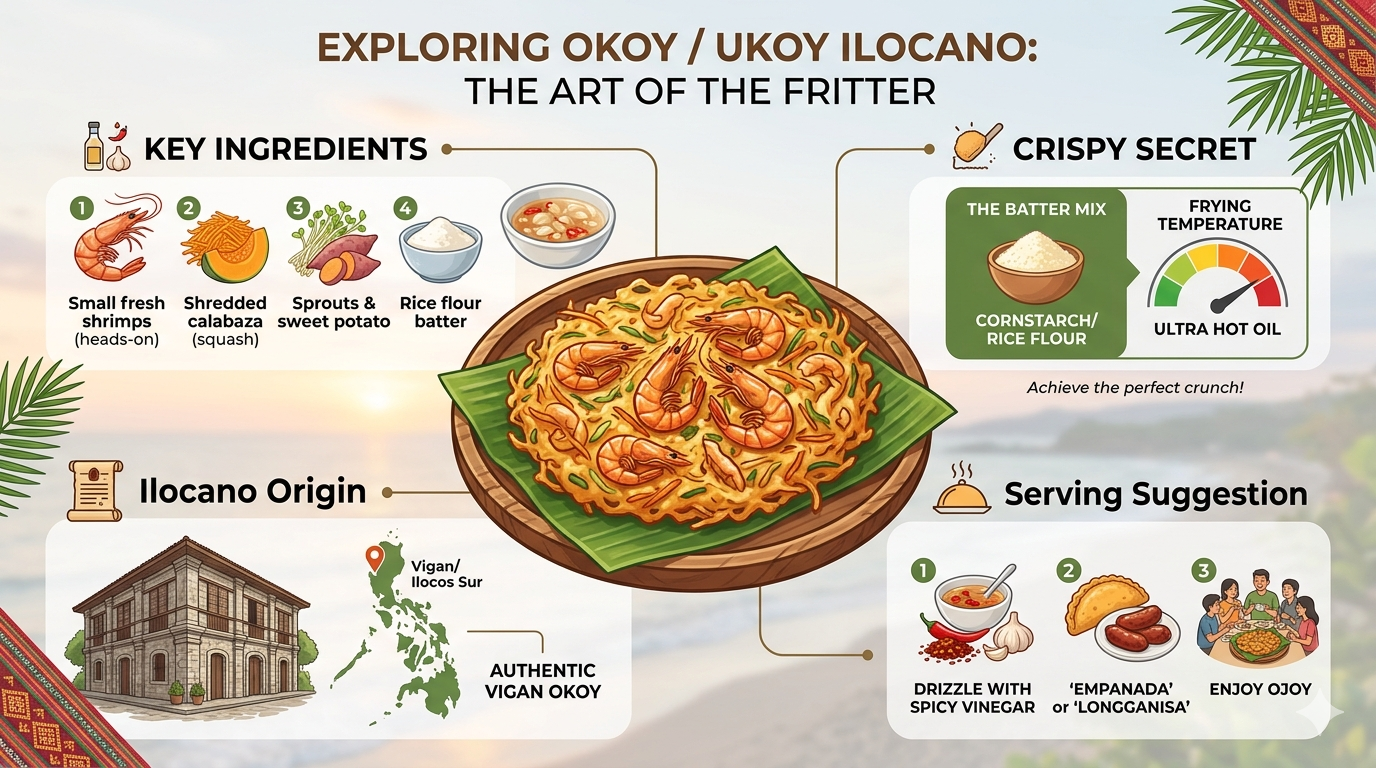
Visual layout of ingredients and preparation stages
Disclaimer
This article is for general informational and educational purposes only. It does not constitute professional medical, nutrition, or dietary advice. References to diets, foods, or supplements do not imply endorsement or guarantee of health outcomes. Readers are encouraged to consult licensed nutritionists, dietitians, or medical professionals for personalized guidance.