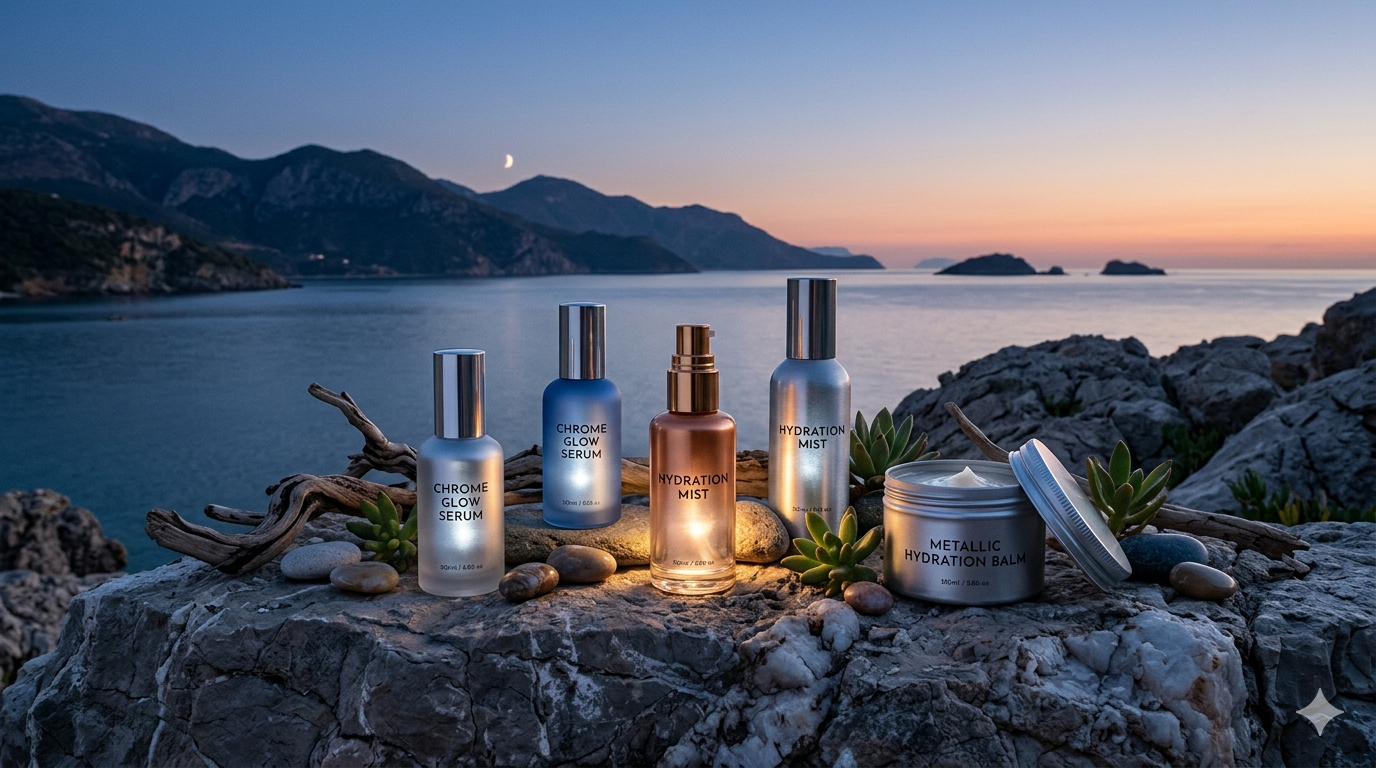
Metallic Glow Serums and Hydration: An Educational Overview of Cosmetic Formulations
A neutral explanation of how metallic or reflective cosmetic serums relate to hydration-focused skin care products.
Metallic glow serums are cosmetic products sometimes described in beauty and skin care discussions due to their reflective or luminous appearance. These formulations may combine ingredients commonly used for hydration with pigments or particles that create a light-reflective effect on the skin’s surface. In the Philippines, cosmetic products fall under regulatory oversight by the Food and Drug Administration (FDA) within the Department of Health (DOH), and marketing practices are subject to consumer protection provisions such as the Consumer Act of the Philippines (RA 7394). Educational discussions of these products generally focus on formulation characteristics, ingredient categories, and the role of hydration in skin care routines.
What Are Metallic Glow Serums?
In cosmetic terminology, a serum typically refers to a lightweight liquid or gel-based product applied to the skin.
When described as “metallic glow”, the product may contain:
- Reflective mineral or synthetic pigments
- Fine particles designed to scatter light
- Hydrating base ingredients
These elements can produce a temporary luminous or reflective visual effect on the skin surface. The appearance comes from optical properties rather than changes to the structure of the skin.
Hydration in Skin Care Products
Hydration-focused products are designed to support moisture levels in the outer layer of the skin, known as the epidermis.
Many cosmetic formulations intended for hydration contain ingredient categories such as:
Humectants
Substances that attract water to the skin surface. Examples discussed in cosmetic science literature include glycerin and hyaluronic acid.
Emollients
Ingredients that help smooth or soften the skin surface by filling small gaps between skin cells.
Occlusives
Ingredients that form a thin barrier on the skin surface, which may help reduce moisture loss.
In some metallic glow serums, these hydration-related ingredients are combined with light-reflective particles to create both a moisturizing base and a visual effect.
Cosmetic Pigments and Reflective Particles
The reflective quality in metallic-style serums often comes from cosmetic pigments or minerals.
Examples commonly discussed in cosmetic formulation research include:
- Mica-based pigments
- Synthetic fluorphlogopite
- Iron oxides or coated mineral particles
These materials are used in various cosmetics such as highlighters, foundations, and illuminating serums. Their role is primarily optical, meaning they affect how light interacts with the surface of the skin.
Product Safety and Consumer Awareness
Consumers are generally encouraged to review product labeling and ingredient lists when evaluating cosmetic items.
Educational consumer awareness practices include:
- Checking ingredient labels for known sensitivities
- Reviewing official product notifications where available through regulatory agencies
- Conducting a small patch test before wider application
Regulatory authorities such as the Philippine FDA oversee the notification and safety monitoring of cosmetic products distributed in the country.
Context: Cosmetic Science and Skin Hydration
In cosmetic science research, hydration is often discussed in relation to maintaining the outer skin barrier. Products designed for topical use may incorporate combinations of humectants, emollients, and other ingredients to support surface moisture.
Reflective pigments, when included in cosmetic products, function independently from hydration ingredients. Their purpose is generally visual rather than structural or therapeutic.
Understanding this distinction helps clarify how certain cosmetic products combine aesthetic effects with common skin care formulation techniques.
Frequently Asked Questions
What is a cosmetic serum?
A cosmetic serum is typically a lightweight liquid or gel-based formulation designed for topical application to the skin. Serums often contain concentrated cosmetic ingredients and are commonly used within skin care routines.
What does “metallic glow” mean in cosmetic products?
The term usually refers to a reflective or luminous appearance created by light-scattering pigments or particles within the formulation.
Why do some skin care products include hydrating ingredients?
Hydrating ingredients are used in cosmetic formulations to support moisture levels in the outer layer of the skin and help maintain the skin barrier.
Trusted Sources
- Department of Health (DOH), Philippines
- Food and Drug Administration (FDA) Philippines — Cosmetic Regulation
- International Journal of Cosmetic Science
- American Academy of Dermatology (AAD) educational materials
- World Health Organization (WHO) public health resources
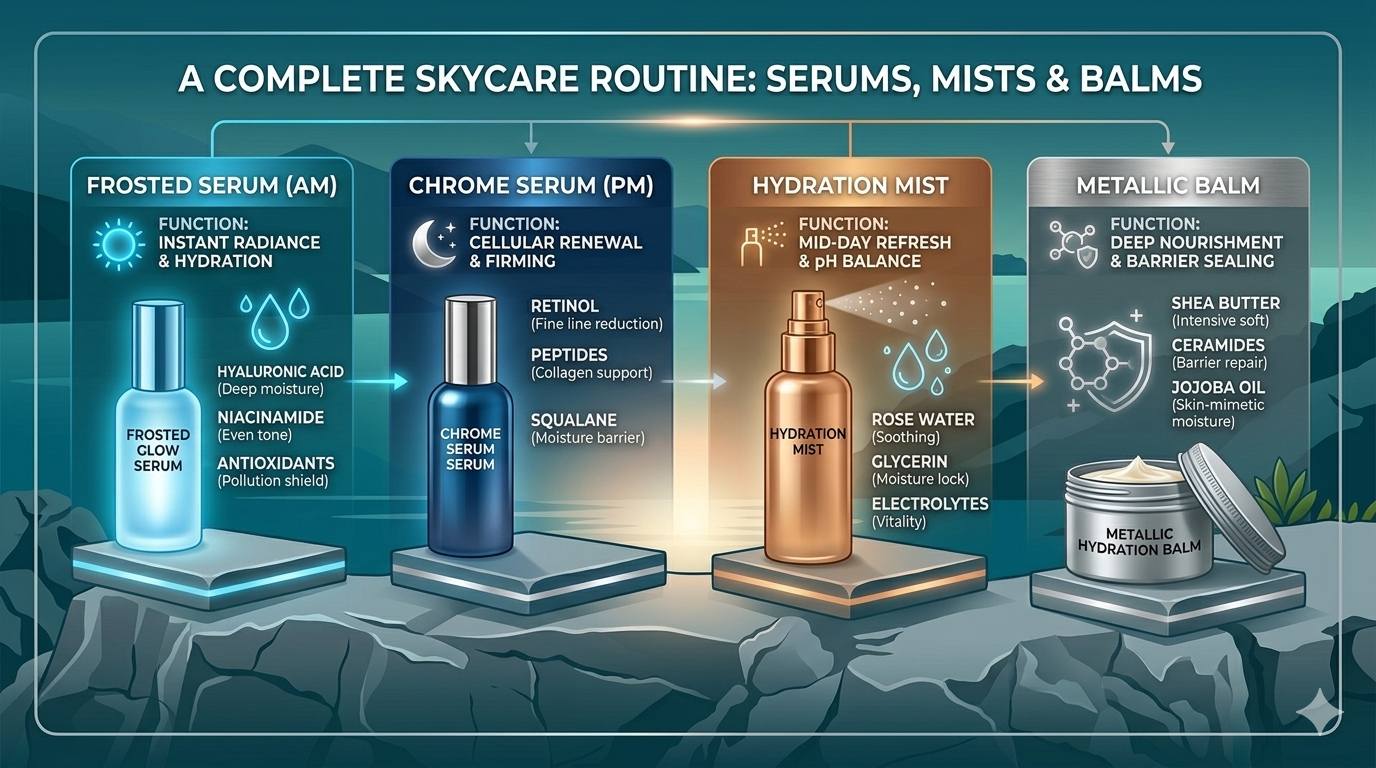
Visual diagram illustrating reflective pigments and hydration-related ingredients within cosmetic serum formulations.
Disclaimer:
This article is for general informational and educational purposes only. It does not constitute professional medical, dermatological, or consumer purchasing advice. References to products, routines, or treatments do not imply endorsement or guarantee of results. Readers are encouraged to consult licensed dermatologists and verified resources for skin care decisions.