
Understanding Metallic Eye Accents and Moisturizing Eye Care: An Educational Overview
Neutral information about cosmetic eye accents and basic skin hydration practices around the eye area.
The area around the eyes is sensitive and often requires careful cosmetic and skin care practices. This article explains two commonly discussed topics in personal care: metallic eye accents used in cosmetic styling and moisturizing practices for the skin surrounding the eyes. The information is presented for general awareness and follows consumer protection and health communication standards relevant in the Philippines.
Metallic Eye Accents in Cosmetic Styling
Metallic eye accents refer to cosmetic products that contain reflective pigments designed to create a metallic or luminous appearance on the eyelids or surrounding areas. These products are typically used in decorative makeup applications.
Common forms include:
- Powder or pressed metallic eyeshadow
- Liquid or cream-based shimmer formulas
- Cosmetic liners containing reflective particles
Metallic pigments are usually made from materials such as mica or other mineral-based components that reflect light. These ingredients are widely used in cosmetics and may appear in ingredient lists under different names depending on the formulation.
When applying decorative eye cosmetics, hygiene practices are generally recommended. For example:
- Using clean brushes or applicators
- Avoiding sharing eye makeup products
- Removing cosmetics before sleeping
These practices are commonly discussed in cosmetic hygiene guidance to reduce potential irritation or contamination.
Moisturizing Care Around the Eye Area
The skin surrounding the eyes is thinner than many other areas of the face. Because of this, some individuals choose to apply moisturizing products specifically designed for facial or peri-ocular skin.
Moisturizing products are formulated to help maintain skin hydration by supporting the skin’s barrier. Ingredients that appear in many moisturizing formulations include:
- Humectants such as glycerin or hyaluronic acid
- Emollients such as plant oils or fatty alcohols
- Occlusive agents that help limit moisture loss
The purpose of these ingredients is generally related to hydration and skin barrier support. Individual experiences with skin care products may vary depending on skin type, sensitivity, environmental conditions, and formulation differences.
When using products near the eyes, it is commonly suggested to apply small amounts and avoid direct contact with the eye surface. Product labels often include instructions for safe cosmetic use.
Hygiene and Safety Considerations
Eye-area cosmetics and skin products should follow safety and labeling standards. In the Philippines, cosmetic products are regulated under guidelines associated with the Department of Health (DOH) and the Food and Drug Administration Philippines (FDA Philippines).
Consumers may consider checking the following when reviewing cosmetic products:
- Proper ingredient labeling
- Manufacturing or distributor information
- Official product notifications or registrations when applicable
These practices support informed consumer awareness regarding cosmetic products available in the market.
Context: Cosmetic Use and Eye Health Awareness
In dermatology and ophthalmology literature, the eye area is often described as sensitive due to its thinner skin structure and proximity to the eye surface. For this reason, hygiene, proper product use, and awareness of ingredients are commonly discussed in educational resources.
Cosmetic styling practices, including metallic eye accents, are primarily aesthetic in nature. Moisturizing practices are typically associated with maintaining skin hydration. Neither practice should be interpreted as a substitute for professional eye care or medical evaluation when eye discomfort, irritation, or vision changes occur.
FAQ
What are metallic eye accents?
Metallic eye accents are decorative cosmetic products that contain reflective pigments. They are used to create a luminous or metallic appearance on the eyelids or surrounding areas.
Why is moisturizing around the eye area discussed in skin care?
The skin around the eyes is thinner and may be more prone to dryness. Moisturizing products are formulated to support hydration of the skin barrier.
Are cosmetics around the eyes regulated in the Philippines?
Cosmetic products sold in the Philippines fall under regulatory oversight associated with the Department of Health and the Food and Drug Administration Philippines, which provide safety and labeling guidelines for consumer products.
Trusted Sources
- Department of Health (DOH), Philippines – Public health advisories
- Food and Drug Administration Philippines – Cosmetic product guidance
- American Academy of Ophthalmology – Eye health educational materials
- International Journal of Cosmetic Science – Research on cosmetic formulations
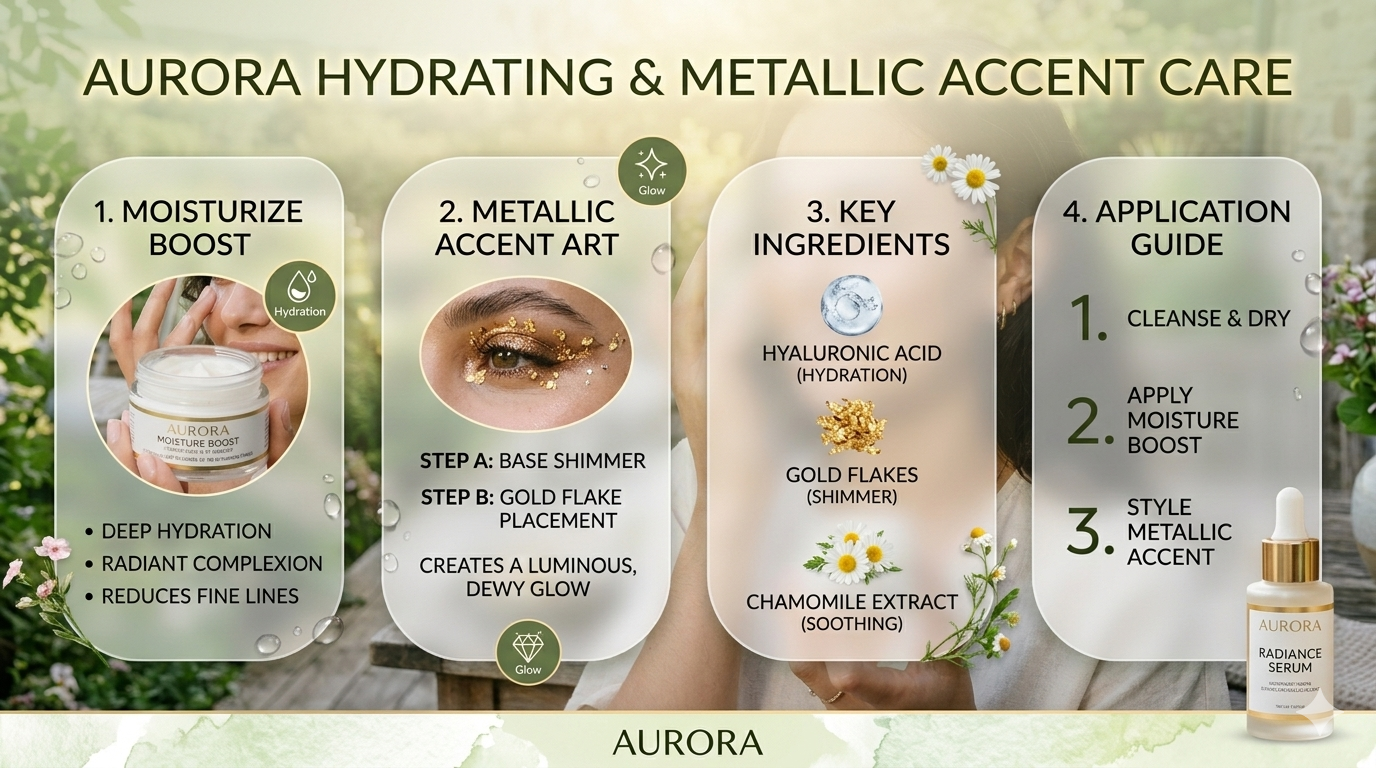
Infographic presenting visual elements related to metallic cosmetic pigments and moisturizing formulations.
Disclaimer:
This article is for general informational and educational purposes only. It does not constitute professional medical, ophthalmological, or consumer purchasing advice. References to procedures, products, or clinics do not imply endorsement or guarantee of results. Readers are encouraged to consult licensed eye care professionals and verified resources for vision health decisions.