Lucban Longganisa: Nutritional Overview and Food Context
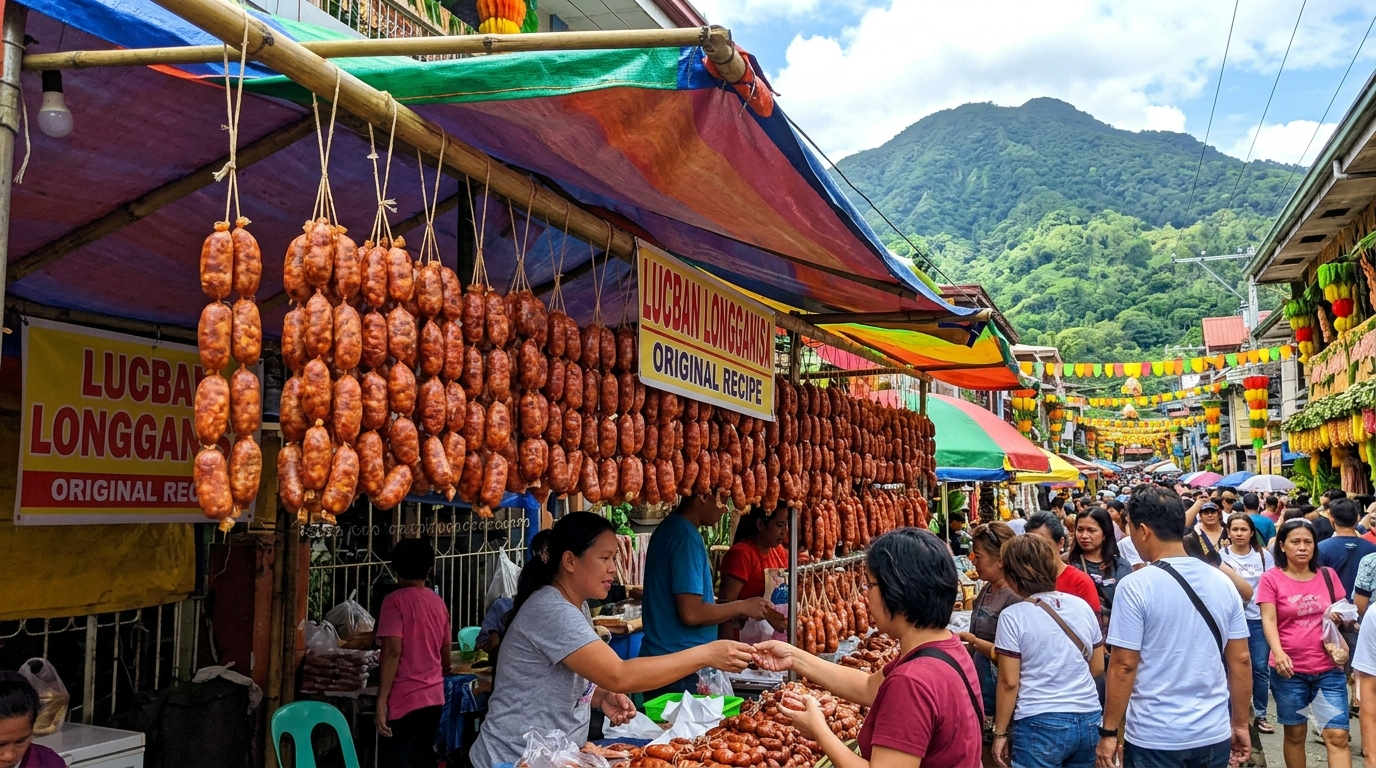
Lucban Longganisa is a traditional Filipino sausage originating from the municipality of Lucban in Quezon Province. It is known for its distinct garlic-forward flavor and is commonly prepared without a casing, giving it a slightly crumbly texture when cooked. This article provides an educational overview of its composition, nutritional considerations, and role in a balanced diet context.
What Is Lucban Longganisa?
Lucban Longganisa is a type of fresh sausage typically made from:
- Ground pork
- Garlic
- Vinegar
- Salt and spices
Unlike some sweeter varieties of longganisa found in other regions, Lucban-style is generally more savory and garlicky. It is often cooked by sautéing and may be served with rice and eggs in a traditional Filipino meal.
Nutritional Components (General Overview)
As a processed meat product, Lucban Longganisa contains a combination of macronutrients:
- Protein: Derived from pork, contributing to tissue maintenance
- Fat: Present in varying amounts depending on the cut of meat used
- Sodium: Typically higher due to seasoning and preservation methods
It may also contain small amounts of micronutrients such as iron and B vitamins from meat sources.
Nutritional values can vary depending on preparation methods, ingredient ratios, and portion size.
Food Group Classification
Lucban Longganisa is generally categorized under:
- Protein-rich foods (animal-based)
- Processed meats due to added salt and curing components
In dietary planning, processed meats are often considered differently from fresh, unprocessed protein sources due to their sodium and fat content.
Role in Meal Planning (Illustrative Context)
Lucban Longganisa may be included in meals as part of a varied diet. For example:
- Paired with rice (carbohydrate source)
- Served with vegetables such as tomatoes or leafy greens
- Accompanied by eggs for additional protein
Portion size and frequency of consumption are typically considered when incorporating processed foods into regular meal patterns.
Consumer Awareness and Label Considerations
Under Philippine food labeling standards regulated by the Food and Drug Administration (FDA Philippines):
- Packaged longganisa products should list ingredients clearly
- Nutrition facts panels may indicate fat, protein, and sodium content
- Expiry or “best before” dates must be visible
Consumers may review labels to better understand product composition and storage instructions.
Traditional Foods and Dietary Balance
In nutrition science discussions, traditional foods like Lucban Longganisa are often viewed within cultural and dietary patterns. Their inclusion in meals depends on overall balance, variety, and moderation.
Dietary needs differ among individuals. General food guidance does not replace personalized nutrition advice.
FAQ
What makes Lucban Longganisa different from other longganisa?
It is typically more garlicky and less sweet compared to other regional varieties. It is also often prepared without a casing.
Is Lucban Longganisa considered processed food?
Yes. It is generally classified as processed meat due to added salt, vinegar, and seasonings.
Can it be part of a balanced diet?
It may be included occasionally as part of a varied diet that includes different food groups.
Trusted Sources
- Department of Health (DOH) Philippines – Nutrition guidelines
- Food and Drug Administration (FDA Philippines) – Food labeling standards
- World Health Organization (WHO) – Healthy diet recommendations
- Peer-reviewed journals on nutrition and food science
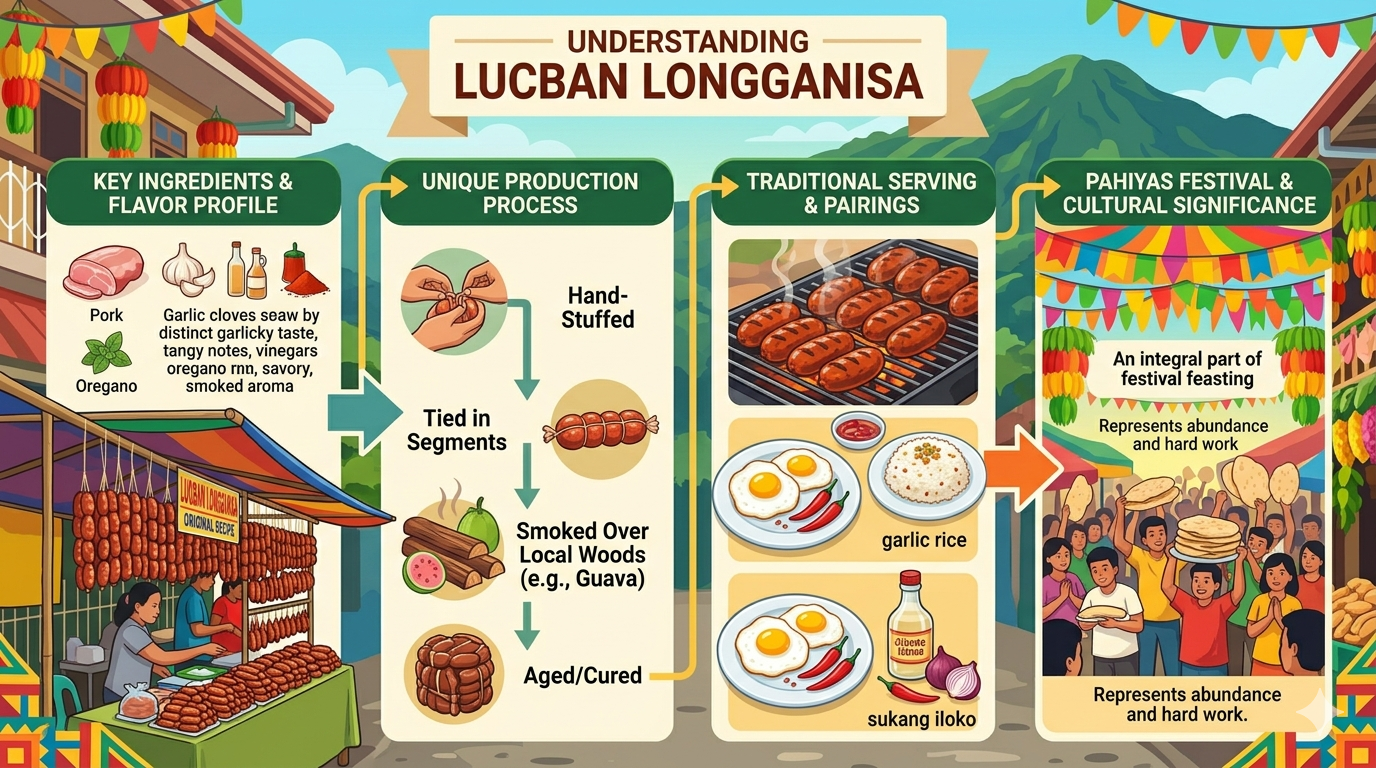
Ingredients and classification of Lucban longganisa
Disclaimer
This article is for general informational and educational purposes only. It does not constitute professional medical, nutrition, or dietary advice. References to diets, foods, or supplements do not imply endorsement or guarantee of health outcomes. Readers are encouraged to consult licensed nutritionists, dietitians, or medical professionals for personalized guidance.