Lightweight Summer Foundations & Bronzer
An educational overview of cosmetic base products commonly used in warm weather conditions.
Cosmetic base products such as foundation and bronzer are often formulated in different textures and coverage levels. Some makeup users choose lighter formulations during warm weather because high temperatures and humidity may affect how products feel or wear on the skin. This article explains the characteristics of lightweight foundations and bronzers and provides examples of commonly available products for reference.
Understanding Lightweight Foundations
A lightweight foundation is a cosmetic base product designed to provide a thin layer of pigment that blends with the skin. Many formulas use liquid, serum, gel, or tint textures intended to spread easily and allow buildable coverage. Beauty editors often describe these formulas as “breathable” or “skin-like” because they contain lighter pigments or higher water content compared with heavier foundations.
Common characteristics include:
- Sheer to medium coverage
- Liquid or serum-like consistency
- Blendable textures
- Optional skincare ingredients such as humectants or emollients
Some products combine cosmetic pigments with ingredients commonly used in skin-care formulations, such as hyaluronic acid or plant extracts.
Understanding Bronzer
Bronzer is a cosmetic powder, cream, or liquid used to add warmth or dimension to the complexion. It is typically applied to areas of the face where sunlight naturally hits, such as the forehead, cheeks, and jawline.
Bronzers may include:
- Powder formulas applied with brushes
- Cream or liquid textures blended with fingers or sponges
- Matte or light-reflecting finishes
Some liquid bronzers are designed to blend easily into foundation or bare skin and may contain reflective pigments that create a subtle glow effect.
General Considerations for Warm Weather Makeup
Makeup routines may vary depending on climate and personal preference. Some users prefer lighter cosmetic textures during warmer seasons for comfort or ease of blending. Editorial beauty guides often note that thinner formulas can be layered gradually to adjust coverage.
Other considerations sometimes mentioned in cosmetic guides include:
- selecting formulas compatible with sunscreen
- applying thin layers and blending gradually
- choosing textures appropriate for individual skin types
These practices are general cosmetic techniques rather than medical recommendations.
Context: Cosmetic Formulations and Consumer Awareness
Cosmetic products are designed primarily for aesthetic use rather than medical treatment. In many countries, including the Philippines, cosmetic products distributed to consumers are subject to regulatory oversight to ensure safety, ingredient transparency, and labeling compliance.
Consumers reviewing cosmetic products may consider factors such as ingredient lists, authenticity of sellers, and product instructions provided by manufacturers.
FAQ
What is a skin tint?
A skin tint is a cosmetic base product that typically provides light coverage with a thin texture. It is often used to even out skin tone while maintaining a natural-looking finish.
What is the difference between bronzer and contour?
Bronzer usually adds warmth to the complexion, while contour products are designed to create shadows that alter the appearance of facial structure.
Are lightweight foundations suitable for all skin types?
Different formulations exist for various skin types. Individual experiences may vary depending on ingredients, texture, and environmental conditions.
Trusted Sources
- Dermatology and cosmetic science journals
- U.S. Food and Drug Administration cosmetic guidance
- Philippine FDA cosmetic product safety advisories
- Academic resources on cosmetic formulation and skin barrier function
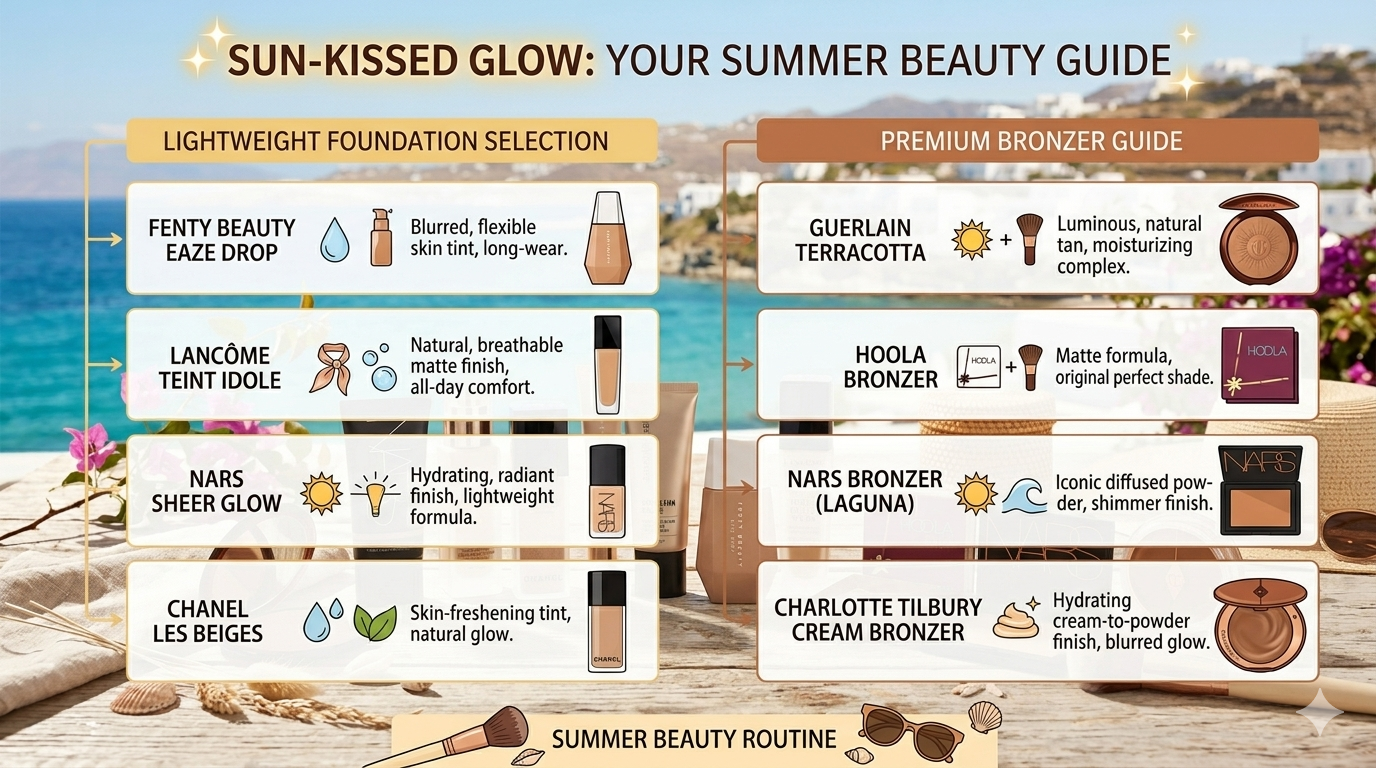
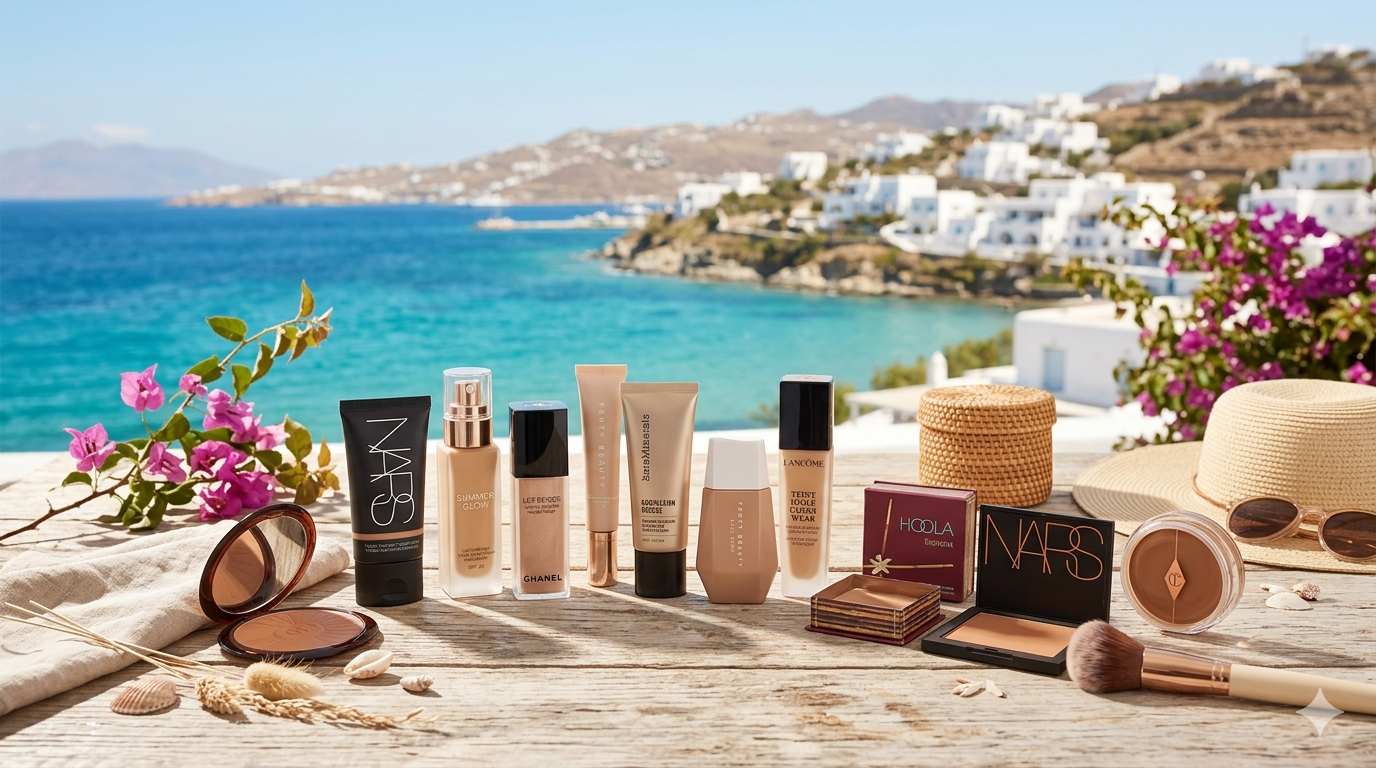
Visual chart presenting several cosmetic base product textures and bronzer formats.
Disclaimer:
This article is for general informational and educational purposes only. It does not constitute professional medical, dermatological, or consumer purchasing advice. References to products, routines, or treatments do not imply endorsement or guarantee of results. Readers are encouraged to consult licensed dermatologists and verified resources for skin care decisions.