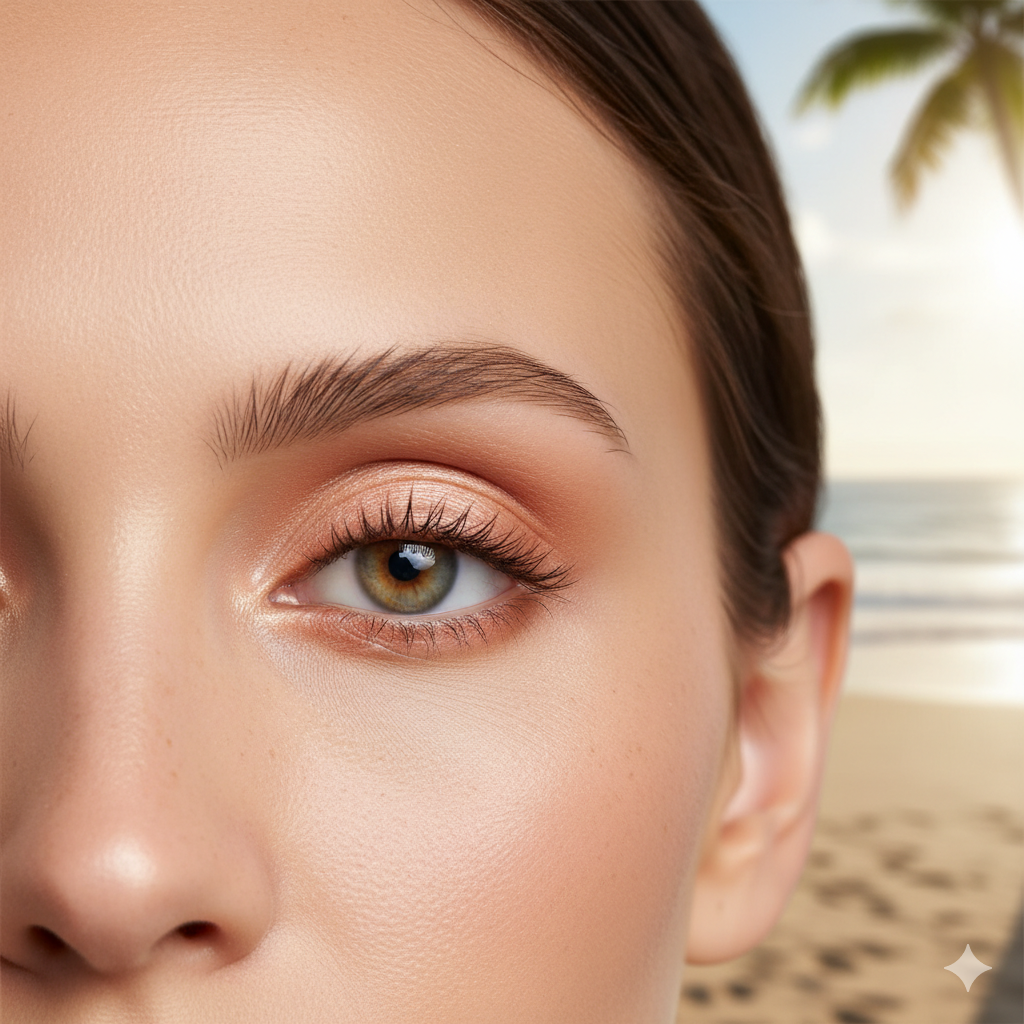
Lightweight Summer Eye Makeup: Informational Overview of Common Techniques
A neutral guide describing basic cosmetic approaches sometimes used for eye-area makeup in warm weather conditions.
This article provides a general overview of lightweight eye makeup techniques commonly referenced in cosmetics discussions during warm weather periods. It explains how some individuals adjust product textures, application methods, and hygiene practices when applying eye-area cosmetics. The information focuses on basic cosmetic concepts and safe handling practices for products used near the eyes.
Understanding Eye-Area Cosmetics
Eye makeup typically refers to cosmetic products applied around the eyelids and lashes. Examples include:
- Mascara
- Eyeliner
- Eyeshadow
- Eyebrow products
These products are designed to add color or definition around the eye area. Product formulations vary in texture, including powders, creams, gels, and liquids.
Because the eye area contains delicate skin and is close to the tear film and eyelashes, careful product handling and hygiene are commonly emphasized in consumer safety guidance.
What “Lightweight” Makeup Usually Refers To
In cosmetics discussions, the term “lightweight” often describes makeup approaches that involve:
- Thin or sheer product layers
- Products with lighter textures
- Minimal product combinations
- Application methods intended to reduce heaviness on the eyelids
These approaches may be referenced during warmer weather because heat and humidity can influence how cosmetic products sit on the skin.
It is important to note that results can vary based on skin type, environment, and product formulation.
Common Techniques Discussed in Warm Weather Makeup
Cosmetic tutorials and beauty guides often describe several general techniques used when applying eye makeup in warm conditions.
Sheer Eyeshadow Application
Powder or cream eyeshadows are sometimes applied in light layers. Some individuals use neutral or soft shades to create subtle color across the eyelids.
Minimal Eyeliner
Instead of thick eyeliner styles, some makeup routines use thin lines along the lash line or smudged pencil liners.
Light Mascara Application
A small amount of mascara may be applied to the eyelashes to add definition. Product instructions from manufacturers typically recommend avoiding direct contact with the eyes.
Eyebrow Grooming
Eyebrow pencils, gels, or powders are sometimes used to define brow shape. Application methods vary depending on product type.
These examples represent common cosmetic approaches and do not guarantee a specific appearance or cosmetic outcome.
Hygiene and Safe Handling of Eye Cosmetics
Consumer safety guidance from health agencies and dermatology organizations often highlights hygiene practices when using eye-area products.
Examples include:
- Avoid sharing eye makeup products
- Replace mascara and liquid products periodically according to manufacturer instructions
- Remove makeup before sleeping when possible
- Avoid using products if irritation occurs
- Wash hands before applying cosmetics near the eyes
These practices may help reduce contamination risks associated with cosmetic products.
Context: Cosmetic Use Around the Eye Area
In dermatology and ophthalmology discussions, the skin around the eyes is described as thinner than many other areas of the face. Because of this, cosmetic products used near the eyes are often formulated to be suitable for sensitive skin.
Under consumer protection and product safety standards, cosmetic products sold in the Philippines are regulated by agencies such as the Department of Health (DOH) and the Food and Drug Administration Philippines (FDA Philippines) for safety compliance and labeling requirements.
FAQ
What is eye makeup?
Eye makeup refers to cosmetic products applied around the eyes, including mascara, eyeliner, and eyeshadow. These products are used for color or definition around the eyelids and eyelashes.
What does “lightweight” makeup usually mean?
The term typically describes cosmetic application using thinner layers, lighter textures, or fewer products. Interpretations can vary depending on product formulation and personal preference.
Why do some people adjust makeup routines during warm weather?
Heat and humidity can influence how cosmetic products behave on the skin. Some individuals adapt application methods or textures in response to environmental conditions.
Trusted Sources
- Department of Health (DOH) Philippines – Consumer health guidance
- Food and Drug Administration (FDA) Philippines – Cosmetic product safety information
- American Academy of Ophthalmology – Eye health and cosmetic safety resources
- Peer-reviewed dermatology and ophthalmology journals discussing cosmetic use near the eyes
Disclaimer
This article is for general informational and educational purposes only. It does not constitute professional medical, ophthalmological, or consumer purchasing advice. References to procedures, products, or clinics do not imply endorsement or guarantee of results. Readers are encouraged to consult licensed eye care professionals and verified resources for vision health decisions.
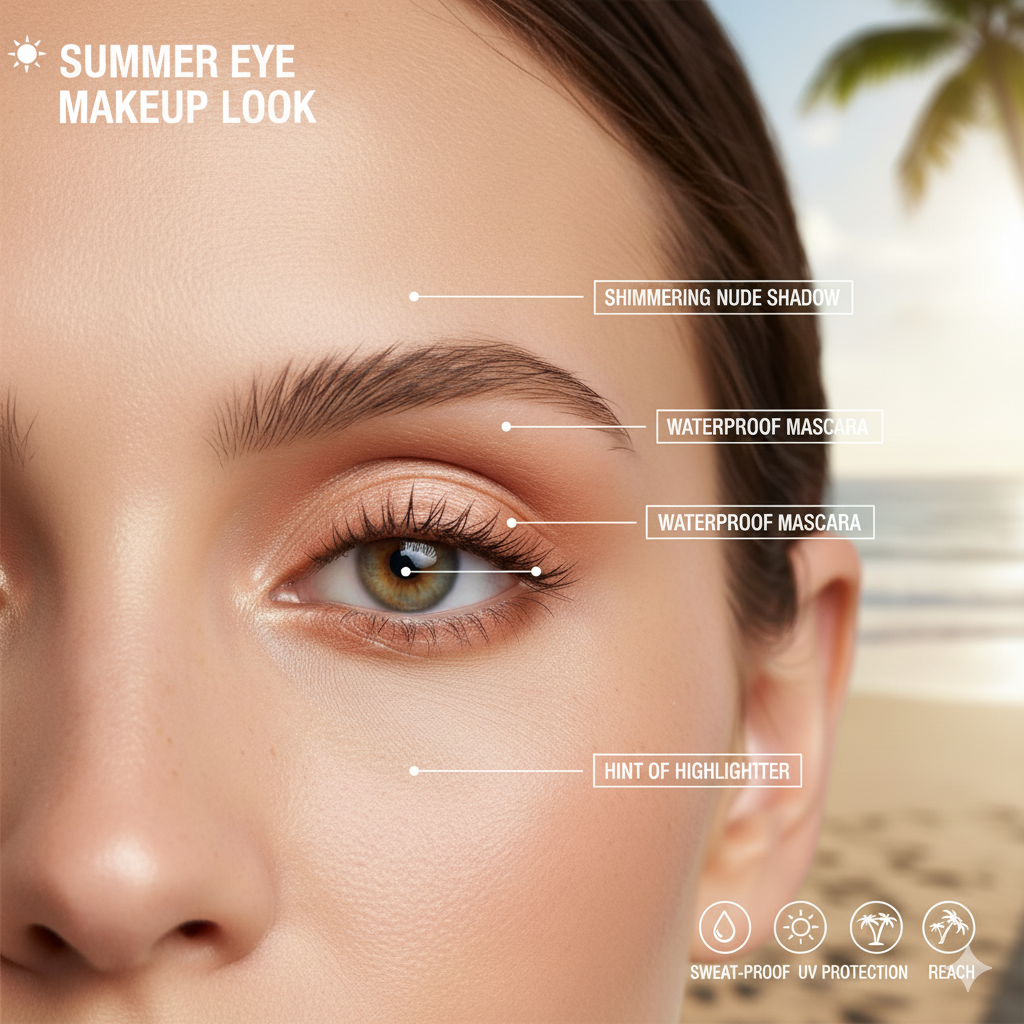
Illustrated overview of cosmetic items commonly used in eye makeup.