
Understanding Eye Makeup and Eye Hydration: An Educational Overview of Light Smokey Eyes and Ocular Comfort
Neutral information on cosmetic eye styling and basic eye hydration considerations.
Cosmetic eye makeup techniques are widely discussed in beauty and lifestyle media. One commonly referenced style is the light smokey eye, which involves soft shading around the eyelids. Separately, eye hydration refers to maintaining adequate moisture on the surface of the eyes. This article explains these two topics from an educational perspective, including general cosmetic practices and basic eye health considerations often referenced in ophthalmology and consumer safety guidance.
Cosmetic Eye Styling: What Is a Light Smokey Eye?
A light smokey eye is a cosmetic makeup style that uses gradual shading around the eyelid area. The technique typically involves applying darker and lighter tones of eye shadow to create soft contrast near the lash line and outer eyelid.
In general makeup discussions, this style may include:
- A light or neutral base color on the eyelid
- Slightly darker tones blended toward the outer corner of the eye
- Soft eyeliner application near the lashes
- Blending techniques that reduce sharp edges between colors
Cosmetic practices vary depending on personal preference, cultural trends, and available products. The appearance produced by makeup techniques may differ across individuals because of variations in skin tone, eyelid shape, lighting conditions, and cosmetic formulas.
When applying eye makeup, hygiene practices are commonly recommended in consumer safety guidance. These may include:
- Using clean brushes or applicators
- Avoiding the use of expired cosmetic products
- Removing eye makeup before sleep to reduce residue near the eyelids
These practices are often referenced in dermatology and ophthalmology discussions regarding cosmetic use around the eye area.
Eye Hydration: Basic Concepts
Eye hydration refers to the presence of sufficient moisture on the ocular surface. The tear film—a thin layer of liquid covering the eye—helps maintain lubrication and contributes to visual clarity and comfort.
The tear film generally consists of three layers:
- Lipid layer – helps reduce evaporation
- Aqueous layer – provides moisture and nutrients
- Mucin layer – helps tears spread evenly across the eye surface
When tear production or tear stability changes, individuals may experience symptoms associated with dry eye, a condition discussed in ophthalmology research.
Common factors associated with ocular dryness may include:
- Extended screen use
- Environmental conditions such as wind or air conditioning
- Contact lens wear in some individuals
- Age-related changes in tear production
Understanding these factors can help explain why eye comfort may vary in different situations.
Interaction Between Eye Cosmetics and Eye Comfort
Eye cosmetics are typically applied close to sensitive areas of the eyelids and eyelashes. In consumer health literature, some considerations are often mentioned when discussing cosmetic use near the eyes.
These considerations may include:
- Avoiding cosmetic products inside the eye
- Ensuring that products are designed for use near the eyes
- Removing makeup gently to avoid irritation around the eyelids
Some individuals may notice temporary irritation if cosmetic particles enter the eye surface. When irritation occurs, discontinuing product use and rinsing the eye area with clean water is sometimes discussed in general eye safety guidance.
Hypothetical example:
A person applies blended eye shadow for a light smokey style before attending an event. Later in the evening, minor eye discomfort occurs due to residual makeup particles near the lashes. Removing the makeup with a gentle cleanser may help reduce residue around the eyelids.
This example illustrates how cosmetic practices and eye comfort can sometimes interact.
Context: Eye Care and Consumer Safety
In ophthalmology and consumer health discussions, maintaining eye comfort typically involves routine habits that reduce strain and irritation. These may include regular blinking during screen use, adequate lighting when reading, and maintaining hygiene when using cosmetics near the eye area.
Under consumer protection standards, including the Consumer Act of the Philippines (RA 7394), marketing claims about cosmetic or health outcomes should avoid misleading statements. As a result, educational discussions about eye care often focus on factual information rather than promises of specific cosmetic or visual results.
Public health organizations such as the Department of Health (DOH) and Food and Drug Administration Philippines (FDA Philippines) provide regulatory oversight regarding health products and consumer safety communications.
FAQ
What is a smokey eye in makeup?
A smokey eye is a cosmetic eye makeup style that blends darker and lighter shades of eye shadow around the eyelids. The technique creates soft shading rather than sharp lines.
What does eye hydration mean?
Eye hydration refers to maintaining sufficient moisture on the surface of the eyes through the tear film. Proper tear balance helps support lubrication and ocular comfort.
Why can eye dryness occur during screen use?
During prolonged screen viewing, people may blink less frequently. Reduced blinking may influence how tears spread across the eye surface, which can contribute to dryness in some situations.
Trusted Sources
- Department of Health (DOH) Philippines — Public health advisories on eye health
- Food and Drug Administration (FDA Philippines) — Consumer safety and product regulation
- American Academy of Ophthalmology (AAO) — Educational resources on eye conditions
- National Eye Institute (NEI), U.S. National Institutes of Health — Research and public education on vision science
- Peer-reviewed ophthalmology journals on tear film and ocular surface health
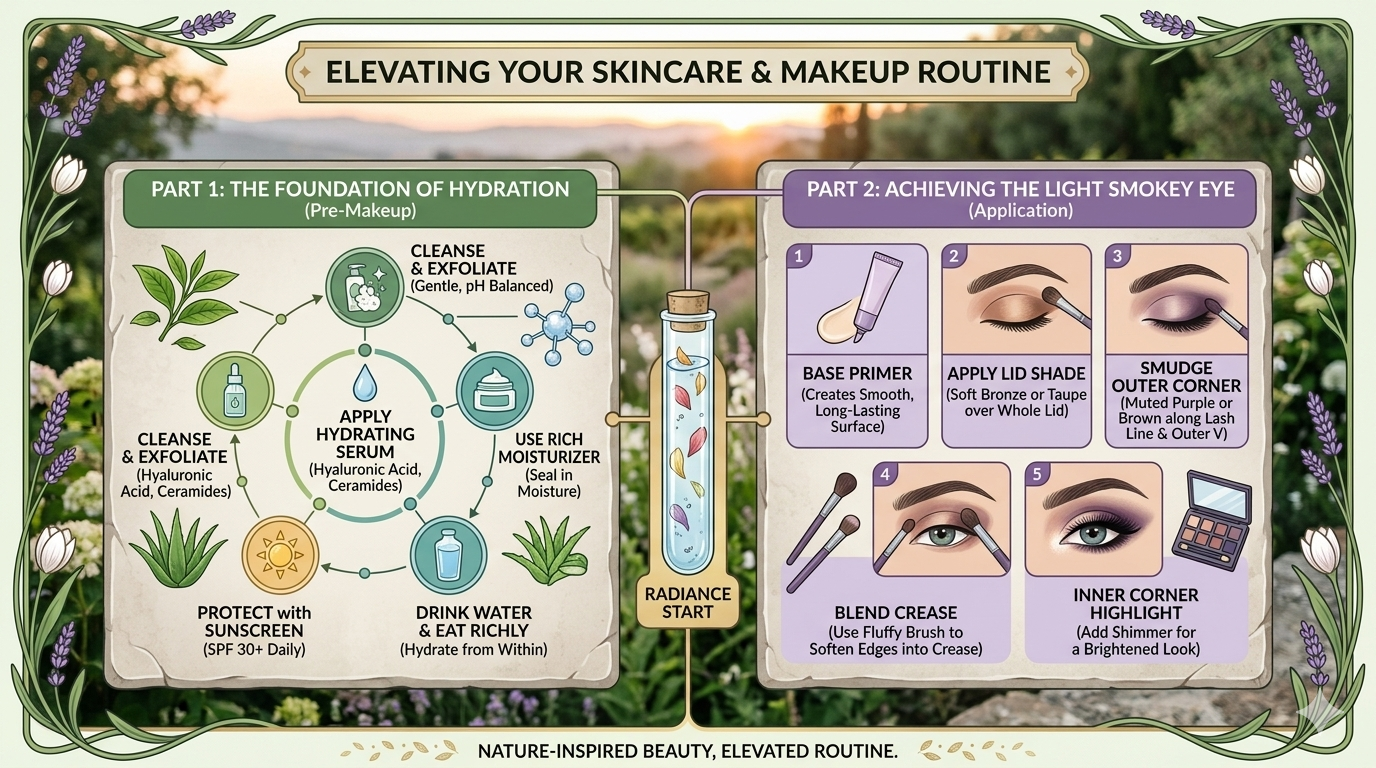
Visual infographic presenting smokey eye shading elements and a simplified diagram of tear film layers.
Disclaimer:
This article is for general informational and educational purposes only. It does not constitute professional medical, ophthalmological, or consumer purchasing advice. References to procedures, products, or clinics do not imply endorsement or guarantee of results. Readers are encouraged to consult licensed eye care professionals and verified resources for vision health decisions.