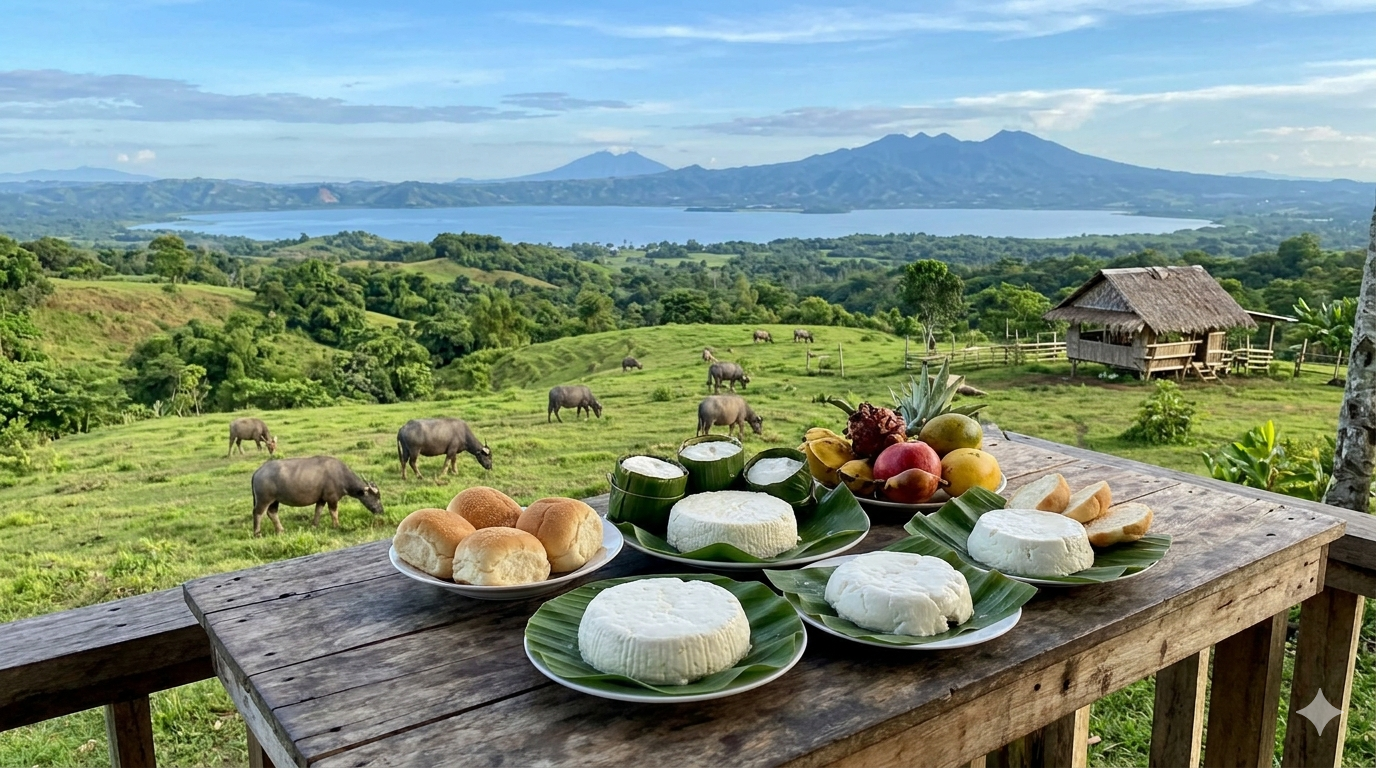
Understanding Kesong Puti: A Nutritional Overview
A neutral look at Kesong Puti, its composition, nutrient content, and safe consumption practices.
Kesong Puti is a traditional Filipino fresh cheese made from carabao’s milk, cow’s milk, or a mixture of both. It is widely used in Filipino cuisine as a topping, side dish, or ingredient in various meals. This article provides an educational overview of Kesong Puti, its nutritional composition, food safety considerations, and ways to incorporate it in a neutral, informative manner. References to Philippine food safety standards and labeling guidelines are included.
Nutritional Composition
Kesong Puti primarily consists of protein, fat, and water. Its exact macronutrient composition depends on the type of milk used and the production method. Typical nutrients include:
- Protein: Supports general body functions; contributes to satiety and amino acid intake.
- Fat: Contains saturated and unsaturated fatty acids; contributes to energy content.
- Calcium and Phosphorus: Present in dairy products and important for bone health.
- Vitamin A and B2 (Riboflavin): Naturally occurring in milk-based products.
- Sodium: May vary depending on salt addition during production.
Nutrient values differ among commercial and home-made versions of Kesong Puti. Label reading is important for understanding serving sizes and nutrient content.
Food Safety Considerations
Under FDA Philippines and DOH guidelines:
- Milk Source: Use pasteurized milk to reduce the risk of foodborne illness.
- Hygienic Handling: Dairy products should be stored at safe refrigeration temperatures (≤ 4°C).
- Expiration and Freshness: Consumers should check production dates and avoid products past their shelf life.
- Labeling: Product labels should indicate ingredients, allergen warnings, and storage instructions.
Incorporating Kesong Puti in Meals (Hypothetical Examples)
- Breakfast: Sliced Kesong Puti with whole-grain pandesal and fresh tomatoes.
- Snack: Kesong Puti cubes paired with cucumber and carrot sticks.
- Sandwiches: Spread Kesong Puti on bread or wraps as part of a neutral, nutrient-diverse meal.
These examples are for illustrative purposes only and do not imply health outcomes.
Context Section
In nutrition science studies, dairy products such as Kesong Puti are considered a source of high-quality protein and essential micronutrients. Under Philippine consumer protection and labeling standards, products must clearly disclose ingredients and nutrient content. Dietary results and nutritional benefits vary individually, depending on overall diet and lifestyle. For personalized guidance, consultation with licensed nutritionists, dietitians, or medical professionals is recommended.
FAQ
What is Kesong Puti?
Kesong Puti is a traditional Filipino fresh cheese made from carabao or cow’s milk, often consumed as a snack or ingredient in meals.
What nutrients are in Kesong Puti?
Kesong Puti contains protein, fat, calcium, phosphorus, and vitamins such as A and B2. Exact content depends on milk source and production method.
How should Kesong Puti be stored?
It should be refrigerated at or below 4°C and consumed before its expiration date. Label instructions should always be followed.
Trusted Sources
- Department of Health (DOH Philippines) – Food Safety Advisories
- Food and Drug Administration Philippines (FDA) – Dairy Product Guidelines
- Food and Nutrition Research Institute – Philippine Nutrition Facts
- Academic journals on dairy nutrition (peer-reviewed, open access)
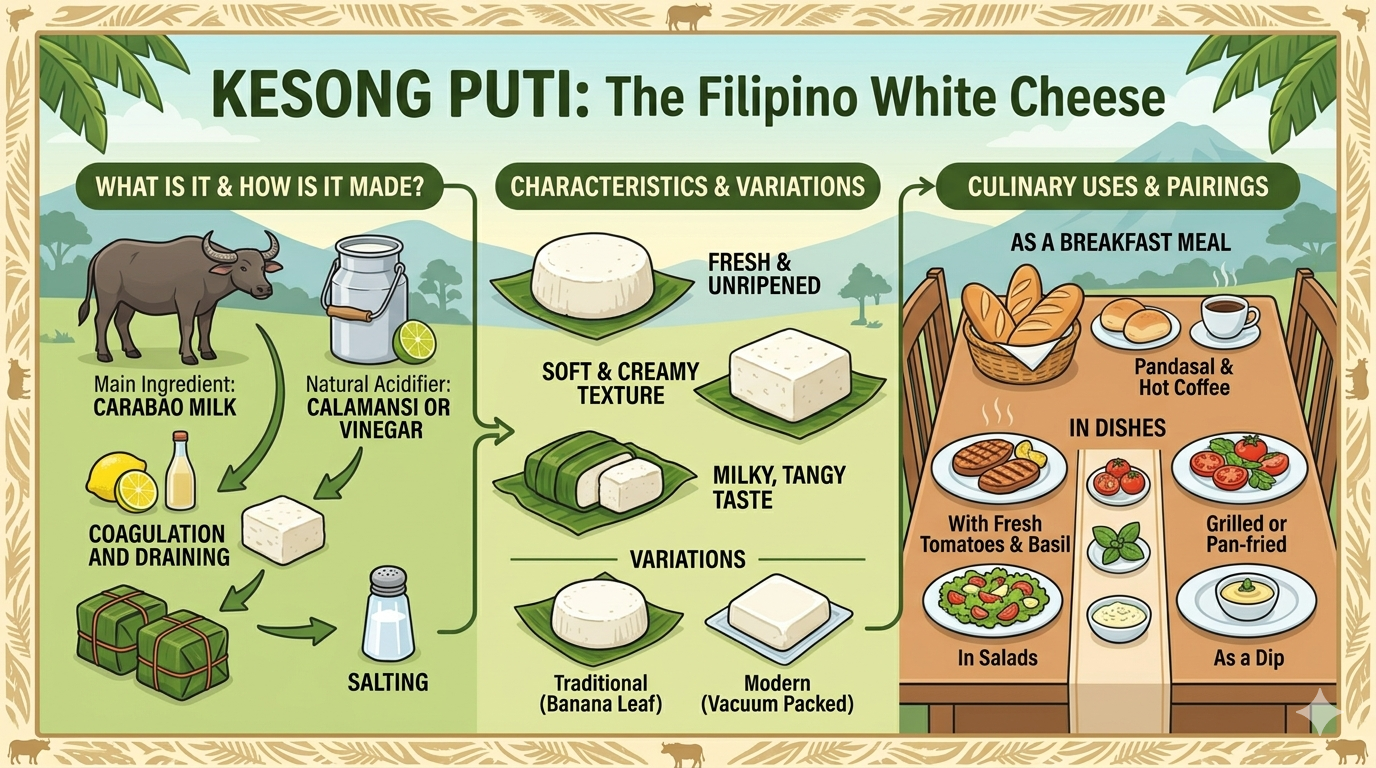
Illustration of macronutrient and mineral composition in Kesong Puti.
Mandatory Disclaimer
This article is for general informational and educational purposes only. It does not constitute professional medical, nutrition, or dietary advice. References to foods, such as Kesong Puti, do not imply endorsement or guarantee of health outcomes. Readers are encouraged to consult licensed nutritionists, dietitians, or medical professionals for personalized guidance.