Gentle Peeling and Skin Hydration: An Educational Overview
An informational explanation of exfoliation practices and skin hydration concepts in dermatology.
Skin care discussions sometimes refer to exfoliation methods and hydration practices as part of general skin maintenance routines. Exfoliation involves the removal of surface skin cells, while hydration practices aim to support the skin’s moisture balance.
Public health guidance notes that cosmetic products and skin care practices in the Philippines are subject to consumer protection and safety regulations. Oversight may involve the Food and Drug Administration Philippines and the Department of Health (Philippines).
This article explains what gentle peeling means in skin care terminology and clarifies the concept often described in consumer materials as “dewy” skin.
What Is Gentle Peeling?
Gentle peeling refers to mild forms of exfoliation designed to remove accumulated surface skin cells from the outermost layer of the skin.
Exfoliation may occur through two commonly discussed approaches:
Physical Exfoliation
Products or tools that remove surface skin cells through mild friction. Examples in educational literature include soft cloths or finely textured scrubs.
Chemical Exfoliation
Use of ingredients that help loosen the bonds between surface skin cells. Dermatology references often mention compounds such as alpha hydroxy acids (AHAs) or beta hydroxy acids (BHAs).
The term “gentle” typically indicates lower concentration ingredients or milder formulations designed to reduce irritation risk when used as directed.
Understanding the Term “Dewy” in Skin Care Language
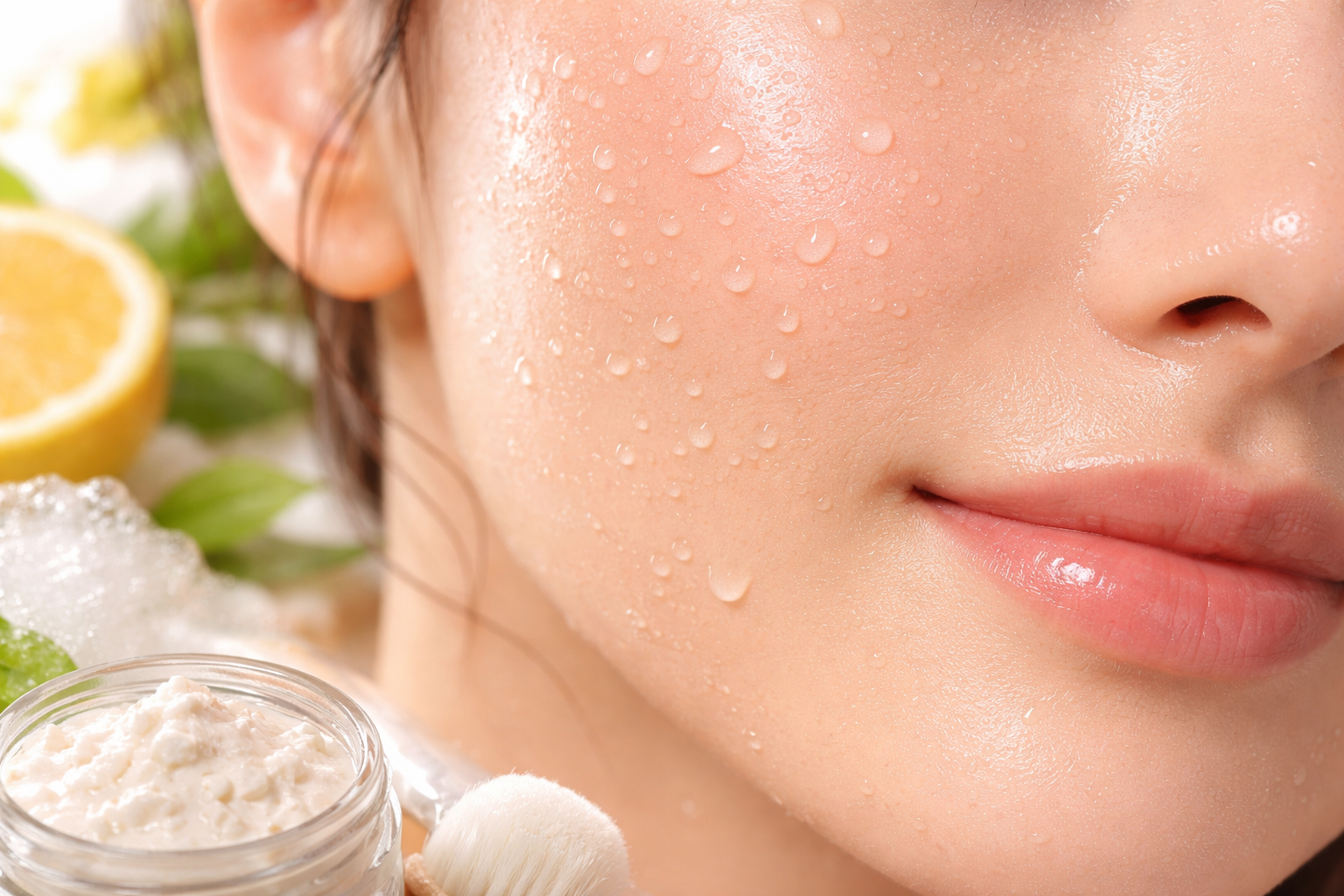
The phrase “dewy skin” appears in cosmetic and beauty discussions. In informational contexts, it generally describes a skin appearance associated with surface hydration and light reflection.
Several factors may contribute to this appearance:
- Presence of moisture in the outer skin layer
- Application of hydrating topical products
- Natural oil production in certain individuals
- Lighting conditions and cosmetic formulations
The term is descriptive rather than clinical and does not represent a medical outcome.
Skin Hydration and Moisture Balance
Skin hydration refers to the water content present in the outer layer of the skin, known as the stratum corneum.
Moisturizing products often include ingredients that function in different ways:
Humectants
Ingredients that attract water to the outer skin layer.
Emollients
Substances that help smooth the skin surface.
Occlusives
Ingredients that help reduce water loss from the skin.
The combination of these functions may support the maintenance of the skin’s moisture barrier.
Hypothetical Example
A person living in a warm and humid environment may use a mild cleanser and a moisturizer formulated for daily use. In some routines, occasional exfoliation products are applied according to instructions provided by the manufacturer or healthcare professionals.
The purpose of such routines in dermatology literature is generally related to skin maintenance and hygiene rather than guaranteed cosmetic outcomes.
Context: Dermatology and Consumer Protection
Cosmetic products and skin care items sold in the Philippines may fall under regulatory oversight by the Food and Drug Administration Philippines, which monitors safety, labeling, and product registration requirements.
Consumer awareness guidelines also encourage individuals to review product ingredient lists and consult qualified professionals for persistent skin concerns.
In dermatology research, skin care practices are considered supportive habits rather than medical treatments unless prescribed by licensed professionals.
FAQ
What does exfoliation mean in skin care?
Exfoliation refers to the removal of surface skin cells from the outermost layer of the skin. This may occur through physical or chemical methods depending on the product formulation.
What does the term “dewy skin” describe?
“Dewy skin” is a descriptive phrase used in cosmetic discussions to refer to skin that appears hydrated or reflective under certain lighting conditions.
Is exfoliation required for skin care routines?
Dermatology resources describe exfoliation as one possible component of some routines. Skin care practices vary depending on individual preferences and skin characteristics.
Trusted Sources
- Department of Health (Philippines) public health information
- Food and Drug Administration Philippines consumer safety resources
- American Academy of Dermatology educational dermatology materials
- World Health Organization health information resources
- Peer-reviewed dermatology and cosmetic science journals
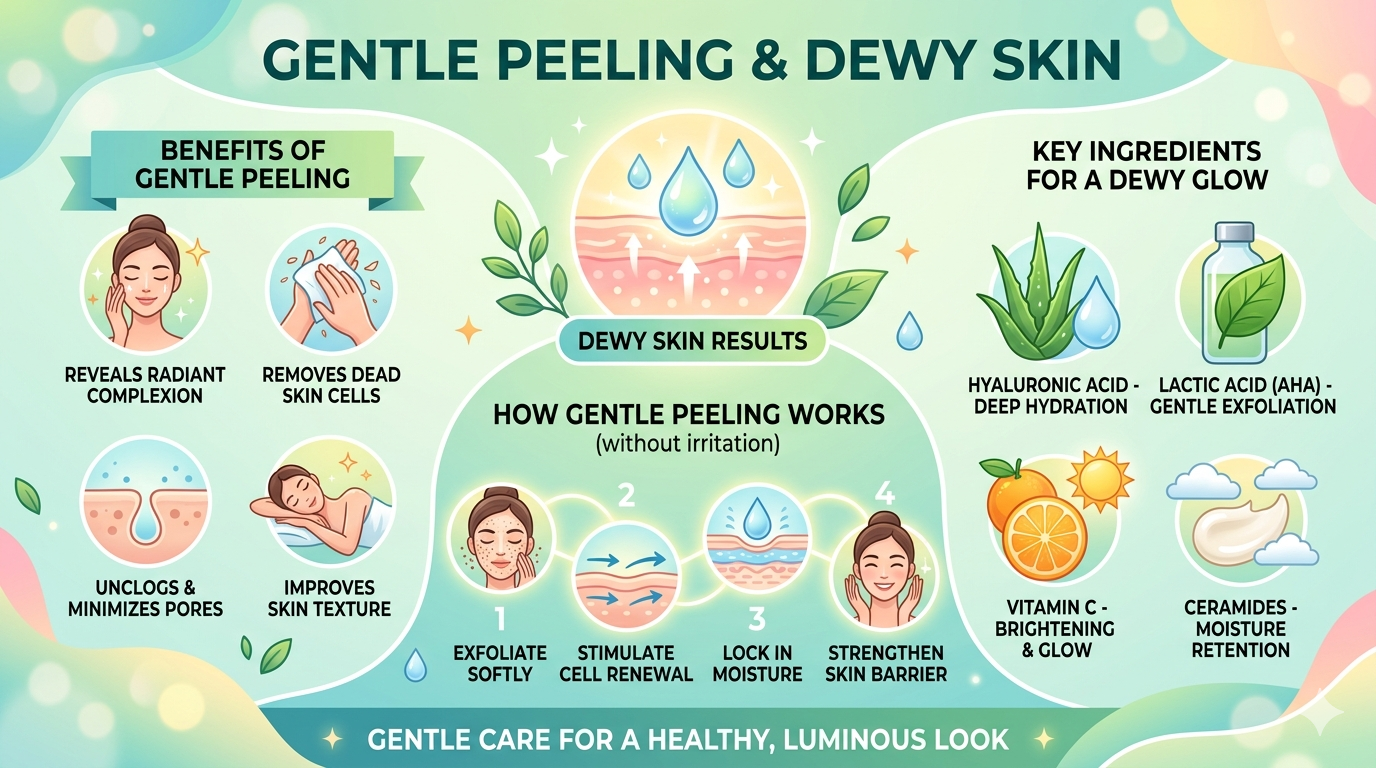
Illustrated overview of exfoliation and hydration terminology used in skin care discussions.
Disclaimer
This article is for general informational and educational purposes only. It does not constitute professional medical, dermatological, or consumer purchasing advice. References to products, routines, or treatments do not imply endorsement or guarantee of results. Readers are encouraged to consult licensed dermatologists and verified resources for skin care decisions.