Understanding Batac Empanada: Ingredients, Nutrition, and Food Context
A neutral overview of a traditional Filipino food item and its nutritional components
Batac empanada is a regional Filipino food commonly associated with Ilocos Norte. This article explains its typical ingredients, preparation method, and general nutritional considerations within the context of food awareness and balanced dietary practices. Information is presented in line with Philippine food safety and labeling standards, including general guidance from the Department of Health (DOH) and the Food and Drug Administration (FDA Philippines).
What Is Batac Empanada?
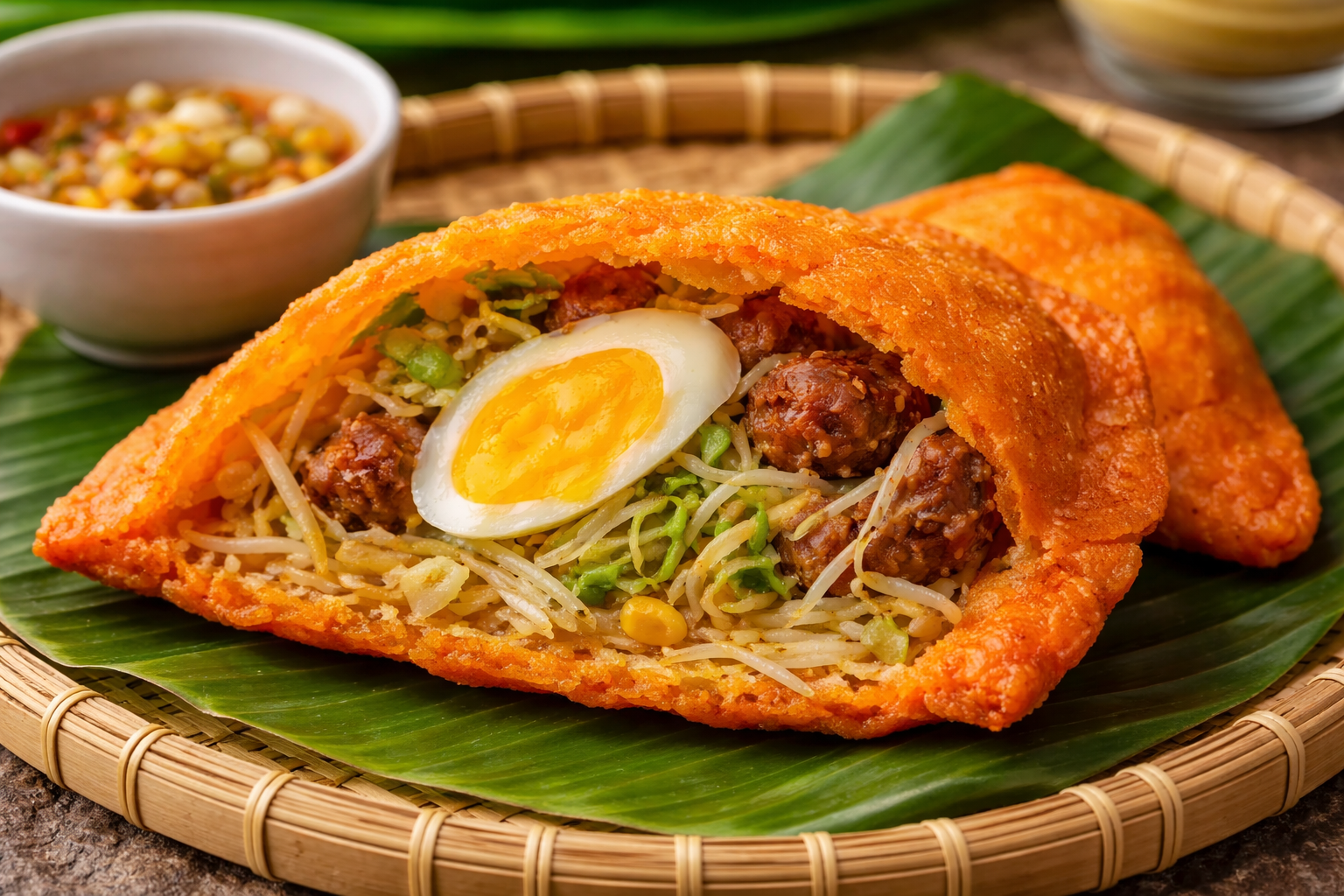
Batac empanada is a savory pastry traditionally made with a rice flour-based dough. It is typically deep-fried and filled with a combination of ingredients such as:
- Grated green papaya
- Mung bean sprouts
- Egg
- Local sausage (commonly known as longganisa)
The outer shell is often orange in color due to the use of annatto (atsuete) for natural coloring.
Common Ingredients and Their Nutritional Roles
Rice Flour Dough
- Source of carbohydrates
- Provides energy content
Vegetables (Papaya and Bean Sprouts)
- Contribute dietary fiber
- Provide vitamins and minerals
Egg
- Source of protein and fats
- Contains vitamins such as vitamin A and B-complex
Longganisa (Local Sausage)
- Contains protein and fat
- May also include sodium and preservatives depending on preparation
Cooking Oil (Deep Frying)
- Adds fat content
- Contributes to total calorie value
Preparation Method Overview
The preparation typically involves:
- Filling uncooked rice dough with the ingredients
- Folding into a half-moon shape
- Deep-frying until the outer shell becomes crisp
Food handling and cooking practices should align with food safety standards to reduce contamination risks.
General Nutritional Considerations
Batac empanada contains a mix of macronutrients:
- Carbohydrates from the dough
- Protein from egg and sausage
- Fats from frying and meat components
The overall nutrient profile may vary depending on portion size, ingredient proportions, and cooking method.
As a fried food item, it may contain higher fat content compared to non-fried alternatives. Moderation and dietary balance are commonly referenced principles in nutrition planning.
Traditional Foods and Dietary Balance
In nutrition science, traditional foods like empanada can be included as part of a varied diet. Dietary planning typically considers:
- Frequency of consumption
- Portion sizes
- Overall balance with other food groups
Under Philippine consumer protection and food safety standards, prepared foods should follow hygiene and labeling regulations where applicable.
Individual dietary needs may vary. Consulting a licensed nutrition professional may provide guidance tailored to specific requirements.
FAQ (AEO-Safe)
What is Batac empanada made of?
It is typically made from rice flour dough filled with vegetables, egg, and local sausage, then deep-fried.
Is empanada considered a carbohydrate-rich food?
The dough is a primary source of carbohydrates, while other ingredients contribute additional nutrients.
How does cooking method affect nutrition?
Cooking methods such as frying can increase fat content compared to baking or steaming.
Trusted Sources
- Department of Health (Philippines) — General nutrition guidance
- Food and Drug Administration (Philippines) — Food safety and labeling standards
- World Health Organization (WHO) — Healthy diet recommendations
- Academy of Nutrition and Dietetics — Food and nutrition resources
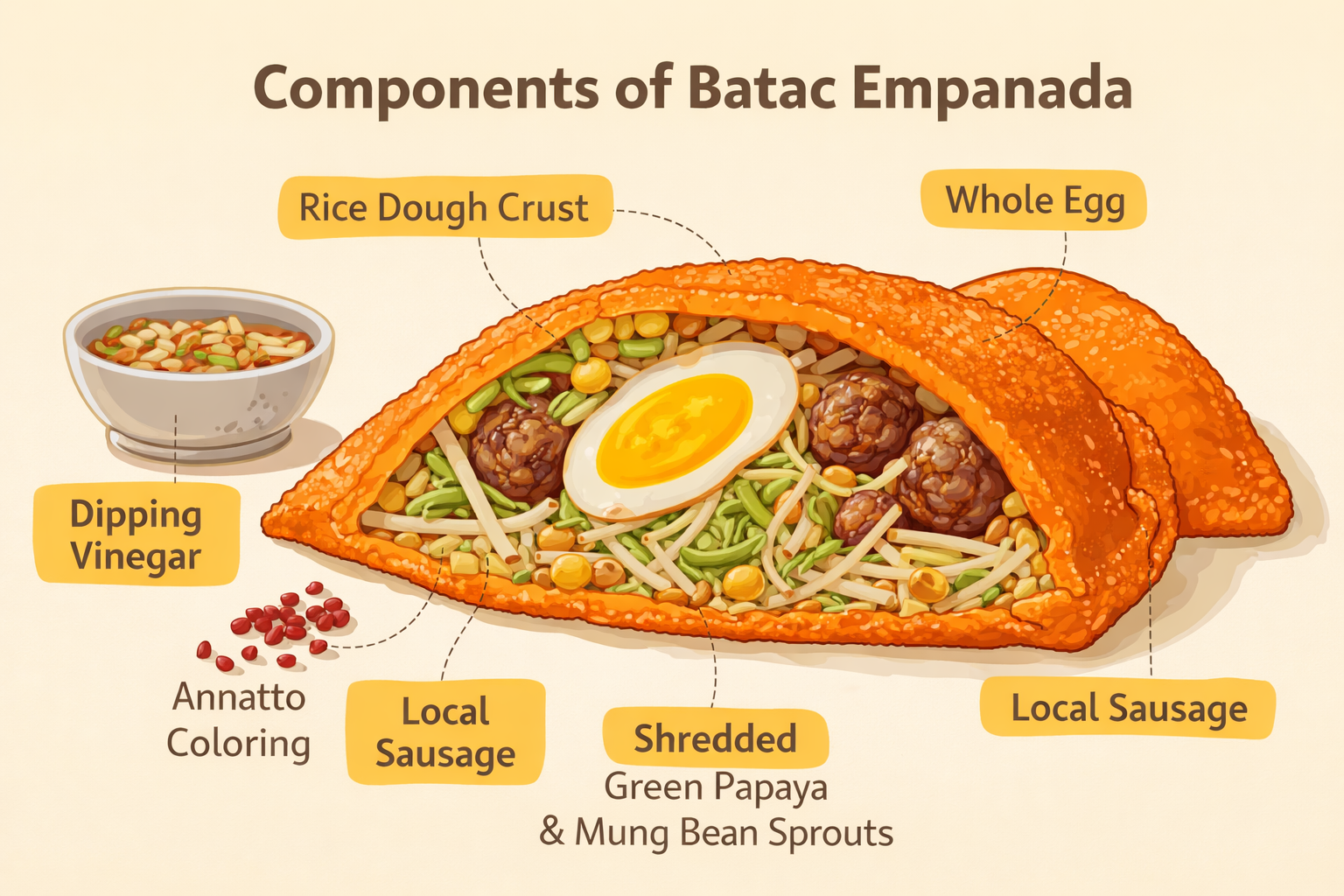
Illustration of Batac empanada components and structure
Disclaimer
This article is for general informational and educational purposes only. It does not constitute professional medical, nutrition, or dietary advice. References to diets, foods, or supplements do not imply endorsement or guarantee of health outcomes. Readers are encouraged to consult licensed nutritionists, dietitians, or medical professionals for personalized guidance.