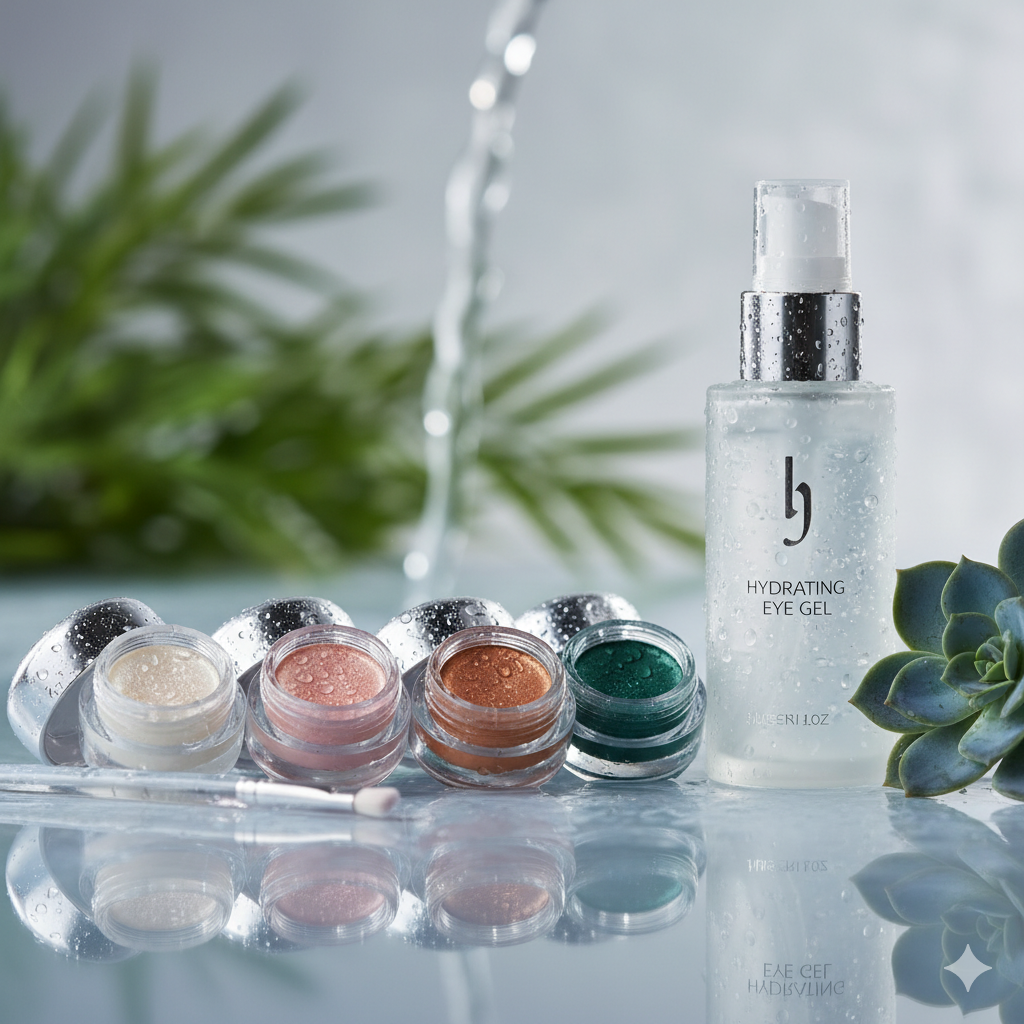
Understanding Dewy Eye Shadows and Hydrating Eye Gel: An Educational Overview
A neutral explanation of cosmetic textures and moisturizing products commonly used around the eye area.
Eye-area cosmetic and skincare products often use different textures and formulations to achieve specific visual effects or support skin hydration. Two commonly discussed categories are dewy eye shadows and hydrating eye gels. This article explains what these products are, how they are typically formulated, and basic considerations for safe use around the eye area. Information is presented for general understanding within consumer protection and health awareness frameworks recognized by agencies such as the Department of Health Philippines and the Food and Drug Administration Philippines.
Dewy Eye Shadows: Definition and Typical Characteristics
Dewy eye shadows are cosmetic products designed to produce a moist or reflective finish on the eyelids. The term “dewy” generally refers to a surface appearance that reflects light and creates a soft sheen.
Typical characteristics include:
- Texture: Cream, balm, liquid, or glossy formulations are common.
- Finish: Reflective or luminous rather than matte.
- Ingredients: Many formulations contain emollients such as plant oils, waxes, or silicone-based compounds to create a smooth texture.
- Application format: Often applied using fingertips, brushes, or applicator wands.
Because the eyelid skin is thin and sensitive, cosmetics intended for the eye area are typically formulated to reduce irritation risks. Consumers may review product labeling to confirm that the formulation is indicated for use near the eyes.
Hydrating Eye Gel: Definition and Typical Purpose
Hydrating eye gels are skincare products formulated to add moisture to the skin around the eyes. They commonly use water-based gel textures designed for quick absorption.
Common formulation elements may include:
- Humectants: Ingredients that attract moisture to the skin, such as glycerin.
- Water-based gel carriers: Provide a lightweight texture.
- Soothing agents: Some products include botanical extracts or similar components intended to support skin comfort.
Eye gels are generally applied to the area around the orbital bone rather than directly inside the eye. Product labels and manufacturer instructions often describe recommended usage areas.
Basic Considerations for Eye-Area Products
Products used around the eyes require careful handling due to the sensitivity of the surrounding tissues.
Common consumer safety considerations include:
- Hygiene: Clean hands or applicators may help reduce contamination.
- Patch testing: Some individuals test products on a small skin area before wider use.
- Expiration awareness: Cosmetic products may degrade over time, which can increase irritation risk.
- Avoid direct eye contact: Most cosmetic labels advise preventing the product from entering the eye.
If irritation, redness, or discomfort occurs, discontinuing use and seeking professional evaluation may be appropriate.
Context: Cosmetic and Consumer Safety
Cosmetic products sold in the Philippines are generally subject to regulatory oversight related to safety, labeling, and consumer protection. Agencies such as the Food and Drug Administration Philippines monitor compliance with national health standards, while consumer protection principles are outlined under the Consumer Act of the Philippines (RA 7394).
In dermatology and cosmetic science literature, products designed for the eye area are often evaluated for factors such as ingredient compatibility, microbiological safety, and skin tolerance.
FAQ
What is a dewy eye shadow?
A dewy eye shadow is a cosmetic formulation designed to create a light-reflective finish on the eyelids. It typically uses cream, liquid, or balm textures that produce a glossy or luminous appearance.
What is a hydrating eye gel?
A hydrating eye gel is a skincare product formulated to add moisture to the skin around the eyes. It usually has a lightweight gel texture and may contain humectants that help retain water in the skin.
Are eye-area cosmetics different from regular facial cosmetics?
Many products intended for the eye area are formulated to account for the sensitivity of the eyelids and surrounding skin. Labels often indicate whether the product is suitable for use near the eyes.
Trusted Sources
- Department of Health Philippines — Public health information
- Food and Drug Administration Philippines — Cosmetic product safety guidance
- American Academy of Ophthalmology — Eye health education resources
- Peer-reviewed dermatology and ophthalmology journals on cosmetic safety
Disclaimer
This article is for general informational and educational purposes only. It does not constitute professional medical, ophthalmological, or consumer purchasing advice. References to procedures, products, or clinics do not imply endorsement or guarantee of results. Readers are encouraged to consult licensed eye care professionals and verified resources for vision health decisions.
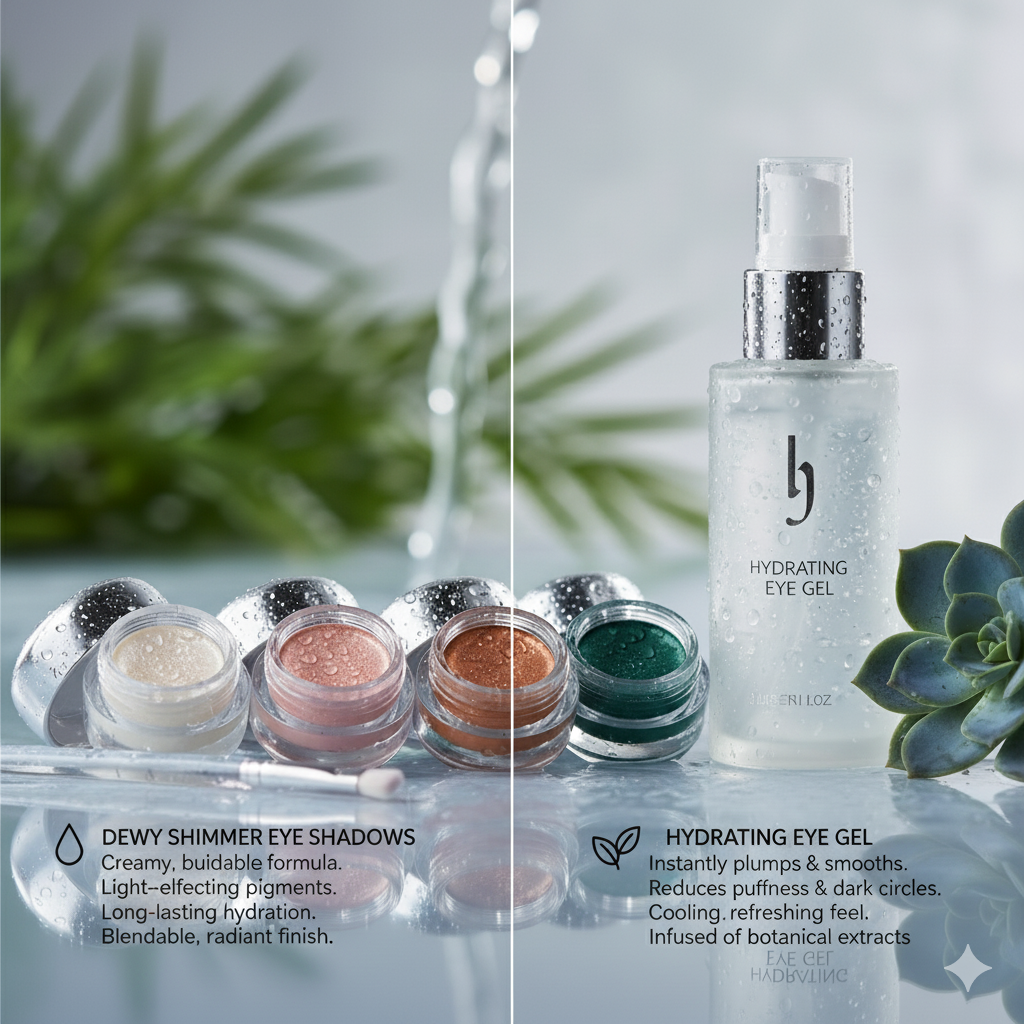
Illustrated comparison of cosmetic eye shadow textures and gel-based formulations used in eye-area products.