Understanding Dental Cleanliness and Cosmetic Dental Practices: An Educational Overview
A neutral introduction to oral hygiene routines and commonly discussed cosmetic dental procedures.
Dental cleanliness refers to routine practices that aim to maintain oral hygiene and reduce the accumulation of plaque and debris on teeth and gums. Cosmetic dental practices generally describe dental procedures that focus on the visual appearance of teeth and gums. This article provides a neutral educational overview of oral hygiene habits, common dental cleaning approaches, and examples of cosmetic dental procedures as discussed in dental literature and public health guidance. In the Philippines, oral health information is commonly supported by guidance from institutions such as the Department of Health and professional dental organizations.
Dental Cleanliness and Oral Hygiene
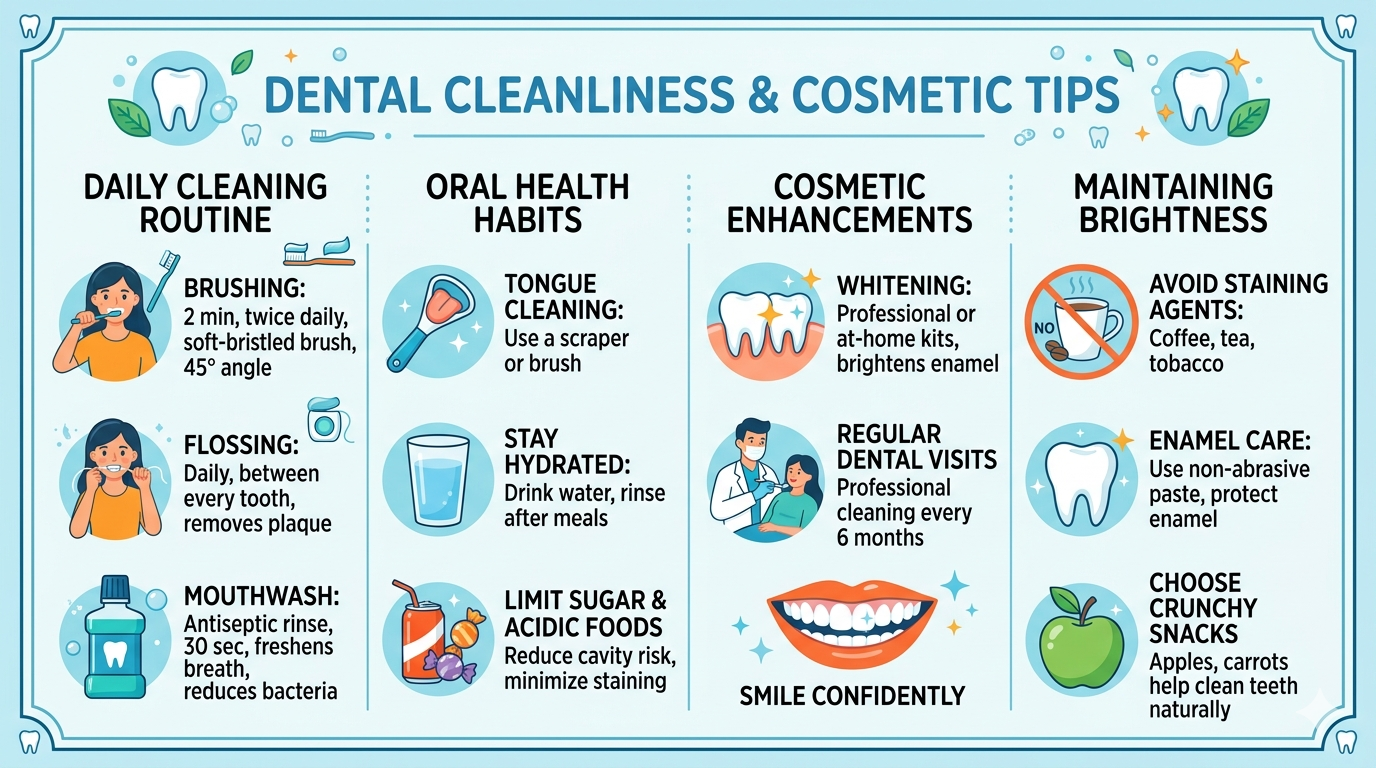
Dental cleanliness typically involves daily hygiene practices and periodic professional dental care. Oral hygiene routines are intended to reduce the presence of food particles, bacteria, and plaque on tooth surfaces and along the gum line.
Common components of oral hygiene routines may include:
- Toothbrushing: Cleaning teeth with a toothbrush and toothpaste to remove plaque and debris from tooth surfaces.
- Interdental cleaning: Use of dental floss or similar tools to remove particles between teeth.
- Mouth rinsing: Some individuals use oral rinses as part of a hygiene routine.
- Professional dental cleaning: Dental practitioners may perform procedures such as scaling or prophylaxis to remove hardened deposits from teeth.
These practices are often described in preventive dental care literature as part of general oral health maintenance.
Overview of Cosmetic Dental Procedures
Cosmetic dentistry refers to procedures that address the appearance of teeth, gums, or bite alignment. Dental literature describes several types of cosmetic procedures that may be discussed in dental clinics. Availability and suitability may vary depending on individual dental conditions.
Examples commonly referenced include:
- Teeth whitening procedures: Methods designed to lighten the color of teeth using chemical agents or specialized dental products.
- Dental veneers: Thin coverings placed on the front surface of teeth to alter visible tooth characteristics.
- Dental bonding: A resin material applied to a tooth surface for structural or aesthetic modification.
- Orthodontic treatments: Systems such as braces or aligners that gradually reposition teeth.
Dentists typically evaluate dental structure, gum condition, and oral health status before discussing whether certain procedures are appropriate for a specific case.
Hypothetical Case Example
In dental education materials, hypothetical examples are sometimes used to illustrate how different oral care approaches may be considered.
For instance, a person may visit a dental clinic for routine examination and cleaning. During the consultation, the dental practitioner might document plaque buildup, gum condition, and tooth alignment. Based on these findings, the practitioner may explain various oral hygiene practices and describe possible dental procedures that are available for certain concerns. The final decision regarding treatment is typically made through consultation between the patient and a licensed dental professional.
Context and Background
In dental research and professional practice, preventive oral care is often emphasized as part of general health maintenance. Oral hygiene practices have been studied for their role in reducing plaque accumulation and supporting gum health.
Consumer protection standards and medical advertising regulations in many jurisdictions, including the Philippines, encourage dental information to avoid exaggerated claims about cosmetic results or guaranteed outcomes. Educational resources therefore often focus on describing procedures, their purposes, and their general processes without promising specific aesthetic results.
FAQ
What is preventive dental care?
Preventive dental care refers to oral hygiene practices and professional dental services intended to help maintain teeth and gum health. Examples include toothbrushing, interdental cleaning, routine dental examinations, and professional cleaning.
What is dental prophylaxis?
Dental prophylaxis is a professional cleaning procedure performed by dental practitioners. It involves removing plaque, stains, and hardened deposits from tooth surfaces.
What tools are commonly used for oral hygiene?
Common oral hygiene tools include toothbrushes, dental floss, interdental brushes, and oral rinses. These tools are designed to help remove debris and plaque from teeth and surrounding areas.
Trusted Sources
- Department of Health (Philippines) – Oral Health Programs
- World Health Organization (WHO) – Oral Health Resources
- International Association for Dental Research (IADR)
- American Dental Association – Oral Health Education Materials
- Peer-reviewed journals in dental research and preventive dentistry
Disclaimer
This article is for general informational and educational purposes only. It does not constitute professional medical, dental, or consumer purchasing advice. References to procedures, products, or clinics do not imply endorsement or guarantee of results. Readers are encouraged to consult licensed dental professionals and verified resources for oral health decisions.
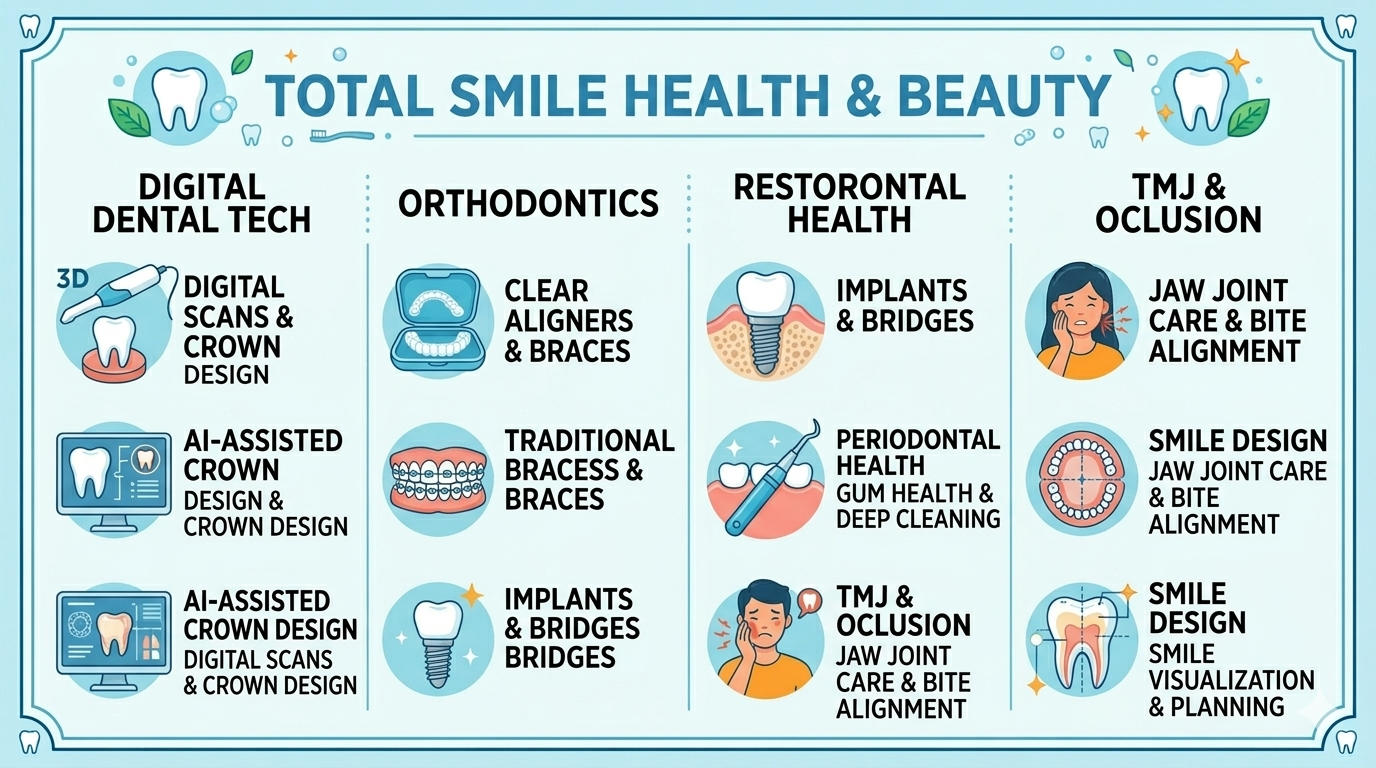
Infographic displaying tooth structure, oral hygiene tools, and cosmetic dental procedure illustrations.