Crocodile Sisig: Educational Overview of a Tourist-Famous Filipino Dish
A neutral examination of crocodile meat as a food source, its nutritional considerations, and safe consumption practices.
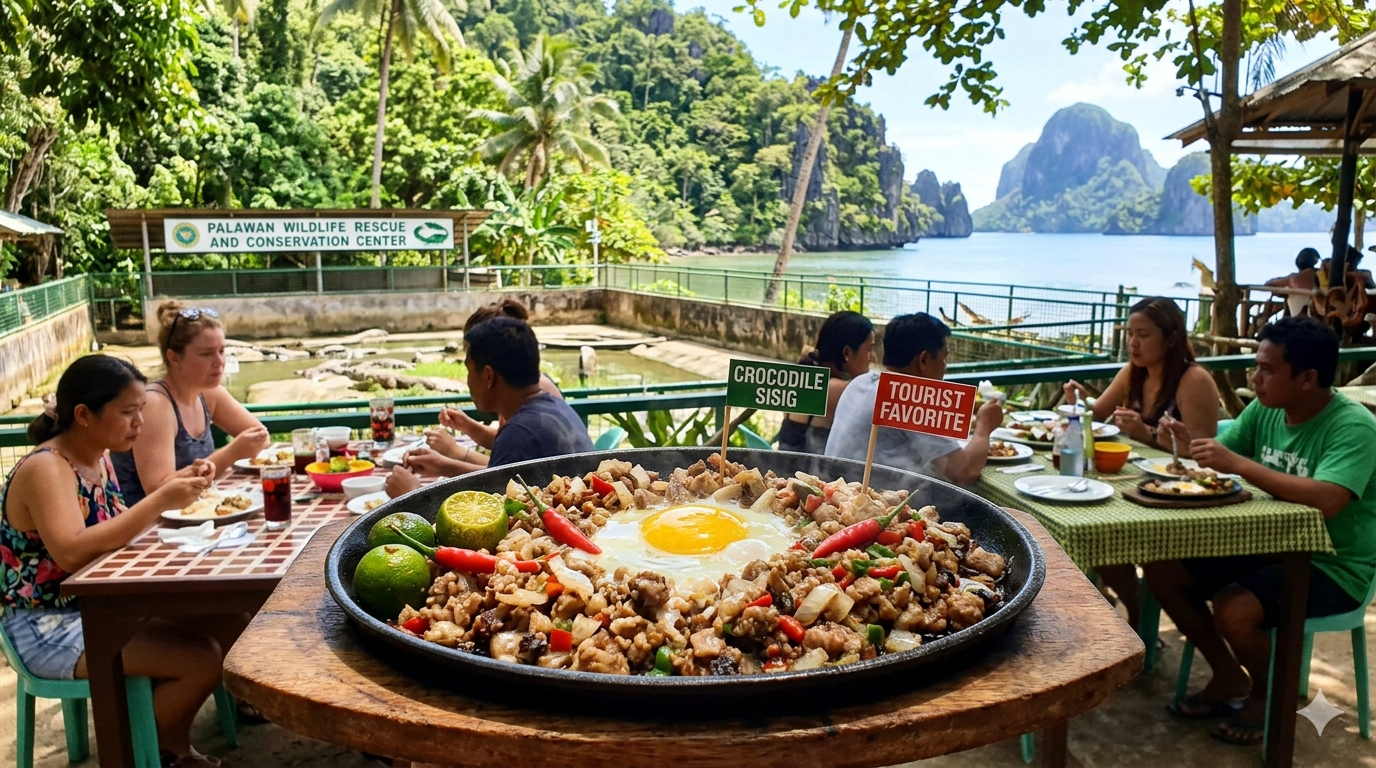
Crocodile sisig has gained attention in tourist-focused food spots in the Philippines. This article provides a neutral educational overview of crocodile meat, its nutritional characteristics, and considerations for safe consumption. References are aligned with Philippine Department of Health (DOH) and Food and Drug Administration (FDA Philippines) guidelines. Readers will learn about the nutrient content of crocodile meat, safe preparation practices, and general dietary awareness.
Crocodile Meat in Filipino Cuisine
Crocodile meat is considered a “novel protein” in the Philippines and is sometimes prepared similarly to traditional pork sisig. The meat is lean and contains protein, vitamins, and minerals, though nutrient composition can differ from more commonly consumed meats.
Nutritional Overview (Approximate Values)
| Nutrient | Crocodile Meat (per 100g, raw) | Notes |
|---|---|---|
| Protein | 20–22 g | Supports general dietary protein needs |
| Fat | 2–3 g | Low in total fat compared to pork |
| Cholesterol | 65–75 mg | Intake should follow standard dietary guidance |
| Minerals | Iron, phosphorus, potassium | Contributes to daily nutrient intake |
Important: Values can vary by species, cut, and preparation method.
Safe Preparation Practices
- Cook crocodile meat thoroughly to avoid foodborne illness.
- Handle raw meat using separate utensils and surfaces to prevent cross-contamination.
- Follow FDA and DOH food safety guidelines, including proper storage and temperature control.
Hypothetical Meal Consideration
A hypothetical meal including crocodile sisig could be balanced with:
- A side of steamed vegetables or fresh salad (fiber, vitamins)
- A small serving of rice or root crops (complex carbohydrates)
- Water or unsweetened beverages for hydration
This example is for illustrative purposes only and does not imply health or weight outcomes.
Context Section
In nutrition science studies, novel proteins like crocodile meat are evaluated similarly to traditional meats in terms of macronutrient composition and digestibility. Under Philippine consumer protection and labeling standards, crocodile meat products must meet safety, freshness, and hygiene requirements set by the FDA and LGUs. Dietary outcomes vary individually, and consumption of novel proteins should be part of a varied diet. Licensed nutrition or medical professionals can provide personalized guidance for integrating such foods safely.
FAQ
What is crocodile meat?
Crocodile meat is the flesh obtained from crocodiles, used as food in certain regions of the Philippines. It is considered a lean protein source.
Is crocodile meat nutritious?
Crocodile meat provides protein, minerals, and low fat content compared to some meats. Nutrient composition varies depending on the cut and preparation.
How should crocodile sisig be consumed safely?
Crocodile meat should be thoroughly cooked, handled hygienically, and consumed as part of a balanced diet. These practices help minimize the risk of foodborne illness.
Trusted Sources
- Department of Health Philippines – Food Safety Guidelines
- FDA Philippines – Meat and Novel Protein Regulations
- Food Science and Nutrition Journals (peer-reviewed studies on crocodile meat composition)
- Academic sources on lean and exotic proteins
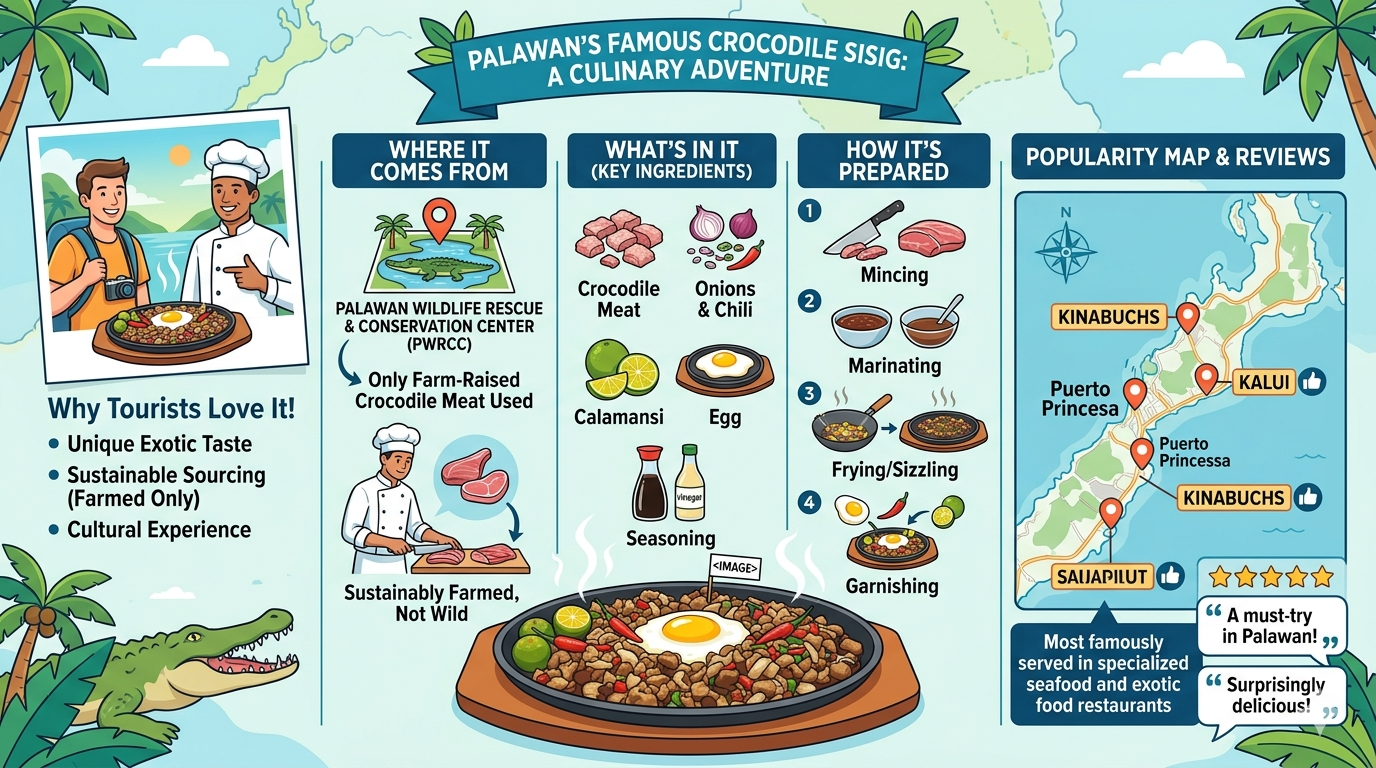
Illustration of crocodile sisig components and nutrient distribution.
Mandatory Disclaimer
This article is for general informational and educational purposes only. It does not constitute professional medical, nutrition, or dietary advice. References to crocodile meat or dishes do not imply endorsement or guarantee of health outcomes. Readers are encouraged to consult licensed nutritionists, dietitians, or medical professionals for personalized guidance.