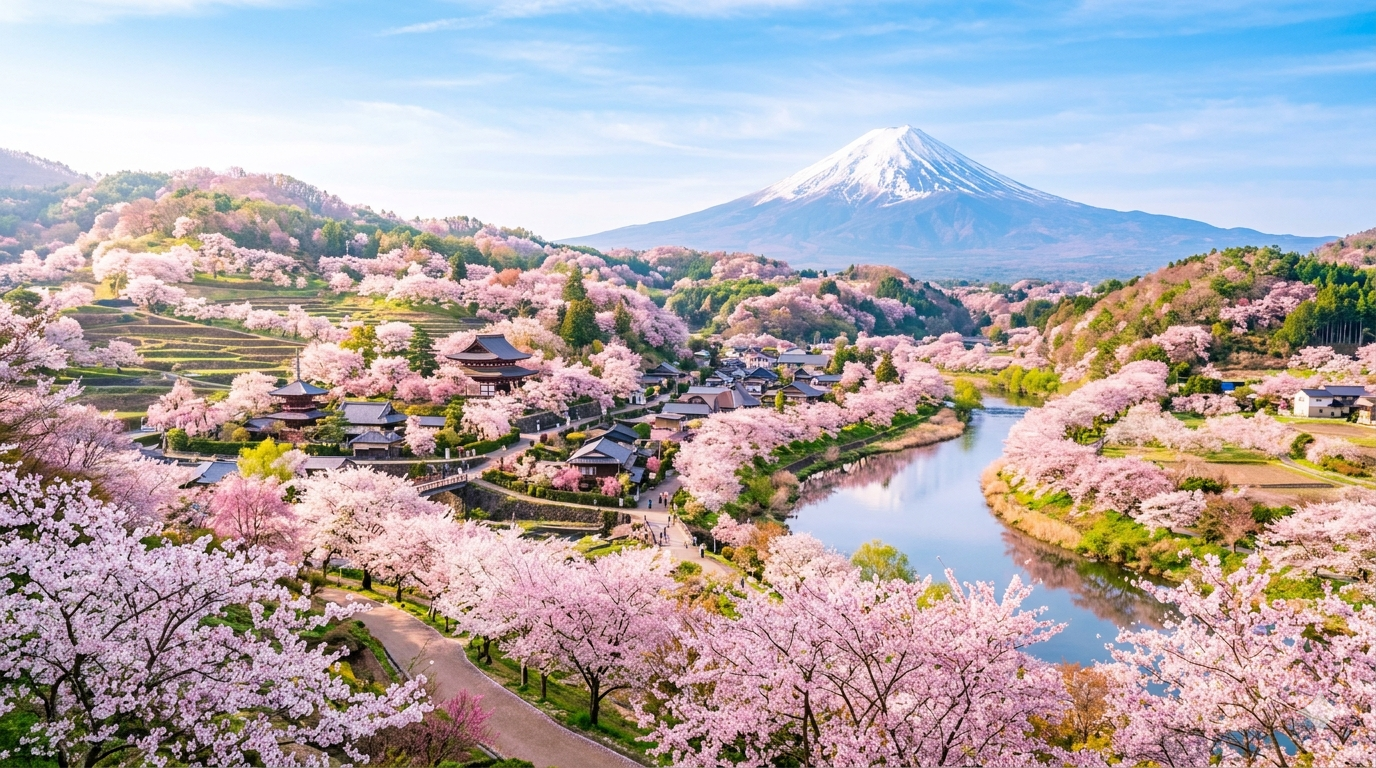
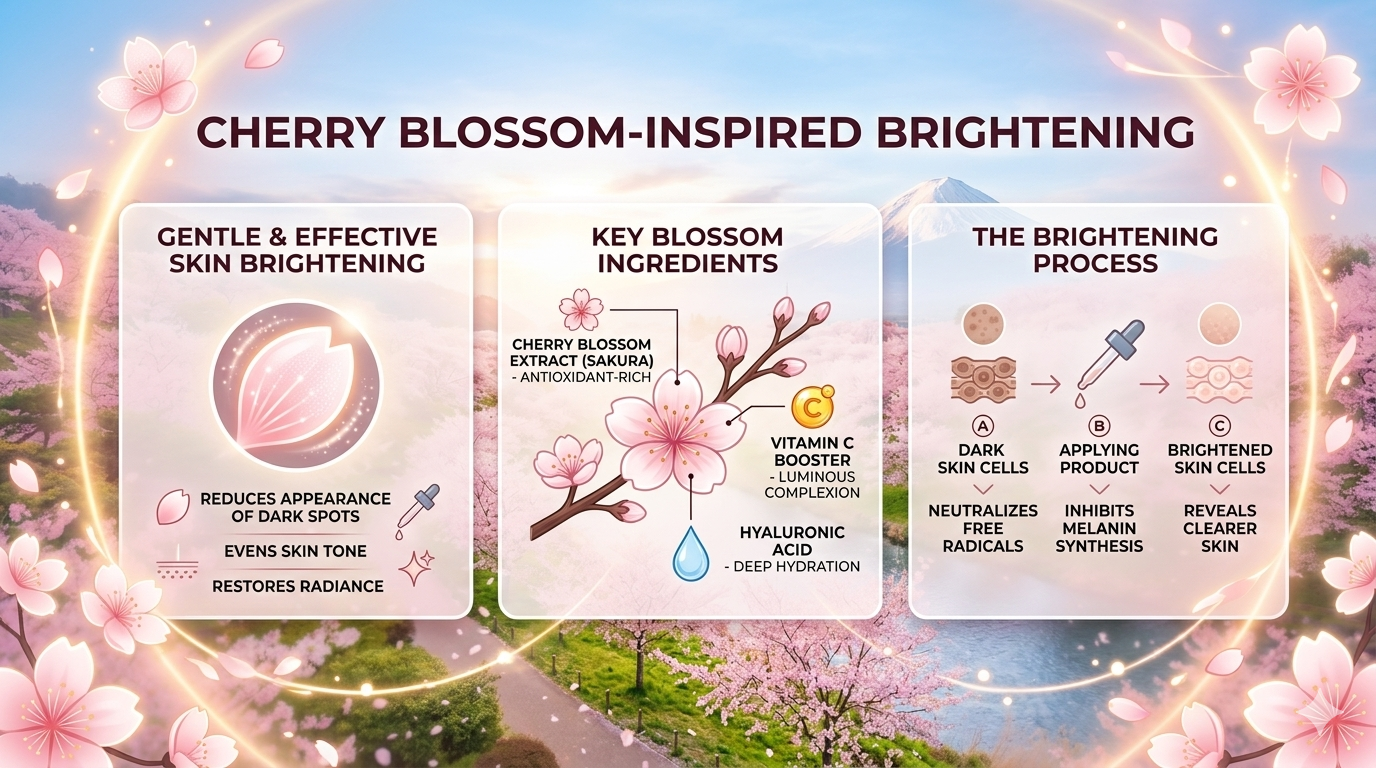
Visual layout of cherry blossom inspired cosmetic design components
Cherry Blossom–Inspired Brightening: Educational Overview of Botanical Skin Care Concepts
An informational explanation of how botanical themes such as cherry blossom are referenced in cosmetic formulations.
Cherry blossom serves as a botanical reference in some cosmetic and skin care formulations. Product descriptions commonly use the term to describe extracts derived from blossoms of trees in the Prunus genus. Educational discussions focus on the general properties of these ingredients, their historical role in cosmetic traditions, and the ways formulators incorporate botanical extracts into topical products. In the Philippines, agencies such as the Department of Health (DOH) and the Food and Drug Administration (FDA Philippines) regulate cosmetic products and ingredients distributed in the market.
This article explains the term “cherry blossom–inspired brightening” in a neutral manner, including how skin care brands use the concept and what consumers can learn about botanical extracts in cosmetics.
Botanical Background of Cherry Blossom
Cherry blossoms are the flowers of certain tree species within the Prunus genus. These trees include ornamental flowering varieties known for their seasonal blooms in various regions of the world.
In cosmetic science, manufacturers sometimes include plant-derived extracts in formulations. They obtain these extracts through processes such as water extraction, solvent extraction, or infusion. These processes can yield ingredients containing compounds like flavonoids and phenolic substances, which researchers study in botanical and cosmetic science.
The concentration and composition of these compounds vary depending on the extraction method and the source plant material.
Use of Botanical Extracts in Cosmetic Formulations
Cosmetic formulators combine plant-derived ingredients with components such as humectants, emollients, preservatives, and stabilizers. They may include botanical extracts for several purposes, including:
- Supporting the formulation’s texture or sensory qualities
- Adding plant-derived compounds studied in cosmetic science
- Providing fragrance or reinforcing a botanical theme
Manufacturers list ingredients on cosmetic packaging using standardized naming systems such as the International Nomenclature of Cosmetic Ingredients (INCI). This system helps consumers identify plant-based components in products.
Understanding the Term “Brightening” in Cosmetic Context
In cosmetic labeling, companies use the term “brightening” to describe products that aim to affect the appearance of skin tone or surface clarity. In consumer education, experts often explain that this term relates to visual changes rather than permanent structural effects on the skin.
Cosmetic science literature links the appearance of brightness to factors such as:
- Hydration of the outer skin layer
- Light reflection from the skin surface
- Removal of surface debris through cleansing or exfoliation
Manufacturers and consumers may interpret cosmetic terminology differently. For this reason, regulatory bodies emphasize clear labeling and ingredient transparency to protect consumers.
Hypothetical Example for Context
Consider a hypothetical cosmetic formulation that includes cherry blossom extract along with moisturizing agents and stabilizers. In this case, the botanical extract contributes to the product’s identity or formulation profile, while other ingredients provide hydration or influence texture.
This example shows how formulators typically combine botanical themes with multiple components rather than relying on a single ingredient as the primary functional factor.
Context: Consumer Awareness and Ingredient Transparency
Consumer protection frameworks highlight the importance of accurate labeling and responsible marketing in cosmetics. In the Philippines, manufacturers and distributors must follow regulations on product notification, ingredient disclosure, and labeling practices.
Educational resources in dermatology and cosmetic science encourage consumers to:
- Review ingredient lists carefully
- Understand labeling terminology
- Seek professional guidance when evaluating products or addressing skin concerns
Frequently Asked Questions
What is cherry blossom extract in cosmetics?
Cherry blossom extract is a plant-derived ingredient obtained from blossoms of certain Prunus species. It appears in ingredient lists under standardized names.
What does “brightening” mean in cosmetic descriptions?
In cosmetics, “brightening” refers to improvements in the skin’s visual appearance, such as enhanced clarity or light reflection.
Do skin care products commonly include botanical ingredients?
Yes. Many formulations include plant-derived extracts alongside other ingredients to contribute to composition, fragrance, or product identity.
Trusted Sources
- Philippine Department of Health (DOH) public health advisories
- Food and Drug Administration Philippines (FDA) cosmetic regulatory guidance
- International Journal of Cosmetic Science
- American Academy of Dermatology educational resources
- Cosmetic Ingredient Review (CIR) safety assessments
Disclaimer
This article provides general educational information only. It does not offer medical, dermatological, or purchasing advice. It does not imply endorsement or guarantee results for any products, routines, or treatments. Readers should consult licensed dermatologists or qualified professionals for personalized guidance.