by Ramil Villar | Mar 29, 2026 | Food & Nutrition Basics
Chao Long: A Neutral Overview of Nutritional Aspects and Dietary Considerations
An educational look at the ingredients, macronutrient content, and consumer considerations of Chao Long.
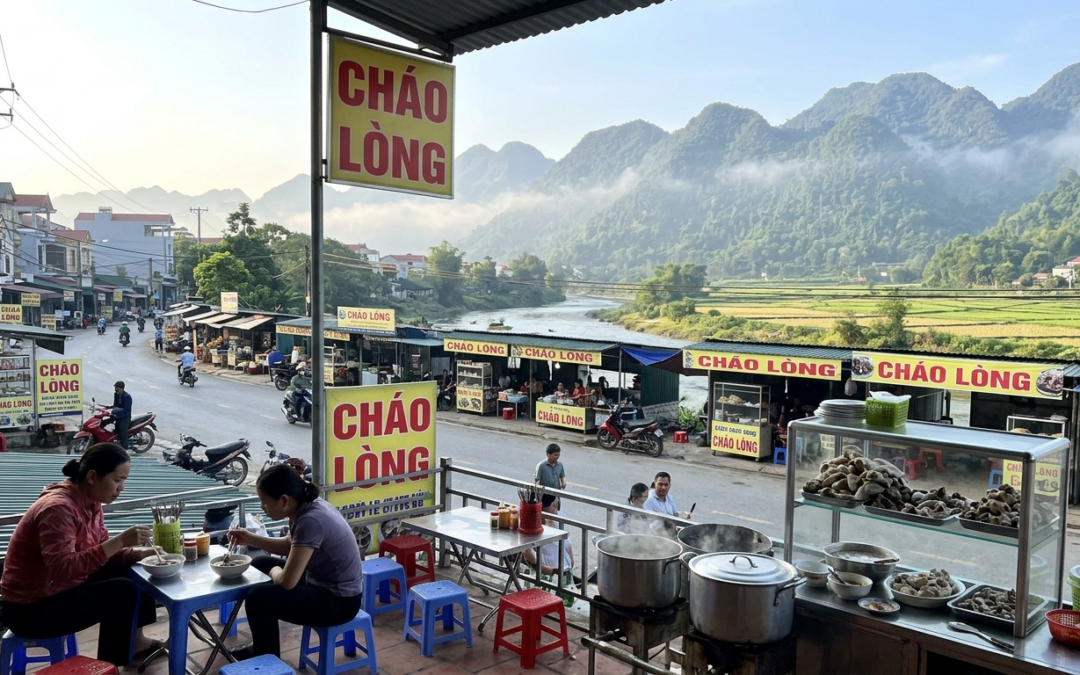
Chao Long is a Vietnamese noodle soup made with rice noodles, lean meats, vegetables, and herbs. In this article, we provide an informational overview of the common ingredients, their nutritional roles, and considerations for safe and balanced meal planning. This discussion aligns with Philippine food safety and consumer protection standards, referencing DOH and FDA guidelines where relevant.
Typical Ingredients and Nutritional Components
- Rice noodles: Source of carbohydrates and energy. They are low in fat but provide limited fiber unless paired with vegetables.
- Lean pork or beef: Supplies protein and essential amino acids. Protein is important for tissue maintenance and satiety.
- Organ meats (optional): Rich in micronutrients such as iron, zinc, and vitamin A. Organ meats are nutrient-dense but should be consumed in moderation.
- Vegetables and herbs (bean sprouts, basil, cilantro): Provide dietary fiber, vitamins, minerals, and antioxidants.
- Broth: Primarily water-based, often simmered with meat and bones, contributing flavor, electrolytes, and trace minerals. Sodium content can vary depending on preparation.
Hypothetical Nutrient Breakdown (per 1 serving, illustrative only)
| Nutrient |
Approximate Content |
| Calories |
250–350 kcal |
| Carbohydrates |
40–50 g |
| Protein |
15–20 g |
| Fat |
5–10 g |
| Fiber |
2–4 g |
| Sodium |
500–800 mg (variable) |
Safe Consumption Considerations
- Portion awareness: Typical servings can be high in sodium if broth is salted. Individuals monitoring sodium intake may consider reducing added salt or consuming broth in moderation.
- Balanced pairing: Including vegetables or a side salad can increase fiber and micronutrient intake.
- Food safety: Ensure meats and organ meats are properly cooked. Follow local DOH and FDA guidance on food handling and storage.
Neutral Background
In nutrition science studies, mixed meals like Chao Long provide both macronutrients (carbs, protein, fat) and micronutrients (vitamins and minerals) depending on ingredient composition. Dietary results vary individually, and nutrient needs differ based on age, activity level, and health status. Under Philippine consumer protection and labeling standards, it is important to verify ingredient sources, avoid cross-contamination, and ensure proper preparation techniques.
FAQ
What is Chao Long?
Chao Long is a Vietnamese rice noodle soup typically served with meat, organ meat, herbs, and vegetables in a clear broth.
What nutrients does Chao Long provide?
Depending on the recipe, it can provide carbohydrates from rice noodles, protein from meats, vitamins, and minerals from vegetables and organ meats.
How can one consider portion control for noodle soups?
Portion control can be guided by the amount of noodles and broth consumed, noting sodium and calorie content. Individual nutritional needs differ.
Trusted Sources
- Department of Health (DOH) Philippines — Nutrition and Food Safety Advisories
- Food and Drug Administration (FDA Philippines) — Safe Food Handling Guidelines
- Peer-reviewed journal: Nutrition Reviews — Macros and micronutrient content of mixed meals
- FAO/WHO Food Composition Tables
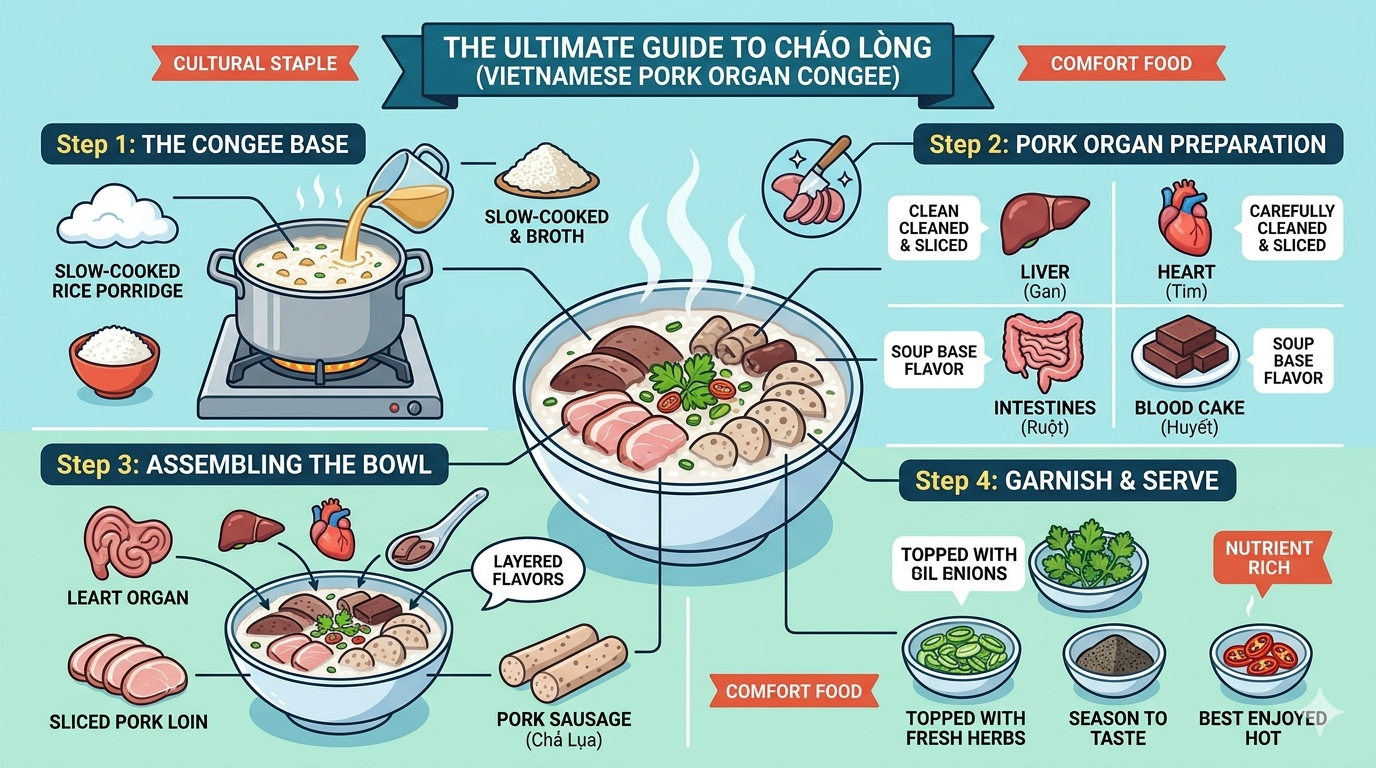
Infographic depicting the components and nutrient breakdown of Chao Long.
Disclaimer
This article is for general informational and educational purposes only. It does not constitute professional medical, nutrition, or dietary advice. References to foods or ingredients do not imply endorsement or guarantee of health outcomes. Readers are encouraged to consult licensed nutritionists, dietitians, or medical professionals for personalized guidance.
by Ramil Villar | Mar 29, 2026 | Food & Nutrition Basics
Tamilok (Woodworm) as a Food: Educational Overview
A neutral look at tamilok, its nutritional considerations, and safe consumption practices in the Philippines.
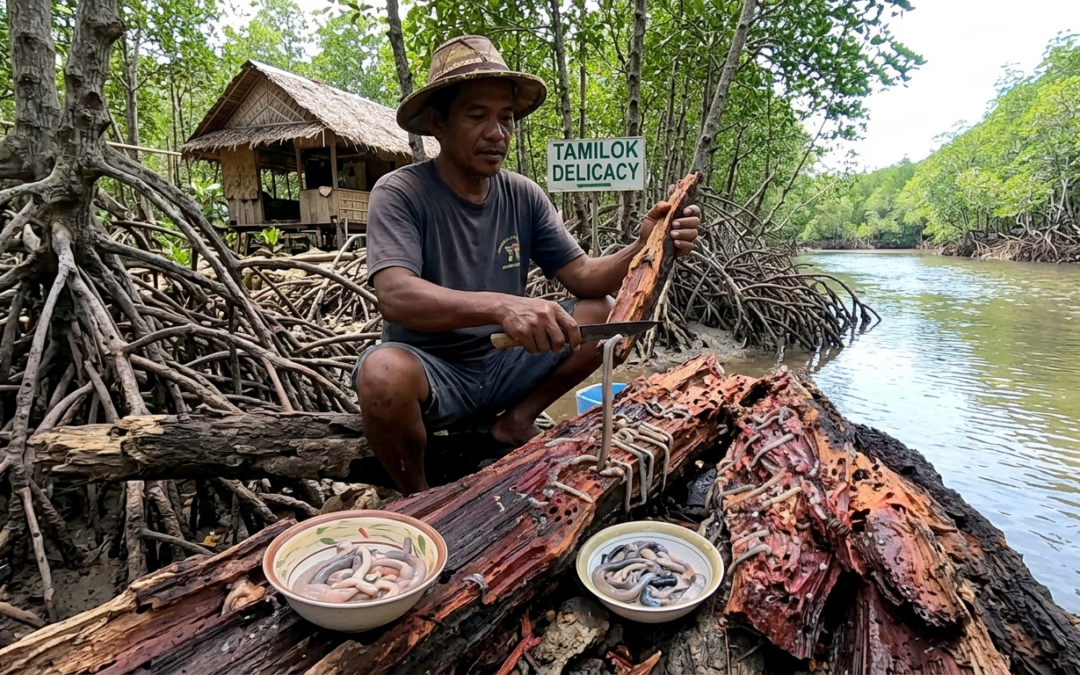
Tamilok, also known as woodworm, is a marine bivalve commonly consumed in some coastal regions of the Philippines. This article provides a factual overview of tamilok, including its nutritional profile, safe consumption practices, and relevant regulatory context under the Department of Health (DOH), Food and Drug Administration (FDA Philippines), and local food safety standards. Readers will learn about its food safety considerations, dietary nutrients, and neutral insights on consumption without claims of health benefits or weight effects.
Nutritional Profile
Tamilok is a source of protein, minerals, and certain micronutrients typical of marine invertebrates. Nutritional content may vary depending on habitat, preparation, and portion size. Common nutrients include:
- Protein – contributes to overall dietary protein intake.
- Minerals – may contain iron, zinc, and magnesium in variable amounts.
- Fat – generally low in total fat but may contain polyunsaturated fatty acids.
Tamilok is not a standardized food in official nutrient databases; values are approximate and vary by source.
Food Safety and Handling
Under Philippine food safety standards:
- Tamilok should be sourced from clean, non-polluted waters.
- Proper washing and cooking are essential to reduce microbial contamination.
- Raw consumption, common in some local practices, may increase risk of foodborne illness.
FDA Philippines and LGU guidelines recommend that shellfish and marine invertebrates be handled with care, particularly in areas prone to water pollution.
Preparation Practices
Traditional preparation methods often include:
- Marination in vinegar or citrus-based liquids.
- Consumption raw with condiments (requires caution).
- Cooking methods such as boiling or grilling to reduce microbial load.
Safe food practices are critical for preventing gastrointestinal infections or other adverse effects.
Hypothetical Meal Example
A neutral, illustrative serving might include:
- 50 grams of cooked tamilok
- Accompanied by a small portion of vegetables and rice for balanced macronutrients
- Served as part of a mixed seafood appetizer (no claims on calorie or protein targets)
Context Section
In nutrition science studies, shellfish and marine invertebrates are recognized as nutrient sources but must be evaluated for microbial contamination, heavy metals, or environmental pollutants. Under consumer protection and labeling standards, seafood should be sourced from licensed suppliers and stored according to DOH and FDA guidelines.
Dietary results vary individually. For personalized advice, licensed nutritionists, dietitians, or medical professionals should be consulted.
FAQ
What is tamilok?
Tamilok is a type of woodworm, a marine invertebrate consumed in some coastal regions of the Philippines.
Is tamilok safe to eat raw?
Raw consumption carries potential food safety risks. Proper sourcing, handling, and preparation are important to reduce contamination.
What nutrients does tamilok contain?
Tamilok may provide protein, minerals such as iron and zinc, and low levels of fat. Exact content varies by source and preparation.
Trusted Sources
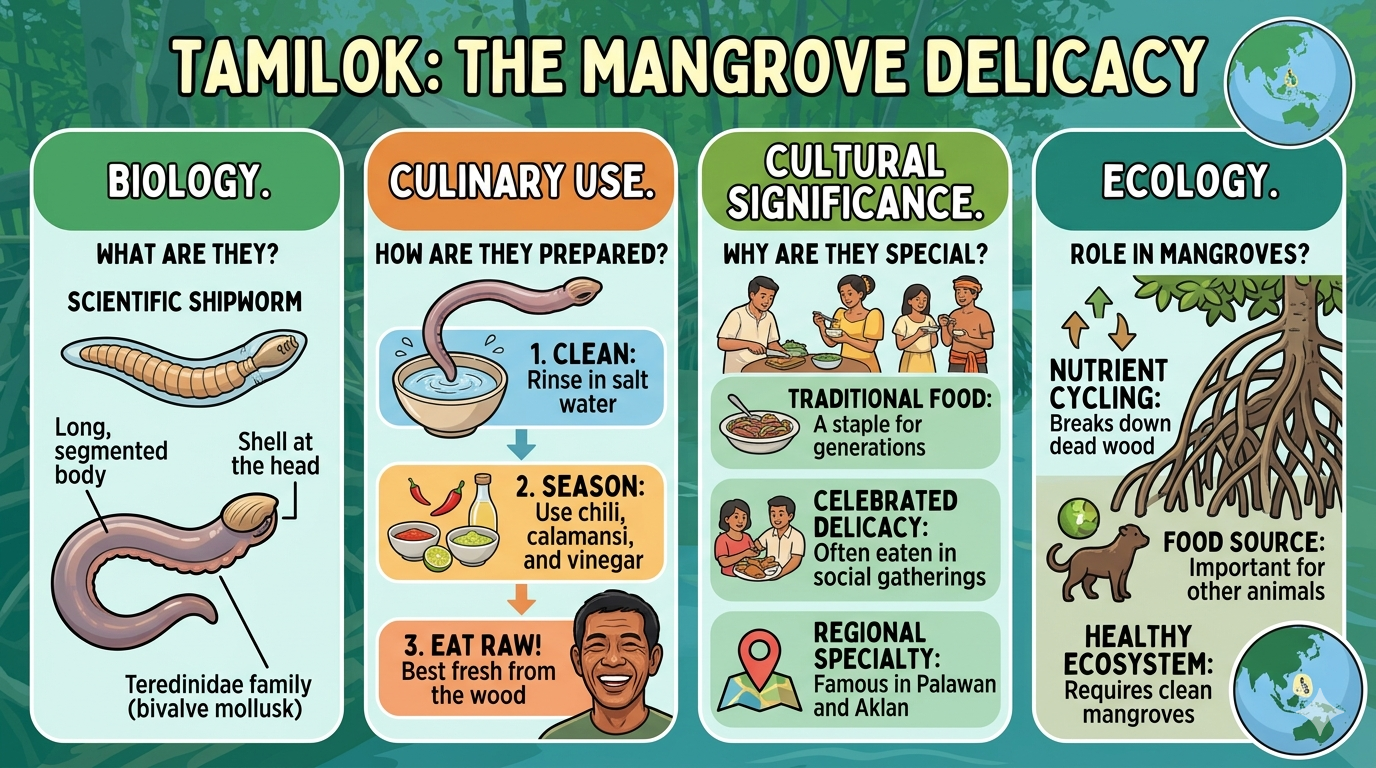
Infographic illustrating tamilok woodworm, culinary handling, and visual presentation
Disclaimer
This article is for general informational and educational purposes only. It does not constitute professional medical, nutrition, or dietary advice. References to foods or preparation practices do not imply endorsement or guarantee of health outcomes. Readers are encouraged to consult licensed nutritionists, dietitians, or medical professionals for personalized guidance.
by Ramil Villar | Mar 28, 2026 | Food & Nutrition Basics
Bibingka Laguna Style: A Neutral Educational Overview
Understanding its ingredients, preparation, and nutritional context in the Philippines
This article provides an informational overview of Bibingka Laguna style, a traditional Filipino rice cake. It describes typical ingredients, preparation methods, and nutritional considerations. The discussion is aligned with DOH and FDA guidance for safe food handling and labeling. Readers will learn about its macronutrient and micronutrient components, as well as considerations for portioning and dietary balance.
What is Bibingka Laguna Style?
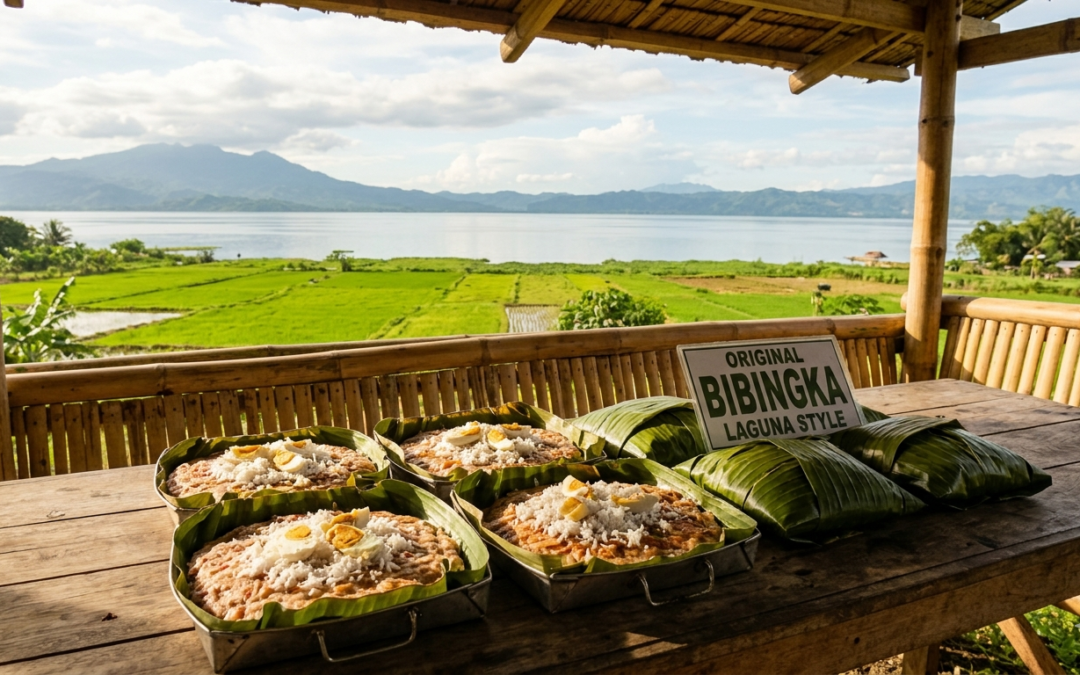
Bibingka Laguna style is a type of rice cake originating from the province of Laguna in the Philippines. It is typically made with rice flour, coconut milk, sugar, eggs, and a leavening agent. Traditional preparation often involves baking in banana leaves, which can add aroma and flavor without introducing synthetic additives.
Key Ingredients and Nutritional Notes
- Rice flour: Provides carbohydrates as the primary energy source.
- Coconut milk: Supplies fats, mainly medium-chain triglycerides, and some calories.
- Sugar: Contributes additional carbohydrates and energy.
- Eggs: Offer protein and micronutrients such as vitamin B12 and choline.
- Optional toppings: Cheese, salted eggs, or grated coconut add flavor and minor micronutrients.
Macronutrient Overview (Approximate per serving, 100 g):
- Carbohydrates: 25–30 g
- Protein: 2–4 g
- Fat: 4–6 g
- Fiber: 1–2 g
These values may vary depending on ingredient ratios and preparation methods.
Preparation and Safety Considerations
Under consumer safety standards, proper handling of eggs and dairy is important to reduce the risk of foodborne illness. Baking at appropriate temperatures ensures the rice cake is cooked throughout. Washing and sanitizing equipment and banana leaves can help maintain food hygiene in line with FDA Philippines recommendations.
Portioning and Dietary Context
Bibingka Laguna style is often consumed as a snack or during special occasions. Nutritionally, it can be considered an energy-dense food due to its carbohydrate and fat content. Including it occasionally as part of a varied diet aligns with neutral meal planning principles.
Context Section
In nutrition science studies, rice cakes such as Bibingka provide primarily carbohydrates and some protein and fat, depending on preparation. Dietary planning typically involves balancing energy intake with other macronutrient sources such as vegetables, fruits, and proteins. Individual nutritional needs vary, and consumption frequency should be considered in the context of overall dietary patterns.
Under Philippine consumer protection and labeling standards, packaged versions of Bibingka should include ingredient lists, allergens (e.g., eggs, dairy), and expiration dates. Consumers are encouraged to verify authenticity and handling practices when purchasing pre-made products.
Optional FAQ
What is Bibingka Laguna style?
It is a traditional rice cake from Laguna, Philippines, usually made with rice flour, coconut milk, eggs, sugar, and sometimes banana leaves.
What nutrients does it provide?
Bibingka primarily supplies carbohydrates and fats, with small amounts of protein and micronutrients from eggs and coconut milk.
Is it considered healthy?
As an energy-dense snack, it can be included in a balanced diet occasionally. Individual dietary needs vary, and portion control may help maintain overall nutrient balance.
Trusted Sources
- Department of Health Philippines – Food Safety Guidelines
- FDA Philippines – Food Labeling and Consumer Advisory
- Academic journals on Filipino rice-based foods and traditional snacks
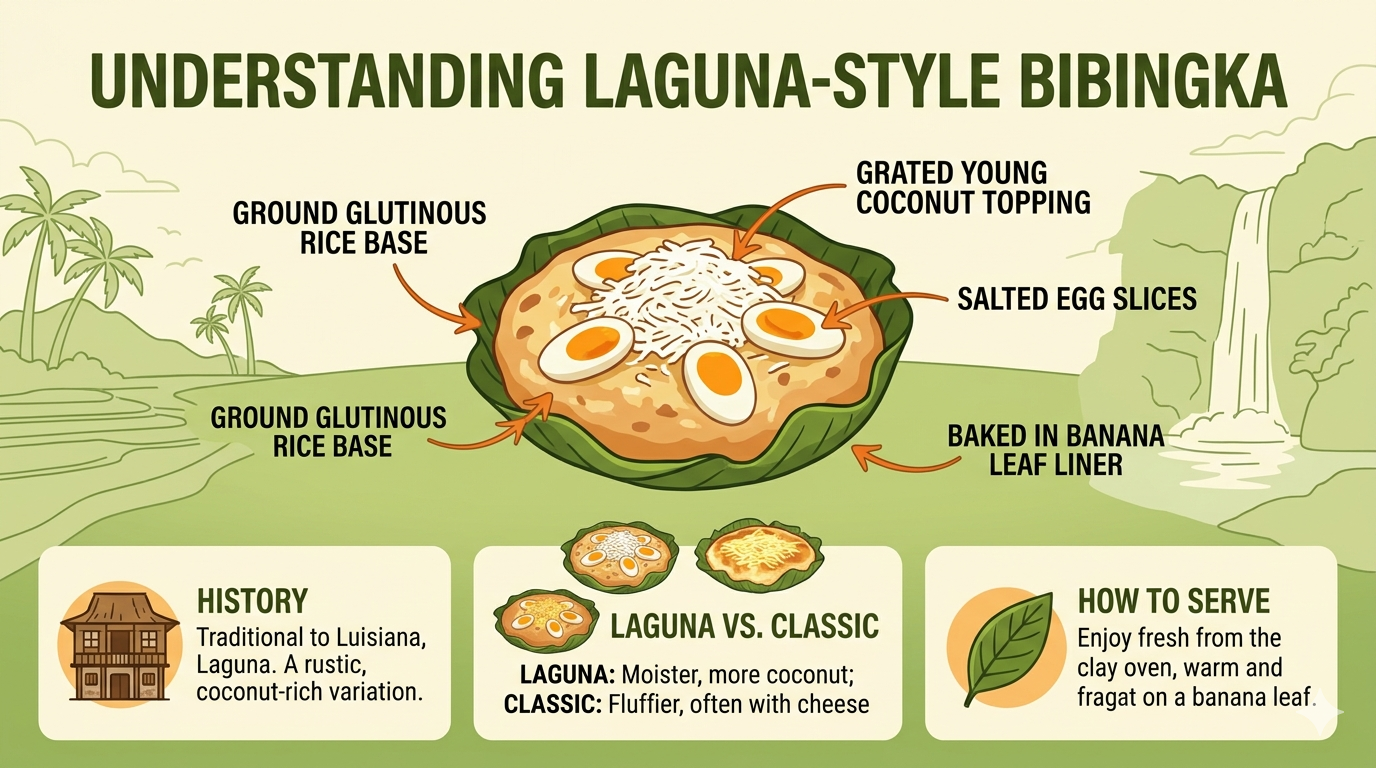
Visual summary of typical ingredients and preparation method for Bibingka Laguna style.
Disclaimer:
This article is for general informational and educational purposes only. It does not constitute professional medical, nutrition, or dietary advice. References to foods do not imply endorsement or guarantee of health outcomes. Readers are encouraged to consult licensed nutritionists, dietitians, or medical professionals for personalized guidance.
by Ramil Villar | Mar 28, 2026 | Food & Nutrition Basics
Understanding Kesong Puti: A Nutritional Overview
A neutral look at Kesong Puti, its composition, nutrient content, and safe consumption practices.
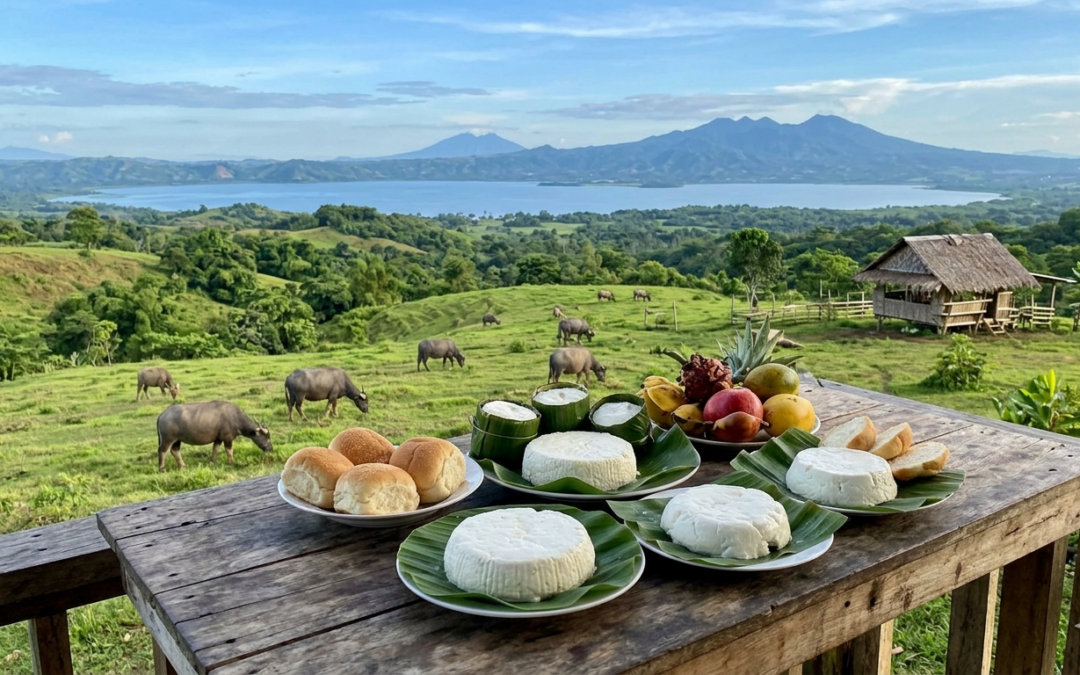
Kesong Puti is a traditional Filipino fresh cheese made from carabao’s milk, cow’s milk, or a mixture of both. It is widely used in Filipino cuisine as a topping, side dish, or ingredient in various meals. This article provides an educational overview of Kesong Puti, its nutritional composition, food safety considerations, and ways to incorporate it in a neutral, informative manner. References to Philippine food safety standards and labeling guidelines are included.
Nutritional Composition
Kesong Puti primarily consists of protein, fat, and water. Its exact macronutrient composition depends on the type of milk used and the production method. Typical nutrients include:
- Protein: Supports general body functions; contributes to satiety and amino acid intake.
- Fat: Contains saturated and unsaturated fatty acids; contributes to energy content.
- Calcium and Phosphorus: Present in dairy products and important for bone health.
- Vitamin A and B2 (Riboflavin): Naturally occurring in milk-based products.
- Sodium: May vary depending on salt addition during production.
Nutrient values differ among commercial and home-made versions of Kesong Puti. Label reading is important for understanding serving sizes and nutrient content.
Food Safety Considerations
Under FDA Philippines and DOH guidelines:
- Milk Source: Use pasteurized milk to reduce the risk of foodborne illness.
- Hygienic Handling: Dairy products should be stored at safe refrigeration temperatures (≤ 4°C).
- Expiration and Freshness: Consumers should check production dates and avoid products past their shelf life.
- Labeling: Product labels should indicate ingredients, allergen warnings, and storage instructions.
Incorporating Kesong Puti in Meals (Hypothetical Examples)
- Breakfast: Sliced Kesong Puti with whole-grain pandesal and fresh tomatoes.
- Snack: Kesong Puti cubes paired with cucumber and carrot sticks.
- Sandwiches: Spread Kesong Puti on bread or wraps as part of a neutral, nutrient-diverse meal.
These examples are for illustrative purposes only and do not imply health outcomes.
Context Section
In nutrition science studies, dairy products such as Kesong Puti are considered a source of high-quality protein and essential micronutrients. Under Philippine consumer protection and labeling standards, products must clearly disclose ingredients and nutrient content. Dietary results and nutritional benefits vary individually, depending on overall diet and lifestyle. For personalized guidance, consultation with licensed nutritionists, dietitians, or medical professionals is recommended.
FAQ
What is Kesong Puti?
Kesong Puti is a traditional Filipino fresh cheese made from carabao or cow’s milk, often consumed as a snack or ingredient in meals.
What nutrients are in Kesong Puti?
Kesong Puti contains protein, fat, calcium, phosphorus, and vitamins such as A and B2. Exact content depends on milk source and production method.
How should Kesong Puti be stored?
It should be refrigerated at or below 4°C and consumed before its expiration date. Label instructions should always be followed.
Trusted Sources
- Department of Health (DOH Philippines) – Food Safety Advisories
- Food and Drug Administration Philippines (FDA) – Dairy Product Guidelines
- Food and Nutrition Research Institute – Philippine Nutrition Facts
- Academic journals on dairy nutrition (peer-reviewed, open access)
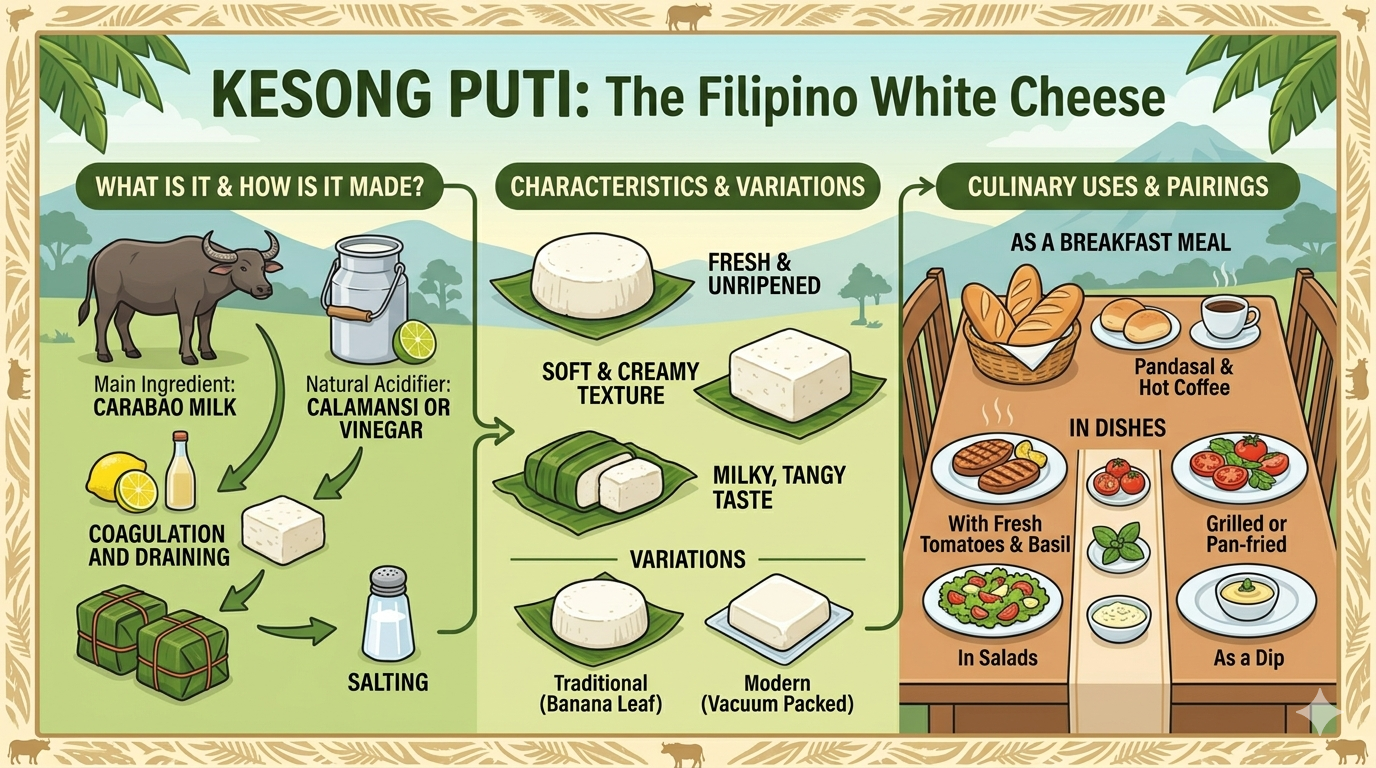
Illustration of macronutrient and mineral composition in Kesong Puti.
Mandatory Disclaimer
This article is for general informational and educational purposes only. It does not constitute professional medical, nutrition, or dietary advice. References to foods, such as Kesong Puti, do not imply endorsement or guarantee of health outcomes. Readers are encouraged to consult licensed nutritionists, dietitians, or medical professionals for personalized guidance.
by Ramil Villar | Mar 28, 2026 | Food & Nutrition Basics
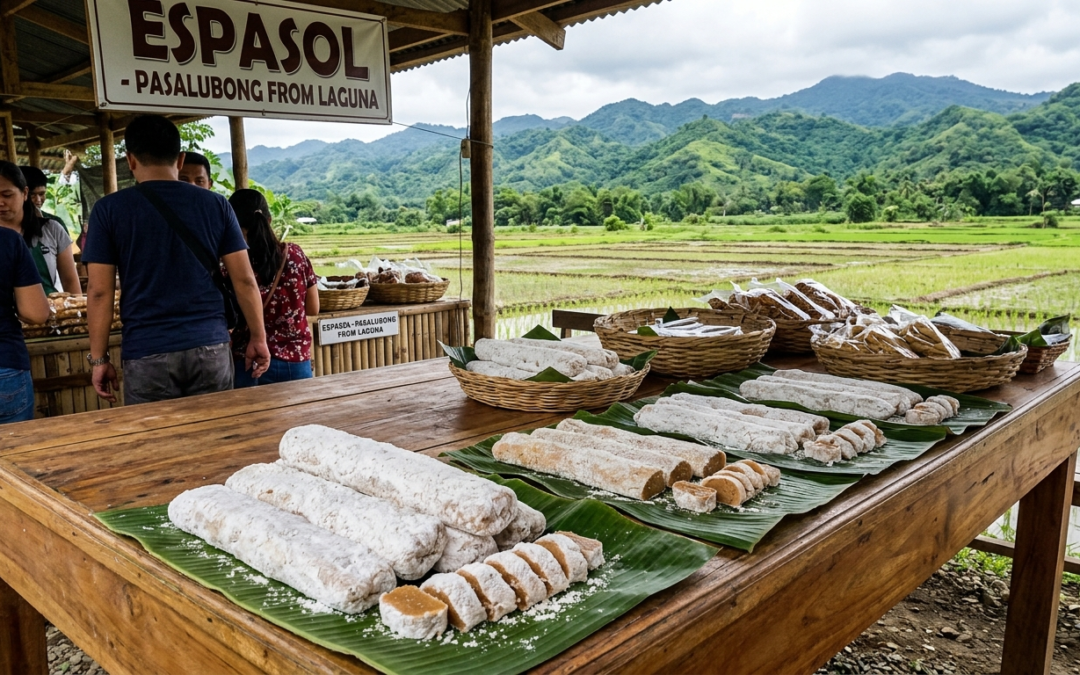
Understanding Espasol: A Neutral Guide to This Filipino Rice Cake
An informational overview of espasol, its ingredients, preparation, and nutritional considerations.
Espasol is a traditional Filipino rice cake made primarily from glutinous rice flour and coconut milk. Under Philippine food safety and labeling standards, understanding the ingredients and preparation methods of local delicacies like espasol helps consumers make informed dietary choices. This article provides a neutral overview of espasol’s composition, typical nutrient content, and considerations for consumption, without implying health benefits or guarantees.
What Is Espasol?
Espasol is a type of rice-based kakanin commonly enjoyed during festivals or as a snack in the Philippines. It is traditionally made by:
- Roasting glutinous rice flour
- Mixing with coconut milk and sugar
- Coating the cooked mixture with toasted rice flour
The result is a cylindrical, soft-textured rice cake that is often dusted with powdered rice flour to prevent sticking. Its flavor and texture can vary depending on the recipe or regional practices.
Nutritional Components (Informational)
A typical espasol serving includes macronutrients such as:
- Carbohydrates: Primarily from glutinous rice and sugar
- Fat: Mainly from coconut milk, which contains medium-chain triglycerides
- Protein: Minimal amounts, mainly from rice and coconut
It may also contain small quantities of micronutrients, including:
- Calcium (from coconut milk)
- Iron (from rice flour)
- Vitamin C (if garnished with certain local ingredients)
Portion sizes and preparation methods affect the energy content. For example, adding more sugar or coconut milk will increase the caloric density. This overview is educational only and does not imply that espasol has specific health effects.
Preparation and Food Safety Considerations
Under Philippine FDA and LGU food safety guidelines:
- Ingredients should be fresh and uncontaminated
- Proper cooking temperature and storage help prevent microbial growth
- Handling should follow hygienic practices to minimize risk
For packaged espasol, consumers can refer to labeling information, including ingredient lists and production dates, to verify authenticity and ensure safety.
Context Section (Neutral Background)
In nutrition science, foods like espasol are classified as traditional carbohydrate-based snacks. Diet planning typically involves balancing macronutrients and portion control rather than excluding traditional foods. Nutrient content can vary widely depending on recipe and serving size. Individual dietary effects vary, and consumption should align with overall nutritional goals. Consultation with licensed nutritionists or dietitians is recommended for personalized guidance.
Optional FAQ (Neutral)
What is espasol made of?
Espasol is made primarily from roasted glutinous rice flour, coconut milk, and sugar, with a coating of toasted rice flour.
Is espasol considered a snack or dessert?
Espasol is typically enjoyed as a snack or dessert in Filipino cuisine, depending on occasion and serving.
How can consumers check espasol for safety?
Consumers can check packaged espasol labels for ingredient lists, production dates, and FDA compliance marks.
Trusted Sources
- Department of Health (DOH) Philippines – Food Safety Advisories
- FDA Philippines – Guidelines on Local Food Products
- Academic publications on Philippine kakanin and rice-based snacks
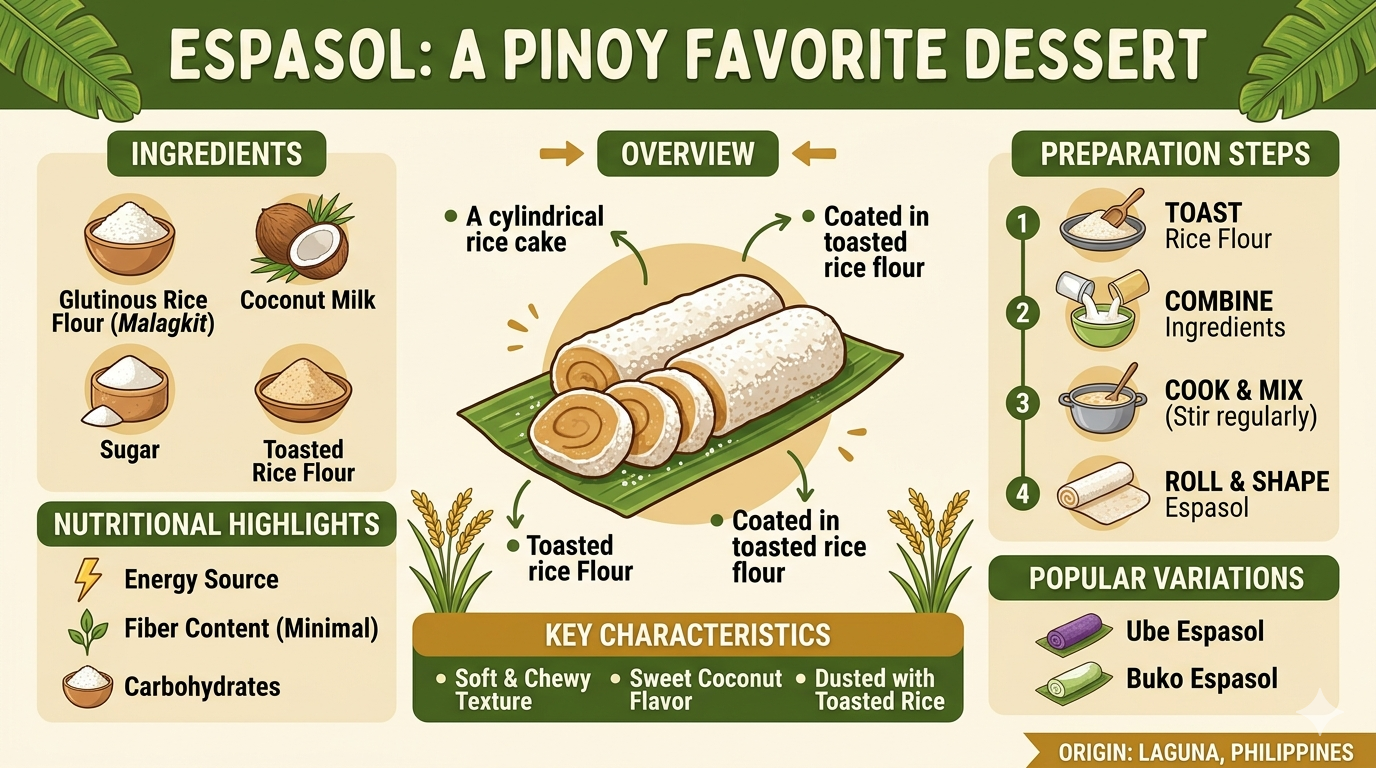
Infographic showing common ingredients used in traditional espasol preparation.
Disclaimer
This article is for general informational and educational purposes only. It does not constitute professional medical, nutrition, or dietary advice. References to foods or ingredients do not imply endorsement or guarantee of health outcomes. Readers are encouraged to consult licensed nutritionists, dietitians, or medical professionals for personalized guidance.
by Ramil Villar | Mar 28, 2026 | Food & Nutrition Basics
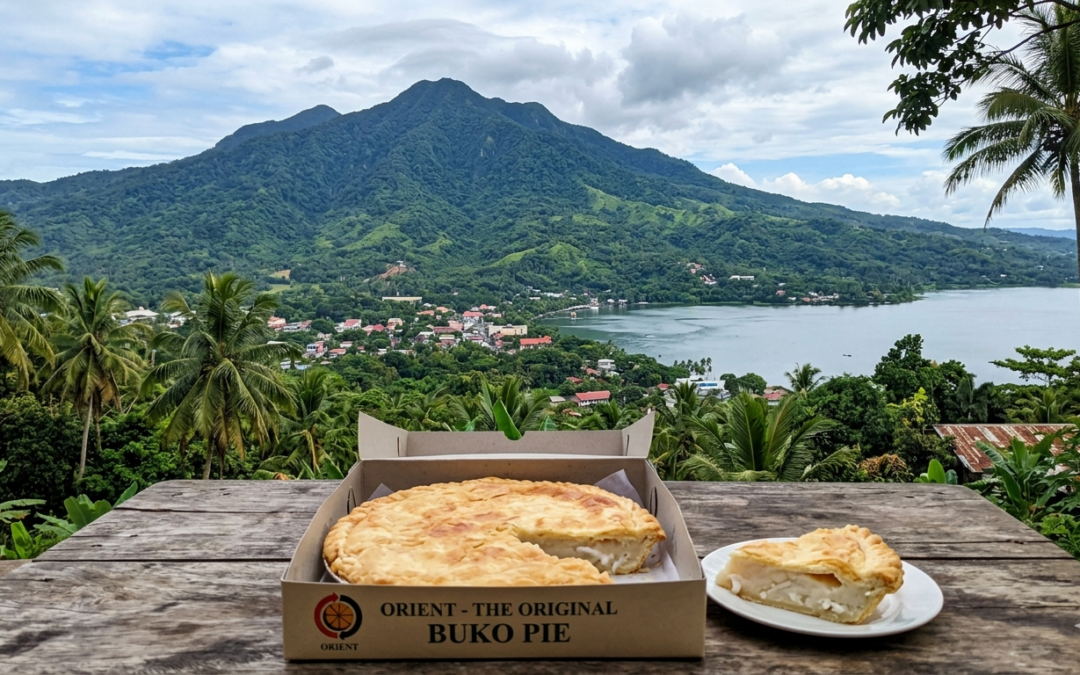
Buko Pie: Understanding a Traditional Filipino Dessert from Los Baños
A neutral overview of ingredients, preparation, and nutritional considerations
Buko pie is a traditional Filipino pastry originating from Los Baños, Laguna. This article provides a neutral overview of its ingredients, preparation methods, and general nutritional aspects. It also highlights consumer awareness considerations in line with DOH, FDA, and DTI standards. Readers will learn about buko pie composition, possible nutrient content, and safe consumption practices without health or weight claims.
Buko pie is a baked dessert primarily made with young coconut (buko), sugar, and a flour-based crust. Some variations may include condensed milk, eggs, or margarine.
Ingredients Overview:
- Young coconut meat (buko): Contains dietary fiber and small amounts of vitamins and minerals such as manganese and copper.
- Sugar: Provides energy in the form of simple carbohydrates.
- Flour and crust ingredients: Typically wheat flour with fat (margarine or butter), contributing carbohydrates and fats.
- Optional ingredients: Condensed milk or eggs, which may add proteins and additional sugars.
Nutritional Notes (Informational Only):
- Buko pie is an energy-dense food due to sugar and fat content.
- Portion control can help consumers include desserts without exceeding daily energy intake.
- The pastry provides minimal essential micronutrients but contributes fiber from the coconut meat.
Consumer Awareness Considerations:
- Check packaging or store labeling for ingredient lists and expiration dates.
- Verify product authenticity when purchasing commercially prepared buko pies.
- Be aware of added sugars and fats for general dietary tracking.
- Homemade versions allow control over ingredients and portion sizes.
Context Section
In nutrition science studies, desserts like buko pie are typically categorized as energy-dense foods with moderate micronutrient content. Under consumer protection and labeling standards in the Philippines, ingredients and allergens must be disclosed on packaging. Diet planning often involves balancing energy intake with nutrient requirements, and consumption frequency can vary individually. Readers should consult licensed nutritionists or dietitians for personalized guidance.
Optional FAQ
What is buko pie?
Buko pie is a Filipino baked pastry made with young coconut meat, sugar, and a flour-based crust. It is a traditional dessert from Los Baños, Laguna.
What nutrients are in buko pie?
Buko pie contains carbohydrates and fats from sugar and crust, dietary fiber from coconut, and small amounts of vitamins and minerals depending on additional ingredients like eggs or milk.
How can consumers evaluate store-bought buko pie?
Consumers can check labels for ingredients, expiration dates, and allergen information. Verifying product authenticity is also recommended.
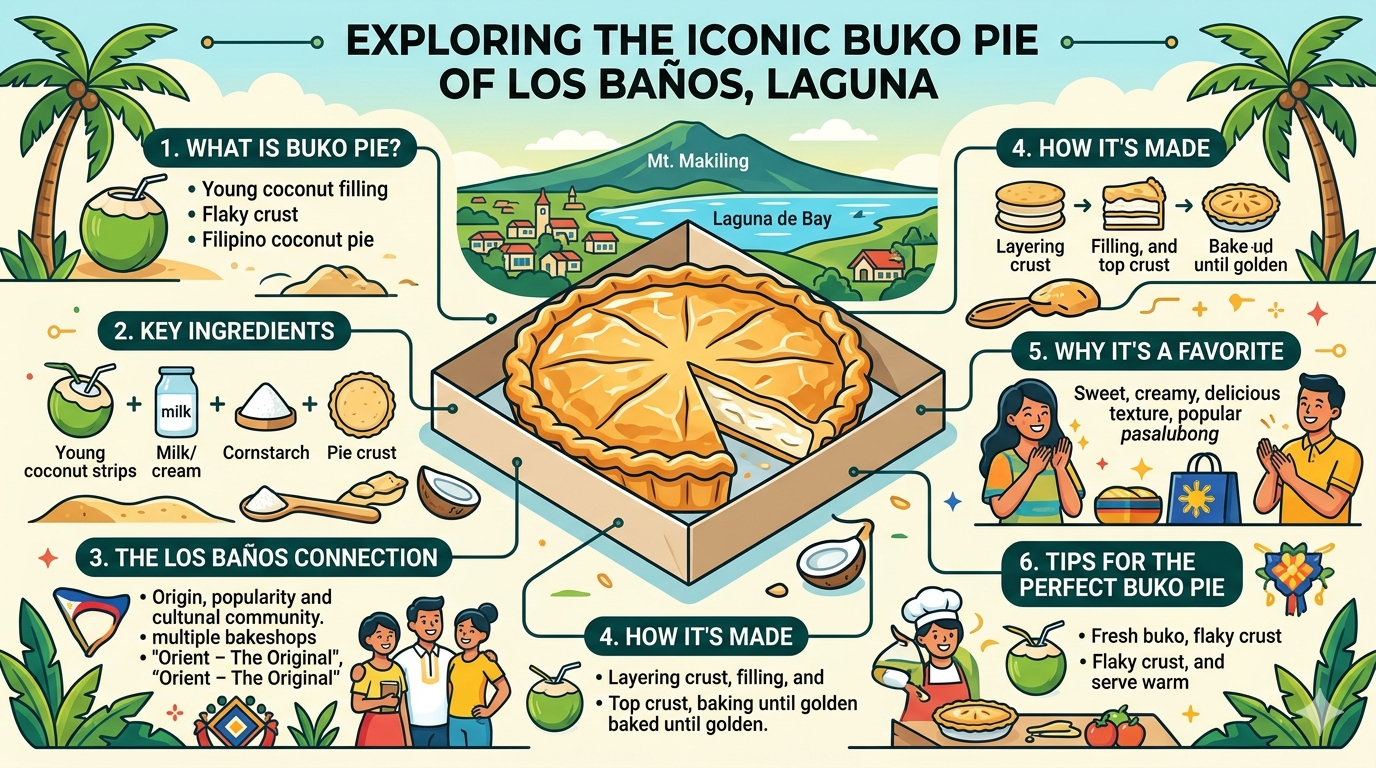
Visual representation of Buko Pie components including crust and coconut filling.
Trusted Sources
- Department of Health (DOH), Philippines – Food Safety and Labeling Guidelines
- Food and Drug Administration (FDA Philippines) – Nutrition Labeling Standards
- Academic food science references on coconut-based pastries
Disclaimer
This article is for general informational and educational purposes only. It does not constitute professional medical, nutrition, or dietary advice. References to foods or desserts do not imply endorsement or guarantee of health outcomes. Readers are encouraged to consult licensed nutritionists, dietitians, or medical professionals for personalized guidance.