by Ramil Villar | Apr 6, 2026 | Food & Nutrition Basics
Chicken Inasal: Nutritional Overview of a Popular Bacolod Dish
A neutral exploration of the ingredients, macronutrient composition, and food safety considerations of Chicken Inasal.
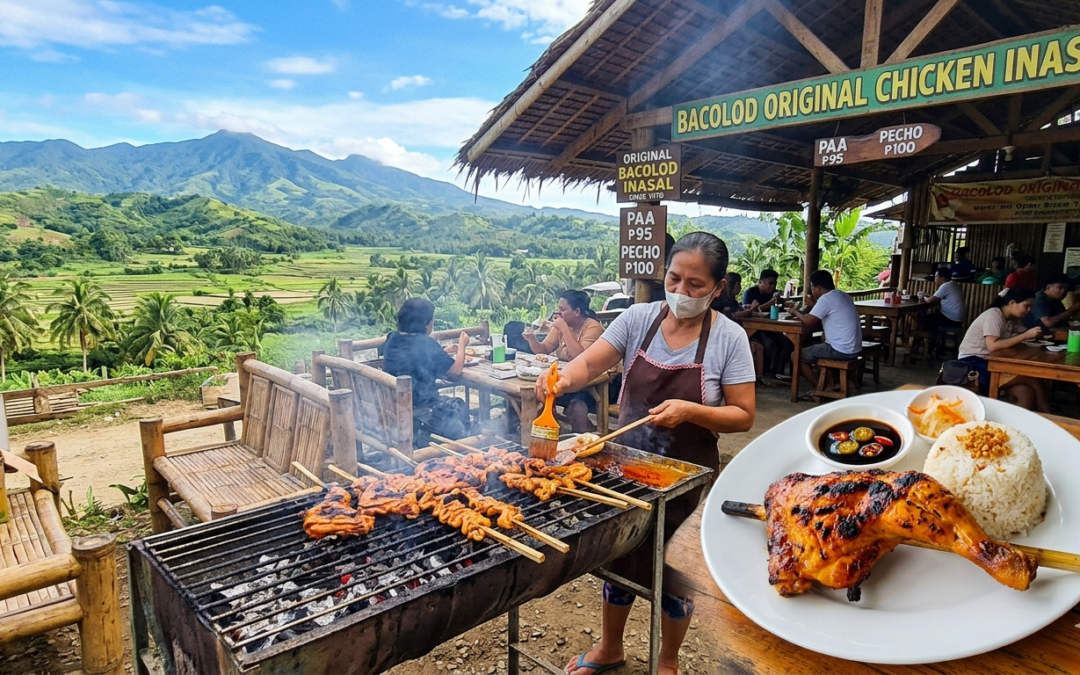
Chicken Inasal is a grilled chicken dish originating from Bacolod City, known for its marinated meat and distinct cooking style. This article provides an educational overview of its typical ingredients, nutritional aspects, and considerations for safe preparation under Philippine food safety standards. References to nutrition and consumer protection are aligned with DOH, FDA Philippines, and DTI guidelines.
1. Ingredients and Preparation
Chicken Inasal typically involves:
- Chicken parts (commonly thighs or drumsticks)
- Marinade: vinegar, calamansi juice, garlic, lemongrass, annatto oil, and minimal salt
- Cooking method: charcoal grilling
The marinade and grilling method influence nutrient retention, particularly protein, vitamins, and minerals.
2. Nutritional Composition (Illustrative, Hypothetical)
A standard serving (~150 g cooked chicken) may contain approximately:
- Protein: 28–30 g
- Fat: 8–10 g (mostly from skin and marinade oil)
- Carbohydrates: 0–2 g (minimal sugar in marinade)
- Sodium: variable depending on salt content in marinade
Chicken Inasal provides high-quality protein, essential amino acids, and some micronutrients like iron and zinc. Fat content is moderate and depends on portion and skin consumption.
3. Food Safety and Handling
Under FDA Philippines and DOH food safety guidance:
- Marinated chicken should be stored below 5°C prior to cooking.
- Grilling should reach an internal temperature of at least 74°C to ensure microbial safety.
- Avoid cross-contamination with raw poultry surfaces and utensils.
4. Portion Awareness
Hypothetical meal planning can include Chicken Inasal as part of a balanced meal:
- Grilled chicken portion (~100–150 g)
- Served with steamed rice (50–100 g cooked)
- Side of grilled or steamed vegetables for fiber and micronutrients
This approach illustrates nutrient balance without implying health or weight outcomes.
Context
In nutrition science studies, grilled poultry provides essential protein with moderate fat content. Under consumer protection and labeling standards, Chicken Inasal’s nutrient values can vary depending on portion, marinade composition, and cooking method. Dietary results vary individually, and consumers are encouraged to consult licensed nutrition or medical professionals for personalized guidance.
FAQs
What is Chicken Inasal?
Chicken Inasal is a grilled chicken dish from Bacolod, Philippines, known for its marinated preparation and charcoal grilling.
What nutrients does it provide?
It is primarily a source of protein and provides some vitamins and minerals, such as iron and zinc. Fat content varies depending on skin and marinade oil.
Is it safe to prepare at home?
Yes, if raw chicken is stored and cooked properly, reaching an internal temperature of at least 74°C, and cross-contamination is avoided.
Trusted Sources
- Department of Health, Philippines: Food Safety guideliness
- FDA Philippines: Safe Food Handling
- Academic nutrition references: Peer-reviewed journals on poultry nutrition and food safety
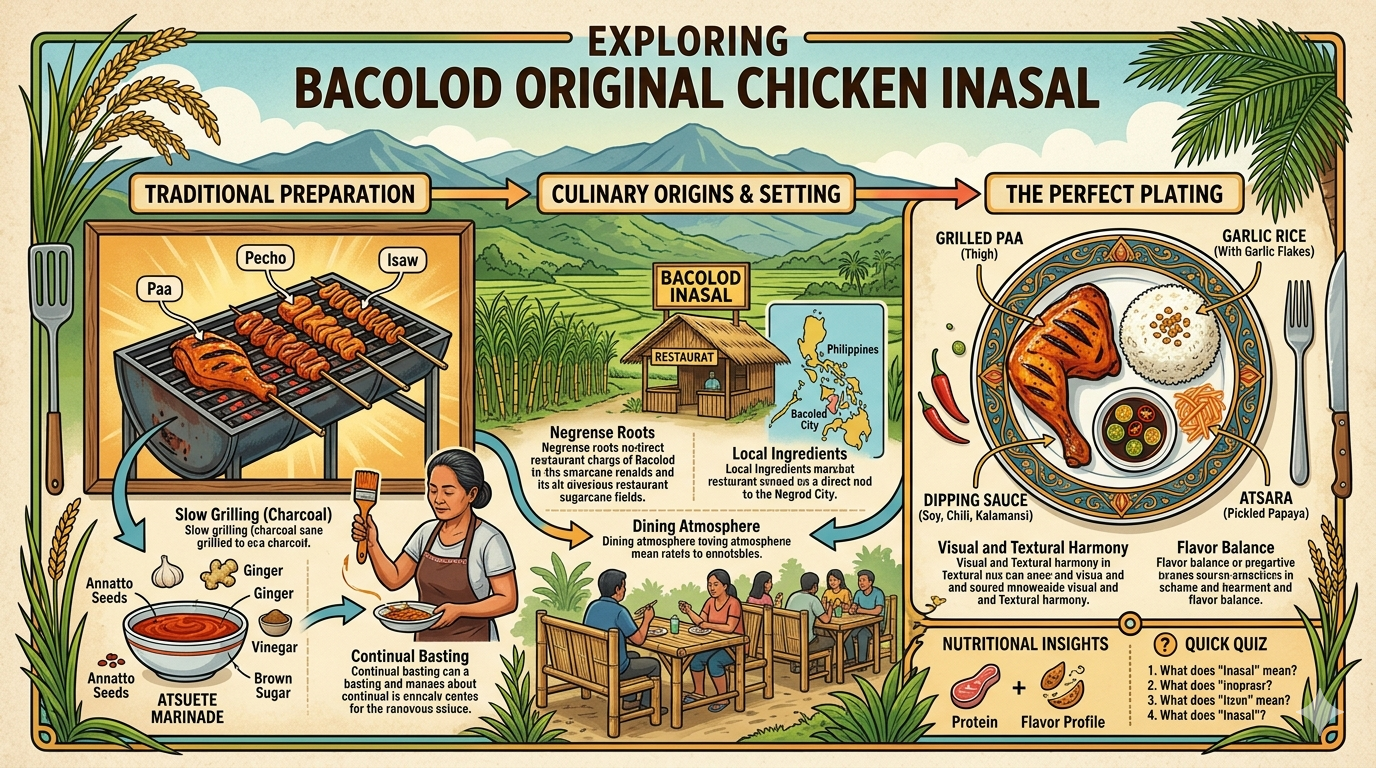
Descriptive infographic of Chicken Inasal ingredients and typical macronutrient composition.
Disclaimer
This article is for general informational and educational purposes only. It does not constitute professional medical, nutrition, or dietary advice. References to foods or preparation methods do not imply endorsement or guarantee of health outcomes. Readers are encouraged to consult licensed nutritionists, dietitians, or medical professionals for personalized guidance.
by Ramil Villar | Apr 6, 2026 | Food & Nutrition Basics
Understanding Halo-halo: Ingredients and Nutritional Context
A neutral overview of a traditional Philippine dessert and its typical components.
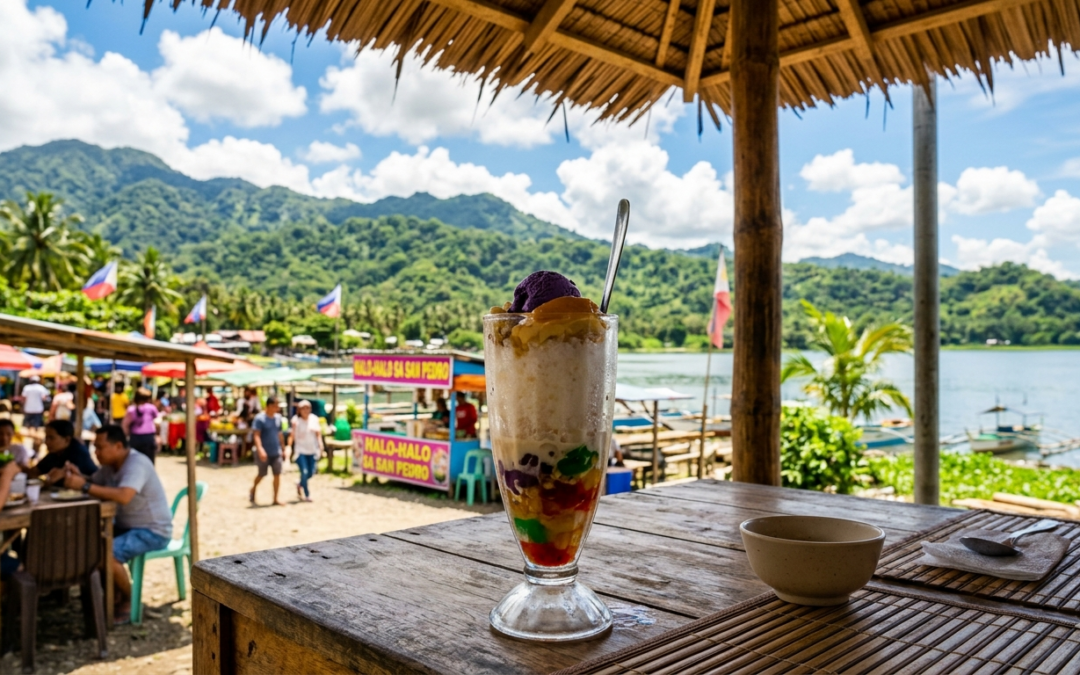
Halo-halo is a well-known cold dessert commonly found in the Philippines. It typically combines shaved ice, milk, sweetened fruits, and various toppings. Articles about foods like halo-halo often focus on cultural significance, ingredient composition, and nutritional context rather than making health or diet claims. Philippine food safety and labeling practices are generally overseen by institutions such as the Department of Health (DOH) and the Food and Drug Administration (FDA Philippines).
What Halo-halo Typically Contains
Halo-halo is assembled by layering multiple ingredients in a tall glass or bowl and mixing them before eating. The name “halo-halo” literally means “mix-mix” in Filipino, referring to this method of combining ingredients.
Common components may include:
- Shaved ice – forms the base of the dessert
- Evaporated or fresh milk – poured over the ice
- Sweetened beans such as red mung beans
- Sweetened fruits like banana or jackfruit
- Jellies or gelatin cubes
- Sweetened coconut strips (macapuno)
- Leche flan or custard topping
- Ube (purple yam) halaya
- Ice cream (sometimes included)
The exact combination varies by region, restaurant, or household preparation.
Nutritional Components
Because halo-halo contains multiple ingredients, its nutritional profile varies depending on the portion size and ingredients used. In general, desserts of this type may include:
Carbohydrates
- Present in sweetened fruits, syrups, beans, and ice cream
- Provide dietary energy
Fats
- May come from milk, custard toppings, or ice cream
Protein
- Small amounts may come from dairy components and beans
Micronutrients
- Fruits and beans may contain vitamins and minerals such as potassium, folate, or vitamin C
Ingredient quantities determine the overall nutrient composition.
Portion and Preparation Variations
Halo-halo preparation is flexible. Some establishments emphasize fruit ingredients, while others include more dairy or custard-based toppings.
Variations may involve:
- Different fruit combinations
- Alternative milk options
- Reduced or increased sweeteners
- Different toppings such as crushed nuts or rice crisps
Because recipes vary widely, nutritional values cannot be generalized for all halo-halo servings.
Desserts Within Balanced Diets
In nutrition science discussions, desserts are generally categorized as energy-dense foods due to added sugars or fats in many recipes. Balanced dietary patterns typically consider:
- overall food variety
- portion size awareness
- combination with nutrient-dense foods such as vegetables, fruits, grains, and protein sources
Dietary needs and preferences vary between individuals. Licensed nutrition professionals may provide personalized dietary guidance when necessary.
FAQs
What does “halo-halo” mean?
The Filipino term “halo-halo” translates to “mix-mix.” The name refers to the process of combining the layered ingredients before eating the dessert.
Is halo-halo always prepared the same way?
No. Ingredient combinations vary across regions, restaurants, and home recipes. Some versions emphasize fruit, while others include additional dairy or dessert toppings.
Does halo-halo contain multiple food groups?
Many versions include fruits, dairy ingredients, and sweetened beans. The nutrient profile depends on ingredient choice and portion size.
Trusted Sources
- Department of Health (DOH) Philippines – nutrition and food safety advisories
- Food and Drug Administration Philippines – food labeling and safety guidelines
- Peer-reviewed nutrition and food science journals discussing dietary composition and food groups
- Academic dietetics references on balanced diet principles
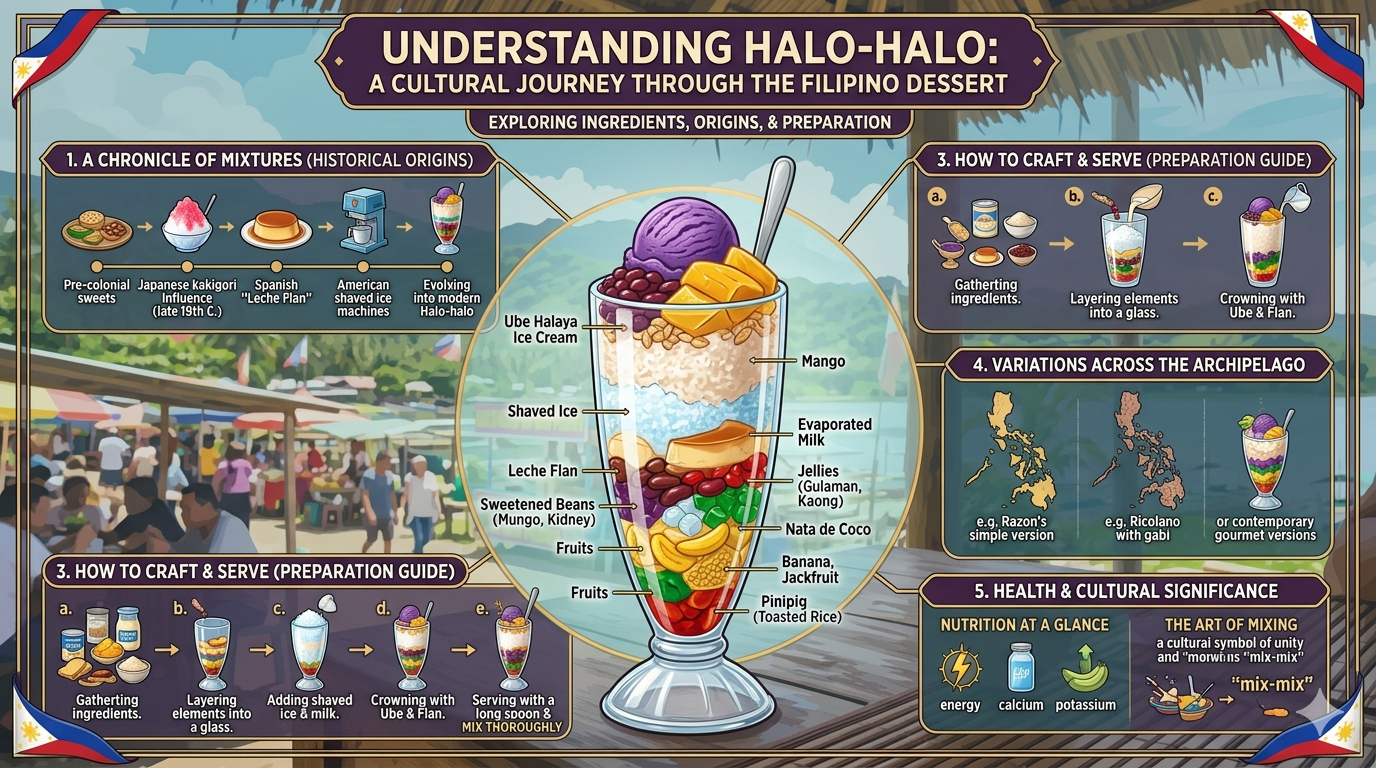
Infographic illustrating common ingredient layers used in halo-halo preparation.
Disclaimer
This article is for general informational and educational purposes only. It does not constitute professional medical, nutrition, or dietary advice. References to diets, foods, or supplements do not imply endorsement or guarantee of health outcomes. Readers are encouraged to consult licensed nutritionists, dietitians, or medical professionals for personalized guidance.
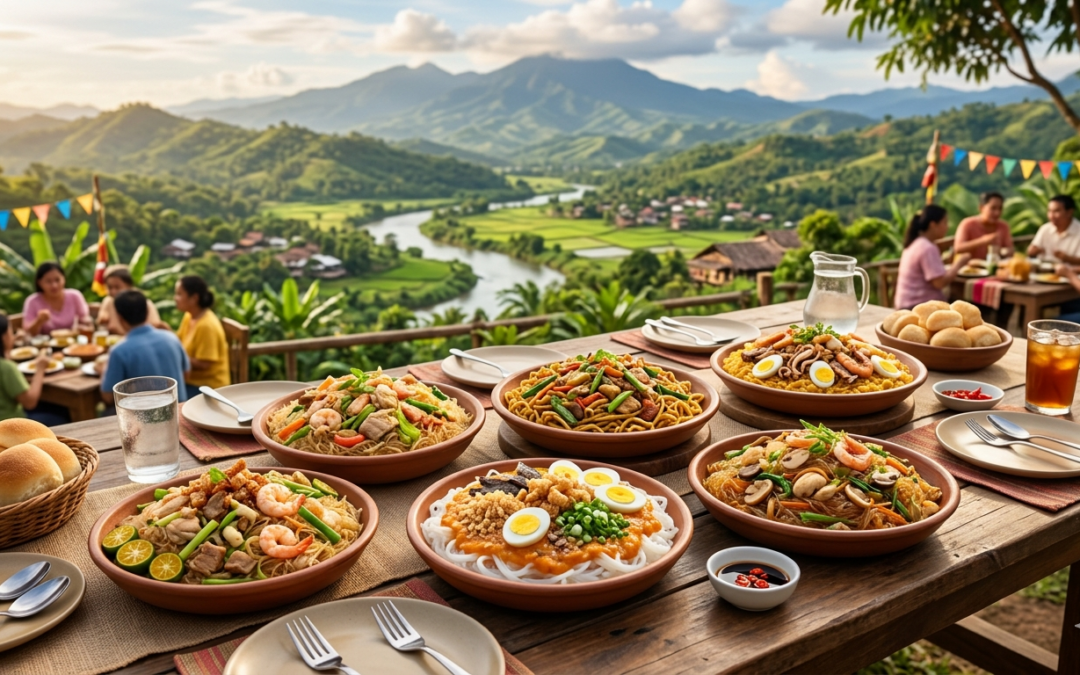
by Ramil Villar | Apr 6, 2026 | Food & Nutrition Basics
Understanding Pancit Varieties in the Philippines: An Educational Overview
A Neutral Guide to Common Pancit Types, Ingredients, and Nutritional Considerations
Pancit refers to a group of noodle dishes widely prepared in the Philippines using various ingredients, cooking styles, and regional traditions. The dishes commonly include noodles combined with vegetables, protein sources, and seasonings. This article provides an educational overview of several well-known pancit varieties, typical ingredients used in their preparation, and general nutrition considerations related to noodle-based meals.
What Is Pancit?
The term pancit generally refers to noodle dishes prepared with wheat, rice, or starch-based noodles. These dishes often include combinations of vegetables, meat, seafood, or plant-based ingredients. Preparation styles differ across households, restaurants, and regions.
Many pancit dishes contain ingredients that provide a mixture of carbohydrates, proteins, and small amounts of dietary fiber depending on the vegetables included.
Common Pancit Varieties
Pancit Canton
Pancit Canton is typically prepared using egg noodles stir-fried with ingredients such as sliced vegetables, meat, or seafood. Garlic, soy sauce, and broth are often used to add flavor during cooking.
Typical ingredients may include:
- Egg noodles
- Cabbage
- Carrots
- Shrimp or chicken
- Garlic and soy-based seasoning
Because the noodles are wheat-based, this dish generally contains carbohydrates as a primary energy source.
Pancit Bihon
Pancit Bihon uses thin rice noodles that are softened before cooking. The dish is often prepared with vegetables and sliced meat or seafood.
Common ingredients may include:
- Rice noodles (bihon)
- Green beans
- Carrots
- Chicken or pork
- Garlic and onion
Rice noodles differ from wheat noodles in composition because they are made primarily from rice flour.
Pancit Malabon
Pancit Malabon is associated with coastal cooking traditions and is commonly prepared with thicker rice noodles. Seafood ingredients are frequently used in this variety.
Typical components may include:
- Thick rice noodles
- Shrimp
- Squid
- Garlic
- Fish sauce or broth-based seasoning
Some versions also include toppings such as chopped vegetables or eggs.
Pancit Palabok
Pancit Palabok is known for its sauce-based preparation, where noodles are topped with a sauce made from shrimp broth and other flavoring ingredients.
Common toppings may include:
- Cooked shrimp
- Crushed pork cracklings
- Garlic
- Eggs
- Green onions
This dish is typically served with rice noodles and garnished before serving.
Pancit Sotanghon
Pancit Sotanghon uses glass noodles made from starch sources such as mung bean starch. These noodles become translucent when cooked.
Typical ingredients may include:
- Sotanghon (glass noodles)
- Chicken
- Mushrooms
- Vegetables
- Garlic and broth
Glass noodles differ from wheat or rice noodles because of their starch base.
Nutrition Considerations
Noodle-based dishes such as pancit usually contain carbohydrates from noodles, along with proteins from meat or seafood and micronutrients from vegetables. The overall nutrient composition may vary depending on ingredient proportions and cooking methods.
Including vegetables in noodle dishes may contribute vitamins, minerals, and dietary fiber. The use of sauces and seasonings may influence sodium levels in the dish.
Balanced dietary planning often considers portion sizes, variety of food groups, and overall daily nutrient intake.
Pancit in Food Culture and Dietary Discussions
In food studies and culinary history discussions, pancit is often described as a dish category with influences from Asian noodle traditions that have evolved within Philippine cooking practices.
Under consumer food safety and labeling standards in the Philippines, packaged noodle products are regulated by the Food and Drug Administration (FDA Philippines) to ensure proper ingredient labeling and food safety compliance.
Nutrition research generally emphasizes that individual dietary needs differ. Meal planning approaches may vary based on lifestyle, health considerations, and guidance from licensed nutrition professionals.
FAQs
What are macronutrients in noodle dishes?
Macronutrients refer to nutrients required in larger amounts by the body. In noodle-based dishes, carbohydrates typically come from noodles, proteins may come from meat or seafood, and fats may come from cooking oils or certain toppings.
What is the difference between rice noodles and wheat noodles?
Rice noodles are made primarily from rice flour, while wheat noodles are made from wheat flour and may contain eggs. Their texture and nutrient composition can differ depending on preparation.
How can meal planning include noodle dishes?
Meal planning sometimes includes noodle dishes alongside vegetables, protein sources, and other food groups. The overall nutrient balance depends on ingredient variety and portion sizes.
Trusted Sources
- Department of Health (Philippines) – Nutrition and healthy eating guidance
- Food and Drug Administration Philippines – Food labeling and safety information
- Academy of Nutrition and Dietetics – Nutrition science references
- Peer-reviewed food science and nutrition journals
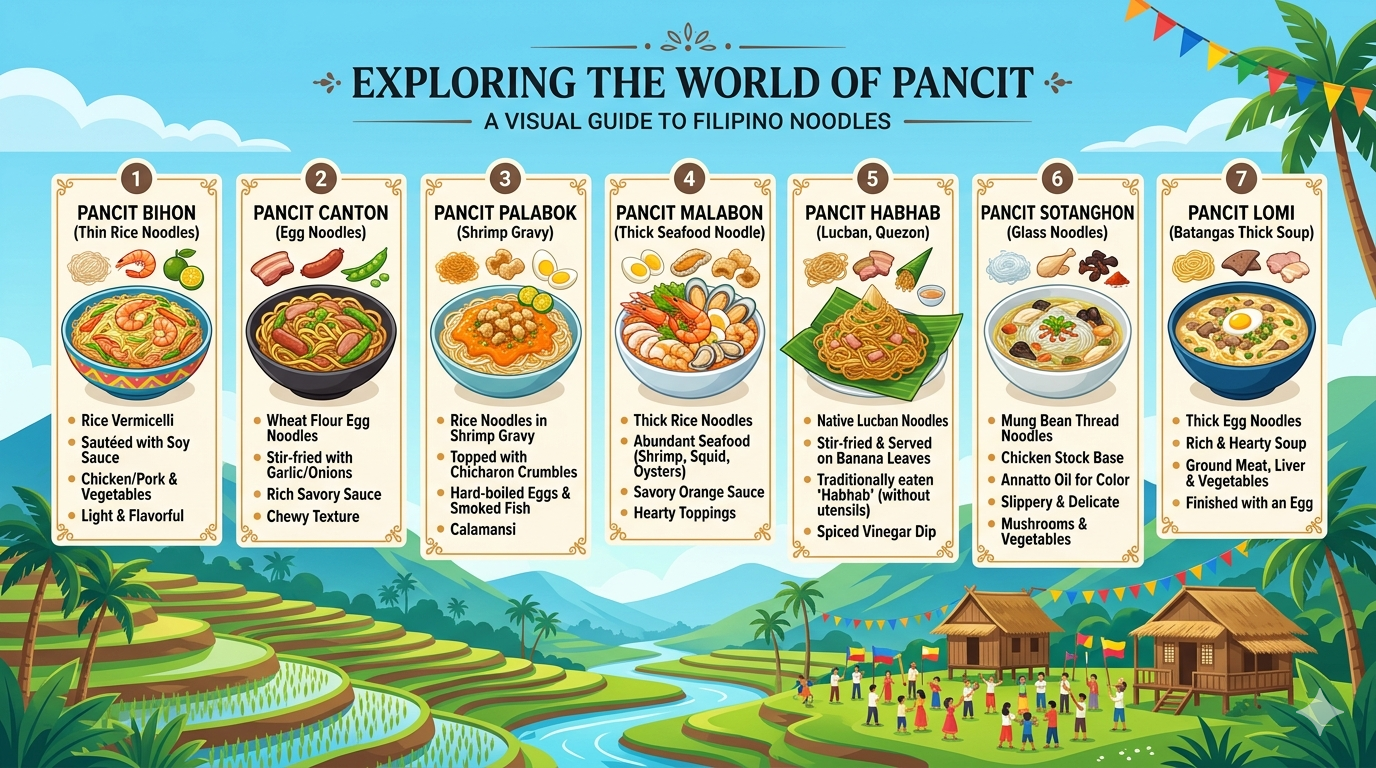
Visual chart showing pancit varieties and corresponding noodle types.
Disclaimer
This article is for general informational and educational purposes only. It does not constitute professional medical, nutrition, or dietary advice. References to diets, foods, or supplements do not imply endorsement or guarantee of health outcomes. Readers are encouraged to consult licensed nutritionists, dietitians, or medical professionals for personalized guidance.
by Ramil Villar | Apr 4, 2026 | Food & Nutrition Basics
Piyanggang: An Educational Overview of a Filipino Dish
A neutral look at Piyanggang, its ingredients, and nutritional considerations.
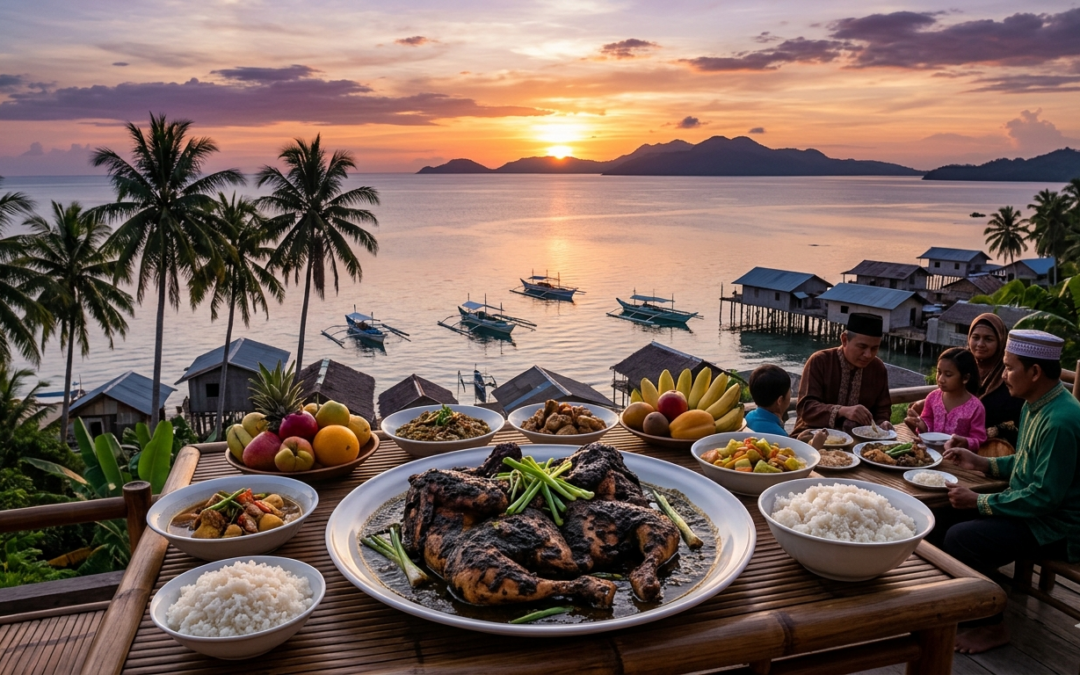
Piyanggang is a traditional Filipino dish originating from the Tausug people of Mindanao. This article provides an educational overview of the dish, its common ingredients, and neutral insights into its nutritional components. It references Philippine food safety and labeling standards as issued by the Department of Health (DOH) and the Food and Drug Administration (FDA).
What is Piyanggang?
Piyanggang is typically made from chicken or other protein sources marinated in a mix of turmeric, coconut milk, and spices. It is commonly cooked slowly to allow flavors to meld. The dish often includes ingredients like garlic, onions, and chili, which contribute to its aromatic profile.
Nutritional Components
- Protein: Primarily from chicken or other protein sources.
- Fat: From coconut milk, which contains saturated fats; moderation can help manage intake.
- Carbohydrates: Minimal, mostly from small amounts of added vegetables or accompaniments like rice.
- Micronutrients: Turmeric provides curcumin, a plant compound with ongoing research on antioxidant properties; garlic and onions provide trace vitamins and minerals.
Hypothetical Meal Planning Context
A neutral example of including Piyanggang in a meal plan:
- 100 grams of Piyanggang chicken
- ½ cup steamed vegetables
- ½ cup cooked rice
This represents a balanced plate in terms of protein, fat, and carbohydrate distribution without implying health or weight outcomes.
Food Safety Considerations
- Ensure chicken is properly cooked to an internal temperature of 74°C (165°F) to reduce the risk of foodborne illness.
- Store coconut milk and spices according to packaging instructions to maintain quality and safety.
- Wash vegetables thoroughly before preparation.
Context
In nutrition science studies, traditional Filipino dishes like Piyanggang provide a mix of macronutrients and bioactive compounds. Under consumer protection and labeling standards, portion control and ingredient awareness are important for general dietary planning. Dietary results vary individually, and personal health needs should be assessed by licensed nutrition or medical professionals.
FAQs
Q: What is the main ingredient in Piyanggang?
A: The main ingredient is typically chicken, marinated in turmeric and coconut milk.
Q: Is Piyanggang high in fat?
A: The fat content depends on the use of coconut milk, which contains saturated fat. Portions can be adjusted as part of general meal planning.
Q: Can Piyanggang be part of a balanced diet?
A: In nutrition education, Piyanggang can be included in meals with complementary vegetables and grains for macronutrient balance.
Trusted Sources
- Department of Health Philippines: Food Safety Guidelines
- Food and Drug Administration Philippines: Food Labeling and Nutrition Standards
- Philippine Dietary Reference Intakes (PDRI)
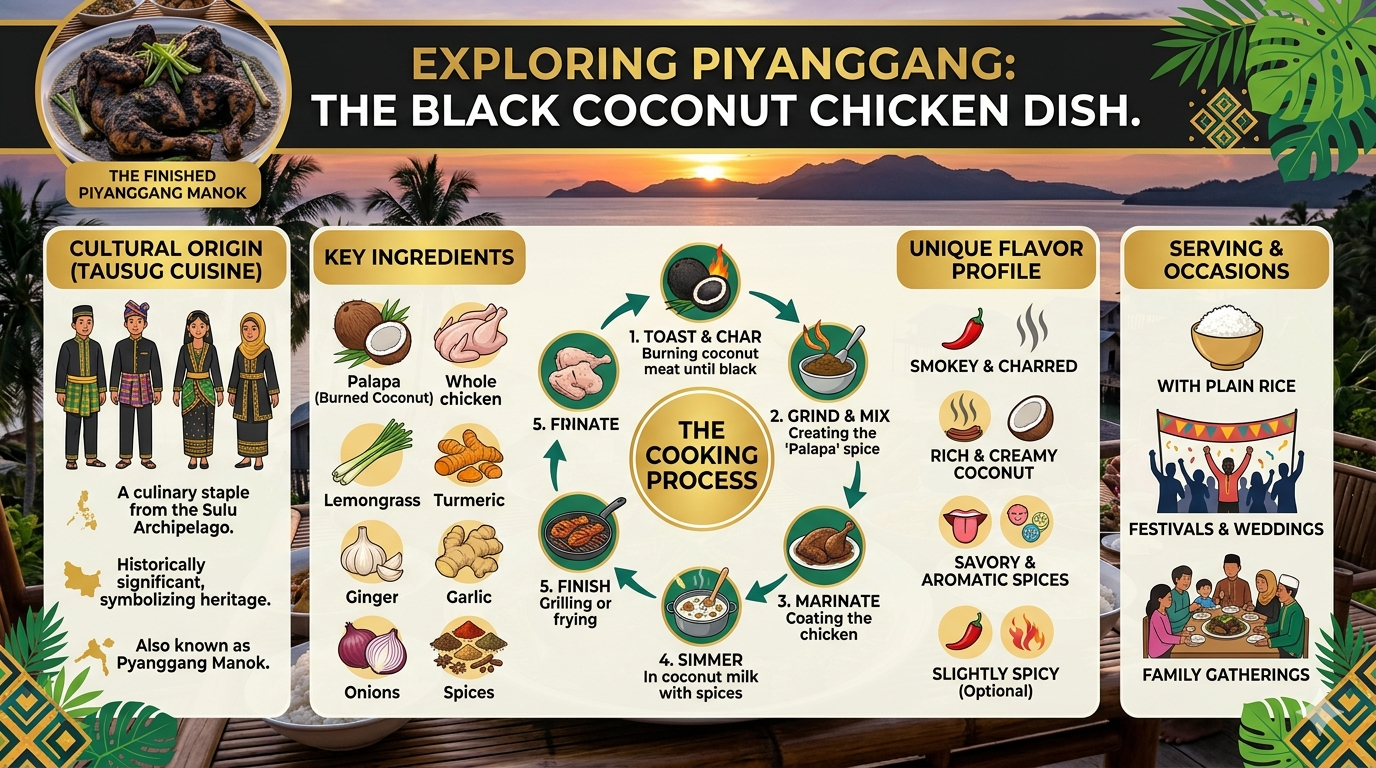
Visual infographic depicting common ingredients and preparation steps for Piyanggang.
Disclaimer
This article is for general informational and educational purposes only. It does not constitute professional medical, nutrition, or dietary advice. References to Piyanggang or ingredients do not imply endorsement or guarantee of health outcomes. Readers are encouraged to consult licensed nutritionists, dietitians, or medical professionals for personalized guidance.
by Ramil Villar | Apr 4, 2026 | Food & Nutrition Basics
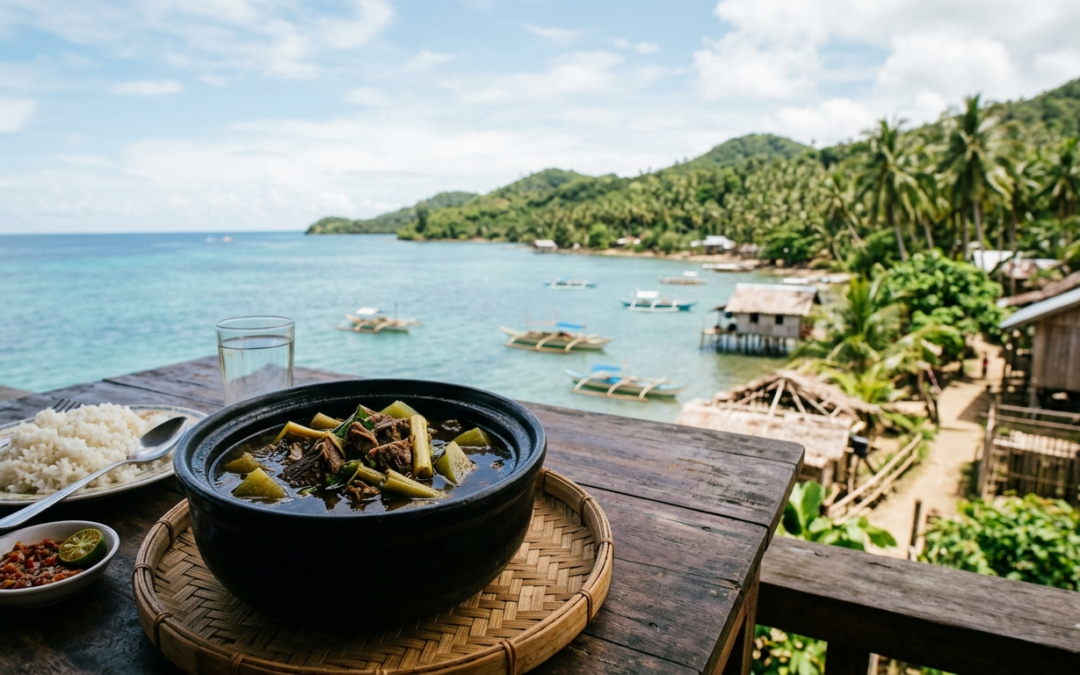
Tiyula Itum: Traditional Filipino Black Soup and Its Nutritional Overview
An educational overview of Tiyula Itum, its ingredients, and dietary considerations.
Tiyula Itum is a traditional Filipino dish from the Tausug people of Mindanao. It is a black-colored soup primarily made with beef or goat meat, coconut milk, and burnt coconut for coloring. This article provides a neutral exploration of its typical ingredients, nutritional components, and general dietary considerations under Philippine food safety and consumer protection guidelines.
Ingredients and Nutritional Components
Tiyula Itum is generally prepared using the following ingredients:
- Meat (beef or goat): A source of protein, iron, and vitamin B12. Protein supports cellular function and tissue repair.
- Burnt coconut (charred coconut meat): Provides color and a small amount of dietary fiber. Charred components may contain trace antioxidants but are mostly used for flavoring and appearance.
- Coconut milk: Contains saturated fat and contributes to energy intake; also a source of potassium and magnesium.
- Spices (e.g., turmeric, ginger, garlic, lemongrass, chili): Add flavor and phytochemicals but generally contribute minimal macronutrients.
- Rice (commonly served as a side): A carbohydrate source providing energy and fiber if unrefined.
Dietary Considerations
- Portion balance: Combining protein, fats, and carbohydrates supports overall nutrient balance.
- Saturated fat intake: Coconut milk is high in saturated fat, so moderation is advisable, particularly for individuals monitoring lipid intake.
- Food safety: Under Philippine food safety standards (DOH, FDA), meat should be properly cooked to reduce microbial contamination. Proper handling and storage are essential.
Hypothetical Nutrient Breakdown (per 1 serving, approx. 250g)
| Nutrient |
Approximate Amount |
| Calories |
250–350 kcal |
| Protein |
15–20 g |
| Fat |
15–20 g (mostly from coconut milk) |
| Carbohydrates |
10–15 g |
| Fiber |
1–2 g |
| Sodium |
Variable (depends on added salt and seasoning) |
Context
In nutrition science studies, traditional dishes like Tiyula Itum are recognized for cultural and culinary value rather than specific health outcomes. Under consumer protection and labeling standards, it is important to understand ingredient content, portion sizes, and preparation methods. Dietary results vary individually, and consulting licensed nutrition or medical professionals can help with personal dietary planning.
FAQs
Q1: What is Tiyula Itum?
A traditional black-colored soup from Mindanao, Philippines, typically made with meat, coconut milk, and charred coconut.
Q2: What nutrients does it provide?
Primarily protein, saturated fats, and some micronutrients like iron, potassium, and magnesium.
Q3: Is Tiyula Itum considered a balanced meal?
It contains protein and fats, and when paired with a carbohydrate source like rice, it can contribute to a balanced macronutrient intake. Individual needs vary.
Trusted Sources
- Department of Health (DOH) Philippines — Food Safety Guidelines
- Food and Drug Administration (FDA) Philippines — Nutrition Labeling References
- Academic references on Filipino culinary practices (peer-reviewed journals on food science and nutrition)
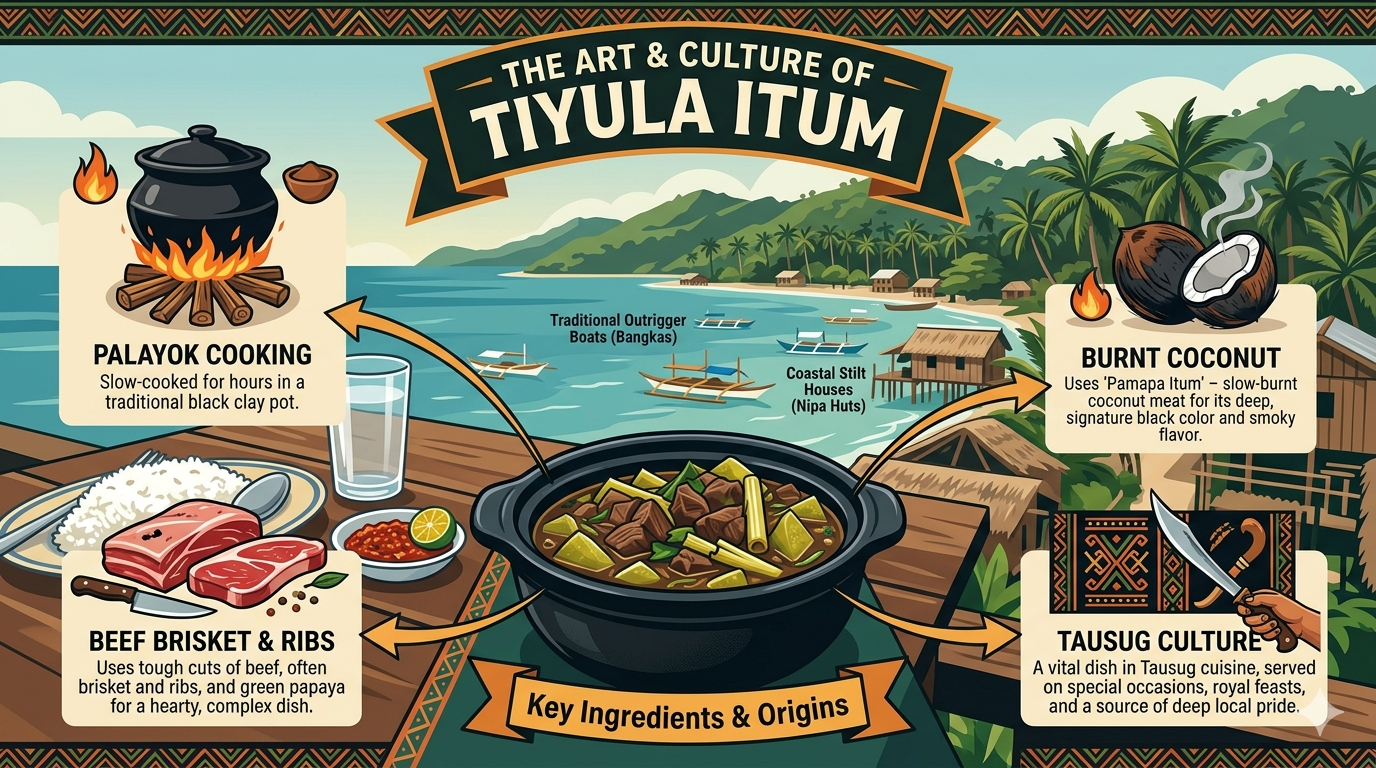
Illustrative infographic displaying key ingredients of Tiyula Itum soup
Disclaimer
This article is for general informational and educational purposes only. It does not constitute professional medical, nutrition, or dietary advice. References to dishes, foods, or ingredients do not imply endorsement or guarantee of health outcomes. Readers are encouraged to consult licensed nutritionists, dietitians, or medical professionals for personalized guidance.
by Ramil Villar | Apr 4, 2026 | Food & Nutrition Basics
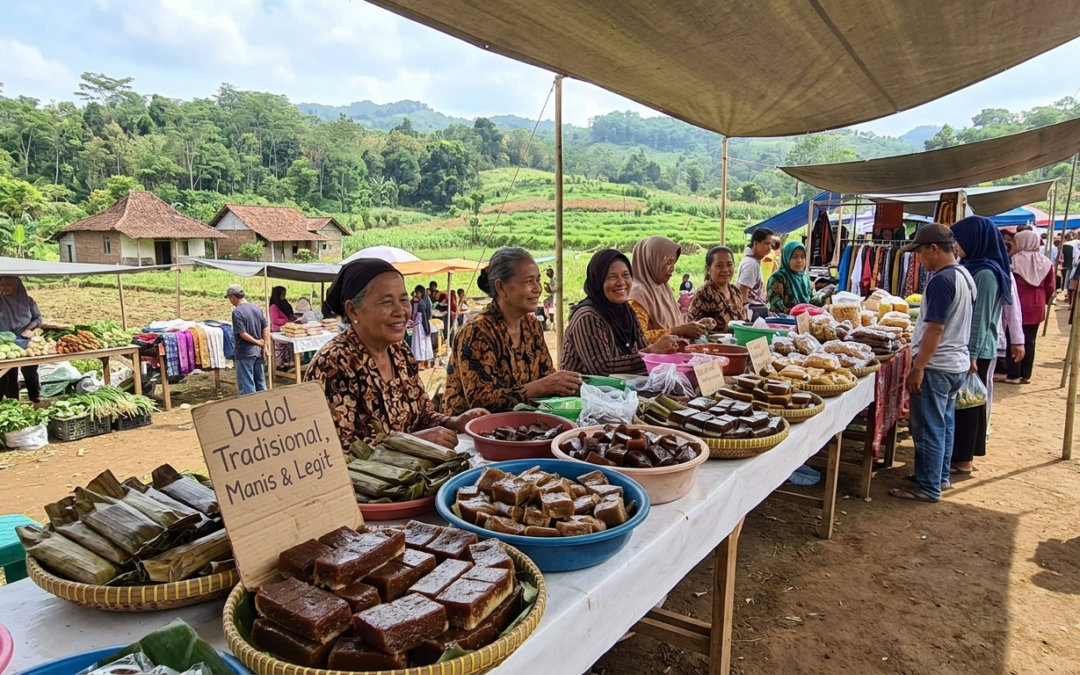
Understanding Dudol: A Traditional Filipino Sweet Delicacy
A neutral overview of ingredients, nutrition, and cultural context.
Dudol is a traditional Filipino sweet delicacy commonly made from glutinous rice flour, coconut milk, and sugar. It is often prepared during local festivals, family gatherings, and special occasions. This article provides an informational overview of dudol, including its basic ingredients, nutritional considerations, and safe consumption practices, aligned with general food safety standards under the Department of Health (DOH) and Food and Drug Administration (FDA Philippines).
Ingredients and Preparation
Dudol typically contains the following ingredients:
- Glutinous rice flour – provides carbohydrates as a primary energy source.
- Coconut milk – adds fat and flavor, containing medium-chain triglycerides.
- Sugar – provides simple carbohydrates and sweetness.
- Optional flavorings – such as pandan leaves, chocolate, or nuts, which can add minor amounts of micronutrients.
Preparation usually involves cooking the mixture over low heat while stirring continuously until it reaches a sticky, gelatinous texture. It is then cooled and cut into small portions.
Nutritional Considerations
From a nutrition perspective, dudol is primarily an energy-dense carbohydrate source. A typical serving provides calories from sugar and glutinous rice, along with fats from coconut milk. It contains minimal protein and micronutrients unless fortified or enhanced with additional ingredients such as nuts.
Safe consumption considerations include:
- Portion awareness, as dudol is high in sugar and fat.
- Food handling hygiene, ensuring it is cooked thoroughly and stored in a clean environment to prevent microbial contamination.
- Reading ingredient labels if commercially packaged dudol is purchased, especially for added preservatives or artificial flavorings.
Hypothetical Portion Example
A small piece (approximately 50 grams) of dudol may provide:
- Carbohydrates: ~25–30 g
- Fat: ~4–6 g
- Protein: ~1 g
- Sugars: ~10–15 g
This example is for illustrative purposes only and may vary depending on recipe and serving size.
Context
In nutrition science studies, foods like dudol are considered occasional treats rather than staple items due to their high sugar content. Under consumer protection and labeling standards, packaged dudol should clearly display ingredient lists, allergen warnings, and expiration dates to comply with FDA and DTI regulations. Diet planning typically involves balancing energy-dense treats with nutrient-dense foods such as fruits, vegetables, lean proteins, and whole grains.
Dietary outcomes vary individually, and dudol consumption should be incorporated mindfully within an overall balanced diet. Licensed nutritionists or dietitians can provide guidance tailored to personal nutritional needs.
FAQs
What is dudol?
Dudol is a sticky, sweet Filipino delicacy made primarily from glutinous rice flour, coconut milk, and sugar. It is often consumed during special occasions and festivals.
Is dudol nutritious?
Dudol provides energy mainly from carbohydrates and fat. It contains minimal protein and micronutrients, so it is considered an occasional treat rather than a daily staple.
How should dudol be stored?
Homemade dudol should be kept in a clean, airtight container and consumed within a few days to prevent spoilage. Commercially packaged dudol should follow the storage instructions indicated on the label.
Trusted Sources
- Department of Health Philippines. Food Safety Guidelines.DOH
- Food and Drug Administration Philippines. Food Labeling Regulations. FDA Philippines
- Food Science and Nutrition Journals, peer-reviewed studies on carbohydrate-rich traditional foods
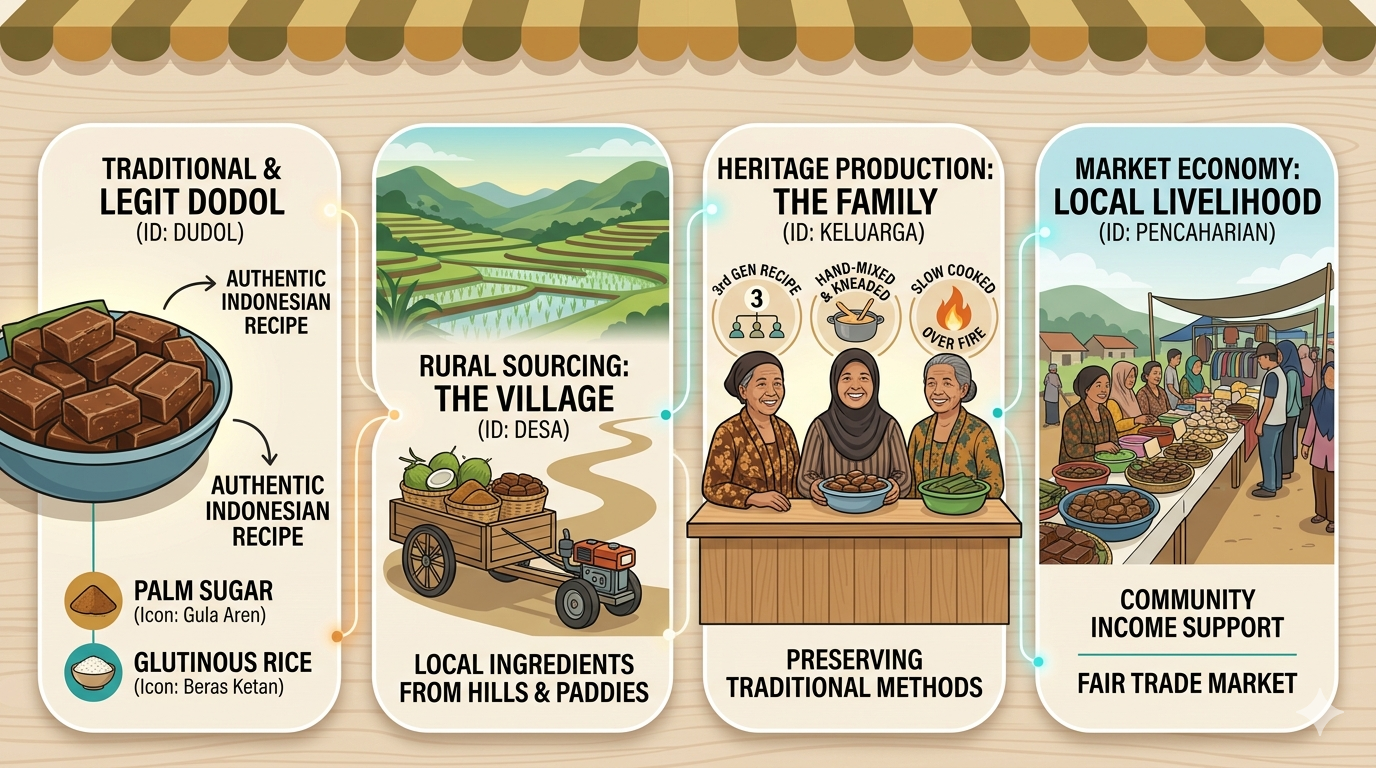
Infographic illustrating dudol ingredients and traditional preparation steps.
Disclaimer
This article is for general informational and educational purposes only. It does not constitute professional medical, nutrition, or dietary advice. References to foods do not imply endorsement or guarantee of health outcomes. Readers are encouraged to consult licensed nutritionists, dietitians, or medical professionals for personalized guidance.