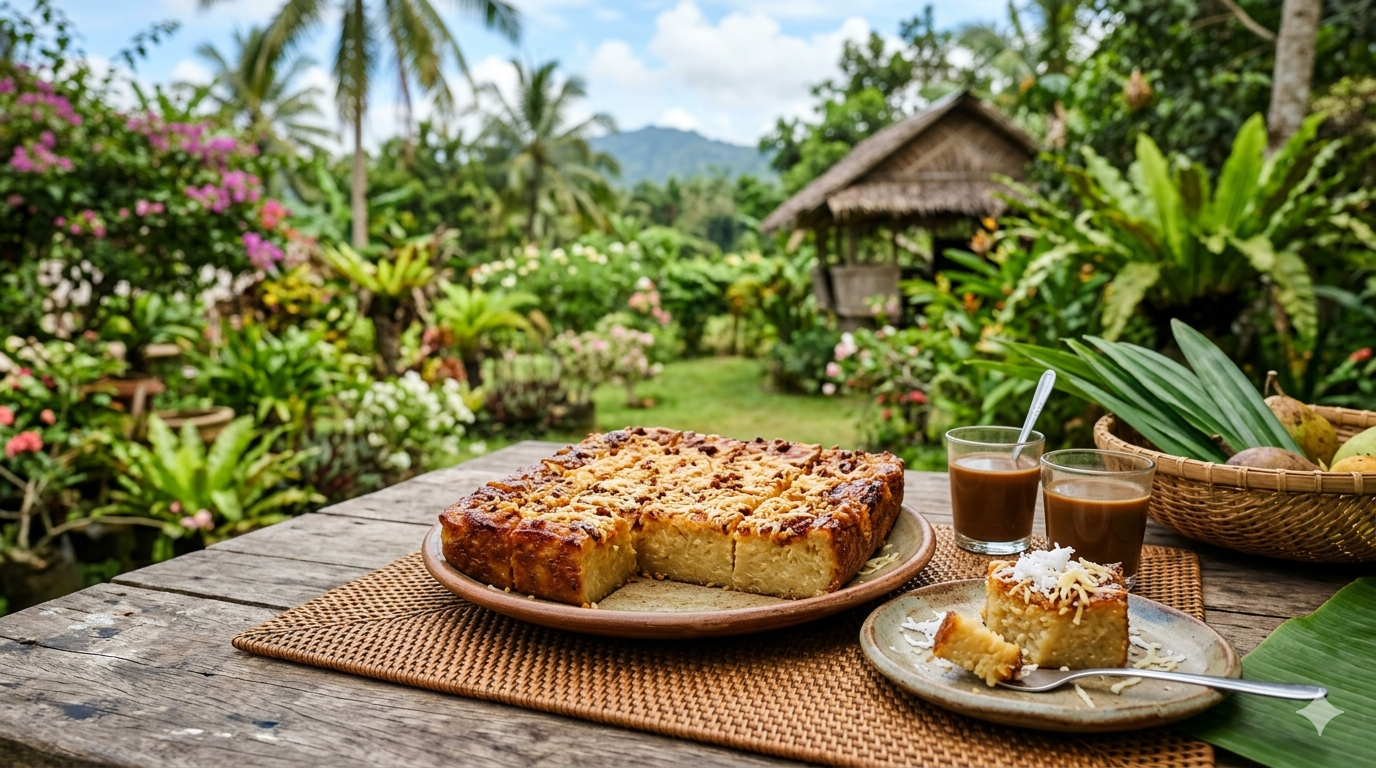
Understanding Budin (Cassava Cake): Nutritional Overview and Food Composition
A neutral guide to ingredients, preparation, and dietary considerations
This article explains budin (commonly known as cassava cake), a traditional Filipino food made primarily from grated cassava. It covers its typical ingredients, preparation methods, and general nutritional composition, within the context of food safety and labeling guidance from Philippine authorities such as the Department of Health (DOH) and Food and Drug Administration (FDA).
What Is Budin (Cassava Cake)?
Budin is a baked or steamed dessert made from cassava (also called kamoteng kahoy). It is commonly prepared in households and local food establishments across the Philippines. The texture is usually dense and moist, and the flavor profile may vary depending on added ingredients.
Common Ingredients
Typical versions of cassava cake may include:
- Grated cassava
- Coconut milk
- Sugar
- Eggs
- Butter or margarine
Some variations may include toppings such as coconut cream mixtures or grated cheese.
Basic Preparation Method
Preparation methods can differ, but generally involve:
- Mixing grated cassava with liquid ingredients and sweeteners
- Pouring the mixture into a baking container
- Baking or steaming until firm
- Adding toppings and reheating (optional)
Food safety practices, such as proper cooking and storage, are important to reduce risks associated with raw cassava.
Nutritional Composition (General Overview)
Budin is typically considered an energy-dense food due to its carbohydrate and fat content.
Carbohydrates
Cassava is a major source of carbohydrates, contributing to the overall energy content.
Fats
Coconut milk and butter contribute fats, which add texture and flavor.
Protein
Eggs provide a small amount of protein.
Micronutrients
Cassava may contain small amounts of vitamin C and minerals, though levels vary depending on preparation.
Exact nutritional values depend on ingredient proportions and serving size.
Portion and Consumption Context
Budin is commonly consumed as a snack or dessert rather than a staple meal component. Portion sizes may vary based on individual dietary patterns and preferences.
Food Labeling and Consumer Awareness
For commercially sold cassava cakes, Philippine labeling standards typically require:
- Ingredient disclosure
- Allergen information (if applicable)
- Nutritional information (in packaged forms)
Consumers may refer to these labels for additional information on product composition.
Context Section
In food science and nutrition studies, cassava-based products are recognized for their carbohydrate content and role in traditional diets. Preparation methods can influence nutrient levels, moisture content, and shelf life.
Under Philippine food safety regulations, cassava should be properly processed before consumption, as raw cassava may contain naturally occurring compounds that require adequate cooking.
Dietary responses to foods vary among individuals. For specific dietary considerations, consultation with qualified nutrition professionals may be appropriate.
FAQ
What is cassava used in budin?
Cassava is a root crop that serves as the primary ingredient in budin. It provides structure and carbohydrates to the dish.
Is cassava cake considered a staple food?
Cassava cake is generally consumed as a snack or dessert rather than a primary staple like rice.
Why is cooking cassava important?
Proper cooking helps make cassava safe for consumption by reducing naturally occurring compounds found in raw cassava.
Trusted Sources
- Department of Health (Philippines) – Food Safety and Nutrition Guidance
- Food and Drug Administration (Philippines) – Food Processing and Labeling Standards
- Food and Agriculture Organization (FAO) – Cassava Processing Guidelines
- World Health Organization (WHO) – Food Safety Resources
- Peer-reviewed food science and nutrition journals
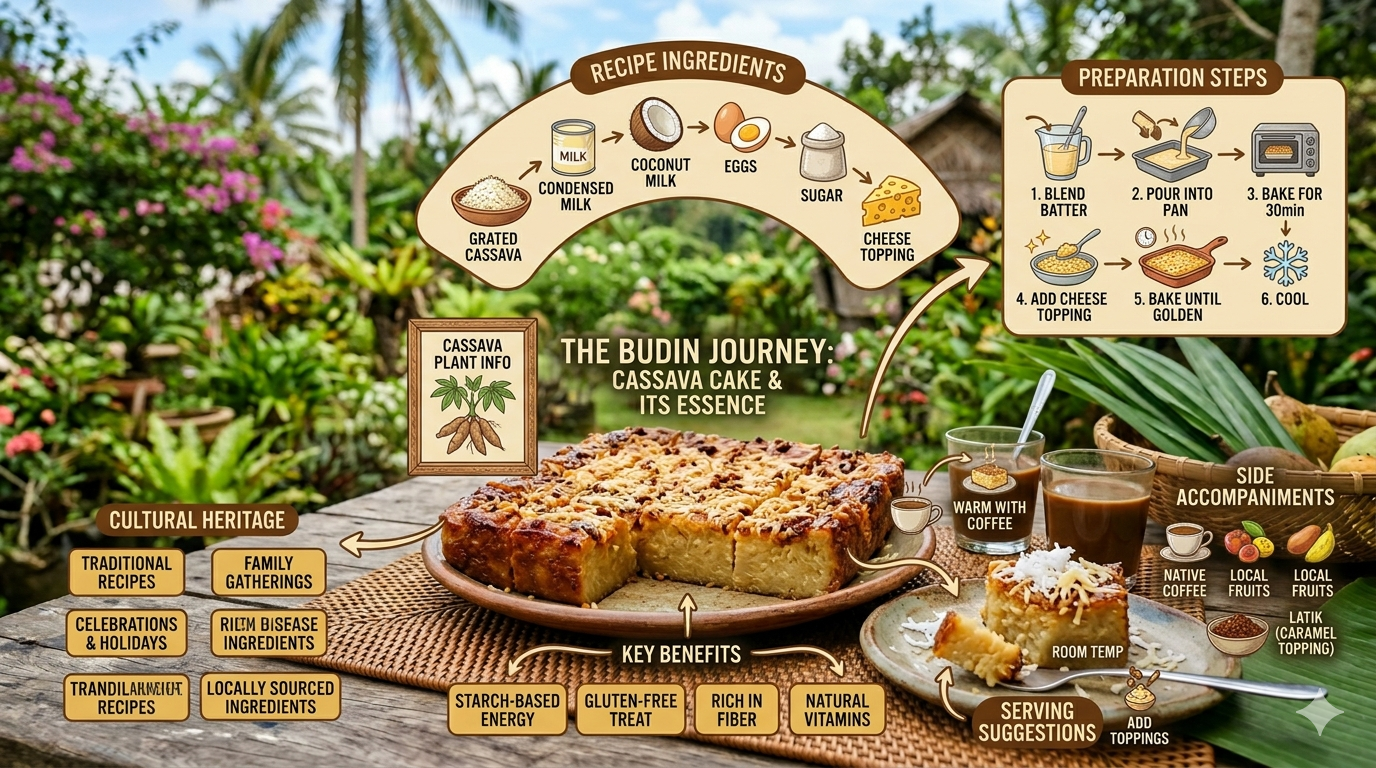
Ingredients and preparation stages of cassava cake
Disclaimer
This article is for general informational and educational purposes only. It does not constitute professional medical, nutrition, or dietary advice. References to diets, foods, or supplements do not imply endorsement or guarantee of health outcomes. Readers are encouraged to consult licensed nutritionists, dietitians, or medical professionals for personalized guidance.