
Bright Eyeshadow and Soft Glow: Understanding Common Cosmetic Eye Makeup Techniques
A neutral overview of how bright eyeshadow and soft glow finishes are commonly described in cosmetic makeup practices.
Bright eyeshadow and soft glow are descriptive terms used in cosmetic makeup to refer to certain visual styles around the eyes. These techniques typically involve color selection and light-reflective finishes applied to the eyelids or surrounding areas. This article explains what these terms mean in general cosmetic practice, how they are commonly applied, and considerations for safe eye-area cosmetic use.
Bright Eyeshadow: Basic Description
Bright eyeshadow generally refers to eye makeup that uses noticeable or high-intensity colors on the eyelids. These shades may include vivid tones such as blue, pink, gold, green, or purple. The purpose of this technique in cosmetic styling is to add color contrast around the eye area.
Common characteristics include:
- Higher pigment colors compared to neutral shades
- Application on the eyelid using brushes, applicators, or fingertips
- Layering techniques that may combine multiple colors
Makeup guides sometimes describe placement methods such as applying color to the center of the eyelid, outer corner, or crease area. The specific technique can vary depending on the makeup style being demonstrated.
Soft Glow: General Cosmetic Meaning
A soft glow finish typically refers to a subtle reflective effect created using cosmetics designed to reflect light. This effect is often achieved with products such as shimmer eyeshadow, highlighting powder, or light-reflective creams applied near the eyelid or brow bone.
Typical features of a soft glow makeup finish include:
- Mild light reflection rather than strong sparkle
- Thin layers of shimmer or luminous pigments
- Blending techniques intended to soften edges between colors
The visual result is commonly described in makeup education as a gentle light-reflective appearance rather than a matte surface.
Basic Cosmetic Application Considerations
Cosmetic products applied near the eyes should follow general safety practices recommended by health authorities and consumer protection guidelines. These practices typically include:
- Using products labeled for use around the eye area
- Avoiding expired cosmetics
- Cleaning makeup brushes and applicators regularly
- Removing eye makeup before sleeping
Individuals with eye irritation, allergies, or medical eye conditions may require additional caution when using cosmetic products around the eyes.
Context in Cosmetic Education
In cosmetic training materials and beauty education resources, bright eyeshadow and soft glow are described as stylistic makeup approaches rather than medical or vision-related practices. They are part of broader discussions on color theory, blending techniques, and product textures.
Under consumer protection and advertising standards, descriptions of cosmetic makeup effects are generally expected to avoid implying medical or functional eye benefits.
FAQ
What is bright eyeshadow?
Bright eyeshadow refers to eyelid makeup that uses vivid or highly pigmented colors. The term describes color intensity rather than a specific product type.
What does a soft glow finish mean in makeup?
A soft glow finish describes a light-reflective cosmetic effect that produces mild luminosity on the skin around the eyes.
Are all eyeshadows safe for the eye area?
Cosmetic products intended for use near the eyes are usually labeled accordingly. Using products designed specifically for eye-area application helps reduce the risk of irritation.
Trusted Sources
- Philippine Department of Health (DOH) consumer health advisories
- Philippine Food and Drug Administration (FDA) cosmetic product guidelines
- American Academy of Ophthalmology educational materials
- Peer-reviewed literature on cosmetic safety and ocular surface health
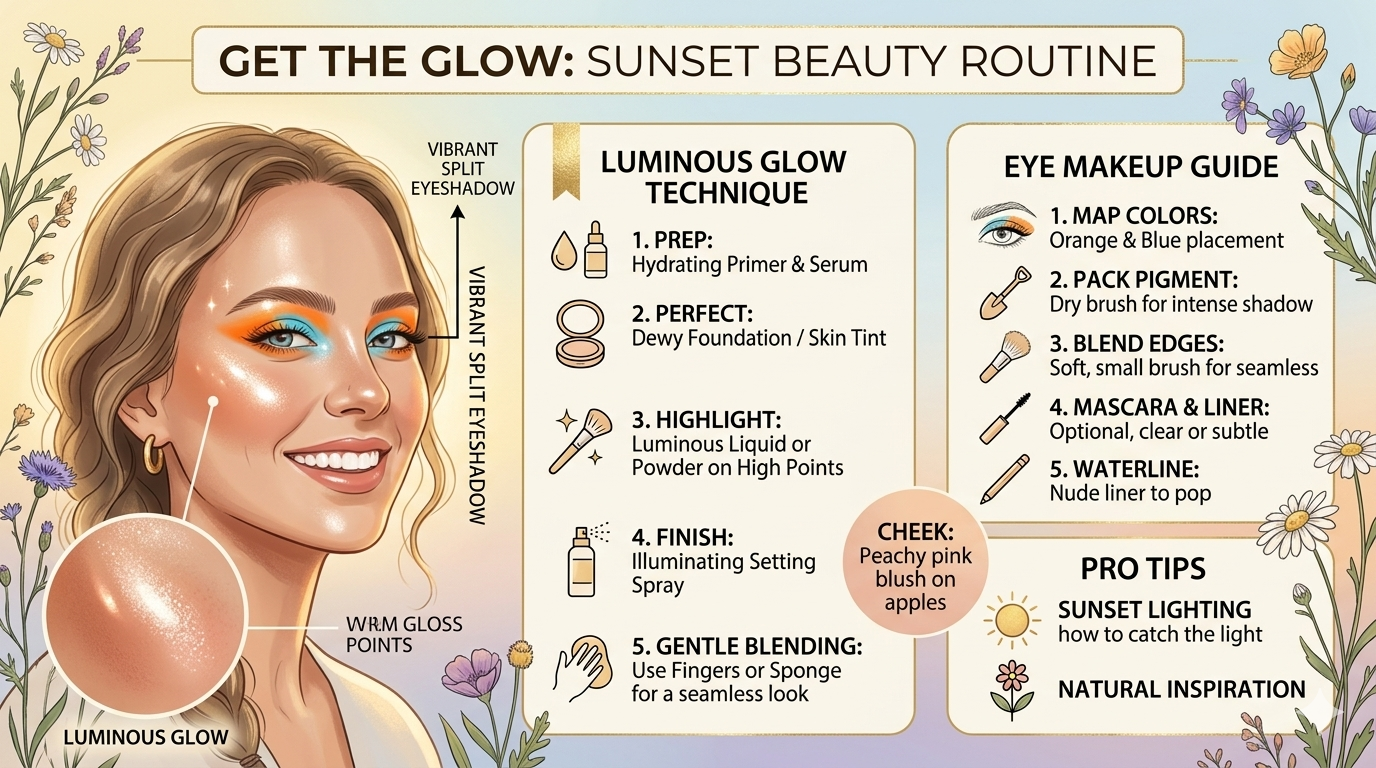
Illustrated graphic showing placement examples of bright eyeshadow colors and soft glow cosmetic finishes.
Disclaimer
This article is for general informational and educational purposes only. It does not constitute professional medical, ophthalmological, or consumer purchasing advice. References to procedures, products, or clinics do not imply endorsement or guarantee of results. Readers are encouraged to consult licensed eye care professionals and verified resources for vision health decisions.