Bicol Express

Overview of Bicol Express, highlighting ingredients, preparation, and regional culinary context.

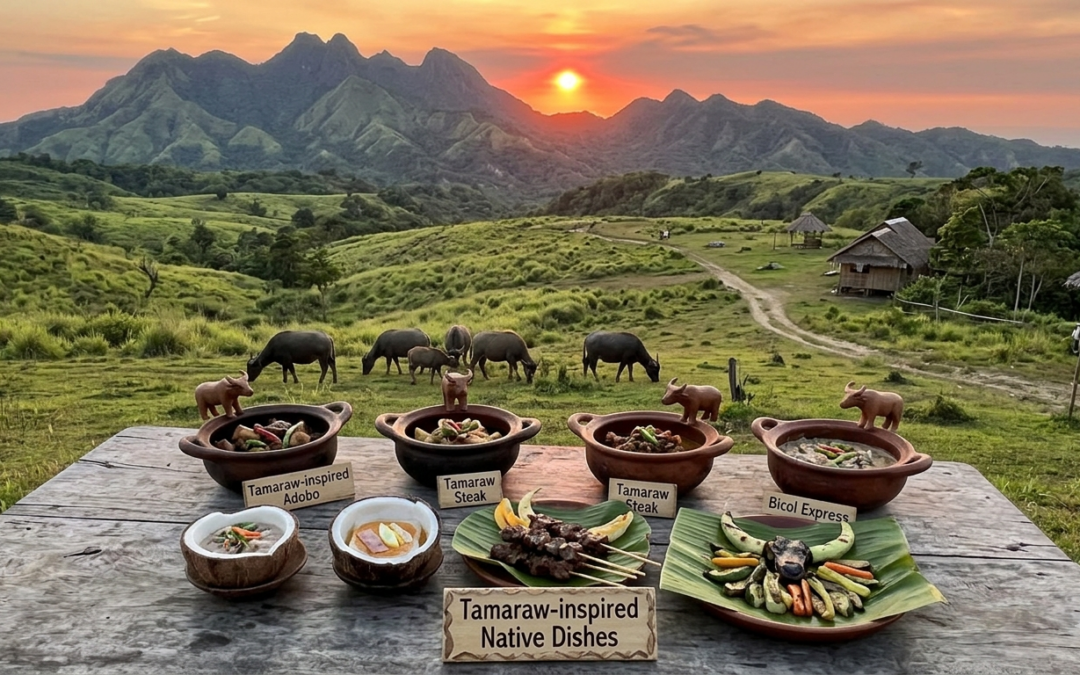
Tamaraw-inspired native dishes

Neutral look at Filipino native dishes inspired by tamaraw, focusing on traditional ingredients and cultural culinary practices.

Kilawin

Educational overview of kilawin, a vinegar-based Filipino dish, including ingredients and preparation context.

Suman sa Ibos

A neutral look at Suman sa Ibos, a Filipino rice snack made with glutinous rice and coconut, wrapped in palm leaves.

Crocodile Sisig (tourist-famous)

Educational overview of tourist-famous crocodile sisig, its preparation, and culinary context.

Danggit Lamayo

Educational overview of danggit lamayo, a lightly cured Philippine dried fish.

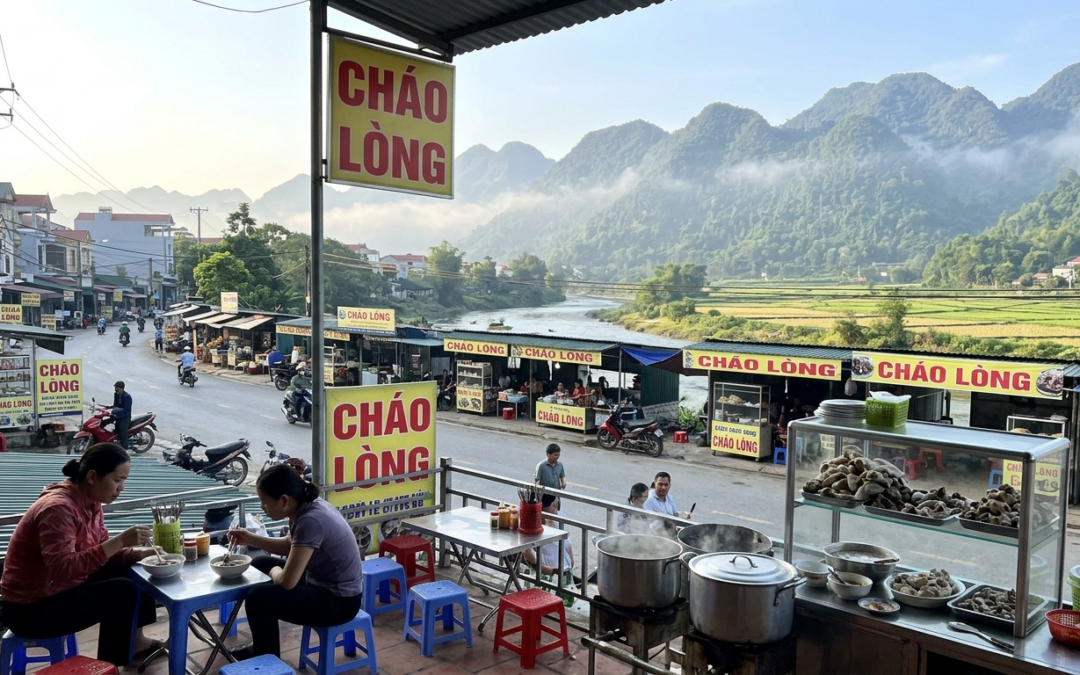
Chao Long

A neutral summary of Chao Long, its ingredients, and typical nutrient composition for educational purposes.

Tamilok (woodworm delicacy)

Educational overview of tamilok as a seafood delicacy, including handling and culinary context

Bibingka Laguna style

Educational overview of Bibingka Laguna style, describing ingredients, preparation, and cultural significance.

Kesong Puti

Educational overview of Kesong Puti, a traditional Filipino fresh cheese, including composition and culinary use.

Barley Powder (3 Grams) and Consumer Safety: A Neutral Awareness Guide

Understanding Label Transparency, Verification, and Responsible Daily Routine Considerations

Barley powder products are commonly marketed as plant-based dietary supplements, often packaged in small measured servings such as 3 grams per sachet or scoop. Consumers frequently encounter messaging about daily use, consistency, and general wellness positioning.

This article provides a neutral, compliance-focused overview of what a 3-gram barley powder serving represents, how barley-based supplements are regulated in the Philippines, what to check on product labels, how to verify authenticity, and how to approach daily routines responsibly.

The purpose of this guide is consumer awareness. It does not promote supplement use or imply health outcomes.

What Is Barley Powder?

Barley powder typically refers to powdered forms of:

  • Young barley leaves (often called barley grass), or

  • Ground whole barley grain

These products differ from cooked barley consumed as food. When sold in supplement format, barley powder is generally classified as a food supplement rather than a medicine under oversight of the Food and Drug Administration Philippines.

Marketing materials may highlight plant-based nutrients or general wellness positioning. Consumers are encouraged to evaluate official labeling and regulatory status rather than rely solely on promotional language.

What Does a 3-Gram Serving Mean?

A 3-gram serving represents a small measured quantity of powdered product. The nutritional contribution of that amount depends on several factors:

  • Whether the product is leaf-based or grain-based

  • The processing method (powdered leaf, juice extract, whole grain grind)

  • Presence of added ingredients, sweeteners, or flavorings

  • Declared serving size and nutrient information on the label

Because supplement formulations vary widely, nutrient levels and impact cannot be assumed without reviewing the Nutrition Information panel and ingredient list.

Nutrient Context in General Nutrition Education

In nutrition education discussions, barley-based powders may contain:

  • Naturally occurring plant compounds

  • Trace vitamins and minerals

  • Fiber (more common in whole grain forms)

Some products are marketed with digestive, detoxification, or immune-related claims. Consumers should recognize that such statements are often marketing language. Under Philippine regulations, supplements cannot legally claim to diagnose, treat, cure, or prevent diseases.

Effectiveness and physiological impact can vary and should not be assumed without verified evidence from credible institutional sources.

Nutrient Composition Overview of Barley Powder (3 Grams)

Barley leaf or barley grass powder is derived from young barley plants and may contain naturally occurring plant compounds, vitamins, minerals, and macronutrients. The specific profile varies by cultivation, harvest timing, processing, and laboratory analysis.

The table below presents commonly reported nutrient categories and their general biological classification purposes.

Naturally Occurring Nutrients in Barley Powder

Nutrient Category Component General Biological Classification Purpose*
Macronutrients Dietary Fiber Structural carbohydrate found in plant cell walls
Macronutrients Plant Protein Amino acid source found in plant tissues
Vitamins Vitamin A (as beta-carotene) Fat-soluble vitamin precursor found in green plants
Vitamins Vitamin C Water-soluble vitamin present in fresh plant material
Vitamins Vitamin K Fat-soluble vitamin occurring in leafy plants
Vitamins B-Complex Vitamins (varies) Water-soluble vitamins involved in cellular biochemical processes
Minerals Calcium Naturally occurring mineral in plant structures
Minerals Iron Trace mineral present in plant chlorophyll-associated tissues
Minerals Potassium Electrolyte mineral found in plant cells
Minerals Magnesium Mineral involved in plant photosynthesis processes
Phytonutrients Chlorophyll Green plant pigment responsible for photosynthesis
Phytonutrients Polyphenols Plant-derived antioxidant compounds

*Descriptions are general biological classifications and do not imply effects, benefits, outcomes, or suitability.

Composition Variability Notice

Nutrient levels may vary depending on:

  • Soil composition

  • Agricultural practices

  • Harvest stage

  • Drying method

  • Storage conditions

  • Independent laboratory testing standards

Consumers should refer to the specific product’s Nutrition Facts Panel for declared values, where applicable.

Regulatory Oversight in the Philippines

Under Philippine law, dietary supplements are regulated as food products. Oversight involves the:

  • Food and Drug Administration Philippines

  • Department of Health Philippines

Supplements must:

  • Comply with labeling standards

  • Avoid disease treatment or prevention claims

  • Provide accurate ingredient disclosure

  • Follow advertising and consumer protection laws

Product registration or notification indicates regulatory compliance requirements have been met. It does not imply guaranteed effectiveness or health outcomes.

International safety discussions on supplement use are also addressed in guidance materials from the World Health Organization.

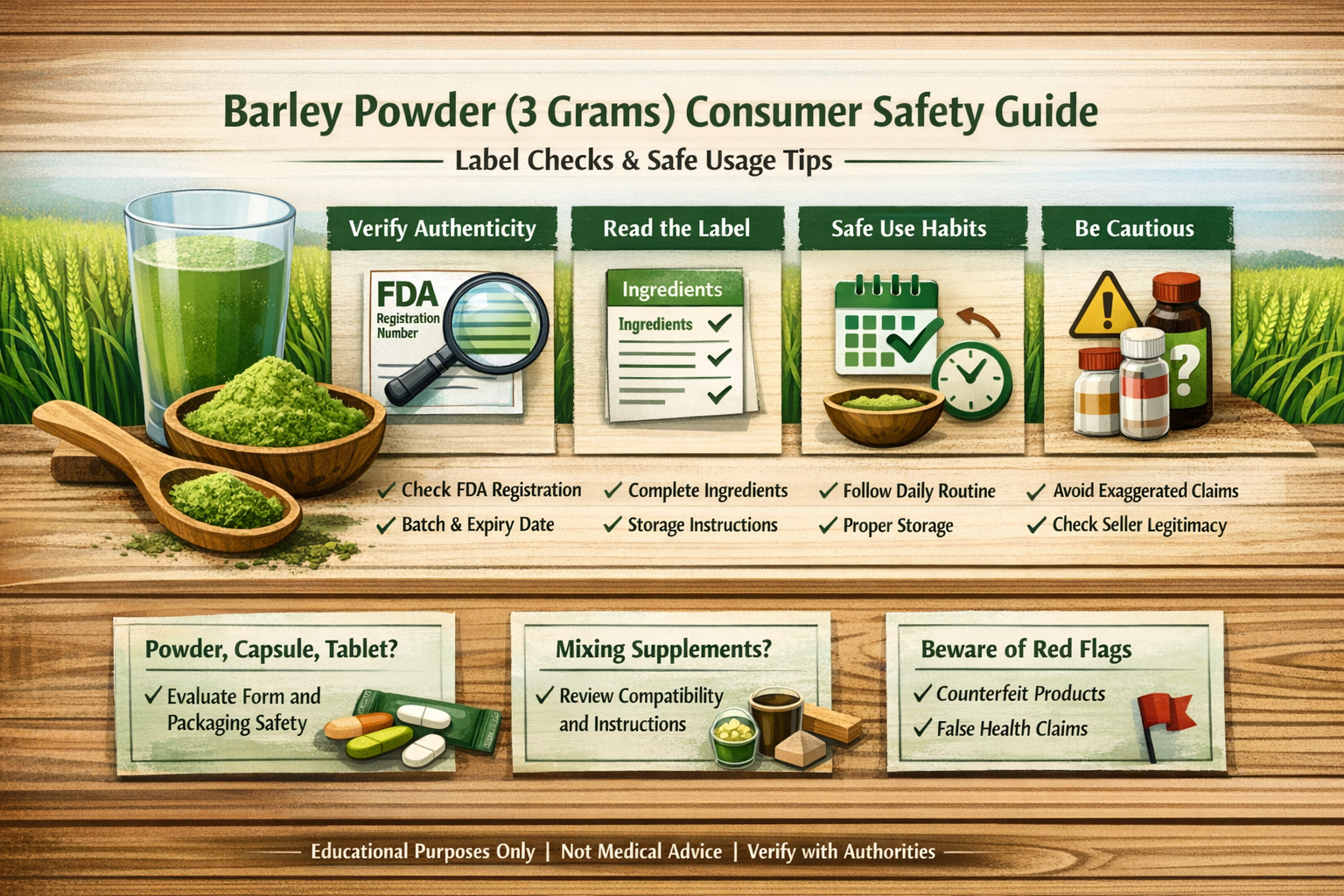
Consumer Label-Reading Checklist

Before using a barley powder product daily, consumers may review:

Regulatory & Transparency Indicators

  • Product registration or notification number (if applicable)

  • Complete ingredient list (not “proprietary blend” only)

  • Net weight and serving format

  • Manufacturer, importer, or distributor details

  • Batch or lot number

  • Expiration date

  • Storage instructions

Clear labeling supports transparency and accountability.

Authenticity and Counterfeit Risk Awareness

In supplement markets, common risks may include:

  • Counterfeit products

  • Incomplete labeling

  • Poor print quality or inconsistent packaging

  • Exaggerated health claims

  • Missing batch or lot codes

To reduce risk, consumers may check:

  • Seller legitimacy (official store or authorized distributor listing)

  • Tamper-evident seals

  • Consistent manufacturer information across platforms

  • FDA public advisories

If packaging appears inconsistent or lacks required details, it may be safer not to use the product.

Powder, Capsules, or Tablets: Is One Safer?

Safety does not depend solely on product format. Each has different consumer considerations:

  • Powder: Easier to mix; sensitive to moisture and storage conditions

  • Capsules: Pre-measured portions; contents not visually inspectable

  • Tablets: Stable form; may contain binders or coatings

Transparency, verified sourcing, packaging integrity, and regulatory compliance are generally stronger safety indicators than format alone.

Building a Responsible Daily Habit

If consumers choose to incorporate a supplement into a daily routine, a safer approach emphasizes consistency and compliance rather than increasing frequency or quantity.

General awareness-based routine strategies include:

  • Linking supplement use to an existing daily activity (e.g., meal preparation)

  • Following storage instructions exactly as stated on the label

  • Tracking expiration dates

  • Avoiding introduction of multiple new supplements simultaneously

  • Ensuring the product is not treated as a substitute for balanced meals or medical care

Supplements are optional consumer products and should not replace professional healthcare.

Common Consumer Mistakes

Consumers sometimes:

  • Purchase from unofficial sellers

  • Ignore expiration or batch details

  • Use multiple similar supplements without reviewing overlapping ingredients

  • Assume “natural” automatically means risk-free

  • Rely on social media claims instead of regulatory verification

Label transparency and regulatory verification are typically stronger safety indicators than price or popularity.

Mixing Barley Powder With Other Products

Some consumers mix powders with beverages for convenience. Considerations may include:

  • Ingredient compatibility

  • Clarity of preparation instructions

  • Stability after opening

  • Whether mixing guidance is clearly described on the label

If preparation instructions are unclear, maintaining simple and consistent usage may reduce confusion.

Why Verification Matters in Supplements

In supplement evaluation, common consumer risks often involve:

  • Counterfeit products

  • Misleading marketing claims

  • Incomplete ingredient disclosure

  • Poor storage and repackaging

  • Lack of regulatory documentation

A safety-focused approach treats supplements as optional products and prioritizes traceability, transparency, and compliance.

FAQ

1. Does FDA registration mean a barley supplement is effective?
No. Registration indicates regulatory compliance, not guaranteed effectiveness or health outcomes.

2. Is price more important than labeling transparency?
Label transparency, verifiable sourcing, and regulatory compliance are typically stronger safety indicators than price alone.

3. What is a major red flag when buying barley supplements online?
Missing manufacturer information, unclear batch numbers, and exaggerated health claims are common warning signs.

Trusted Institutional References

  • Food and Drug Administration Philippines — product verification tools and advisories

  • Department of Health Philippines — consumer health guidance

  • World Health Organization — supplement safety and nutrition references

  • Consumer Act of the Philippines (RA 7394)

Additional Educational Resources

The following resources provide extended informational discussions about barley-based products and consumer considerations. These are private educational articles and are not official regulatory authorities:

Consumers are encouraged to verify claims through official regulatory portals before making decisions.

Disclaimer

Disclaimer: This content is provided for general public awareness and educational purposes only. It does not constitute medical, nutritional, or consumer purchasing advice. Mentions of vitamins, supplements, nutrients, ingredients, or brands do not imply endorsement, effectiveness, or guaranteed health outcomes. Individuals are encouraged to consult qualified healthcare professionals and official regulatory sources when making health or supplement-related decisions.

#BarleyPowder, #GrainProducts, #FoodLabeling, #ConsumerAwareness, #PlantBasedIngredients, #ProductTransparency, #NutritionInformation, #SustainableAgriculture, #IngredientInsights, #EverydayProducts

Explore the full article for a detailed, neutral overview of 3-gram barley powder composition, labeling structure, and product presentation insights.

<a href="https://princesangreyna.com/author/iamrolanddiaz/" target="_self">iamrolanddiaz</a>

iamrolanddiaz

Author

Roland Diaz is a global health, pharmacy, and medical content expert, specialising in YMYL-compliant, EEAT-driven insights. He creates evidence-based blogs, videos, and podcasts that make complex healthcare, financial, and technology topics clear and actionable. A trusted consultant for pharmacists, medical practitioners, and enterprise brands, Roland delivers compliant content and digital marketing strategies across Australia, the US, UK, Canada, Philippines, India, Russia, and beyond. His expertise includes SEO, AEO, Agentic AI, GEO-targeting, SEM, SMO, PR, and brand management, consistently generating measurable ROI and 10x–30x quarterly value. Renowned for clarity, balance, and ethical communication, Roland empowers brands to optimise content for engagement, discoverability, and conversion in both local and global markets.
  • Reviewed by: Roland Diaz
  • Credentials: Editorial Content Production Manager
  • Compliance: Global Government Rules, Google Algorithm Compliance, YMYL, and EEAT. Etc. 
<a href="https://princesangreyna.com/author/iamrolanddiaz/" target="_self">iamrolanddiaz</a>

iamrolanddiaz

Author

Roland Diaz is a global health, pharmacy, and medical content expert, specialising in YMYL-compliant, EEAT-driven insights. He creates evidence-based blogs, videos, and podcasts that make complex healthcare, financial, and technology topics clear and actionable. A trusted consultant for pharmacists, medical practitioners, and enterprise brands, Roland delivers compliant content and digital marketing strategies across Australia, the US, UK, Canada, Philippines, India, Russia, and beyond. His expertise includes SEO, AEO, Agentic AI, GEO-targeting, SEM, SMO, PR, and brand management, consistently generating measurable ROI and 10x–30x quarterly value. Renowned for clarity, balance, and ethical communication, Roland empowers brands to optimise content for engagement, discoverability, and conversion in both local and global markets.
  • Reviewed by: Roland Diaz
  • Credentials: Editorial Content Production Manager
  • Compliance: Global Government Rules, Google Algorithm Compliance, YMYL, and EEAT. Etc.