Understanding Bagnet: A Traditional Filipino Dish
This article provides an educational overview of bagnet, a traditional Filipino dish, including its ingredients, preparation method, and general nutritional characteristics. The discussion is aligned with food safety and consumer awareness principles relevant in the Philippines.
What Is Bagnet?
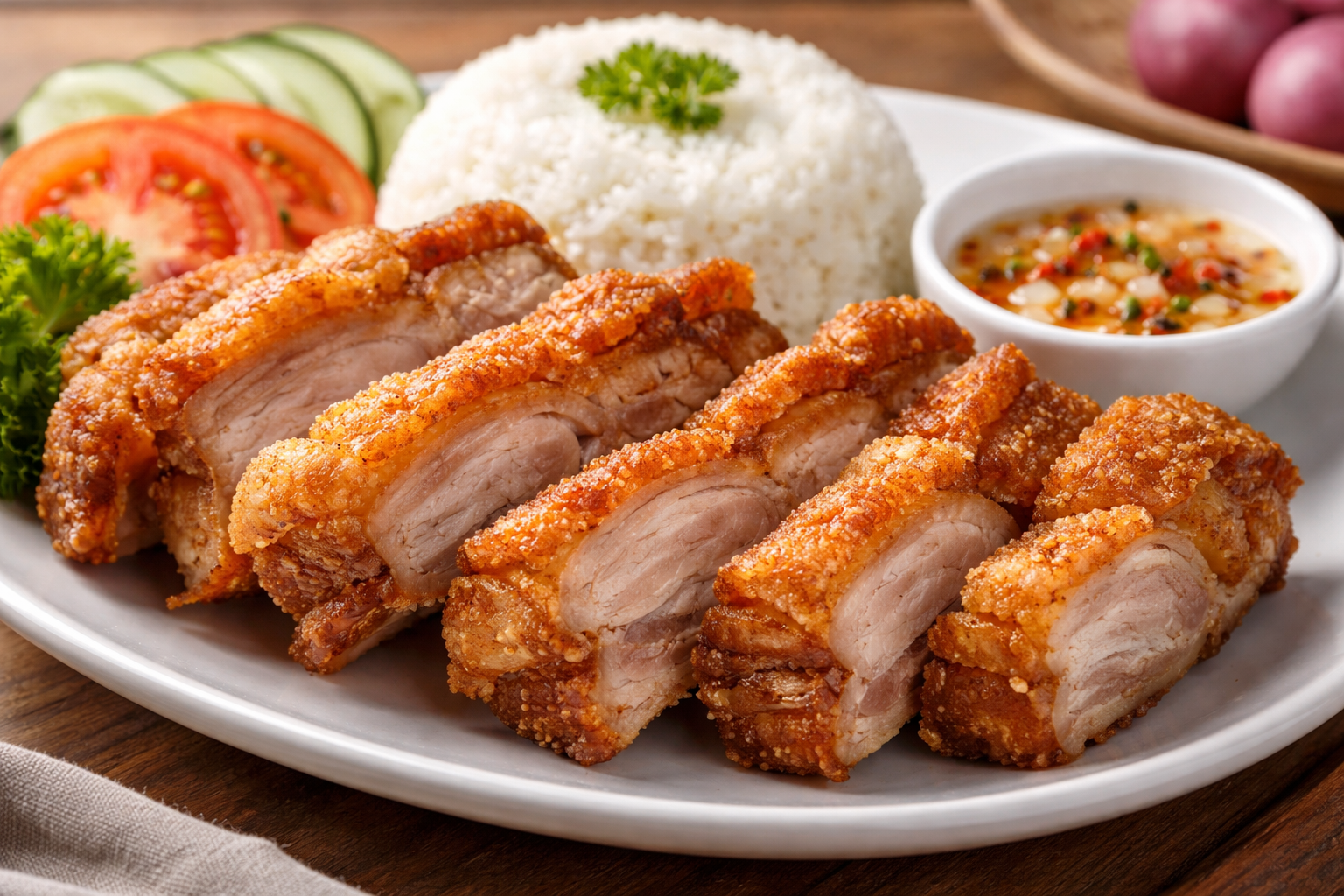
Bagnet is a Filipino dish originating from the Ilocos region. It is made from pork, typically pork belly, that is boiled and then deep-fried until it becomes crispy.
It is commonly served with:
- Steamed rice
- Vegetables such as eggplant or bitter melon
- Dipping sauces like vinegar-based mixtures
Basic Preparation Method (Overview)
The preparation of bagnet generally involves:
- Boiling pork with seasonings (such as garlic and bay leaves)
- Drying the meat
- Deep-frying until the outer layer becomes crisp
This process contributes to its distinctive texture.
Nutritional Characteristics (General Information)
Bagnet is typically considered an energy-dense food due to:
- High fat content from pork belly
- Protein content from meat
- Cooking method involving deep frying
Because of its composition, it is often consumed in moderation within a varied diet.
Role in a Balanced Meal
In meal planning, dishes like bagnet may be paired with:
- Vegetables (for fiber and micronutrients)
- Rice or other grains (for carbohydrates)
This combination helps create a more varied nutrient intake.
Food Safety and Consumer Awareness
Under Philippine food safety guidelines:
- Pork should be properly cooked to safe internal temperatures
- Cooking oil should be handled carefully and not reused excessively
- Prepared food should be stored safely to prevent spoilage
Consumers purchasing bagnet products (fresh or packaged) are encouraged to check labeling and food handling practices in accordance with FDA Philippines standards.
Context Section
In nutrition science, fried foods are often categorized as higher in fat due to their cooking method. Dietary patterns typically emphasize variety and balance across food groups rather than focusing on single dishes.
Cultural foods such as bagnet are part of traditional eating practices and may be included in meals depending on individual preferences and dietary considerations.
FAQ (AEO-Safe)
What is bagnet made of?
Bagnet is primarily made from pork belly that is boiled and then deep-fried until crispy.
Is bagnet considered high in fat?
Bagnet generally contains higher fat levels due to the cut of meat and frying method.
How is bagnet usually served?
It is commonly served with rice, vegetables, and dipping sauces such as vinegar-based mixtures.
Trusted Sources
- Department of Health (Philippines)
- Food and Drug Administration (Philippines)
- Philippine food and nutrition guidelines
- Peer-reviewed food science and nutrition journals
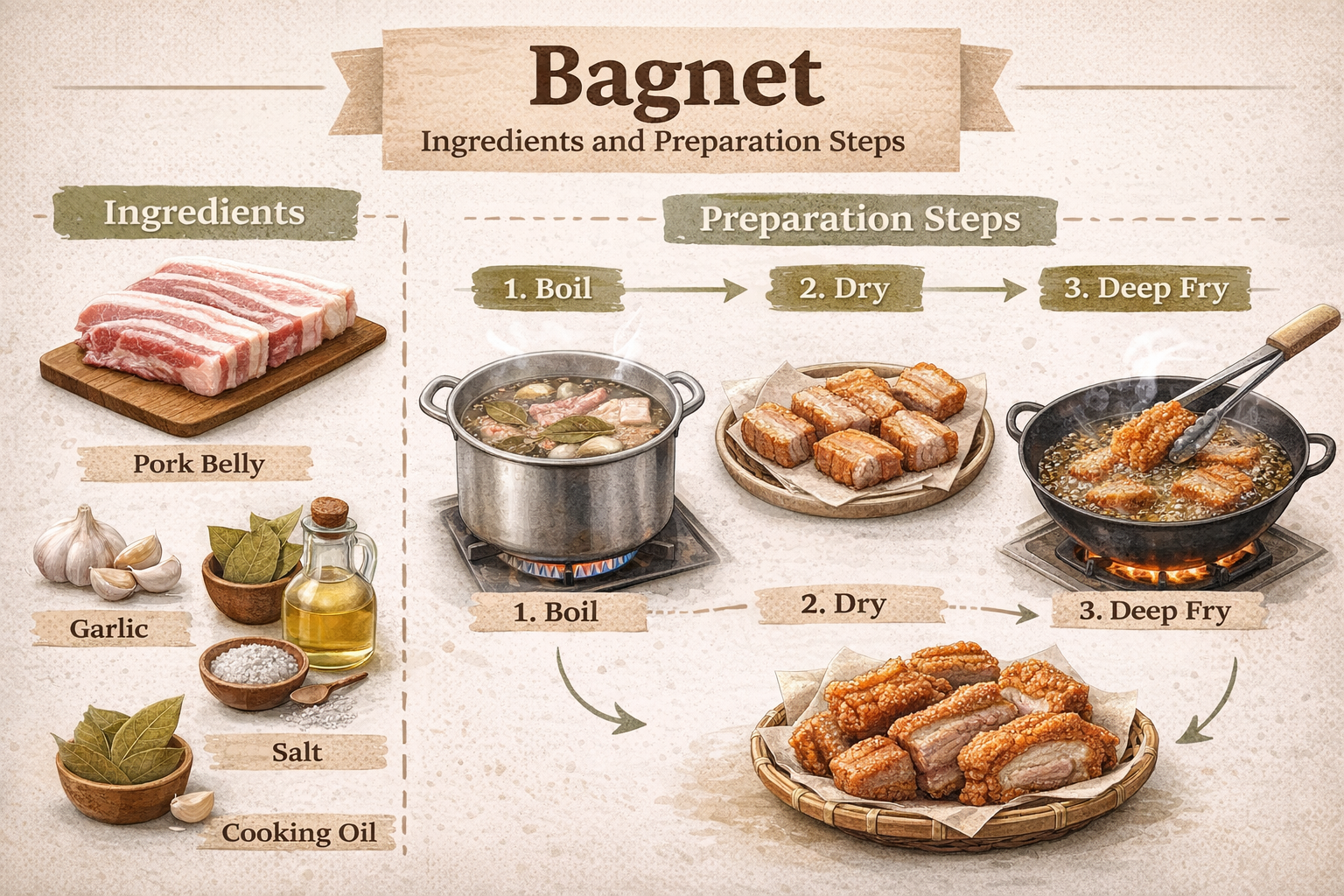
Illustrated steps and ingredients used in bagnet preparation
Disclaimer
This article is for general informational and educational purposes only. It does not constitute professional medical, nutrition, or dietary advice. References to diets, foods, or supplements do not imply endorsement or guarantee of health outcomes. Readers are encouraged to consult licensed nutritionists, dietitians, or medical professionals for personalized guidance.