
Bacalao: Nutritional Overview and Considerations
This article provides an educational overview of bacalao (salted codfish), including its nutritional composition, dietary use, and safe consumption considerations under Philippine food safety and labeling standards (DOH/FDA).
Nutritional Principles
- Bacalao is high in protein, providing essential amino acids necessary for general nutrition.
- It is low in carbohydrates and typically contains negligible sugar.
- Due to the salting process, bacalao is high in sodium, which is a nutrient of concern if consumed frequently.
- Some micronutrients, such as calcium, phosphorus, and selenium, are naturally present in codfish.
Dietary Considerations
- Rehydration and desalting are recommended before cooking to reduce sodium content.
- It can be included in various dishes, such as soups, stews, or sautéed preparations, as part of a diverse protein intake.
- Portion awareness is important due to sodium content, especially for individuals monitoring blood pressure.
Hypothetical Meal Example
- Breakfast: Plain rice with sautéed vegetables (no bacalao)
- Lunch: Vegetable stew with a moderate portion of rehydrated bacalao
- Dinner: Grilled fish (other than bacalao) with a side of leafy greens
(This is illustrative and does not imply health outcomes.)
Context Section
Under nutrition science studies, dried salted fish like bacalao is recognized for its protein content but also noted for high sodium levels. Diet planning typically involves balancing nutrient intake while monitoring sodium and other micronutrients. Individual dietary responses vary. Consult licensed nutrition or medical professionals for personalized guidance.
Optional FAQ
What is bacalao?
Bacalao is dried and salted codfish commonly used in traditional cooking in various countries.
Is bacalao high in protein?
Yes, like most fish, it provides a notable source of protein per serving.
Are there safety considerations when eating bacalao?
Yes. Because it is salted, rehydrating and monitoring portion sizes helps manage sodium intake.
Trusted Sources
- Department of Health (DOH) Philippines – Nutrition Guidelines
- Food and Drug Administration (FDA) Philippines – Fishery Products and Labeling
- Peer-reviewed journals on food preservation and nutrient analysis
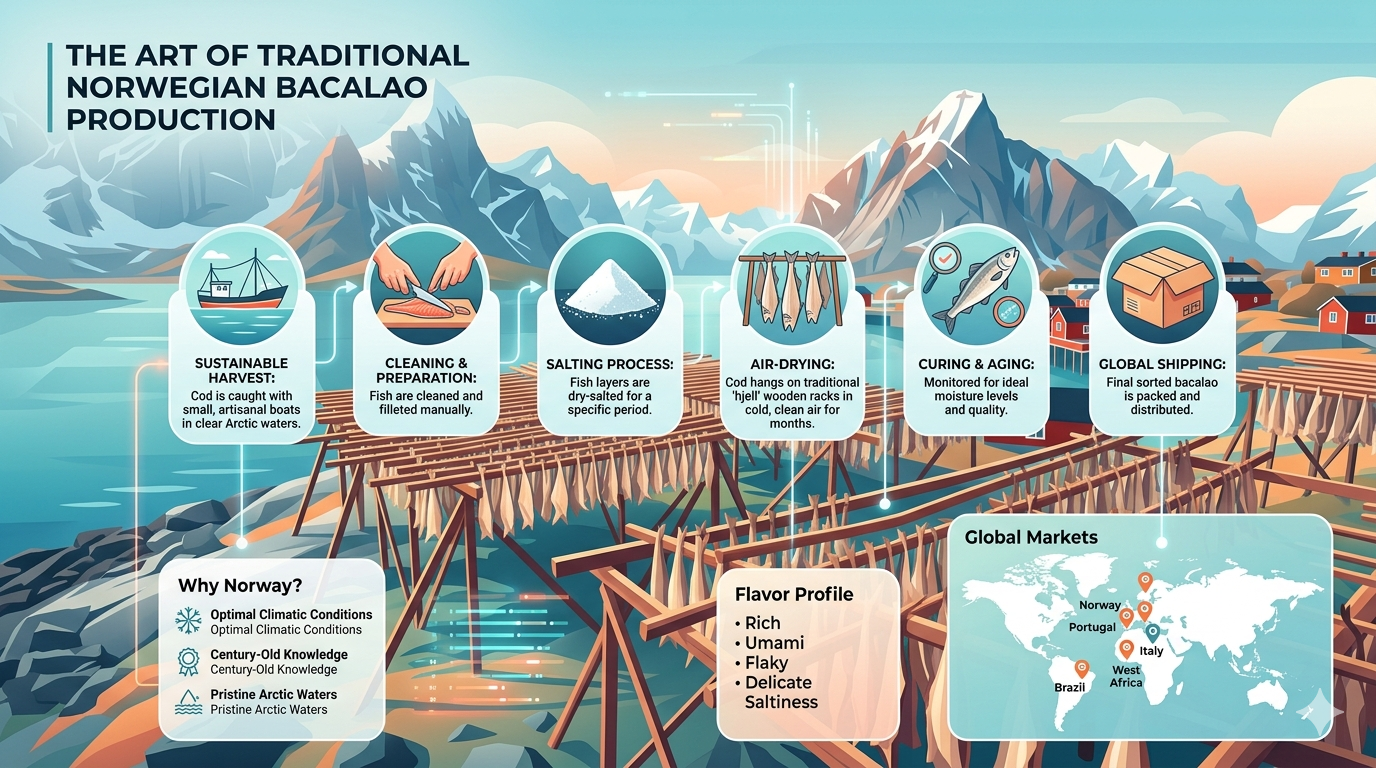
Illustration presenting salted codfish, its culinary uses, and nutrient highlights
Disclaimer
This article is for general informational and educational purposes only. It does not constitute professional medical, nutrition, or dietary advice. References to foods or preparations do not imply endorsement or guarantee of health outcomes. Readers are encouraged to consult licensed nutritionists, dietitians, or medical professionals for personalized guidance.