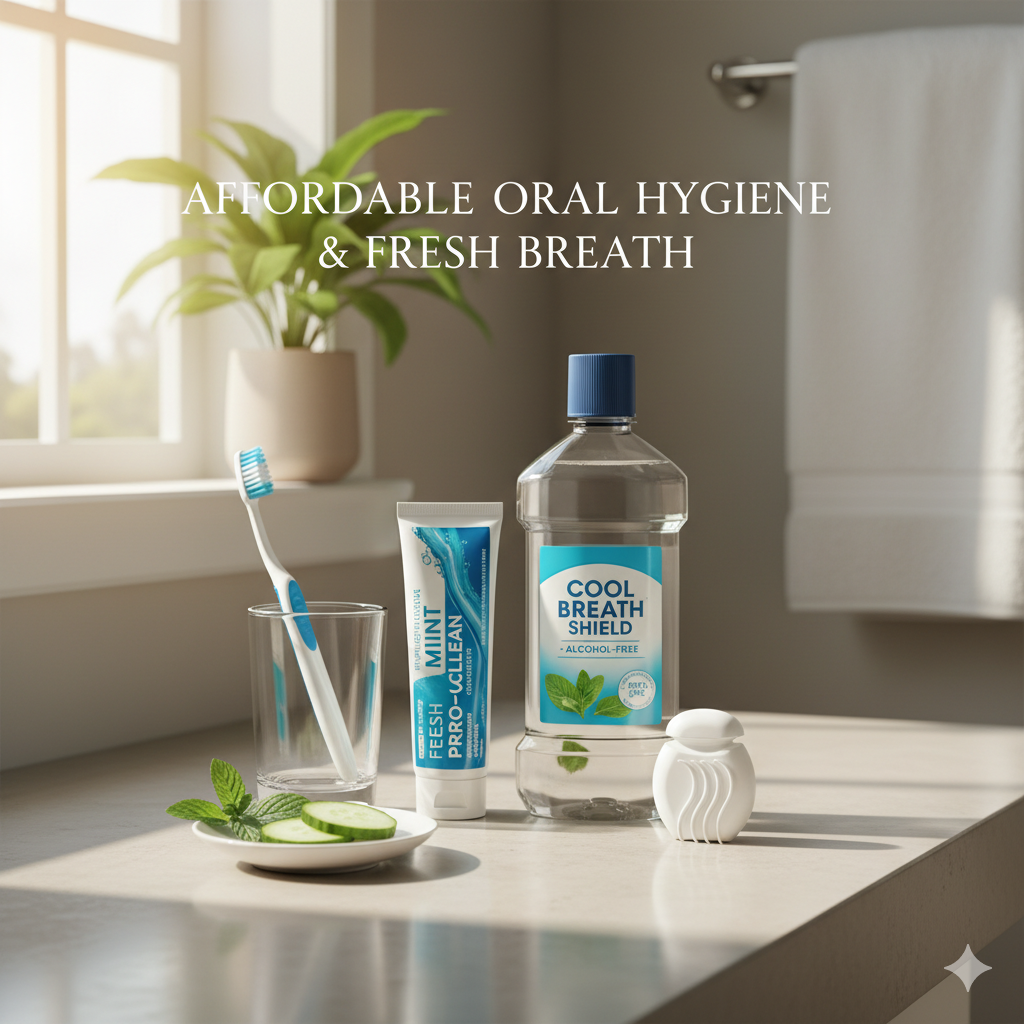
Affordable Oral Hygiene and Fresh Breath: An Educational Overview
General information on daily oral hygiene practices and commonly available tools that support oral cleanliness.
Oral hygiene refers to daily practices that help maintain cleanliness in the mouth, including the teeth, gums, and tongue. These practices are commonly discussed in public health education and dental care resources. Health guidance in the Philippines is supported by institutions such as the Department of Health Philippines and the Food and Drug Administration Philippines, which provide information on safe health products and preventive care. This article provides a neutral overview of oral hygiene routines, factors related to breath freshness, and commonly used hygiene tools.
Understanding Oral Hygiene
Oral hygiene involves maintaining the cleanliness of structures in the mouth. These structures include:
- Teeth, which assist in chewing and speech
- Gums, which support and protect tooth roots
- Tongue, which can retain food particles and oral bacteria
- Saliva, which helps rinse the mouth and supports oral balance
Dental education materials often describe oral hygiene as a routine that reduces the accumulation of food debris and microbial biofilm, sometimes called dental plaque.
Factors Related to Breath Freshness
Breath odor can have several possible causes. Educational dental sources commonly mention the following contributing factors:
- Food particles remaining in the mouth
- Oral bacteria that produce odor-causing compounds
- Dry mouth conditions that reduce saliva flow
- Accumulation on the tongue surface
- Certain foods and beverages
These factors are discussed in dental literature as part of general oral health awareness. Breath characteristics can vary among individuals and may also relate to broader health conditions.
Common Oral Hygiene Tools
Public health education often references several tools used in routine oral hygiene. Availability and cost may vary by location and brand.
Toothbrush
Manual toothbrushes are widely used for mechanical cleaning of teeth and gum areas.
Fluoride Toothpaste
Toothpaste formulations commonly include fluoride, which is studied in dental research for its role in tooth enamel protection.
Dental Floss or Interdental Cleaners
These tools are designed to reach spaces between teeth that may not be easily reached by a toothbrush.
Tongue Cleaners
Tongue-cleaning tools are sometimes used to remove surface debris from the tongue.
Alcohol-free Mouth Rinses
Some oral rinses are formulated to help rinse residual particles from the mouth. Product formulations vary.
The presence of these tools in dental care discussions does not imply necessity for all individuals. Dental professionals may provide individualized guidance.
Affordable Access to Oral Hygiene Tools
In many communities, oral hygiene products are available through pharmacies, supermarkets, and community health programs. Public health campaigns may encourage access to basic oral care supplies as part of preventive health awareness.
Price ranges can vary depending on product type, brand, and retail location. Government and school-based health programs sometimes distribute oral hygiene materials for educational purposes.
Context: Preventive Dental Care in Public Health
Preventive oral health education is commonly promoted in many countries, including the Philippines. Health authorities and dental associations often encourage regular hygiene routines as part of broader preventive care strategies.
Regulatory frameworks such as the Consumer Act of the Philippines (RA 7394) also address consumer protection and product transparency. In addition, health product oversight may involve agencies such as the Food and Drug Administration Philippines, which regulates certain consumer health products.
These regulatory systems aim to support accurate product information and consumer awareness.
FAQ
What is oral hygiene?
Oral hygiene refers to daily practices that maintain cleanliness of the mouth, including the teeth, gums, and tongue. These routines are commonly discussed in dental education materials.
What factors can influence breath odor?
Breath odor may be influenced by oral bacteria, retained food particles, dry mouth, or tongue coating. Dental literature describes several possible contributing factors.
What tools are commonly used for oral hygiene?
Common tools include toothbrushes, toothpaste, dental floss, tongue cleaners, and oral rinses. Availability and product types vary across markets.
Trusted Sources
- Department of Health Philippines
- Food and Drug Administration Philippines
- World Health Organization
- American Dental Association
- Peer-reviewed dental research journals
Disclaimer
This article is for general informational and educational purposes only. It does not constitute professional medical, dental, or consumer purchasing advice. References to procedures, products, or clinics do not imply endorsement or guarantee of results. Readers are encouraged to consult licensed dental professionals and verified resources for oral health decisions.
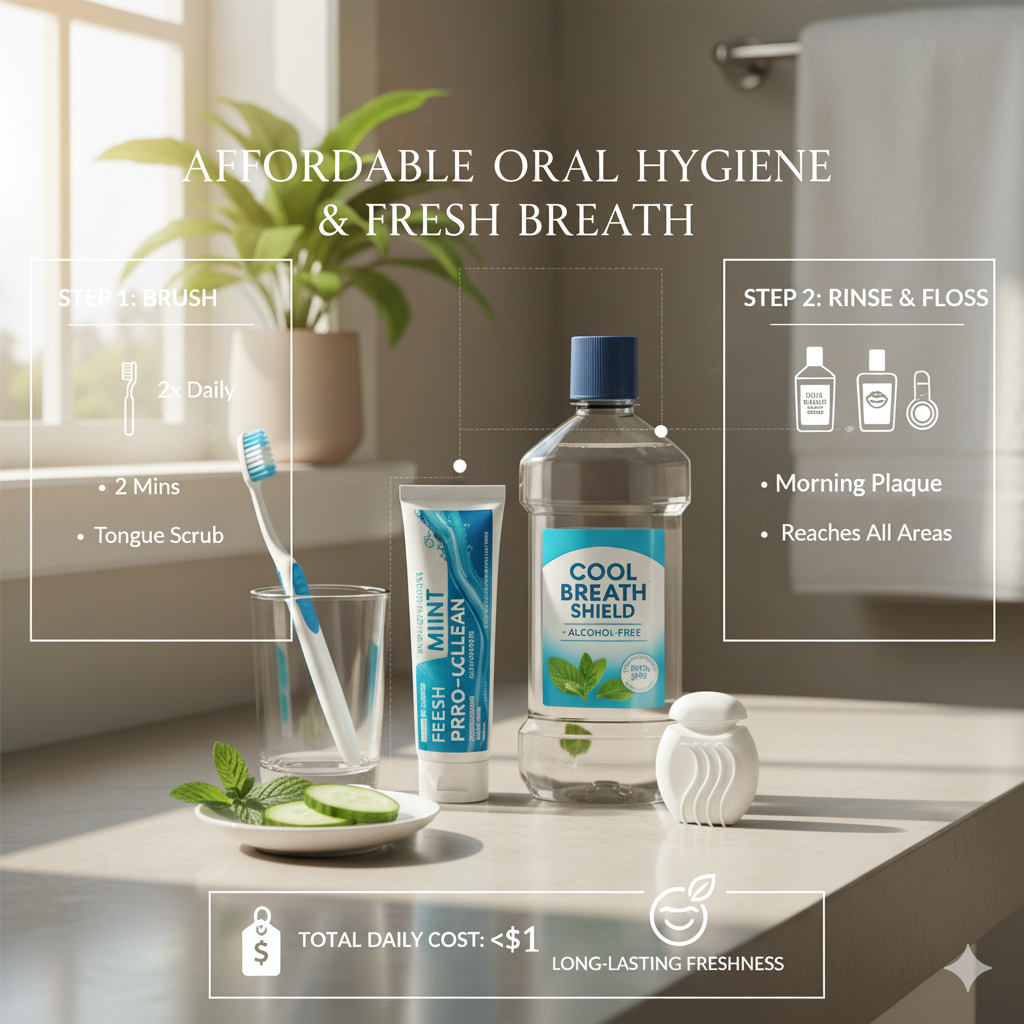
Illustrated layout of oral hygiene tools and routine steps.