Understanding Teeth Whitening and Preventive Dental Checkups: An Educational Overview
A neutral guide explaining common dental whitening methods and the role of routine oral examinations.
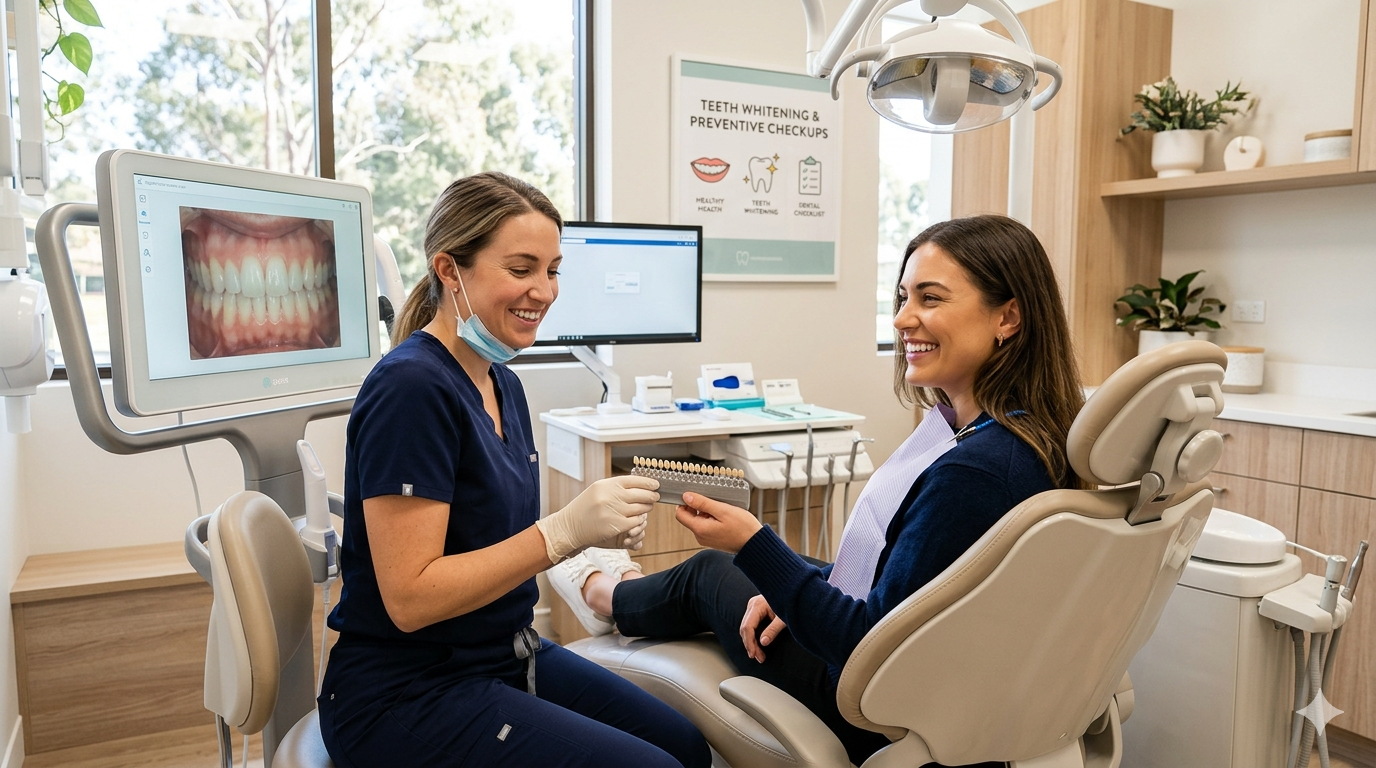
Teeth whitening and preventive dental checkups are commonly discussed topics in oral health information. Whitening procedures relate to methods that may alter the color appearance of teeth, while preventive checkups involve routine dental examinations and monitoring of oral conditions. This article provides an educational overview of how these topics are generally described in dental literature and public health guidance, including references to preventive practices discussed by health authorities.
Tooth Color and Basic Dental Structure
Teeth contain several structural layers. The outer layer, known as enamel, is a mineralized surface that protects the tooth. Beneath enamel lies dentin, which has a naturally yellowish tone and contributes to the overall appearance of tooth color. The innermost portion contains the pulp, which includes nerves and blood vessels.
Changes in tooth color may occur over time for different reasons. These can include natural aging processes, dietary pigments, or internal changes in tooth structure. Dental literature often classifies color changes into extrinsic stains (surface-level) and intrinsic discoloration (within the tooth).
Overview of Teeth Whitening Methods
Teeth whitening generally refers to procedures intended to alter the visible color of teeth. Methods described in dental education may include:
- Professional dental whitening procedures, conducted in clinical settings using materials designed for dental use.
- Take-home whitening systems, sometimes provided by dental professionals with instructions for use.
- Over-the-counter products, such as whitening toothpaste or strips available in retail markets.
These approaches may differ in ingredients, concentration levels, and methods of application. Public health guidance typically emphasizes that dental procedures involving chemical agents should be evaluated or supervised by licensed dental professionals.
Individual outcomes may vary depending on factors such as tooth structure, existing restorations, and the cause of discoloration.
Preventive Dental Checkups
Preventive dental checkups involve routine oral examinations conducted by licensed dental practitioners. These appointments may include:
- Visual inspection of teeth and gums
- Assessment for signs of tooth decay
- Evaluation of gum health
- Review of oral hygiene practices
- Discussion of patient dental history
Dental professionals may also perform or recommend additional procedures during checkups when clinically indicated, such as professional cleaning or diagnostic imaging.
Preventive visits are commonly discussed in dental public health programs because they allow monitoring of oral conditions before they progress. The exact schedule of dental visits may differ depending on individual oral health status and professional recommendations.
Hypothetical Example
A hypothetical patient attends a routine dental checkup after noticing changes in tooth color. During the examination, the dentist reviews the patient’s oral hygiene habits and evaluates possible causes of discoloration. The practitioner may discuss general information about whitening options and preventive care practices. Decisions regarding procedures would typically depend on clinical findings and the patient’s overall oral health.
Context Section
In dental research and public health education, preventive care is frequently described as an important component of oral health management. Preventive practices may include routine examinations, proper brushing techniques, flossing, and monitoring of dietary factors.
Under consumer protection and medical advertising standards, information about dental treatments is generally expected to avoid guarantees or exaggerated outcomes. Dental professionals are typically encouraged to provide individualized assessments before recommending any clinical procedures.
Health authorities in many countries, including the Philippines, emphasize accurate health communication and informed decision-making when discussing dental care options.
FAQ
What is teeth whitening?
Teeth whitening refers to procedures or products designed to alter the visible color of teeth. Methods may involve chemical agents or abrasive materials that interact with stains or pigments affecting tooth appearance.
What is a preventive dental checkup?
A preventive dental checkup is a routine examination performed by a licensed dental professional to monitor oral health conditions, including teeth, gums, and surrounding structures.
What tools are commonly used for oral hygiene at home?
Common oral hygiene tools include toothbrushes, dental floss, and fluoride toothpaste. Some individuals also use brushing timers, oral health tracking applications, or interdental cleaning tools as part of their routine.
Trusted Sources
- Department of Health (Philippines)
- Food and Drug Administration Philippines
- World Health Organization
- American Dental Association
- Peer-reviewed dental journals and academic oral health references
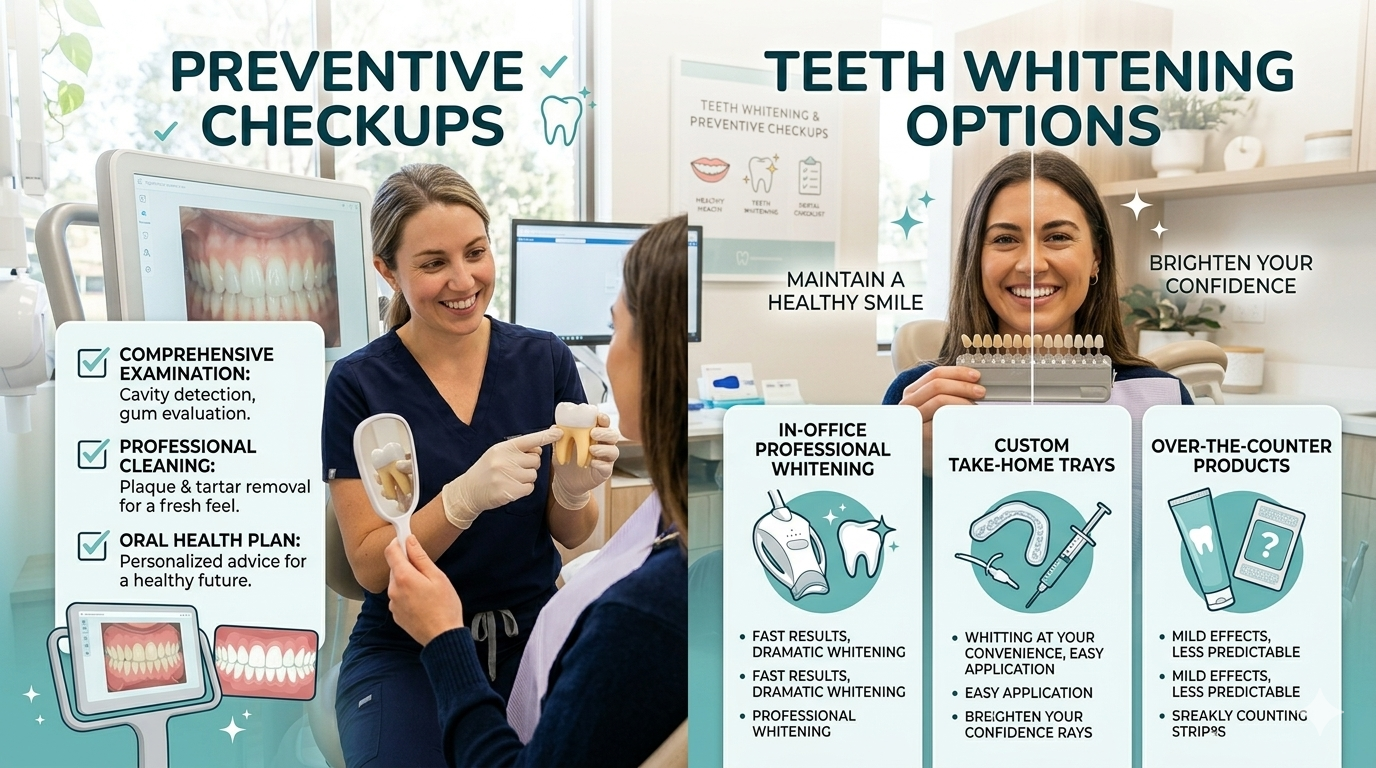
Infographic presenting tooth structure layers and a general dental examination setting.
Disclaimer
This article is for general informational and educational purposes only. It does not constitute professional medical, dental, or consumer purchasing advice. References to procedures, products, or clinics do not imply endorsement or guarantee of results. Readers are encouraged to consult licensed dental professionals and verified resources for oral health decisions.