Hot and humid climates are a regular part of daily life in the Philippines. These environmental conditions influence how skin feels, behaves, and interacts with everyday products. Understanding general skin changes linked to climate can help consumers interpret labels, textures, and routine care categories more clearly.
This article provides neutral, educational context only. It does not offer medical advice or product recommendations.
Table of Contents
- Why This Topic Matters in the Philippines
- Common Skin Characteristics in Hot and Humid Weather
- Environmental Factors That Influence Skin Feel
- Climate-Responsive Skin Care Categories
- Simple Daily Care Observations
- FAQs
- Trusted Sources
- Mandatory Disclaimer
- Product Range Overview
Why This Topic Matters in the Philippines
The Philippines experiences consistently warm temperatures and high humidity throughout much of the year. These environmental conditions can affect skin surface moisture, oil presence, and how products interact with the skin during daily activities.
Understanding climate-related skin changes helps consumers read labels accurately and manage expectations when using everyday skin care products.
Common Skin Characteristics in Hot and Humid Weather
In humid environments, skin is often described as feeling moist or warm for extended periods. Increased environmental moisture can influence how quickly products absorb or remain on the skin surface.
Some people notice changes in skin texture throughout the day due to sweat, outdoor exposure, or prolonged humidity.
Environmental Factors That Influence Skin Feel
Temperature and humidity affect evaporation rates on the skin surface. In humid air, moisture tends to remain longer on the skin, which can change how products spread or dry.
Outdoor exposure, indoor ventilation, and physical activity may also influence how skin feels at different times of the day.
Climate-Responsive Skin Care Categories
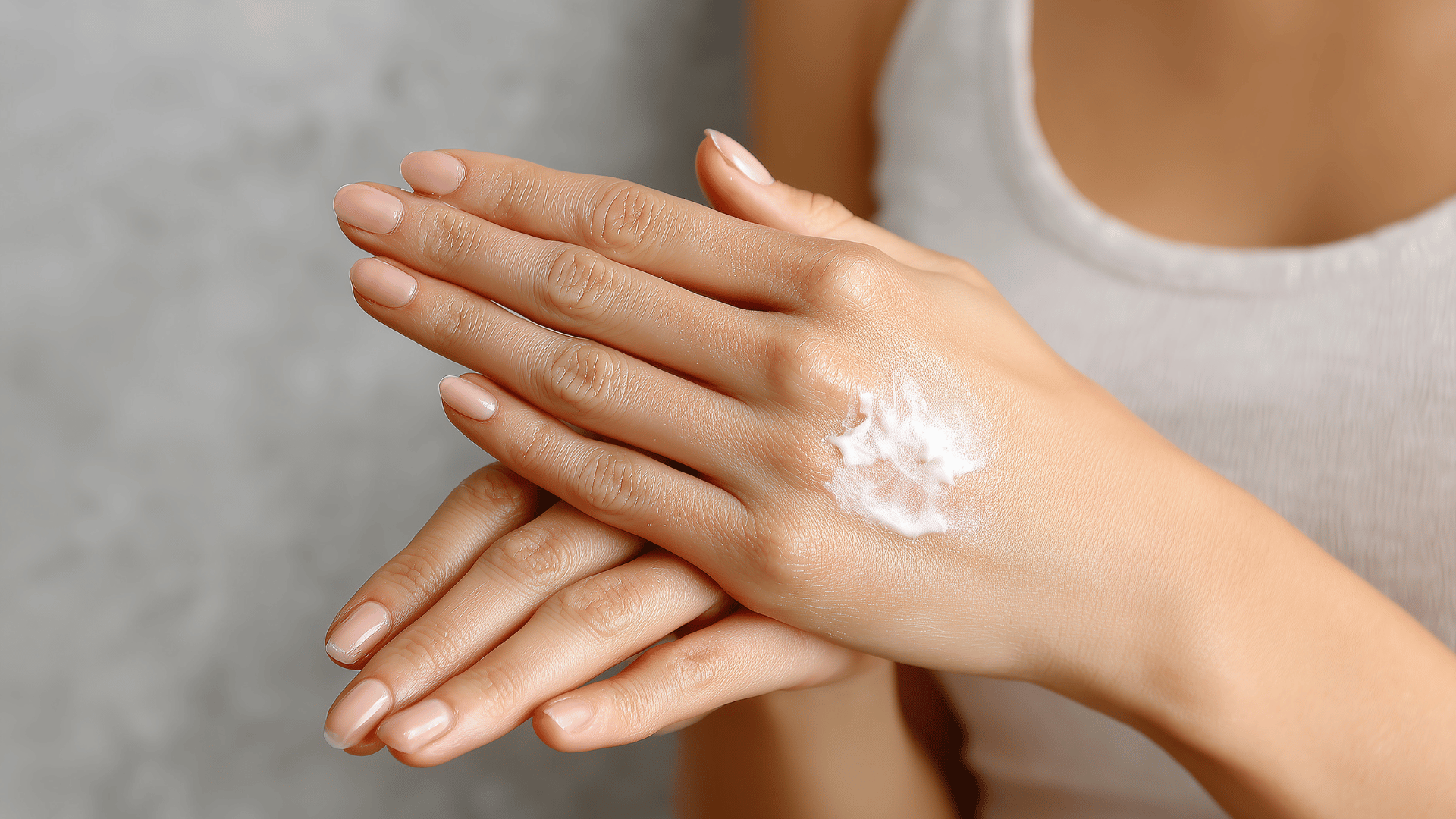
Skin care products are often categorized based on texture and formulation rather than outcomes. In hot and humid climates, labels commonly reference:
-
Lightweight or water-based textures
-
Non-greasy or fast-absorbing descriptions
-
Oil-control or mattifying claims (descriptive only)
-
Refreshing or cooling sensory language
These terms describe formulation characteristics, not performance or results.
Simple Daily Care Observations
In warm and humid conditions, people often adjust how much product they apply or how frequently they cleanse based on comfort and routine preferences. Product texture, packaging, and storage can influence daily usage habits.
These observations are part of general lifestyle routines and are not intended as guidance or instruction.
FAQs
What does “humid climate” mean in general?
A humid climate refers to an environment with high levels of moisture in the air. This condition affects how heat and sweat are experienced on the skin. It is a common weather pattern in tropical regions.
How are skin care products usually described for hot weather?
Products are commonly described using texture-based terms such as lightweight, gel-type, or fast-absorbing. These descriptions focus on how the product feels during application. They do not indicate effectiveness or outcomes.
What should people check on skin care labels?
Labels typically list ingredients, texture descriptions, and usage instructions. Packaging may also include storage guidance and expiration details. Reading labels helps consumers understand product characteristics.
How are skin care products commonly stored in warm climates?
Products are usually stored in cool, dry places away from direct sunlight. Heat exposure can affect texture and consistency. Storage instructions are typically stated on the packaging.
What is the difference between gel and cream textures?
Gel textures are usually water-based and lighter in consistency. Creams are thicker and often contain more oils or emollients. The difference is based on formulation, not function.
Trusted Sources
-
Department of Health (DOH), Philippines
-
Philippine Atmospheric, Geophysical and Astronomical Services Administration (PAGASA)
Mandatory Disclaimer
This content is for general educational purposes only. It does not provide medical advice, diagnosis, or treatment. Product mentions are descriptive and do not constitute recommendations. For health-related concerns, consult a licensed healthcare professional.
Product Range: Climate-Responsive Skin Care Categories
This category typically includes cleansers, moisturizers, and topical products described by texture, finish, or formulation style. Packaging and marketing often reference environmental comfort rather than outcomes.
Availability and labeling may vary by brand and retailer within the Philippines.