A neutral guide to suit structure, fabric choices, and styling combinations for office environments.
Power suits are a structured clothing option commonly used in professional workplaces. This article explains what defines a sleek urban power suit, how fit and fabric influence its appearance, and how office styling can be adjusted based on climate, workplace dress codes, and practicality. In the Philippines, consumer protection standards and product advertising claims are generally covered under the Department of Trade and Industry (DTI) and the Consumer Act of the Philippines (RA 7394).
What a “Sleek Urban Power Suit” Means in Fashion Styling
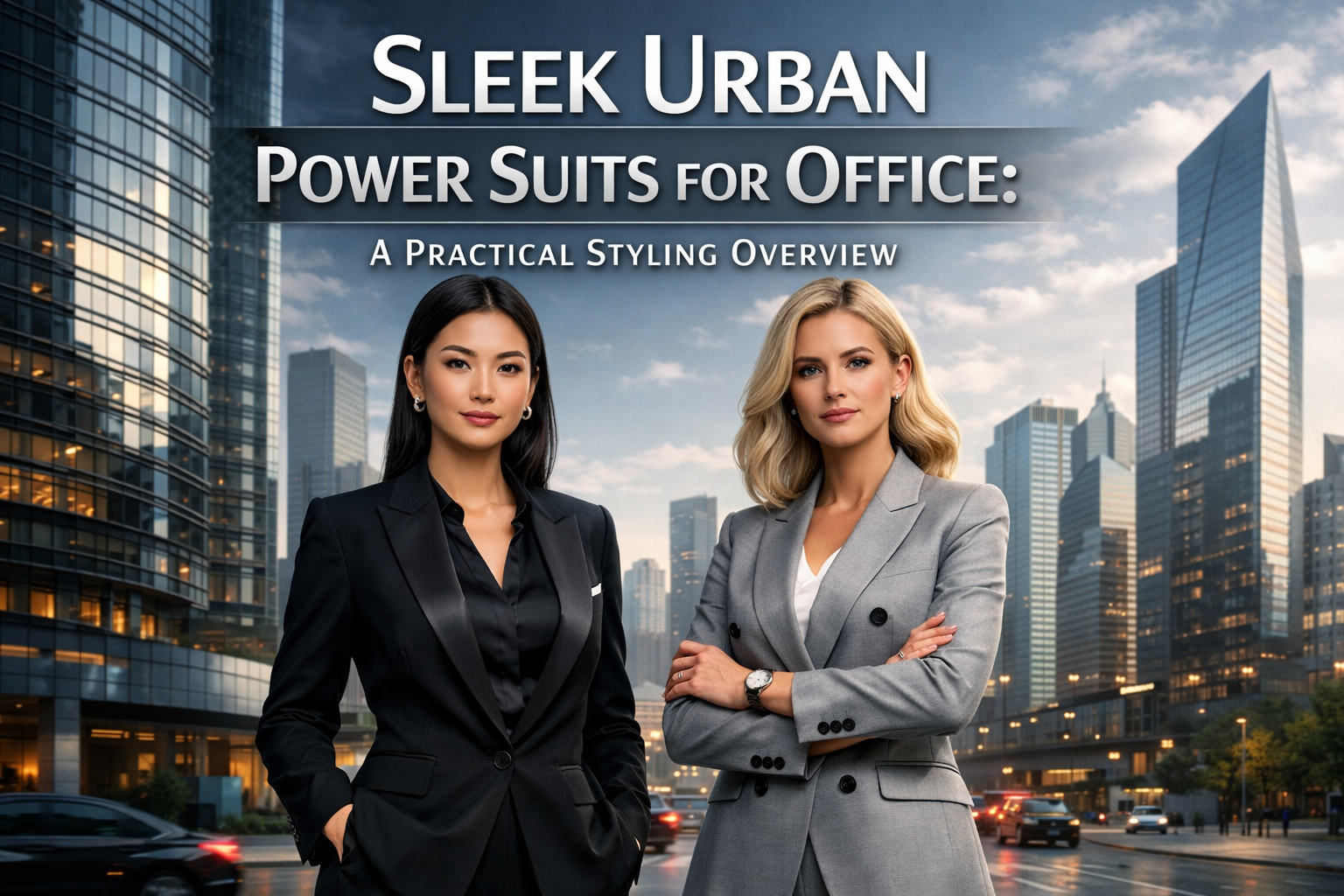
In modern styling terminology, a sleek urban power suit typically refers to a coordinated blazer-and-trouser (or blazer-and-skirt) set with a clean silhouette. It often uses minimal detailing and neutral color palettes to create a structured, professional look suitable for office settings.
Common characteristics include:
-
Sharp tailoring and defined seams
-
Minimal prints or subtle textures
-
Straight or tapered trousers
-
Mid-weight fabrics designed to hold shape
-
A clean neckline and lapel design
-
Simple color coordination (often monochrome or muted tones)
This style is often associated with business attire, corporate uniforms, or professional dress codes.
Key Elements of an Office-Appropriate Power Suit
1. Blazer Structure and Fit
A blazer is the primary defining element of a power suit. The cut determines how formal or modern the outfit appears.
Common blazer cuts include:
-
Single-breasted blazer: Often considered a standard office option
-
Double-breasted blazer: More structured and formal in silhouette
-
Relaxed blazer: Less rigid shoulder shaping, often used for business casual settings
-
Cropped blazer: More contemporary, often paired with high-waist trousers
Office-friendly blazers typically have clean lapels, moderate shoulder structure, and functional pockets.
2. Trouser and Skirt Pairing Options
Power suits are not limited to trousers. Many office wardrobes use skirt suits, depending on workplace policy and personal preference.
Common suit bottoms include:
-
Straight-leg trousers: Neutral and versatile
-
Tapered trousers: More fitted at the ankle
-
Wide-leg trousers: Often paired with fitted blazers for balance
-
Pencil skirt: Structured and traditional
-
A-line skirt: Less restrictive movement, still formal
In styling practice, the bottom silhouette is often chosen to match comfort needs and the desired level of formality.
Fabric Choices for the Philippine Office Climate
Because office conditions in the Philippines often involve warm weather and air-conditioned interiors, fabric selection can affect practicality.
Common fabrics used for office suits include:
-
Wool blends: Structured and durable, often used in formal suits
-
Polyester blends: Wrinkle-resistant but may feel warmer
-
Cotton blends: Breathable, often used in lighter suits
-
Linen blends: Lightweight but may crease easily
-
Twill fabric: Holds structure and has a subtle diagonal weave
For everyday office use, blended fabrics are often selected for easier maintenance and durability.
Color Palette and Styling Approach
Neutral and Urban Suit Colors
Sleek urban styling usually relies on neutral tones because they are easier to coordinate.
Common suit colors include:
-
Black
-
Navy
-
Charcoal gray
-
Beige or camel
-
Off-white or cream
-
Olive or muted brown
These shades are commonly used because they can pair with different inner tops and accessories without heavy contrast.
Minimal Pattern Styling
Urban office suits may include subtle patterns, but typically avoid bold prints.
Common acceptable patterns include:
-
Pinstripes
-
Small checks
-
Herringbone textures
-
Solid monochrome fabrics
Patterns are often used to add texture while keeping the outfit professional.
Styling Combinations for Office Wear
Inner Top Options
A suit’s overall appearance is often influenced by the top worn underneath.
Common office-friendly inner layers include:
-
Plain blouse
-
Button-down shirt
-
Knit top in neutral tone
-
Satin camisole with blazer coverage
-
High-neck sleeveless top (depending on dress code)
Neutral tops are often used for formal offices, while softer fabrics are used in business casual settings.
Footwear Pairing for Sleek Suit Styling
Footwear changes the level of formality of a suit.
Common office pairings include:
-
Closed-toe heels
-
Loafers
-
Block heels
-
Ballet flats
-
Minimal leather sneakers (only for relaxed office policies)
In professional settings, closed-toe shoes are commonly used as the default option.
Bag and Accessory Choices
Urban suit styling usually uses minimal accessories to avoid visual clutter.
Common accessory options include:
-
Structured tote bag
-
Leather shoulder bag
-
Minimal belt in matching tone
-
Small stud earrings or simple watch
-
Thin chain necklace
These items are typically chosen for function and simplicity.
Fit and Tailoring Considerations
A power suit typically relies on garment construction. Even small fit adjustments can affect the overall silhouette.
Common tailoring adjustments include:
-
Sleeve shortening for blazer cuffs
-
Waist shaping for blazers
-
Hem adjustment for trouser length
-
Shoulder alignment improvements
-
Skirt length adjustment based on dress code
A well-fitted suit is generally identified by smooth seams, aligned shoulders, and minimal fabric pulling.
Context: Power Suits in Modern Workplace Fashion
In fashion history, suits were traditionally associated with formal business attire and workplace uniforms. Over time, power suits became a widely recognized category in professional clothing, often defined by structured tailoring and coordinated sets.
In contemporary urban styling, power suits are now used in multiple ways, including:
-
Formal corporate dressing
-
Business casual office outfits
-
Workwear for presentations and meetings
-
Smart casual styling with sneakers or knitwear
Modern suit styling often focuses on practicality, climate compatibility, and workplace expectations rather than strict traditional rules.
FAQ
Q1: What is a power suit in fashion styling?
A power suit is a coordinated outfit, typically consisting of a blazer and matching trousers or skirt. It is commonly worn in formal or professional settings due to its structured silhouette.
Q2: What fabrics are commonly used for office suits?
Office suits are often made from wool blends, polyester blends, cotton blends, or twill fabrics. These materials are used because they hold shape and are suitable for repeated wear.
Q3: What makes a suit look “sleek” in styling terms?
A suit is often described as sleek when it has clean tailoring, minimal detailing, and a balanced silhouette. Neutral colors and smooth fabric textures are also commonly associated with sleek styling.
Trusted Sources
-
Department of Trade and Industry (DTI) Philippines — Consumer information and fair trade guidance
-
Consumer Act of the Philippines (Republic Act No. 7394)
-
Fashion Institute of Technology (FIT) — educational references on apparel construction and styling
-
The Metropolitan Museum of Art (The Costume Institute) — fashion history archives
-
International Labour Organization (ILO) — ethical and labor-related references in garment production
Disclaimer
This article is for general informational and educational purposes only. It does not constitute professional styling, psychological, medical, or consumer purchasing advice. References to fashion trends, brands, or styling methods do not imply endorsement or guarantee of results. Readers are encouraged to rely on personal preference, verified product information, and official consumer protection resources when making fashion or purchasing decisions.