Chao Long: A Neutral Overview of Nutritional Aspects and Dietary Considerations
An educational look at the ingredients, macronutrient content, and consumer considerations of Chao Long.
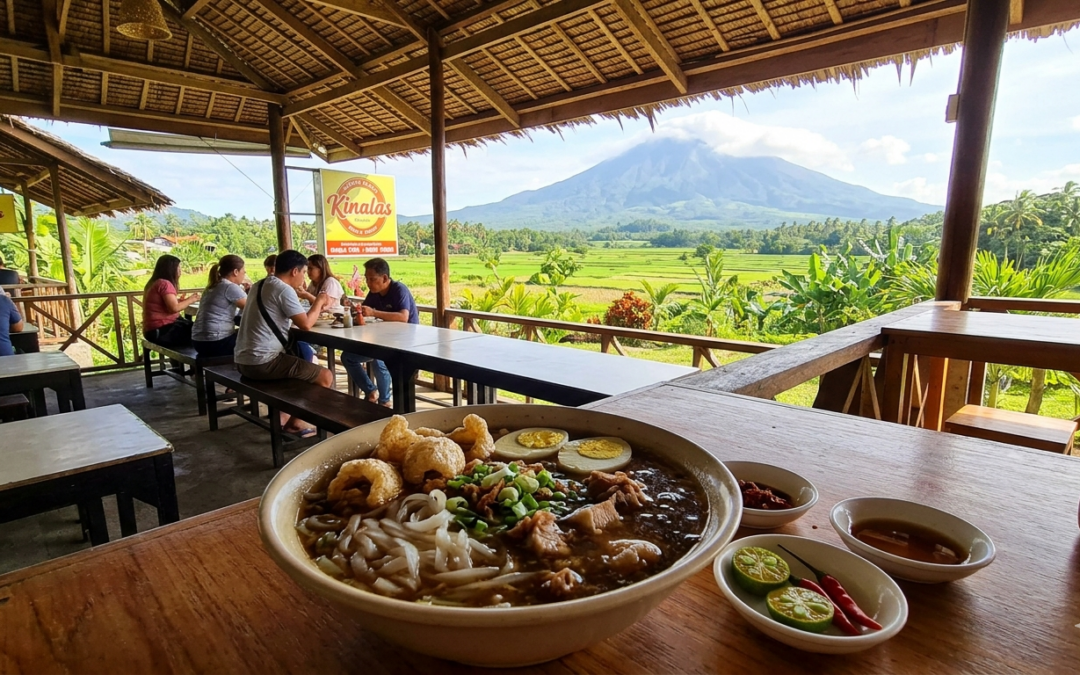
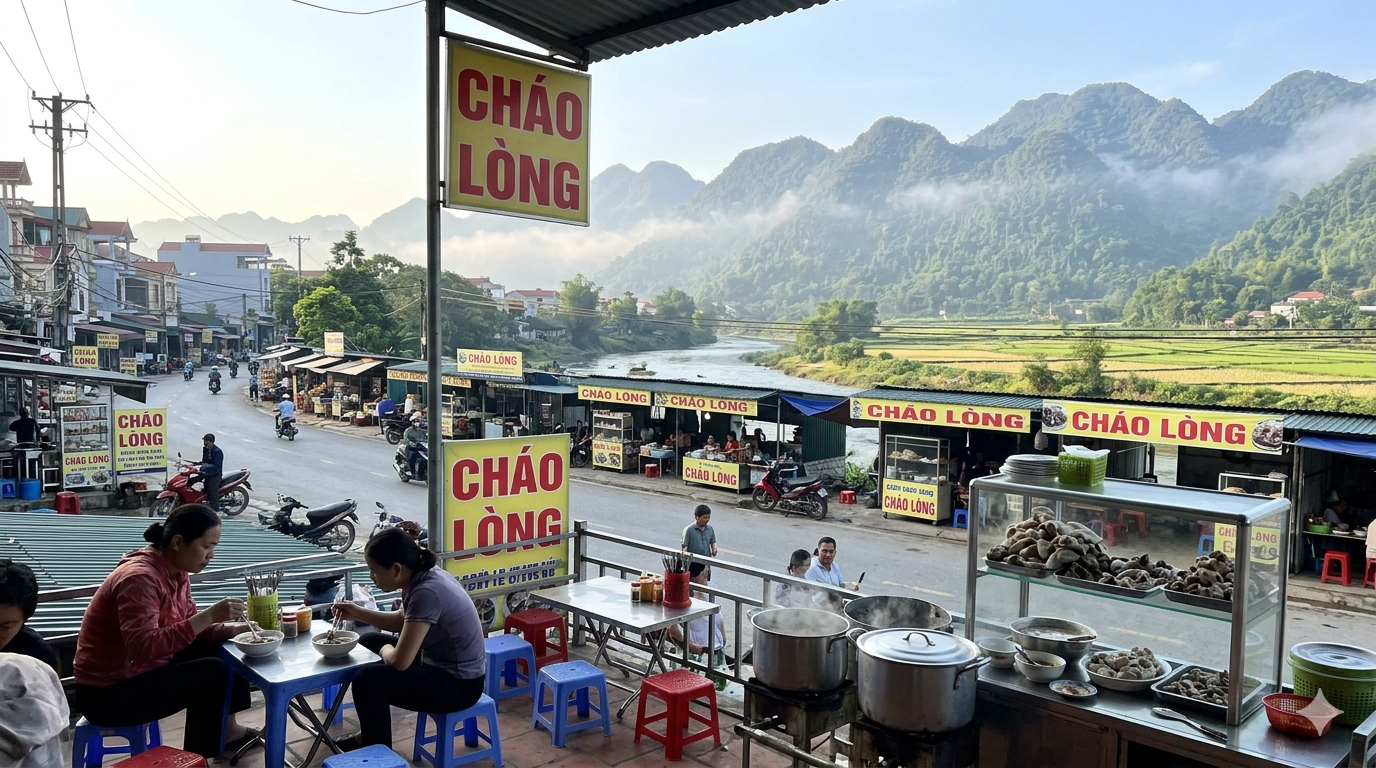
Chao Long is a Vietnamese noodle soup made with rice noodles, lean meats, vegetables, and herbs. In this article, we provide an informational overview of the common ingredients, their nutritional roles, and considerations for safe and balanced meal planning. This discussion aligns with Philippine food safety and consumer protection standards, referencing DOH and FDA guidelines where relevant.
Typical Ingredients and Nutritional Components
- Rice noodles: Source of carbohydrates and energy. They are low in fat but provide limited fiber unless paired with vegetables.
- Lean pork or beef: Supplies protein and essential amino acids. Protein is important for tissue maintenance and satiety.
- Organ meats (optional): Rich in micronutrients such as iron, zinc, and vitamin A. Organ meats are nutrient-dense but should be consumed in moderation.
- Vegetables and herbs (bean sprouts, basil, cilantro): Provide dietary fiber, vitamins, minerals, and antioxidants.
- Broth: Primarily water-based, often simmered with meat and bones, contributing flavor, electrolytes, and trace minerals. Sodium content can vary depending on preparation.
Hypothetical Nutrient Breakdown (per 1 serving, illustrative only)
| Nutrient | Approximate Content |
|---|---|
| Calories | 250–350 kcal |
| Carbohydrates | 40–50 g |
| Protein | 15–20 g |
| Fat | 5–10 g |
| Fiber | 2–4 g |
| Sodium | 500–800 mg (variable) |
Safe Consumption Considerations
- Portion awareness: Typical servings can be high in sodium if broth is salted. Individuals monitoring sodium intake may consider reducing added salt or consuming broth in moderation.
- Balanced pairing: Including vegetables or a side salad can increase fiber and micronutrient intake.
- Food safety: Ensure meats and organ meats are properly cooked. Follow local DOH and FDA guidance on food handling and storage.
Neutral Background
In nutrition science studies, mixed meals like Chao Long provide both macronutrients (carbs, protein, fat) and micronutrients (vitamins and minerals) depending on ingredient composition. Dietary results vary individually, and nutrient needs differ based on age, activity level, and health status. Under Philippine consumer protection and labeling standards, it is important to verify ingredient sources, avoid cross-contamination, and ensure proper preparation techniques.
FAQs
What is Chao Long?
Chao Long is a Vietnamese rice noodle soup typically served with meat, organ meat, herbs, and vegetables in a clear broth.
What nutrients does Chao Long provide?
Depending on the recipe, it can provide carbohydrates from rice noodles, protein from meats, vitamins, and minerals from vegetables and organ meats.
How can one consider portion control for noodle soups?
Portion control can be guided by the amount of noodles and broth consumed, noting sodium and calorie content. Individual nutritional needs differ.
Trusted Sources
- Department of Health (DOH) Philippines — Nutrition and Food Safety Advisories
- Food and Drug Administration (FDA Philippines) — Safe Food Handling Guidelines
- Peer-reviewed journal: Nutrition Reviews — Macros and micronutrient content of mixed meals
- FAO/WHO Food Composition Tables
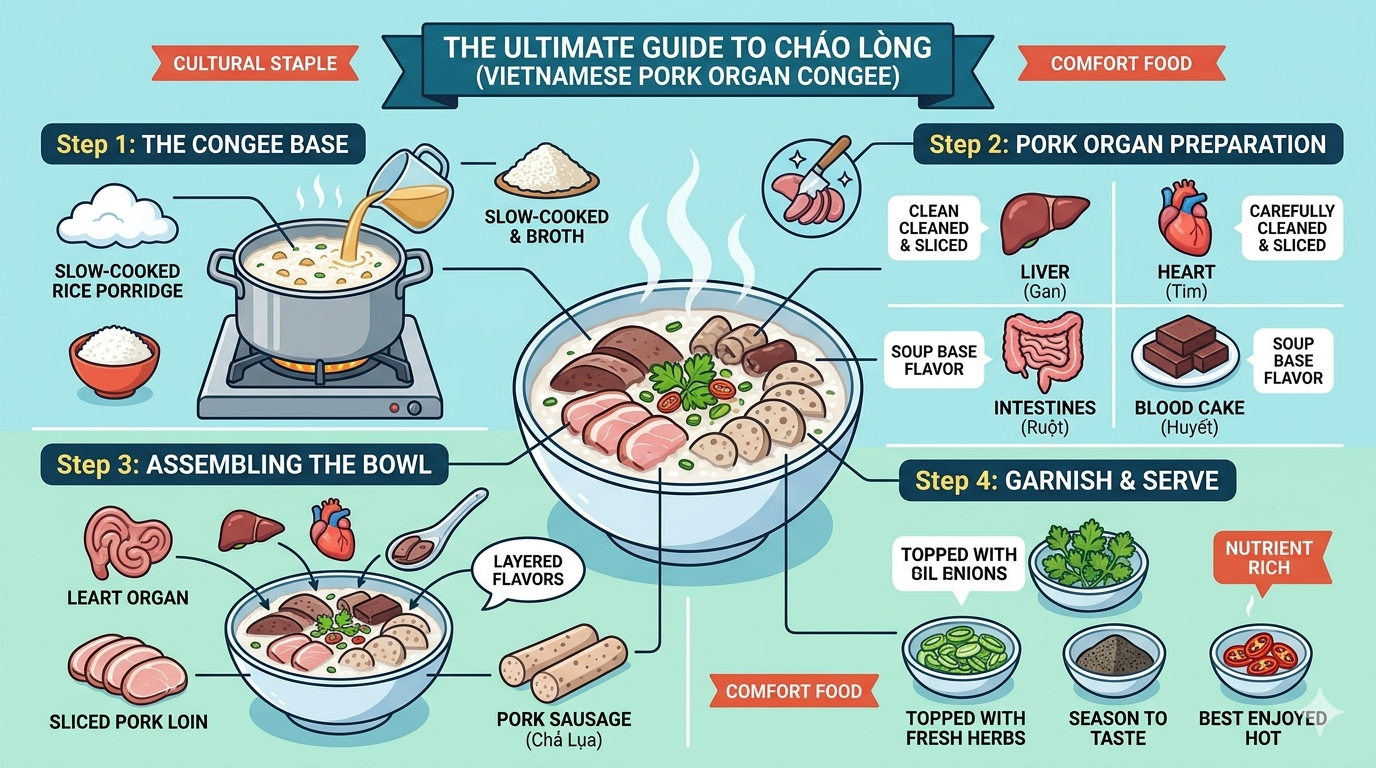
Infographic depicting the components and nutrient breakdown of Chao Long.
Disclaimer
This article is for general informational and educational purposes only. It does not constitute professional medical, nutrition, or dietary advice. References to foods or ingredients do not imply endorsement or guarantee of health outcomes. Readers are encouraged to consult licensed nutritionists, dietitians, or medical professionals for personalized guidance.