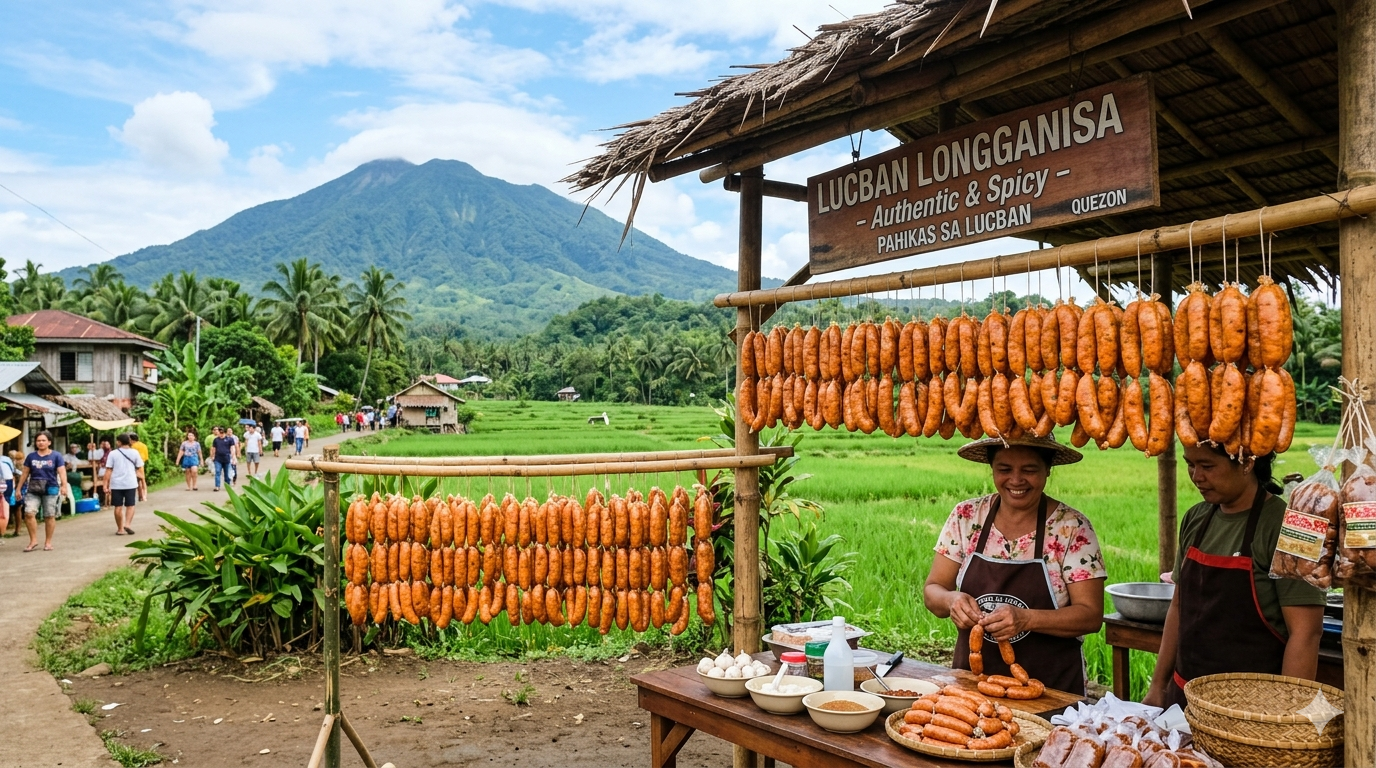
Lucban Longganisa: Nutritional Overview and Food Context
An informational look at a traditional Filipino sausage and its place in dietary patterns
Lucban Longganisa is a traditional Filipino sausage originating from the town of Lucban. It is commonly recognized for its garlicky flavor profile and is often served as part of breakfast meals. This article provides a neutral overview of its ingredients, nutritional considerations, and general role in meal planning within the Philippine context.
Food Description and Composition
Lucban longganisa is typically made from:
- Ground pork
- Garlic
- Vinegar
- Salt and spices
Unlike some other regional varieties, it is often prepared without a casing and may have a slightly tangy taste due to vinegar.
Nutritional Components (General Overview)
As a processed meat product, Lucban longganisa may contain:
- Protein from pork
- Fat, including saturated fat
- Sodium from added salt and curing ingredients
- Calories that vary depending on preparation and portion size
Nutrient values differ by recipe and preparation method. Cooking techniques (e.g., frying) may influence total fat content.
Food Group Classification
- Primary group: Protein foods (meat category)
- Additional considerations: Processed food due to curing and seasoning
In dietary planning, processed meats are generally considered alongside other protein sources, with attention to portion size and frequency of consumption.
Hypothetical Meal Context
Lucban longganisa is often included in a traditional Filipino breakfast pattern:
- Garlic rice
- Longganisa
- Fried egg
- Fresh fruit (e.g., tomatoes or papaya)
This combination reflects multiple food groups, including grains, protein, and fruits or vegetables.
Food Safety and Label Awareness
Under Philippine food safety and labeling regulations (FDA Philippines and DTI):
- Packaged longganisa products may include:
- Ingredient lists
- Nutrition information (if applicable)
- Storage instructions
Consumers are encouraged to:
- Check expiration dates
- Follow proper storage (refrigeration or freezing)
- Cook thoroughly before consumption
Context and Considerations
In nutrition science discussions, processed meats are often evaluated based on sodium and fat content, as well as overall dietary patterns. Inclusion in meals may vary depending on individual preferences and dietary considerations.
Balanced dietary planning typically involves combining different protein sources, including plant-based options and fresh foods.
FAQ
What makes Lucban longganisa different from other longganisa?
It is commonly known for its garlicky and slightly tangy flavor, often prepared without a casing and associated with Lucban, Quezon.
Is longganisa considered a processed food?
Yes. It is generally classified as a processed meat due to added salt, spices, and preservation methods.
How is Lucban longganisa usually served?
It is often served with rice and eggs as part of a traditional breakfast meal.
Trusted Sources
- Department of Health (Philippines) – Food and nutrition guidance
- Food and Drug Administration (Philippines) – Food labeling and safety
- Food and Agriculture Organization (FAO) – Meat processing references
- Peer-reviewed food science and nutrition journals
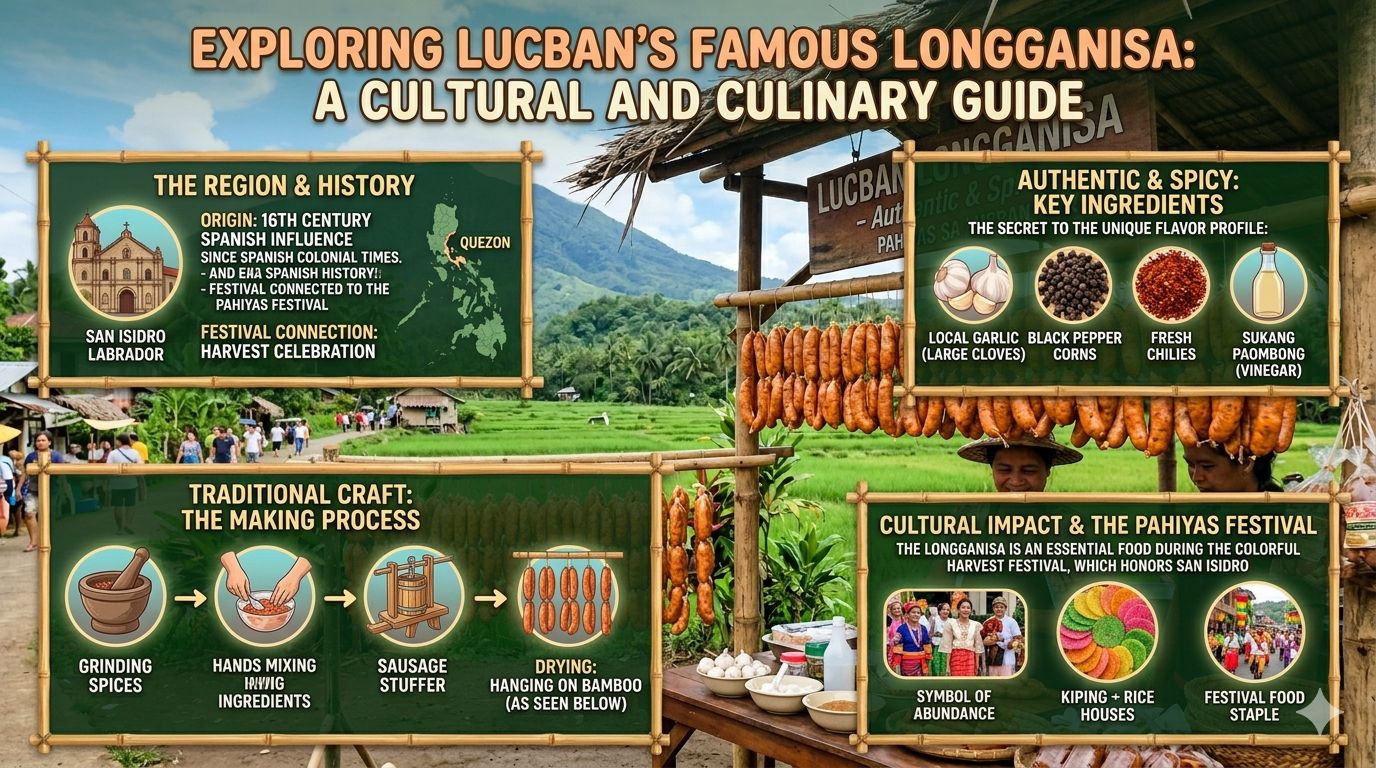
Visual breakdown of Lucban longganisa components
Disclaimer
This article is for general informational and educational purposes only. It does not constitute professional medical, nutrition, or dietary advice. References to foods or dietary patterns do not imply endorsement or guarantee of health outcomes. Readers are encouraged to consult licensed nutritionists, dietitians, or medical professionals for personalized guidance.