Hardinera: Educational Overview of a Traditional Filipino Dish
A neutral look at its ingredients, preparation, and nutritional components
This article provides an educational overview of Hardinera, a traditional Filipino dish, including its typical ingredients, preparation method, and general nutritional components. The discussion aligns with food safety and labeling awareness under Philippine standards such as those from the Department of Health (DOH) and the Food and Drug Administration (FDA). The focus is on understanding the dish within the context of balanced dietary patterns.
What Is Hardinera?
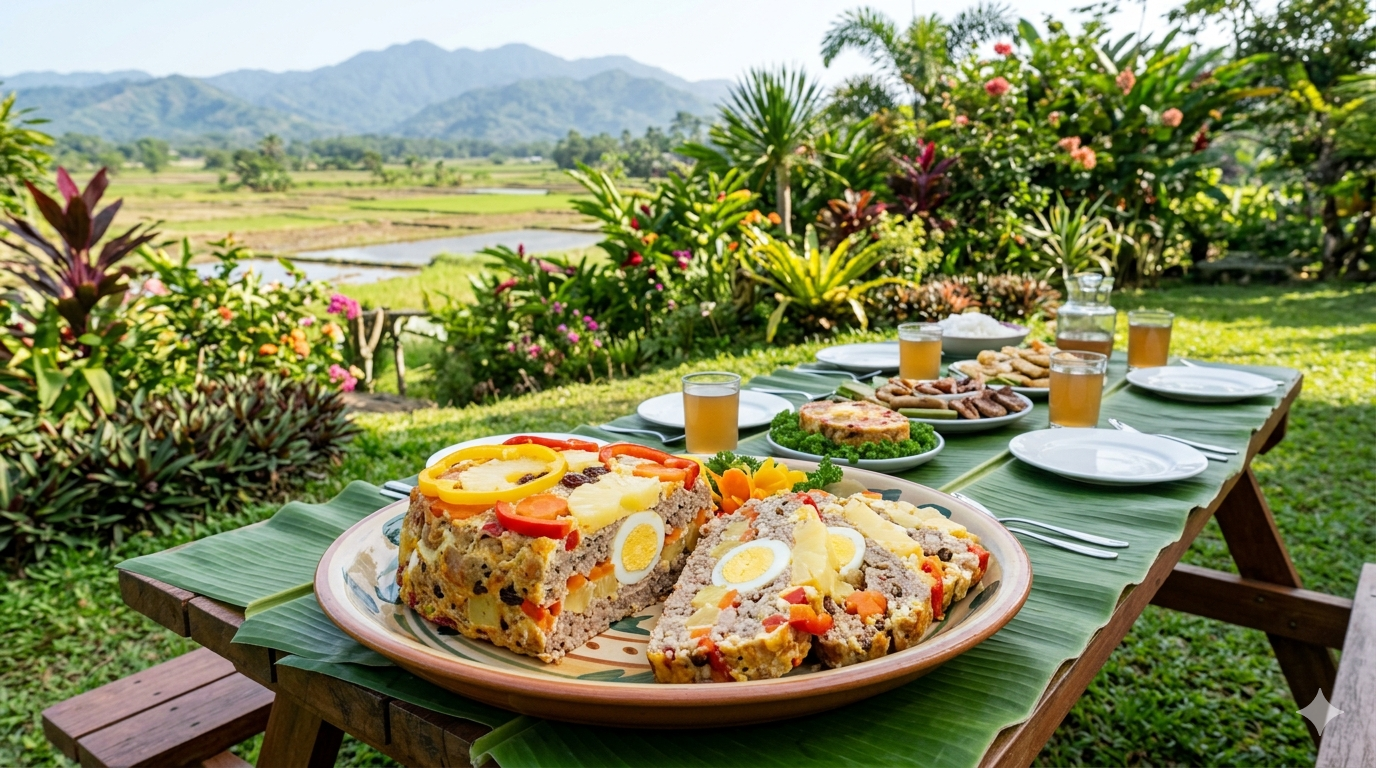
Hardinera is a savory Filipino dish commonly associated with the province of Lucban, Quezon. It is similar in preparation to meatloaf but is traditionally steamed in a llanera (a metal mold also used for desserts like leche flan).
The dish is often prepared for gatherings and occasions and reflects local culinary practices.
Common Ingredients
Hardinera typically includes:
- Ground or diced pork
- Liver spread or pâté
- Eggs
- Vegetables such as carrots, bell peppers, and raisins
- Breadcrumbs or flour as binders
- Seasonings (garlic, onions, salt)
These ingredients are combined and cooked through steaming rather than frying.
Cooking Method
The preparation process generally involves:
- Mixing meat with eggs, seasonings, and other ingredients
- Transferring the mixture into a mold
- Steaming until fully cooked
Steaming is a cooking method that uses moist heat and does not require added cooking oil.
Nutritional Components
Based on its ingredients, Hardinera may contain:
- Protein from pork and eggs
- Fats from meat and liver spread
- Carbohydrates from breadcrumbs and added ingredients like raisins
- Micronutrients such as iron and certain B vitamins from meat and liver
The exact nutrient composition can vary depending on preparation methods and ingredient proportions.
Role in a Balanced Diet
As with many mixed dishes, Hardinera can be part of a varied diet when consumed alongside other food groups such as vegetables, fruits, and grains. Portion size and frequency of consumption are factors typically considered in dietary planning.
Context
In nutrition science, mixed dishes like Hardinera are evaluated based on their overall nutrient composition and how they contribute to daily intake. Under Philippine food safety standards, proper handling, storage, and cooking of meat-based dishes are important to reduce foodborne risks.
Dietary patterns vary among individuals, and no single dish determines overall nutritional status. For personalized dietary guidance, consultation with licensed nutrition professionals is recommended.
FAQs
What type of dish is Hardinera?
Hardinera is a Filipino steamed meat dish similar to a meatloaf, traditionally prepared in a mold and served during special occasions.
What nutrients are found in Hardinera?
It may provide protein, fats, and some vitamins and minerals depending on the ingredients used.
Is steaming a common cooking method for Hardinera?
Yes, steaming is traditionally used to cook Hardinera, allowing the mixture to set without direct frying.
Trusted Sources
- Department of Health (DOH) Philippines – Food Safety and Nutrition Guidelines
- Food and Drug Administration (FDA) Philippines – Food Handling and Labeling Resources
- Philippine culinary and cultural food references
- Peer-reviewed nutrition and food science publications
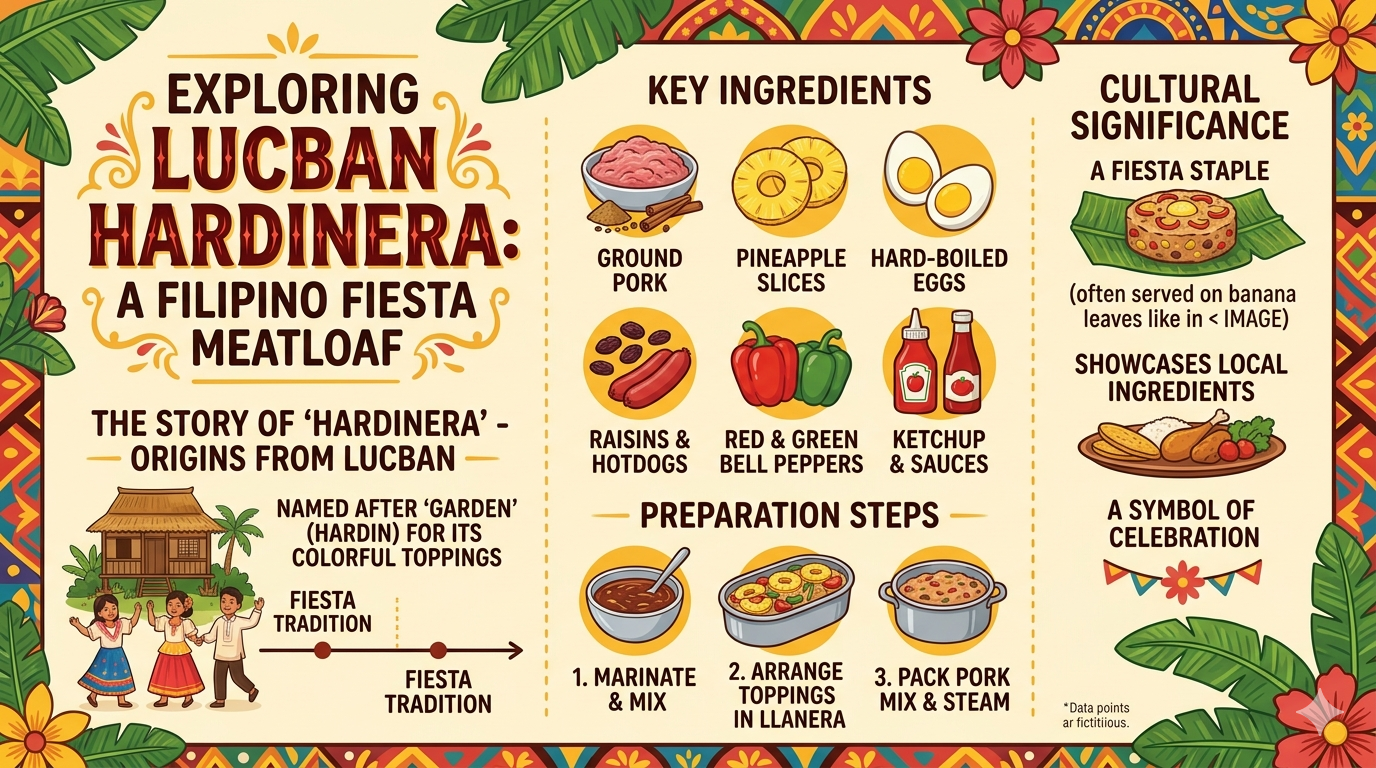
Visual layout of Hardinera ingredients and preparation stages
Disclaimer
This article is for general informational and educational purposes only. It does not constitute professional medical, nutrition, or dietary advice. References to diets, foods, or supplements do not imply endorsement or guarantee of health outcomes. Readers are encouraged to consult licensed nutritionists, dietitians, or medical professionals for personalized guidance.