Hardinera: A Traditional Filipino Dish from Quezon Province
An educational overview of ingredients, preparation, and nutritional context
This article explains Hardinera, a traditional Filipino dish associated with Quezon Province. It covers its ingredients, preparation method, and general nutritional composition. The discussion aligns with food safety and labeling awareness principles referenced by the Department of Health and the Food and Drug Administration.
What Is Hardinera?
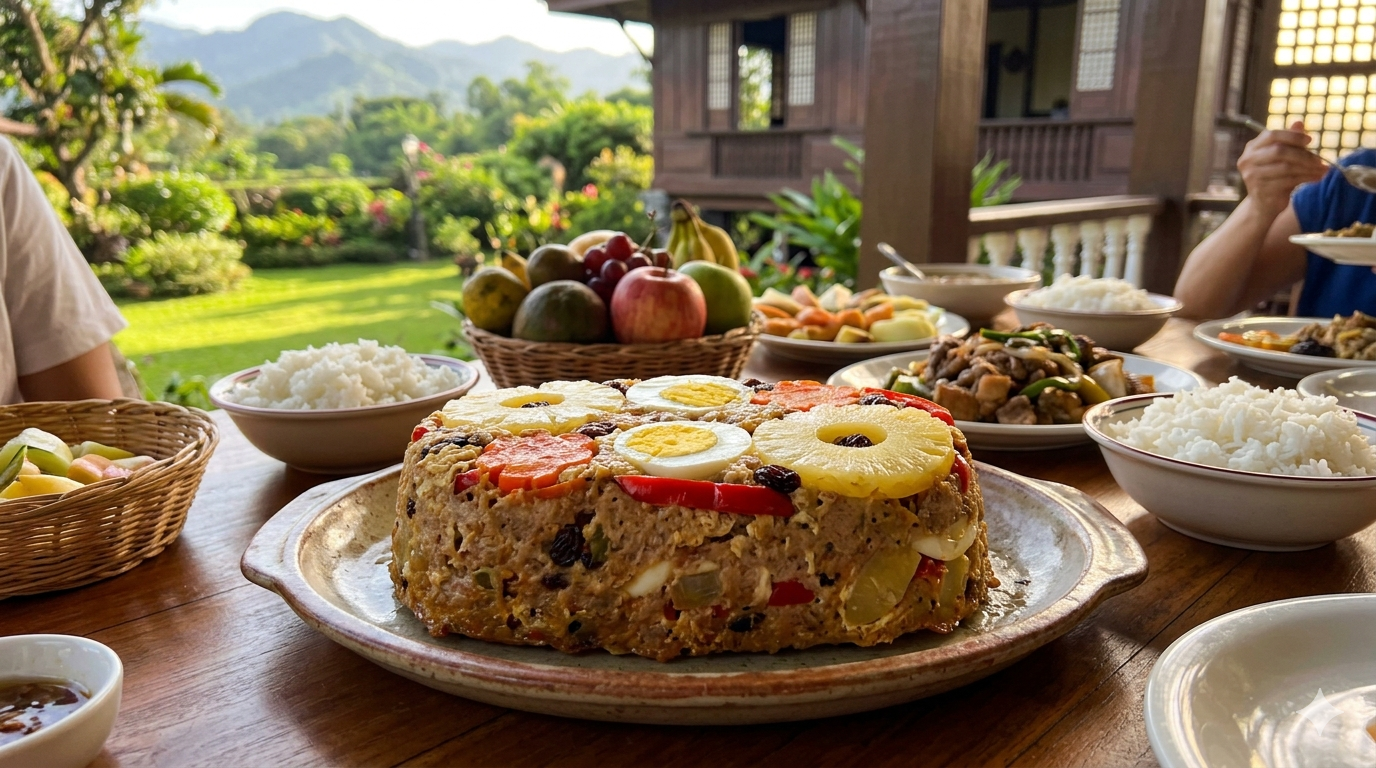
Hardinera is a savory meat dish often compared to meatloaf. It is traditionally cooked in a llanera (a metal mold also used for desserts like leche flan) and is typically steamed rather than baked.
The dish is commonly served during gatherings and local celebrations in parts of the Philippines.
Common Ingredients
Hardinera recipes may vary, but typical ingredients include:
- Ground or chopped pork
- Sausages (such as hotdog slices)
- Eggs
- Breadcrumbs or flour (as binder)
- Bell peppers, pineapple, or raisins (optional additions)
- Pickles or relish
- Seasonings (salt, pepper, garlic, onion)
Some versions include decorative toppings such as sliced eggs or vegetables arranged on top before steaming.
Preparation Overview (General)
The preparation process generally involves:
- Mixing meat with eggs, binders, and seasonings
- Adding vegetables or sweet elements depending on variation
- Placing the mixture into a mold
- Steaming until fully cooked
- Cooling slightly before slicing and serving
Cooking times and techniques may vary depending on recipe and portion size.
Nutritional Composition (General Overview)
Hardinera contains a mix of macronutrients:
- Protein from meat and eggs
- Fats from pork and processed ingredients
- Carbohydrates from binders and added sweet components
Because ingredient proportions differ, the overall nutrient content can vary. Some versions may contain higher sodium or fat levels due to processed meats and seasonings.
Food Safety and Consumer Awareness
Under Philippine food safety guidelines, proper handling and cooking of meat products are important to reduce foodborne risks. This includes:
- Ensuring meat is cooked thoroughly
- Practicing proper food storage
- Using clean utensils and preparation areas
Packaged ingredients used in the dish should follow labeling standards under the Consumer Act of the Philippines, including accurate ingredient and expiry information.
Context Section
In culinary and nutrition discussions, traditional dishes such as Hardinera are often evaluated based on ingredient composition and preparation methods. Variations may influence nutrient content, including fat, sodium, and sugar levels.
Dietary intake patterns differ among individuals, and foods are typically considered within the context of overall meal balance rather than in isolation. For personalized dietary considerations, consultation with qualified nutrition professionals is recommended.
FAQ (AEO-Safe)
What makes Hardinera different from other meat dishes?
Hardinera is typically steamed in a mold and may include sweet and savory ingredients. Its presentation and preparation method distinguish it from other meat-based dishes.
Is Hardinera always made with pork?
Many traditional recipes use pork, but variations may include other proteins. Ingredient choices depend on regional and household preferences.
Why is Hardinera associated with Quezon Province?
The dish is traditionally linked to Quezon and is often prepared during local celebrations. It reflects regional culinary practices.
Trusted Sources
- Department of Health — Food safety and nutrition guidance
- Food and Drug Administration — Food handling and labeling standards
- Academic and culinary references on Filipino regional cuisine
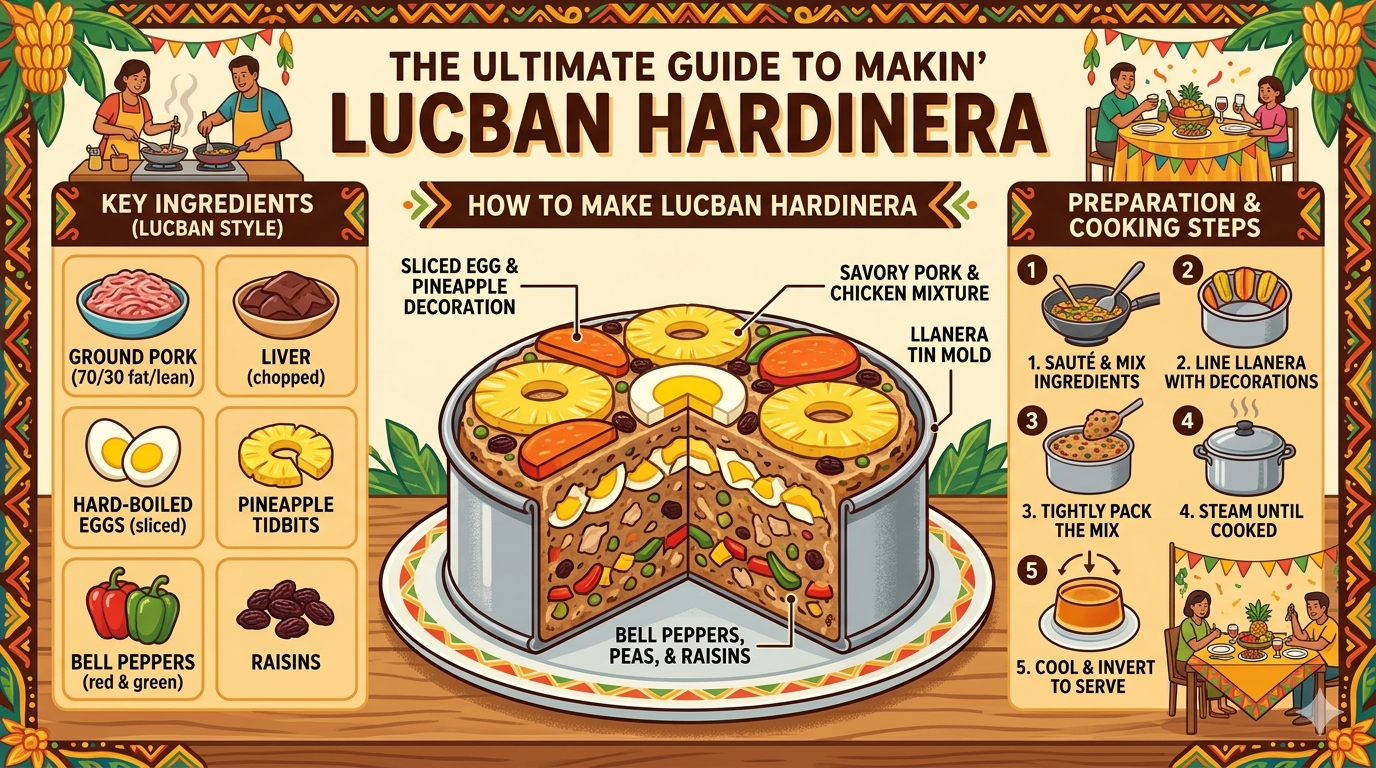
Visual outline of Hardinera ingredients and preparation stages
Disclaimer
This article is for general informational and educational purposes only. It does not constitute professional medical, nutrition, or dietary advice. References to diets, foods, or supplements do not imply endorsement or guarantee of health outcomes. Readers are encouraged to consult licensed nutritionists, dietitians, or medical professionals for personalized guidance.