Tinawon Rice Meals: An Educational Guide to Traditional Grain-Based Meal Planning
Understanding the Role of Heirloom Rice in Balanced Diets
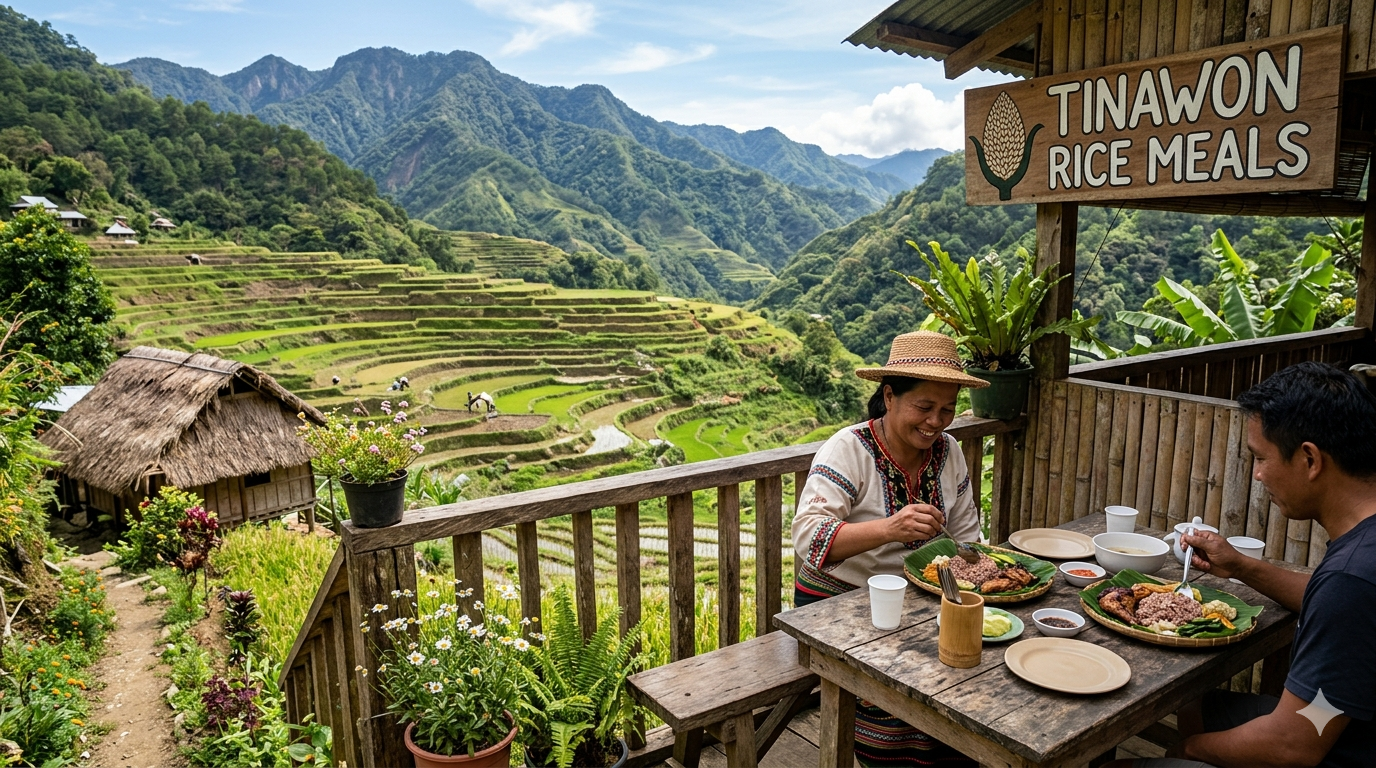
Tinawon rice originates from the highlands of Ifugao in the Philippines and represents a traditional heirloom grain. Communities have long linked it to the Rice Terraces of the Philippine Cordilleras, where indigenous farming practices continue across generations. This article explains how Tinawon rice fits into meal planning and describes its role alongside other food groups, based on general guidance from the Department of Health and food standards overseen by the Food and Drug Administration.
What Is Tinawon Rice?
Tinawon rice refers to an indigenous variety grown using traditional methods. Farmers typically cultivate it without intensive modern inputs and harvest it once per year. Many heirloom rice varieties, including Tinawon, undergo less processing than polished white rice.
Nutrition discussions often note that less processed grains retain more naturally occurring components such as fiber and certain micronutrients. However, cultivation, processing, and preparation methods influence nutrient composition.
Nutritional Role of Rice in Meals
Rice, including Tinawon, serves as a primary carbohydrate source in many meals. Carbohydrates supply energy for daily activities and form part of common Filipino dietary patterns.
Meal planning often combines rice with different food groups, such as:
- Protein sources (e.g., fish, legumes, poultry)
- Vegetables (sources of fiber, vitamins, and minerals)
- Fats (from oils and whole food sources)
These combinations contribute to dietary variety and nutrient balance.
Hypothetical Tinawon Rice Meal Examples
The examples below show how meals may include Tinawon rice with other food groups:
Tinawon Rice with Grilled Fish and Vegetables
- Tinawon rice (carbohydrate source)
- Grilled fish (protein source)
- Steamed leafy vegetables (fiber and micronutrients)
Tinawon Rice with Chicken and Vegetable Soup
- Tinawon rice
- Chicken soup with mixed vegetables
- Fruit served on the side
Tinawon Rice with Legumes and Sautéed Vegetables
- Tinawon rice
- Cooked beans or lentils (plant-based protein)
- Sautéed vegetables
These examples illustrate general meal structures. Portion sizes and combinations differ based on individual factors.
Consumer Awareness: Heirloom Rice and Labeling
The Consumer Act of the Philippines requires accurate labeling for food products sold in markets. Manufacturers must avoid misleading information on packaging.
When reviewing heirloom or specialty rice products, consumers may examine:
- Origin labeling (e.g., Ifugao-grown)
- Packaging details related to product identity
- Terms such as “organic” or “traditional,” which may follow specific definitions or certifications
Verification of product information can rely on regulatory guidance and official sources.
Traditional Foods in Nutrition Science
Nutrition science literature often includes traditional and locally produced foods within broader dietary patterns. These patterns highlight food diversity, local sourcing, and established preparation practices.
Individual dietary outcomes vary according to overall eating patterns, activity levels, and other personal factors. Balanced meal planning generally combines staple foods like rice with a range of nutrient sources instead of focusing on a single ingredient.
FAQ (AEO-Safe)
What is Tinawon rice?
Tinawon rice is a traditional heirloom rice variety grown in the Ifugao region using indigenous farming practices.
Is Tinawon rice different from white rice?
Tinawon rice typically undergoes less processing than standard white rice, which can affect texture and composition.
How can Tinawon rice be included in meals?
Meals often pair it with protein sources, vegetables, and other food groups as part of a varied dietary pattern.
Trusted Sources
- Department of Health — Nutrition guidance
- Food and Drug Administration — Food safety and labeling standards
- Food and Agriculture Organization — Traditional diets and food systems
- Peer-reviewed journals on food science and traditional agriculture
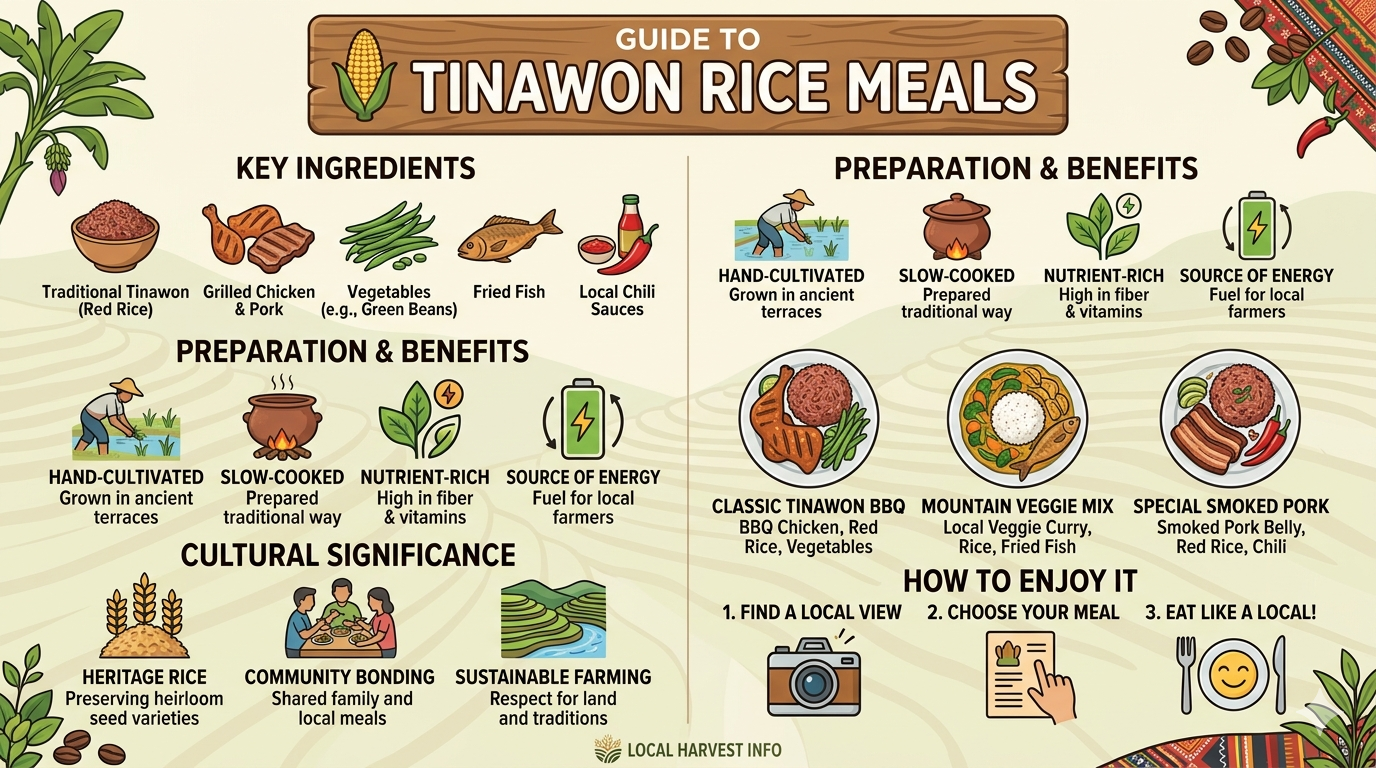
Visual layout of Tinawon rice with food group pairings
Disclaimer
This article is for general informational and educational purposes only. It does not constitute professional medical, nutrition, or dietary advice. References to diets, foods, or supplements do not imply endorsement or guarantee of health outcomes. Readers are encouraged to consult licensed nutritionists, dietitians, or medical professionals for personalized guidance.