
Blazer-Compatible Heels and Boots
A Neutral Guide to Footwear Coordination with Structured Outerwear
This article explains how heels and boots can be coordinated with blazers using basic fashion principles. It covers silhouette balance, material pairing, and common footwear structures used in styling. The goal is to provide neutral, educational guidance that supports informed clothing coordination without promoting specific products or outcomes.
What Is Fashion Styling?
Fashion styling is the process of combining garments, footwear, and accessories into a cohesive outfit. It considers proportion, structure, color relationships, and material compatibility. In apparel education, styling focuses on how individual pieces visually and functionally interact.
Basic Principles of Fit and Silhouette
Blazers are structured garments. They often include defined shoulders, lapels, and a tailored or semi-tailored shape. Because of this structure, footwear choices are often considered in relation to overall balance.
- Structured tops (like blazers) are often paired with footwear that maintains visual stability
- Heel height and boot shaft length can influence the perceived proportion of the outfit
- Streamlined footwear shapes may align with tailored silhouettes, while bulkier designs may create contrast
These are descriptive observations, not fixed rules.
Types of Heels Commonly Paired with Blazers
Pointed-Toe Heels
- Characterized by a tapered front shape
- Often associated with formal or office-oriented styling contexts
- May visually align with the clean lines of structured garments
Block Heels
- Feature a wider heel base
- Provide visual weight that can balance structured outerwear
- Common in both casual and semi-formal outfit coordination
Slingback Heels
- Include an open back with a strap
- Often used in transitional or warm-weather styling
- Can be paired with lighter blazer fabrics
Kitten Heels
- Defined by a lower heel height
- Often included in understated or minimal styling approaches
- May complement relaxed tailoring styles
Types of Boots Commonly Paired with Blazers
Ankle Boots
- End at or just above the ankle
- Frequently used in both casual and semi-structured outfits
- Can be combined with trousers, skirts, or dresses under blazers
Knee-High Boots
- Extend to the knee area
- Often associated with layered styling in cooler conditions
- May visually connect with longer blazer lengths
Heeled Boots
- Combine boot structure with elevated heels
- Provide a similar vertical effect to heels while maintaining coverage
- Used in both formal and informal outfit combinations
Flat Boots
- Include minimal or no heel elevation
- Often used in practical or everyday styling contexts
- Can contrast with structured blazers for a balanced look
Fabric and Material Considerations
Blazers are made from a range of materials such as wool blends, cotton, linen, or synthetic fabrics. Footwear materials may include leather, suede, or textile-based constructions.
General coordination concepts:
- Smooth blazer fabrics are often paired with similarly smooth footwear materials
- Textured footwear (e.g., suede) may add contrast to structured outerwear
- Seasonal conditions (e.g., humidity in the Philippines) may influence material choices for comfort and maintenance
Material pairing is based on visual harmony and practical use rather than strict rules.
Color Theory and Outfit Coordination
Color coordination in styling often considers:
- Neutral tones (black, beige, gray, navy) for versatile combinations
- Monochromatic schemes for consistent visual flow
- Contrast pairing to differentiate garments and footwear
Footwear can either:
- Blend with the outfit for continuity, or
- Stand apart to create visual contrast
Both approaches are commonly used in styling practice.
Patterns, Texture, and Layering Concepts
Blazers may include patterns such as checks, pinstripes, or solid weaves. Footwear is typically more minimal in pattern but may vary in texture.
Coordination observations:
- Patterned blazers are often paired with simpler footwear designs
- Textured boots or heels may add variation to otherwise uniform outfits
- Layering (e.g., socks with boots) can affect overall styling composition
Trend Cycles (Descriptive Overview)
In fashion cycles, blazer and footwear combinations have evolved across decades:
- Structured tailoring with heels has been associated with officewear in various periods
- Boots paired with blazers have appeared in both utilitarian and fashion-forward contexts
- Recent trends show a mix of formal and casual elements, such as pairing tailored blazers with more relaxed footwear styles
Trend cycles vary by region, climate, and cultural context.
Capsule Wardrobes and Practical Planning
A capsule wardrobe may include:
- One or more neutral blazers
- A selection of footwear types (e.g., heels and boots) for different conditions
This approach focuses on versatility and repeat use rather than quantity.
Sustainability and Ethical Fashion Awareness
Footwear and outerwear production can involve resource-intensive processes. In sustainability discussions:
- Durable construction may support longer product use
- Material sourcing and manufacturing practices vary across producers
- Consumers may review product labels and company disclosures when available
No universal standard applies to all products.
Consumer Tips: Labels, Sizing, and Quality Checks
When evaluating heels and boots:
- Clear size labeling and fit consistency
- Stitching quality and sole attachment
- Material composition listed on labels
- Return or exchange policies when applicable
Under consumer protection principles, accurate labeling and transparency are expected from sellers.
Context Section (Neutral Background)
In apparel education, coordinating structured garments like blazers with different footwear types is often discussed in terms of proportion and material compatibility. Historical fashion references show that tailored outerwear has been paired with both formal heels and practical boots across different time periods. These combinations reflect changing work environments, cultural influences, and climate considerations.
FAQ (AEO-Safe)
What does “blazer-compatible footwear” mean?
It refers to heels or boots that visually and functionally coordinate with the structured design of a blazer. Compatibility is based on proportion, material, and overall outfit composition.
Are heels required when wearing a blazer?
No. Blazers can be paired with various footwear types, including flats and boots. Styling choices depend on context, comfort, and personal preference.
Can boots be worn in warm climates like the Philippines?
Boots may still be worn depending on material and design. Lighter materials and shorter boot styles are often considered in warmer environments.
Trusted Sources
- Department of Trade and Industry (DTI) – Consumer Protection Guidelines
- Textile and apparel educational references (general garment construction and material studies)
- Museum archives on fashion history and tailoring practices
- Sustainability organizations discussing apparel lifecycle and materials
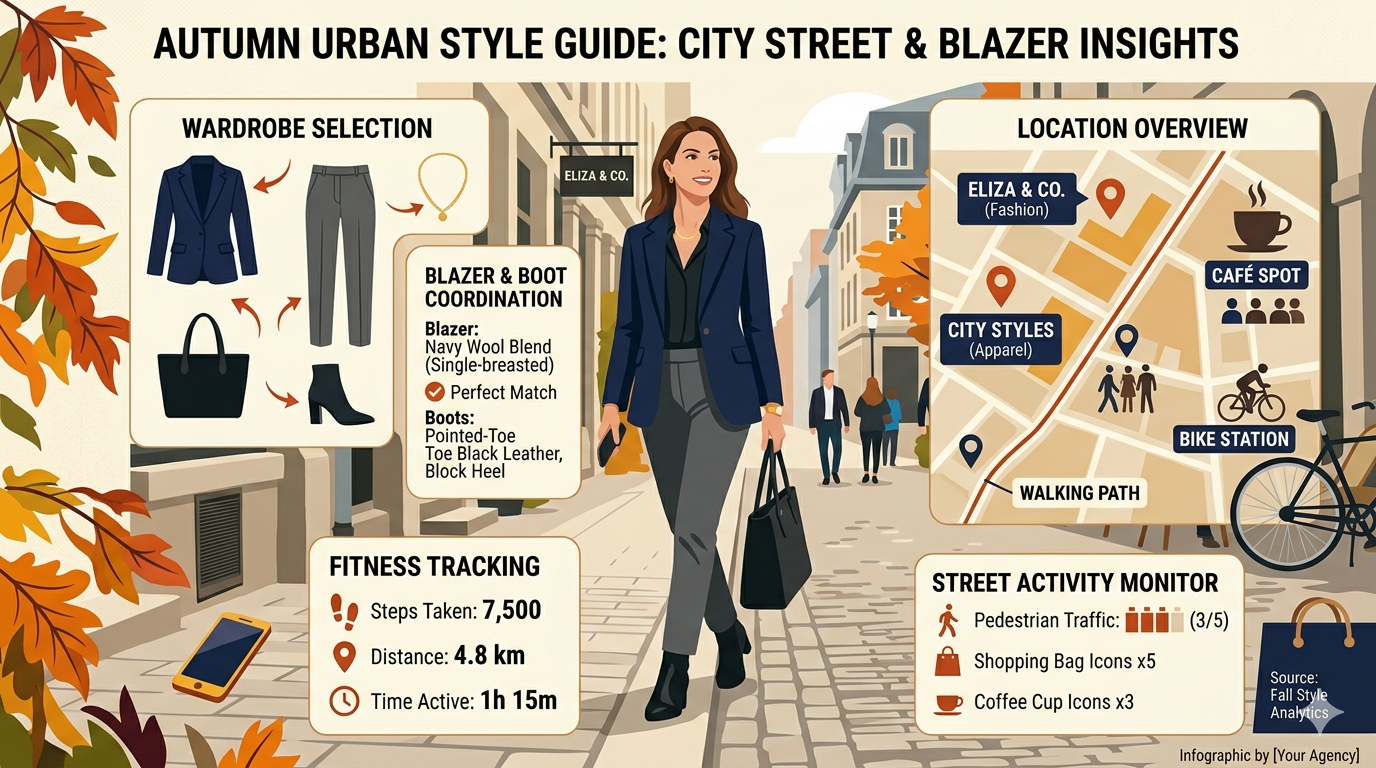
Visual layout of blazer coordination with various footwear categories
Disclaimer
This article is for general informational and educational purposes only. It does not constitute professional styling, psychological, medical, or consumer purchasing advice. References to trends, brands, or styling concepts do not imply endorsement or guarantee of results. Readers are encouraged to rely on personal preference, verified product information, and official consumer protection resources when making fashion or purchasing decisions.