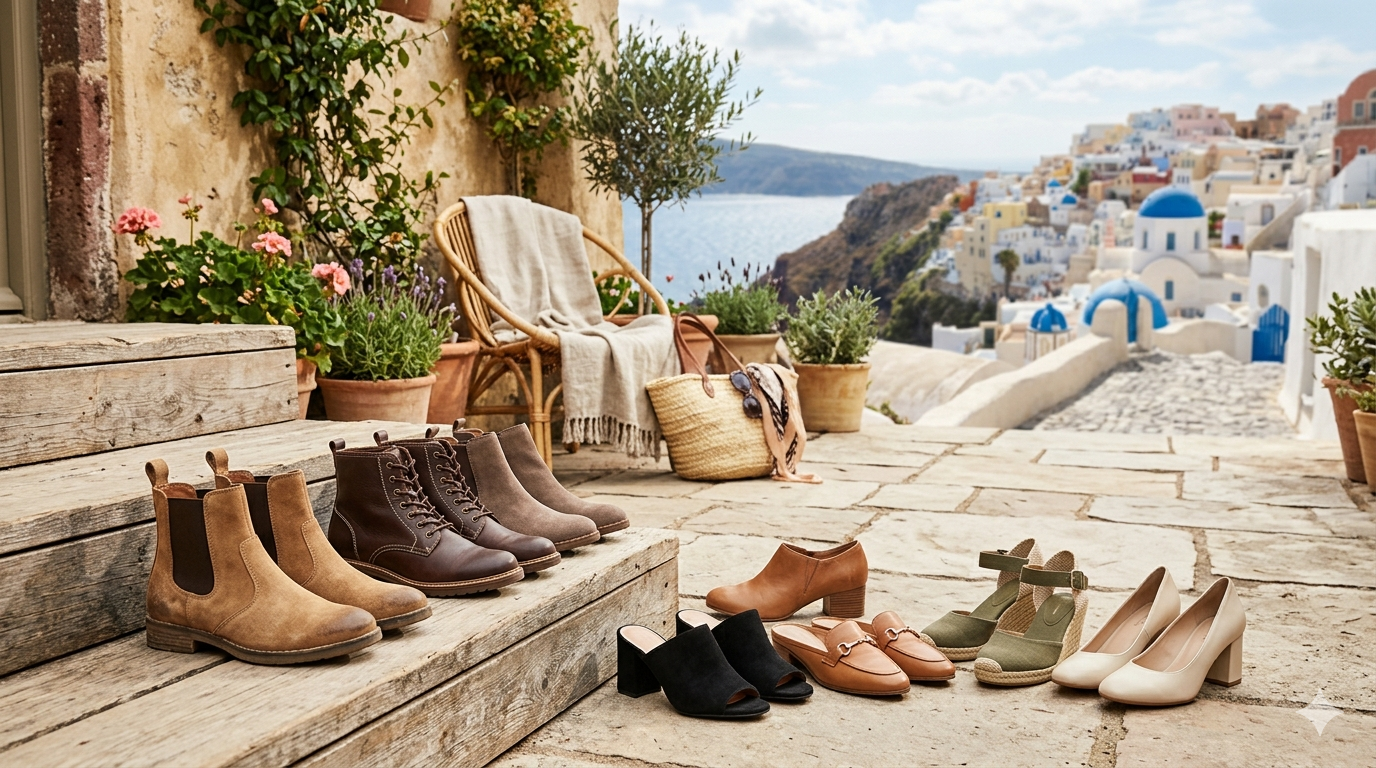
Lightweight Ankle Boots and Casual Heels: Structure, Function, and Styling Context
A neutral overview of construction, materials, and everyday coordination principles for two common footwear categories.
This article explains the basic characteristics of lightweight ankle boots and casual heels. It covers design structure, material considerations, and general styling context. The discussion focuses on educational insights relevant to everyday wear in warm and humid environments such as the Philippines. Consumer awareness topics, including fit, labeling, and construction quality, are also included in line with general consumer protection principles.
What Are Lightweight Ankle Boots?
Lightweight ankle boots are footwear that typically end at or slightly above the ankle. They are designed with reduced bulk compared to traditional boots.
- Low to moderate shaft height
- Lightweight sole construction
- Flexible upper materials such as soft leather, synthetic blends, or textiles
- Closure types such as zippers, elastic panels, or laces
In apparel education, ankle boots are often categorized as transitional footwear. They may be used across different weather conditions depending on material and ventilation.
What Are Casual Heels?
Casual heels refer to shoes with a raised heel that are designed for everyday use rather than formal occasions.
- Low to mid heel height
- Broader heel bases such as block or wedge styles
- Open or closed toe designs
- Materials that prioritize flexibility and comfort
Casual heels are often associated with practical daily wear where moderate elevation is combined with walking stability.
Basic Principles of Fit and Structure
Footwear fit affects comfort and movement.
- Toe box space: Allows natural toe movement without compression
- Arch support: Helps distribute weight across the foot
- Heel stability: Reduces imbalance during walking
- Weight distribution: Influenced by sole thickness and heel height
In footwear construction, lighter designs often use thinner soles or flexible materials. This may affect durability and support, depending on usage conditions.
Fabric and Material Considerations
Material selection influences breathability, weight, and maintenance.
- Natural leather: Often flexible and molds over time
- Synthetic leather: May offer water resistance and lower cost
- Canvas or knit textiles: Lightweight and breathable
- Rubber or EVA soles: Contribute to reduced weight
In humid climates, breathable materials may help reduce moisture buildup inside footwear.
Color and Coordination Concepts
Footwear color can interact with clothing tones.
- Neutral colors (e.g., black, brown, beige) are often used for versatility
- Similar color tones between footwear and clothing may create visual continuity
- Contrasting colors may highlight footwear as a separate element
Color coordination depends on context, personal preference, and overall outfit composition.
Silhouette and Proportion
Footwear affects the overall visual balance of an outfit.
- Ankle boots may visually segment the lower leg due to their height
- Casual heels with low elevation may maintain a more continuous leg line
- Chunkier soles may create a heavier visual base
In styling practice, proportion is considered alongside garment length, cut, and layering.
Practical Use in Tropical Climates
In regions such as the Philippines, environmental factors influence footwear selection.
- Heat and humidity levels
- Walking surfaces (e.g., pavement, indoor flooring)
- Frequency of use and duration of wear
Lightweight footwear may be preferred in warm conditions due to reduced heat retention. However, material breathability varies by product.
Consumer Tips: Labels, Sizing, and Quality Checks
Before purchasing footwear, consumers may review:
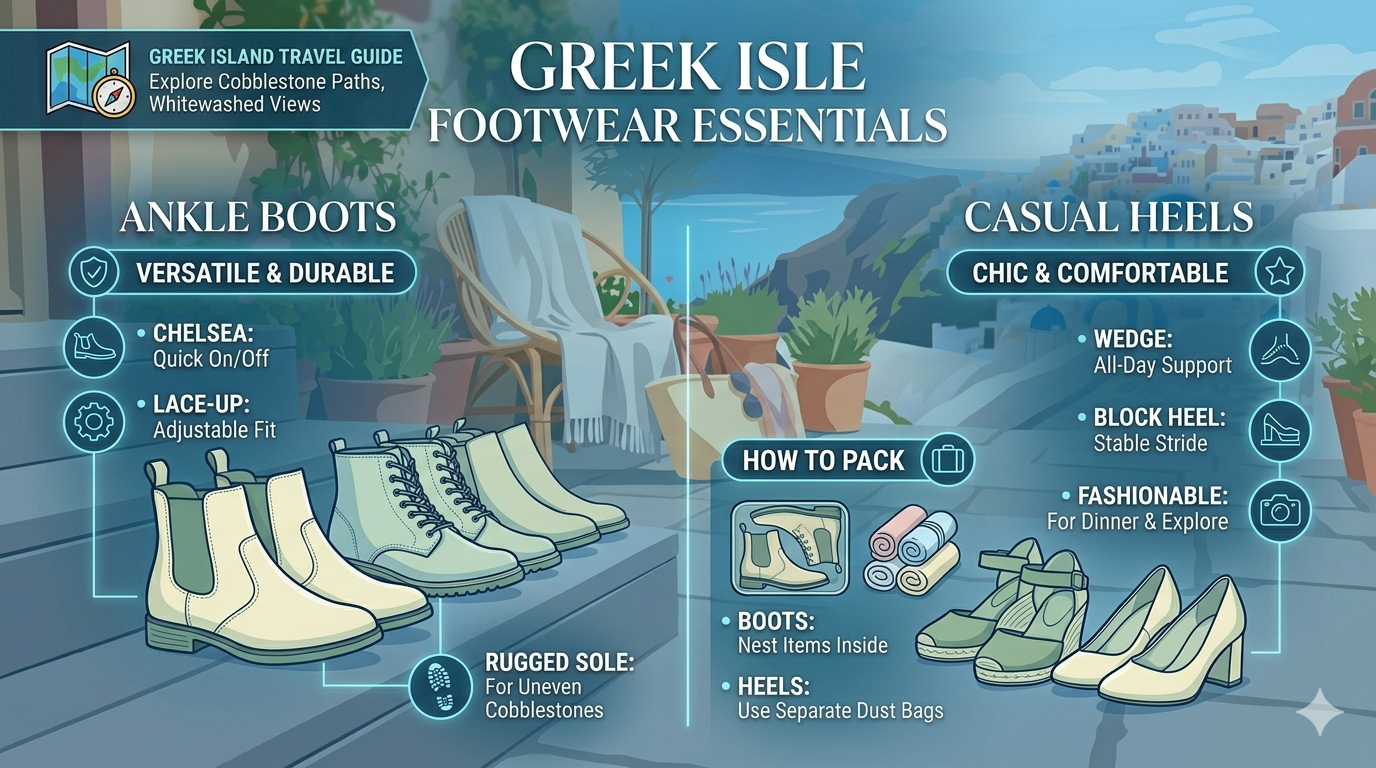
Diagram showing footwear structure and components eck regional size conversions (US, EU, UK) Consumers are encouraged to verify product information through official labeling and retailer disclosures.
Footwear in Fashion History
In fashion history, ankle boots evolved from utilitarian footwear used in work and travel. Over time, they became integrated into everyday wardrobes.
Heeled shoes have been present in various forms across different cultures. Originally associated with functionality in certain historical contexts, heels later developed into diverse styles used in both formal and casual settings.
Modern interpretations of both categories reflect changes in material technology and lifestyle needs.
Frequently Asked Questions (FAQ)
What is the difference between ankle boots and regular boots?
Ankle boots typically end at the ankle, while regular boots extend higher along the calf or knee. The difference affects coverage, weight, and styling context.
What defines a casual heel?
A casual heel generally has a lower height and a more stable base compared to formal heels. It is designed for everyday use rather than specialized occasions.
Are lightweight shoes less durable?
Durability depends on materials and construction methods. Lightweight design may involve thinner components, which can vary in longevity depending on use.
Trusted Sources
- Department of Trade and Industry (DTI) – Consumer Product Guidelines
- Textile and apparel educational references (general material and construction principles)
- Museum archives on historical footwear development
Disclaimer
This article is for general informational and educational purposes only. It does not constitute professional styling, psychological, medical, or consumer purchasing advice. References to trends, brands, or styling concepts do not imply endorsement or guarantee of results. Readers are encouraged to rely on personal preference, verified product information, and official consumer protection resources when making fashion or purchasing decisions.