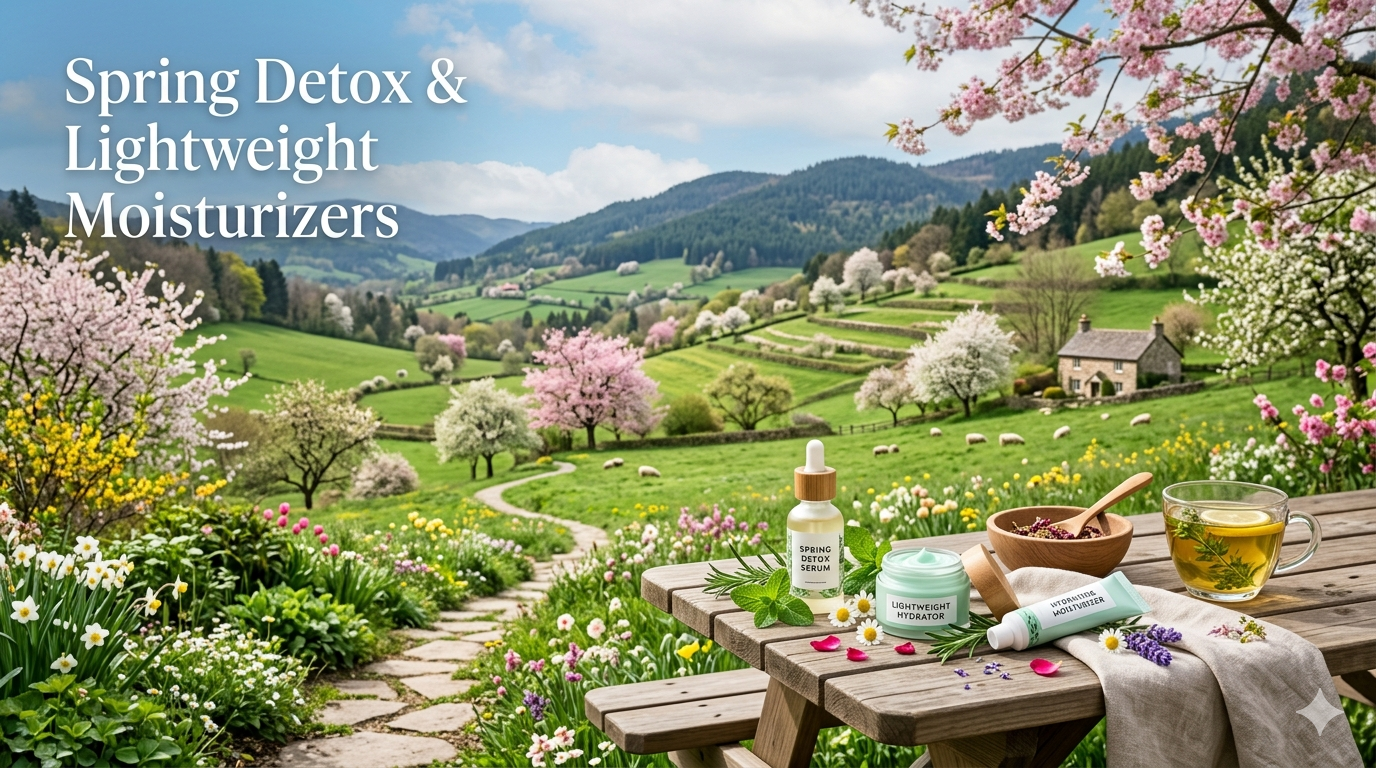
Spring Skin Care: Understanding Seasonal Changes and Lightweight Moisturizers
A Neutral Overview of Skin Maintenance During Warmer Conditions
Seasonal changes, including warmer and more humid conditions often associated with “spring” in some regions, may influence how skin behaves. This article explains how environmental factors can affect the skin and provides an educational overview of lightweight moisturizers and commonly discussed “detox” concepts in skin care. It follows general dermatological guidance and consumer safety standards recognized by regulatory bodies such as the Department of Health (DOH) and the Food and Drug Administration (FDA) in the Philippines.
Understanding Seasonal Skin Changes
Environmental conditions such as temperature, humidity, and sun exposure can affect the skin’s surface:
- Increased humidity may influence oil (sebum) production
- Higher temperatures may contribute to perspiration and surface residue
- Ultraviolet (UV) exposure may affect the outer skin layer
These factors may lead some individuals to adjust their routines for comfort and maintenance.
Clarifying the Term “Skin Detox”
The term “detox” is commonly used in skin care discussions. From a biological perspective:
- The skin does not perform detoxification in the same way as internal organs like the liver or kidneys
- Skin care routines typically focus on cleansing and maintaining the skin barrier
- “Detox” in this context often refers to removing surface impurities such as oil, sweat, and environmental particles
Understanding this distinction helps reduce confusion around product claims and expectations.
Lightweight Moisturizers: General Characteristics
Lightweight moisturizers are commonly used in warmer or more humid conditions. They are typically formulated to provide hydration without a heavy or occlusive texture.
Common Features:
- Water-based or gel-like consistency
- Fast absorption into the skin surface
- Lower oil content compared to thicker creams
Common Ingredient Types:
- Humectants (e.g., glycerin, hyaluronic acid) – attract water to the skin
- Light emollients – help maintain skin smoothness
- Non-occlusive agents – allow the skin to retain moisture without forming a thick barrier
Product formulation and suitability may vary depending on individual skin type.
Basic Skin Care Practices in Warmer Conditions
Skin care routines during warmer periods often focus on maintaining balance:
Cleansing
Removes sweat, oil, and environmental residue that may accumulate throughout the day.
Moisturization
Supports hydration even in humid climates. Lighter formulations are sometimes preferred for comfort.
Sun Protection
Use of sunscreen is commonly included in daytime routines to reduce exposure to ultraviolet radiation.
Hygiene and Product Use
Regular cleaning of personal items (e.g., towels, pillowcases) may help minimize contact with surface impurities.
Hypothetical Example (For Understanding)
An individual living in a humid area may notice increased oiliness during warmer months. They may choose a gel-based moisturizer for a lighter feel compared to heavier creams used in cooler conditions. This example illustrates how environmental context can influence routine adjustments.
Context: Dermatology and Consumer Standards
In dermatology literature, skin care is generally described as supportive maintenance rather than transformation.
Under consumer protection frameworks such as the Consumer Act of the Philippines (RA 7394):
- Product claims must be truthful and not misleading
- Consumers are encouraged to review ingredient lists and verify FDA registration
- Marketing terms like “detox” should be interpreted cautiously and understood in context
These standards promote informed and safe consumer decisions.
FAQ (Educational)
What does “lightweight moisturizer” mean?
It refers to a formulation that provides hydration with a lighter texture, often water-based or gel-like, and may feel less heavy on the skin.
Is “skin detox” medically recognized?
The term is not a formal medical classification in dermatology. It is often used to describe cleansing or simplifying skin care routines.
Can moisturizers be used in humid weather?
Moisturizers are generally used to support hydration. The type of formulation may vary depending on environmental conditions and skin type.
Trusted Sources
- Department of Health (DOH), Philippines
- Food and Drug Administration (FDA), Philippines
- World Health Organization (WHO) – Skin and environmental health resources
- American Academy of Dermatology (AAD)
- Peer-reviewed dermatology journals (e.g., Journal of Dermatological Science)
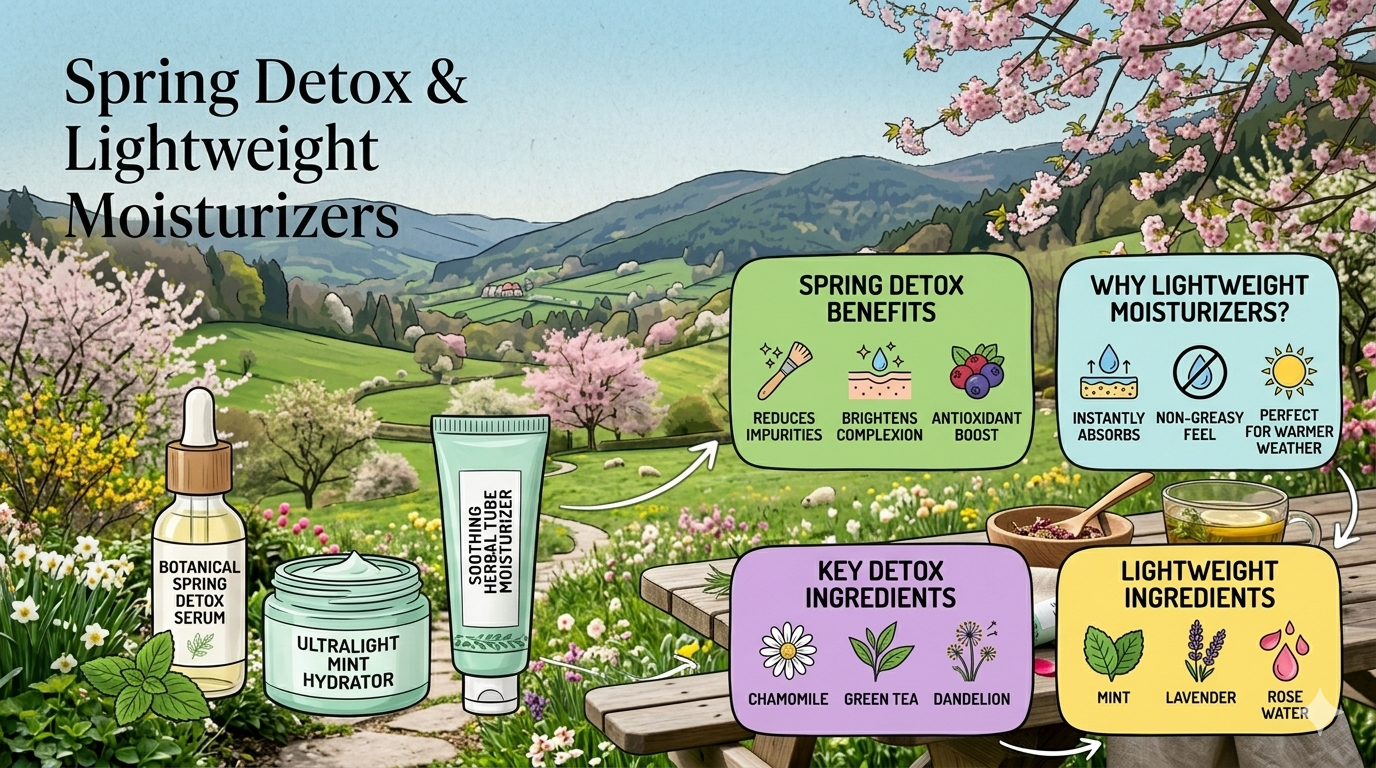
Visual representation of environmental factors and moisturizer formats
Disclaimer
This article is for general informational and educational purposes only. It does not constitute professional medical, dermatological, or consumer purchasing advice. References to products, routines, or treatments do not imply endorsement or guarantee of results. Readers are encouraged to consult licensed dermatologists and verified resources for skin care decisions.