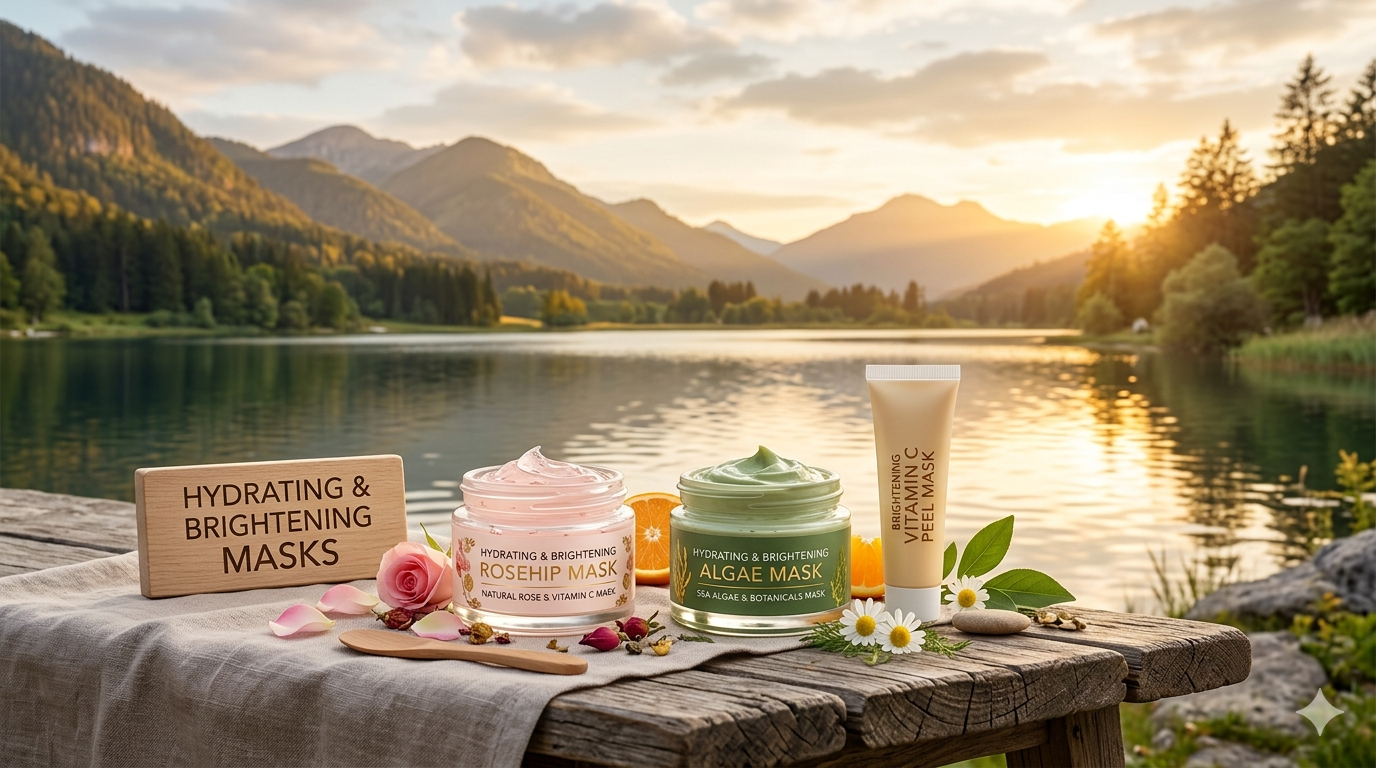
Hydrating and Brightening Masks: An Educational Overview of Skin Care Masks
A neutral explanation of how hydrating and brightening masks are used in skin care routines and the ingredients commonly associated with these categories.
Hydrating and brightening masks are topical skin care products designed to remain on the skin for a limited period before removal or absorption. These masks are commonly discussed in cosmetic skin care routines that aim to support moisture balance and skin surface appearance. In the Philippines, cosmetic products are regulated by the Food and Drug Administration (FDA Philippines) under health and consumer protection frameworks. This article explains the general functions of hydrating and brightening masks, common ingredients used in these formulations, and considerations related to safe consumer use.
What Skin Care Masks Are
Skin care masks are cosmetic formulations applied to the face or other areas of skin for a short duration. They may come in several forms, including:
- Cream-based masks
- Gel masks
- Sheet masks
- Clay-based masks
The formulation and ingredients influence how the mask interacts with the outer layer of the skin, known as the stratum corneum, which helps regulate moisture and acts as a protective barrier.
Hydrating Masks
Hydrating masks are typically formulated to support the moisture content of the skin’s outer layer. Moisture in the skin is influenced by environmental exposure, cleansing practices, and natural skin characteristics.
Ingredients commonly associated with hydrating masks include:
- Humectants such as glycerin and hyaluronic acid, which attract water to the skin surface
- Emollients such as plant oils or fatty alcohols, which may help soften the skin surface
- Occlusive agents such as certain waxes or silicones that reduce water loss from the skin
Hydrating masks are usually left on the skin for a specified time indicated by product instructions.
Brightening Masks
In cosmetic terminology, “brightening” generally refers to improving the appearance of uneven skin tone or surface dullness. This term does not indicate medical treatment or guaranteed changes in pigmentation.
Brightening masks may include ingredients that support gentle surface renewal or optical light reflection. Examples sometimes listed in product ingredient labels include:
- Niacinamide (Vitamin B3)
- Vitamin C derivatives
- Alpha hydroxy acids (AHAs) in low cosmetic concentrations
- Botanical extracts such as licorice root or rice extract
These ingredients are used in cosmetic formulations to support surface clarity or to address visible dullness through exfoliation or hydration.
Typical Use in Skin Care Routines
In general cosmetic routines, masks are used intermittently rather than as daily core products. Application practices commonly described in consumer guides include:
- Cleansing the skin before application
- Applying the mask according to manufacturer instructions
- Leaving the mask on for the recommended duration
- Rinsing or removing the product if required
The frequency of use varies depending on the formulation and individual skin characteristics.
Consumer Safety Considerations
Cosmetic masks are regulated differently from medical treatments. Consumers are encouraged to review product labels and follow instructions provided by manufacturers.
General precautions may include:
- Performing a patch test when trying a new product
- Avoiding use on broken or irritated skin
- Discontinuing use if irritation occurs
- Checking ingredient lists for substances known to cause sensitivity
In the Philippines, cosmetic products must comply with ASEAN Cosmetic Directive standards and must be notified with the FDA before distribution.
Context Section
In dermatology literature, the outer layer of the skin plays an important role in maintaining hydration and protecting underlying tissues. Cosmetic products such as masks are designed to interact primarily with this surface layer.
Under consumer protection and cosmetic safety standards, cosmetic products are expected to be marketed without therapeutic claims unless supported by medical regulatory approval. As a result, terms like “hydrating” or “brightening” in cosmetics typically describe general appearance-related characteristics rather than medical outcomes.
FAQ
What is a hydrating mask?
A hydrating mask is a cosmetic product designed to support moisture levels in the outer layer of the skin. These masks often contain humectants or emollients that interact with the skin surface.
What does “brightening” mean in skin care products?
In cosmetic terminology, brightening refers to improving the appearance of dull or uneven skin tone. The term does not indicate medical treatment of pigmentation conditions.
How often are skin care masks typically used?
Many cosmetic guides describe masks as occasional treatments used alongside basic routines such as cleansing and moisturizing. Frequency varies depending on product formulation and skin sensitivity.
Trusted Sources
- Philippine Department of Health (DOH) – Consumer health advisories
- FDA Philippines – Cosmetic product regulation and safety notifications
- American Academy of Dermatology (AAD) educational resources
- International Journal of Cosmetic Science
- ASEAN Cosmetic Directive safety guidelines
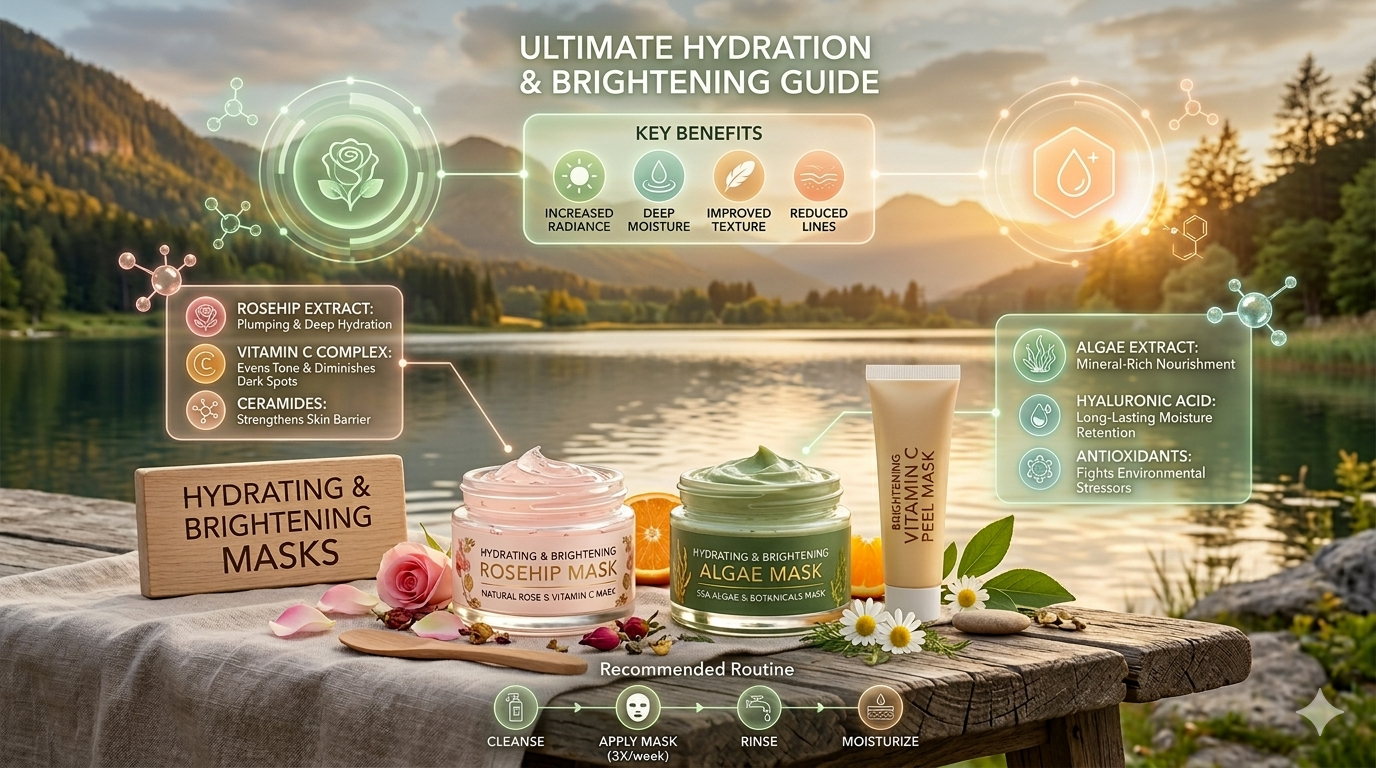
Infographic presenting facial mask formats and ingredient group labels.
Disclaimer
This article is for general informational and educational purposes only. It does not constitute professional medical, dermatological, or consumer purchasing advice. References to products, routines, or treatments do not imply endorsement or guarantee of results. Readers are encouraged to consult licensed dermatologists and verified resources for skin care decisions.