
Sun-Kissed Eye Makeup & Lash Care
A neutral educational overview of eye-area cosmetics, eyelash hygiene, and safe daily practices.
Eye-area cosmetics and eyelash grooming are common parts of personal care routines. Because the eyelids and lashes sit close to the surface of the eye, hygiene and product handling practices are important considerations. This article explains basic eye anatomy related to lashes, common hygiene practices associated with eye makeup, and general safety considerations discussed in ophthalmology and consumer protection guidance.
Understanding the Eyelids and Eyelashes
The eyelids and eyelashes help protect the surface of the eye.
- Eyelids help distribute tears across the eye during blinking.
- Eyelashes act as a physical barrier that may help reduce dust or debris from reaching the eye.
- Oil glands near the lash line, called meibomian glands, release oils that help stabilize the tear film.
Because cosmetics are often applied along the eyelid or lash line, careful handling and cleanliness are commonly emphasized in eye health guidance.
Eye Makeup and Hygiene Considerations
Eye cosmetics such as mascara, eyeliner, and eyeshadow are designed for use around the eyes. Ophthalmology sources frequently highlight several hygiene considerations.
Clean application tools
Brushes and applicators may collect oils, skin cells, or residue. Periodic cleaning of reusable tools is commonly discussed in hygiene recommendations.
Avoid sharing eye cosmetics
Sharing products or applicators can transfer bacteria between users.
Product expiration awareness
Cosmetic products may degrade over time. Public health guidance often notes that expired products may increase the chance of contamination.
Gentle removal practices
Removing eye cosmetics before sleep is commonly discussed in eye care materials to reduce buildup along the lash line.
Eyelash Care and Maintenance
Eyelashes require minimal direct maintenance, but certain habits are frequently referenced in eye health discussions.
Clean eyelid margins
Routine facial cleansing can help remove debris that collects around lashes and eyelids.
Avoid pulling or excessive rubbing
Mechanical irritation may affect the eyelid area or lashes.
Monitor irritation signs
Redness, itching, swelling, or discharge around the eyelids may indicate irritation or sensitivity. When symptoms persist, licensed eye care professionals are typically consulted for evaluation.
Environmental Factors and Eye Comfort
Outdoor environments and cosmetic routines can sometimes interact with eye comfort.
Examples discussed in eye health literature include:
- Sun exposure and dry air conditions
- Airborne dust or pollen
- Long hours wearing eye cosmetics without removal
In these situations, maintaining eyelid cleanliness and monitoring comfort levels are commonly noted considerations.
Context: Eye Cosmetics and Consumer Safety
In ophthalmology and consumer protection discussions, eye cosmetics are typically evaluated in terms of ingredient safety, contamination risk, and proper labeling.
Under consumer protection standards, including those referenced by Philippine regulatory bodies such as the Department of Health and the Food and Drug Administration, cosmetic products distributed to the public are expected to follow safety and labeling regulations. These frameworks aim to reduce risks associated with improper manufacturing, contamination, or misleading claims.
Educational materials from ophthalmology organizations also emphasize awareness of eye irritation symptoms and the importance of professional evaluation when needed.
FAQ
What is eyelid hygiene?
Eyelid hygiene refers to routine cleaning of the eyelid margins and surrounding skin to remove oils, debris, or cosmetic residue. It is commonly discussed in eye health materials related to eyelid comfort.
Can eye makeup affect eye comfort?
Eye cosmetics may sometimes interact with the eyelid margin or tear film. Hygiene practices and proper product handling are often discussed to reduce contamination risks.
What tools are commonly used for eye makeup?
Common tools include brushes, applicators, and mascara wands. Hygiene guidance typically mentions periodic cleaning of reusable tools.
Trusted Sources
- Philippine Department of Health (DOH) – Public health advisories
- Philippine Food and Drug Administration (FDA) – Cosmetic safety guidelines
- American Academy of Ophthalmology – Eye health education resources
- Peer-reviewed ophthalmology and optometry journals
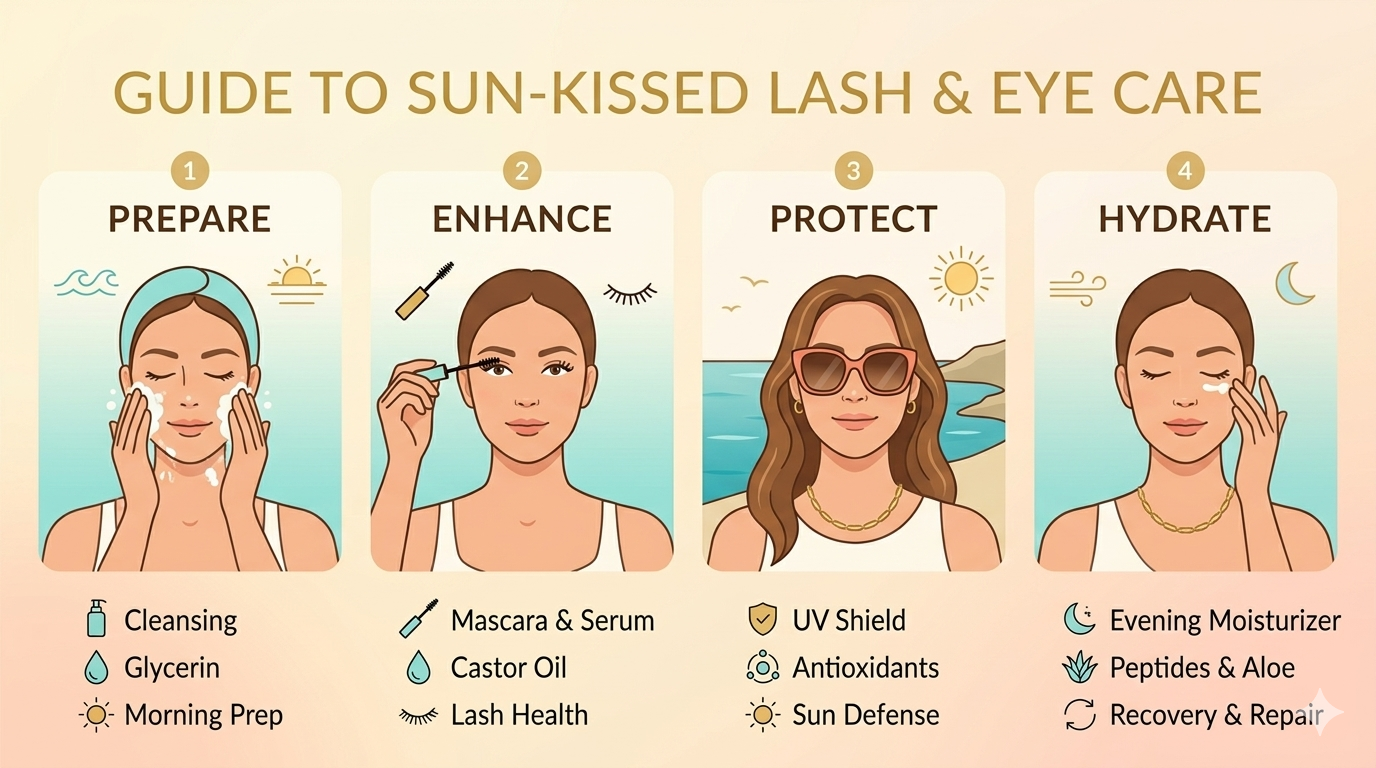
Illustrated layout displaying eye makeup areas and eyelash features.
Disclaimer
This article is for general informational and educational purposes only. It does not constitute professional medical, ophthalmological, or consumer purchasing advice. References to procedures, products, or clinics do not imply endorsement or guarantee of results. Readers are encouraged to consult licensed eye care professionals and verified resources for vision health decisions.