
Bright Eyeshadow and Under-Eye Highlight: An Educational Overview of Eye Makeup Techniques
A neutral explanation of two commonly used cosmetic eye makeup approaches.
Bright eyeshadow and under-eye highlight are cosmetic makeup techniques commonly discussed in beauty tutorials and cosmetic education. These methods involve applying light-reflective or lighter-colored makeup products around the eye area. This article explains what these techniques are, how they are typically used in cosmetic routines, and general considerations for eye safety and hygiene.
What Is Bright Eyeshadow?
Bright eyeshadow refers to the use of noticeably lighter or more vivid colors on the eyelids. Examples of colors used in cosmetic tutorials may include soft pastels, metallic shades, or light neutral tones.
These products are applied to the eyelid area using brushes, applicators, or fingertips depending on the product formulation. Some individuals apply brighter shades across the eyelid surface, while others combine them with darker tones to create contrast within a makeup look.
Cosmetic eyeshadow products may contain pigments, binders, and reflective particles. Product formulations can vary across cosmetic brands, including powders, creams, and liquids.
What Is Under-Eye Highlight?
Under-eye highlight refers to the application of lighter cosmetic products beneath the lower eyelid area. In cosmetic routines, this may involve:
- A lighter-colored concealer
- A highlighting powder or cream
- Light-reflective pigments
The technique is often used in cosmetic makeup tutorials to create contrast between different areas of the face. Application methods may include brushes, sponges, or fingertip blending depending on the product type.
Eye Area Sensitivity
The skin surrounding the eyes is relatively thin compared with many other areas of the face. Because of this, cosmetic products used near the eyes should be applied carefully and removed using gentle cleansing practices.
Individuals may respond differently to cosmetic ingredients. Some users report irritation, redness, or watering when certain pigments or fragrances come into contact with the eye area.
General hygiene practices commonly mentioned in cosmetic education include:
- Avoiding the sharing of eye makeup tools
- Cleaning brushes and applicators regularly
- Removing makeup before sleeping
- Checking product expiration dates
These practices are discussed in consumer safety guidance related to cosmetic use.
Hypothetical Example
In a hypothetical cosmetic routine, a person may apply a light-colored eyeshadow to the eyelid and a lighter cosmetic product under the lower eyelid area. The goal in many tutorials is to create contrast between makeup shades rather than to change the natural structure of the eyes.
This example illustrates how the two techniques may appear together in cosmetic demonstrations.
Context: Cosmetic Product Safety
Cosmetic products applied near the eyes fall under consumer product safety regulations in many countries. In the Philippines, cosmetic safety oversight involves regulatory guidance from agencies such as the Department of Health (DOH) and the Food and Drug Administration (FDA Philippines).
Manufacturers typically provide instructions regarding safe cosmetic use, ingredient information, and expiration guidelines. Consumers are generally encouraged to review these details and monitor any signs of irritation when using products near the eye area.
Ophthalmology and dermatology references often emphasize the importance of maintaining hygiene when applying products around sensitive skin areas.
FAQ
What is eyeshadow used for in cosmetics?
Eyeshadow is a cosmetic product applied to the eyelids. It is commonly used to add color, shading, or contrast within a makeup routine.
What does under-eye highlight refer to?
Under-eye highlight describes the application of a lighter cosmetic product beneath the lower eyelid area. It is often used in makeup demonstrations to create contrast between facial areas.
Are there safety considerations when applying eye makeup?
Cosmetic products applied near the eyes may cause irritation for some individuals. Hygiene practices such as cleaning tools and removing makeup before sleep are commonly mentioned in consumer safety guidance.
Trusted Sources
- Philippine Department of Health (DOH) — public health guidance
- FDA Philippines — cosmetic product safety advisories
- American Academy of Ophthalmology — educational materials on eye health
- Peer-reviewed dermatology and ophthalmology publications discussing cosmetic safety near the eye area
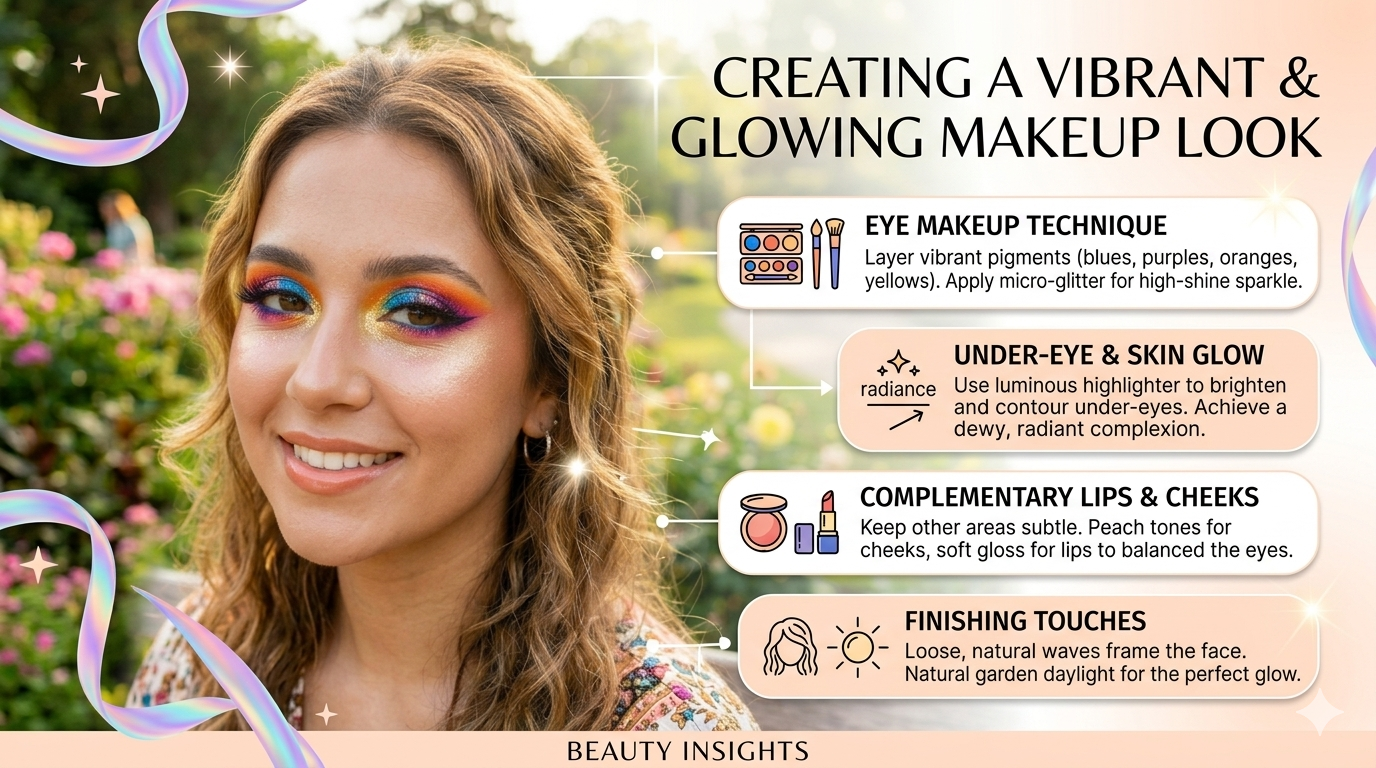
Illustration displaying bright eyeshadow on eyelids and lighter cosmetic beneath the eyes.
Disclaimer
This article is for general informational and educational purposes only. It does not constitute professional medical, ophthalmological, or consumer purchasing advice. References to procedures, products, or clinics do not imply endorsement or guarantee of results. Readers are encouraged to consult licensed eye care professionals and verified resources for vision health decisions.