by Ramil Villar | Mar 28, 2026 | Food & Nutrition Basics
Pancit Habhab: Nutritional Overview and Cultural Context
A neutral look at ingredients, preparation, and dietary considerations
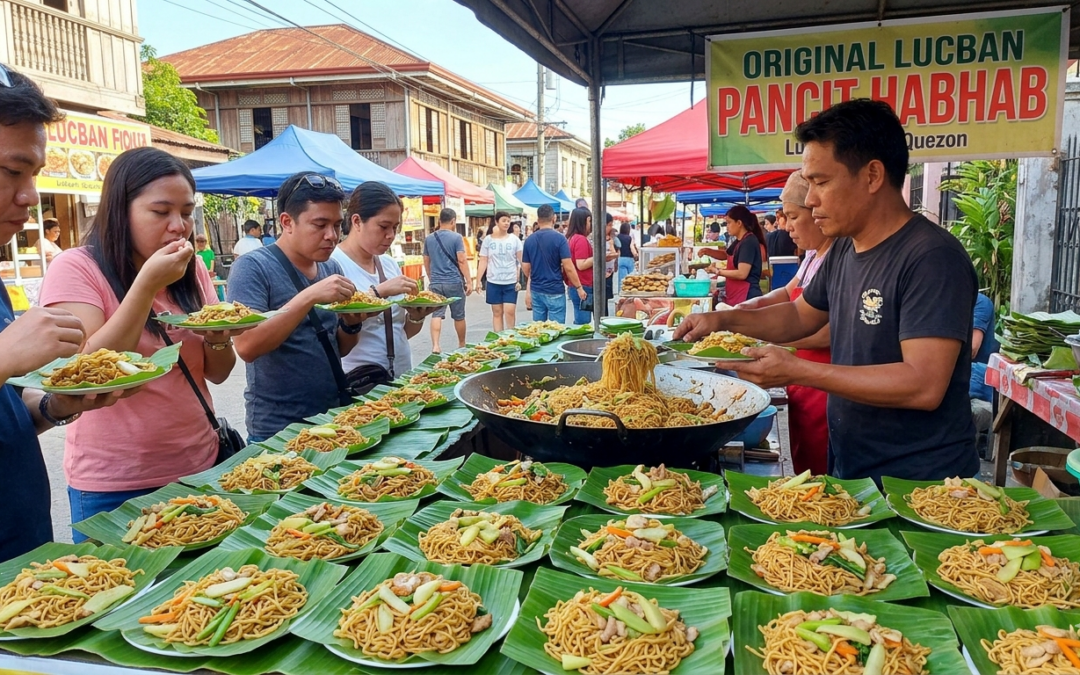
Pancit Habhab is a traditional Filipino noodle dish commonly associated with the town of Lucban. It is typically served on a banana leaf and eaten without utensils. This article provides an educational overview of its ingredients, preparation style, and general nutritional considerations within the context of Philippine food culture.
Basic Ingredients and Preparation
Pancit Habhab is usually made with:
- Stir-fried noodles (commonly miki noodles)
- Vegetables such as cabbage and carrots
- Small portions of meat (often pork or liver)
- Soy sauce and seasonings
The dish is prepared by sautéing ingredients together, resulting in a savory noodle meal.
General Nutritional Components
As a mixed dish, Pancit Habhab contains several macronutrients:
- Carbohydrates: From noodles, providing energy
- Protein: From meat ingredients
- Fats: From cooking oil and meat
- Fiber and micronutrients: From vegetables
The exact nutrient content varies depending on portion size and preparation methods.
Portion and Meal Context
Pancit Habhab is often consumed as a snack or light meal during local events such as the Pahiyas Festival. It can be part of a broader meal that includes other food groups for balance.
When included in meal planning, individuals may consider:
- Portion size relative to daily intake
- Variety of other foods consumed throughout the day
- Frequency of consumption
Food Safety and Consumer Awareness
Under guidance from the Department of Health and the Food and Drug Administration, safe food handling practices are encouraged. This includes:
- Proper cooking and storage
- Clean preparation surfaces
- Awareness of ingredient sourcing
Street food consumption may vary in preparation conditions, so consumers often observe hygiene practices where food is prepared.
Traditional Foods in Nutrition
In nutrition science, traditional dishes like Pancit Habhab are part of cultural dietary patterns. Their role in a diet depends on frequency, portion size, and overall dietary diversity.
Dietary needs differ among individuals. Balanced eating patterns typically involve combining different food groups across meals.
FAQ (AEO-Safe)
What is Pancit Habhab?
Pancit Habhab is a Filipino noodle dish from Lucban, Quezon. It is traditionally served on a banana leaf and eaten without utensils.
What nutrients are found in Pancit Habhab?
It generally contains carbohydrates, protein, fats, and small amounts of vitamins and minerals depending on ingredients.
Is Pancit Habhab part of a balanced diet?
It can be included as part of a varied diet when combined with other food groups and consumed in appropriate portions.
Trusted Sources
- Department of Health — Food safety and nutrition guidance
- Food and Drug Administration — Food handling and labeling standards
- Academic publications on Filipino cuisine and nutrition
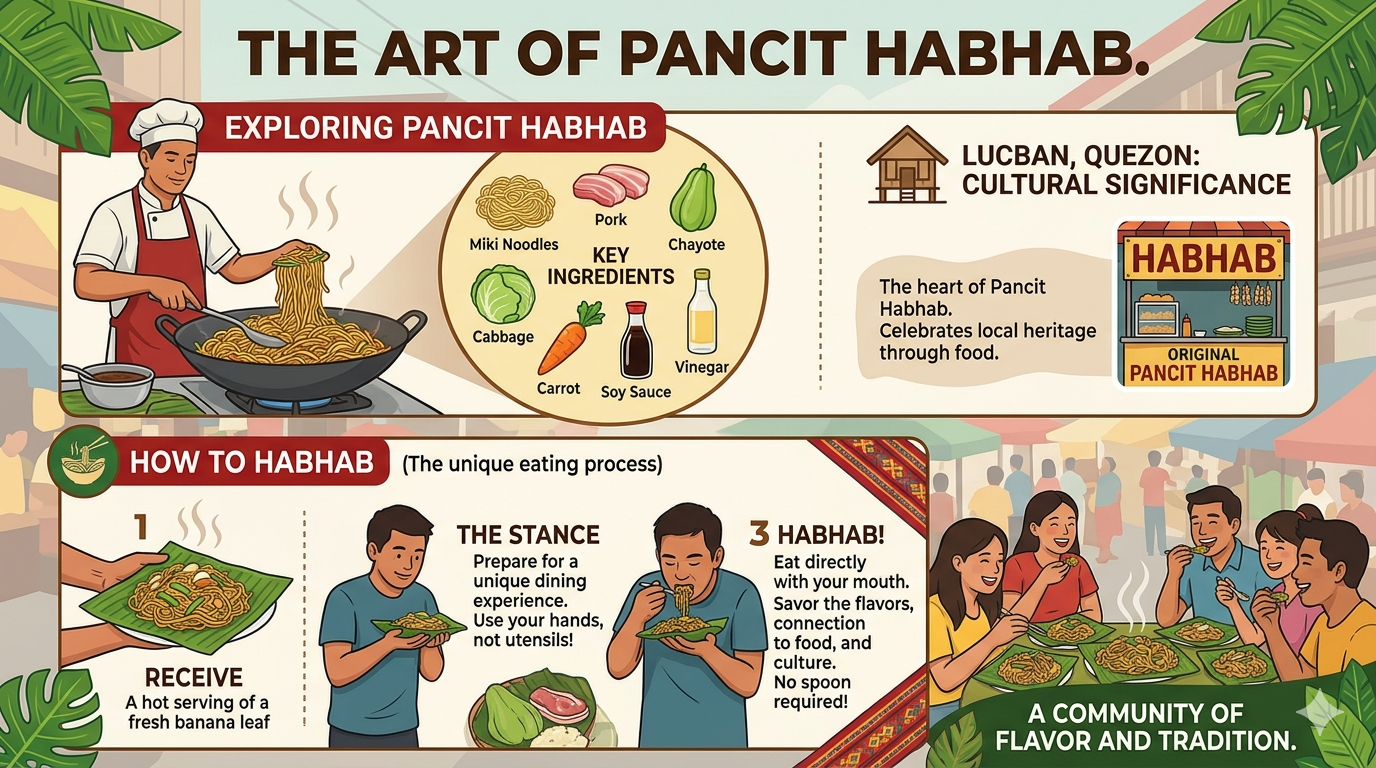
Infographic showing components and preparation steps of Pancit Habhab
Disclaimer
This article is for general informational and educational purposes only. It does not constitute professional medical, nutrition, or dietary advice. References to diets, foods, or supplements do not imply endorsement or guarantee of health outcomes. Readers are encouraged to consult licensed nutritionists, dietitians, or medical professionals for personalized guidance.
by Ramil Villar | Mar 26, 2026 | Food & Nutrition Basics, Traditional Desserts
Understanding Espasol: A Traditional Filipino Rice Cake
A neutral overview of espasol, its ingredients, and nutritional considerations
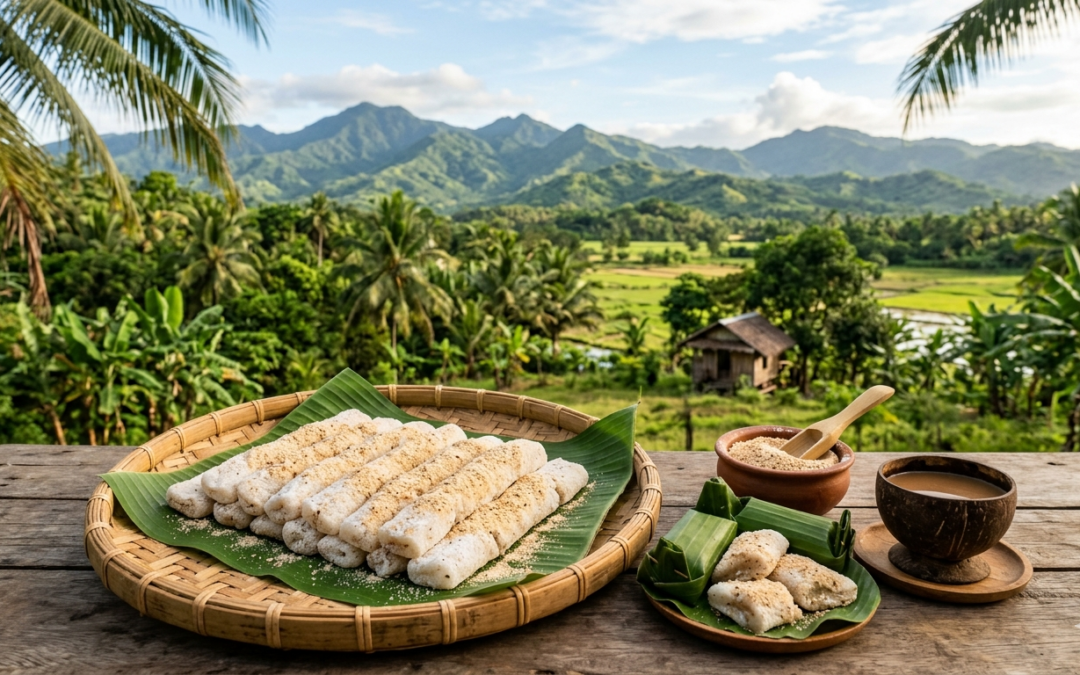
Espasol is a traditional Filipino rice cake commonly made from glutinous rice flour, coconut milk, and sugar, lightly coated with toasted rice flour. This article provides an educational overview of espasol, its key ingredients, nutritional components, and considerations for incorporating it into meals. Information aligns with guidance from the Department of Health (DOH) and the Food and Drug Administration (FDA Philippines) on food safety and labeling.
Ingredients and Composition
Espasol typically contains:
- Glutinous rice flour – provides carbohydrates as the main macronutrient
- Coconut milk – contributes small amounts of fat and minor protein
- Sugar – adds simple carbohydrates
- Toasted rice flour coating – primarily carbohydrates
The nutritional content of espasol varies based on preparation methods, portion size, and specific recipes. It is generally considered an energy-dense snack due to its carbohydrate and fat content.
Hypothetical Portion Example
A single piece of espasol (approximately 50 grams) may contain roughly:
- 100–120 kcal
- 20–25 grams of carbohydrates
- 2–3 grams of fat
- <1 gram of protein
These values are illustrative and can vary depending on ingredients and preparation. Portion control is one factor to consider when including traditional snacks like espasol in a meal plan.
Food Safety and Labeling Considerations
- Espasol prepared for sale should follow local food handling and hygiene regulations.
- Packaged espasol should include ingredient labels and, if applicable, allergen information, in line with FDA Philippines guidelines.
- Consumers should check expiration dates, storage instructions, and packaging integrity.
Context Section
In nutrition science, carbohydrate-rich foods like espasol can provide energy, but excessive intake of sugar and fats may impact overall dietary balance. Under consumer protection and labeling standards in the Philippines, the nutritional value of snacks is dependent on ingredients and preparation, and results of consumption vary individually. Licensed nutritionists or dietitians can provide personalized guidance on integrating traditional foods into balanced meals.
FAQ
What is espasol?
Espasol is a Filipino rice cake made from glutinous rice flour, coconut milk, sugar, and toasted rice flour coating. It is traditionally enjoyed as a snack or dessert.
What are the main nutrients in espasol?
Espasol is primarily a source of carbohydrates and provides small amounts of fat and protein. Nutrient composition depends on the recipe.
Is espasol safe to eat?
When prepared following proper hygiene and food safety standards, espasol is safe to consume. Nutritional content and portion size should be considered as part of a balanced diet.
Trusted Sources
- Department of Health Philippines – Food Safety Advisories
- FDA Philippines – Guidelines on Packaged Food Labeling
- Academic sources on Filipino traditional foods and nutritional analysis
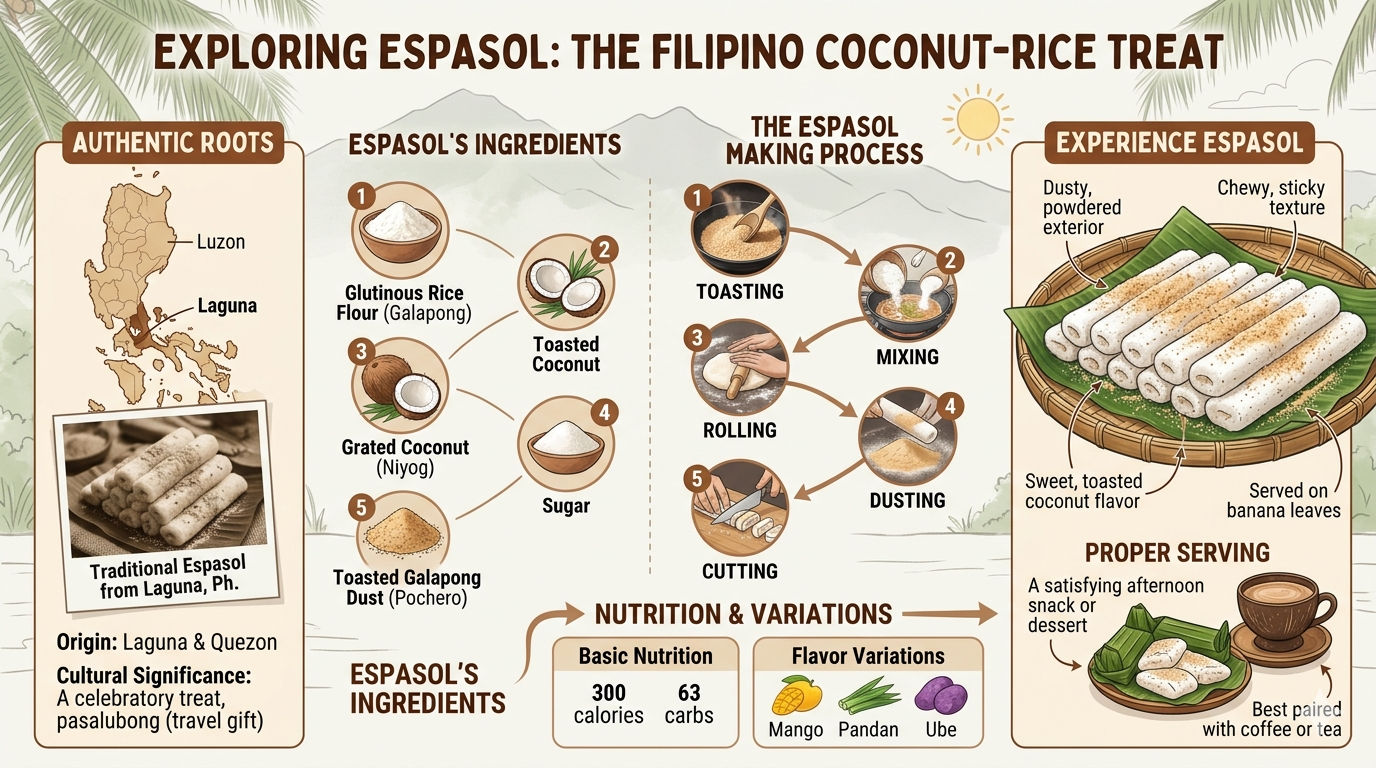
Illustrative infographic of typical espasol ingredients.
Disclaimer
This article is for general informational and educational purposes only. It does not constitute professional medical, nutrition, or dietary advice. References to foods do not imply endorsement or guarantee of health outcomes. Readers are encouraged to consult licensed nutritionists, dietitians, or medical professionals for personalized guidance.
by Ramil Villar | Mar 26, 2026 | Desserts & Pastries, Food & Nutrition Basics
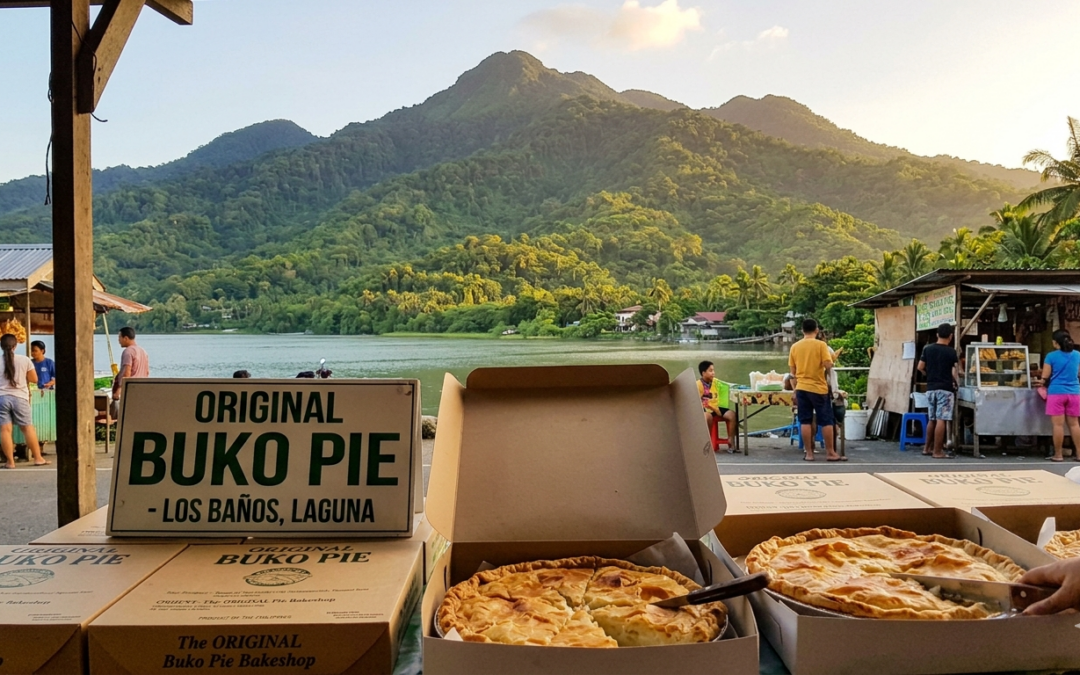
Buko Pie (Los Baños) — Educational Overview
Buko pie is a traditional Filipino baked dessert made from young coconut (“buko” in Tagalog) and is especially associated with Los Baños, Laguna, where it became a local specialty and well‑known pasalubong item (a gift brought home after travel).
What Is Buko Pie?
Buko pie is a Filipino coconut custard pie featuring tender young coconut meat encased in a baked pastry crust. It is sometimes called “coconut pie” in English but is distinct from Western coconut cream pies, as it traditionally has neither cream filling nor meringue toppings.
The filling typically combines buko meat with sugar and sweetened condensed milk, resulting in a denser texture than some other custard pies.
Origin and Cultural Context
Buko pie is widely considered to have originated in Los Baños, Laguna, a municipality known for its educational institutions (such as the University of the Philippines Los Baños), hot springs, and culinary traditions.
The dessert was developed in the mid‑20th century when local bakers adapted Western pie‑making techniques to use coconut — a staple ingredient in the Philippines.
Los Baños has since become recognized for this delicacy, and many visitors to the area purchase buko pie as a pasalubong (souvenir food gift) to bring home.
Typical Ingredients (Descriptive)
Buko pie recipes vary, but common components include:
- Young coconut meat (buko)
- Pie crust (flour with fat and water)
- Sweetened condensed milk or sugar
- Sometimes additional ingredients for texture or flavor (e.g., a touch of milk or cornstarch)
It’s important to note that ingredients can affect the nutrient profile of the finished product. A serving of buko pie is generally higher in calories, fats, and carbohydrates due to the crust and sweetened filling, and also contains nutrients such as calcium, iron, niacin, and folate from the coconut and dairy components.
Nutritional Considerations (Neutral and Educational)
From a dietary and nutritional perspective:
- Energy density: Buko pie typically contains a significant amount of calories from fats and simple carbohydrates (sugars), which contribute to overall energy intake.
- Macronutrients: It provides fats (from coconut and crust), carbohydrates (from sugar and crust), and small amounts of protein.
- Micronutrients: Coconut contributes trace minerals and B‑vitamins.
Because it is a sweet pastry, buko pie is often enjoyed as an occasional treat or dessert rather than a staple food in everyday meal planning.
Cultural and Culinary Notes
- Buko pie can be served warm or at room temperature and is often shared among family and friends during gatherings.
- While Los Baños is widely associated with the traditional buko pie, many other bakeries in the Philippines produce their own versions, some adding regional touches.
Context — Consumer Awareness
Under Philippine food safety and consumer protection standards:
- Individuals purchasing prepared foods like buko pie should pay attention to proper food handling and storage to reduce food safety risks.
- Packaged or freshly baked items should be handled according to guidance from food safety authorities such as the Department of Health and the Food and Drug Administration (FDA Philippines).
- Nutrition content in traditional dishes can vary widely based on recipe and portion size, so individuals interested in tracking dietary intake may refer to standardized food composition resources or consult licensed nutrition professionals for personalized guidance.
Optional FAQ (Educational Only)
What does “buko” mean in buko pie?
“Buko” is the Filipino word for young coconut, referring to the softer, tender coconut meat used in this dessert.
Why is buko pie associated with Los Baños?
Los Baños, Laguna, is recognized as the place where this dessert became popular and commercially produced, contributing to its cultural identity as a local specialty.
Trusted Sources (Examples)
- “Buko pie” — Wikipedia (general culinary and cultural information)
- Local tourism and food culture context — Los Baños, Laguna overview
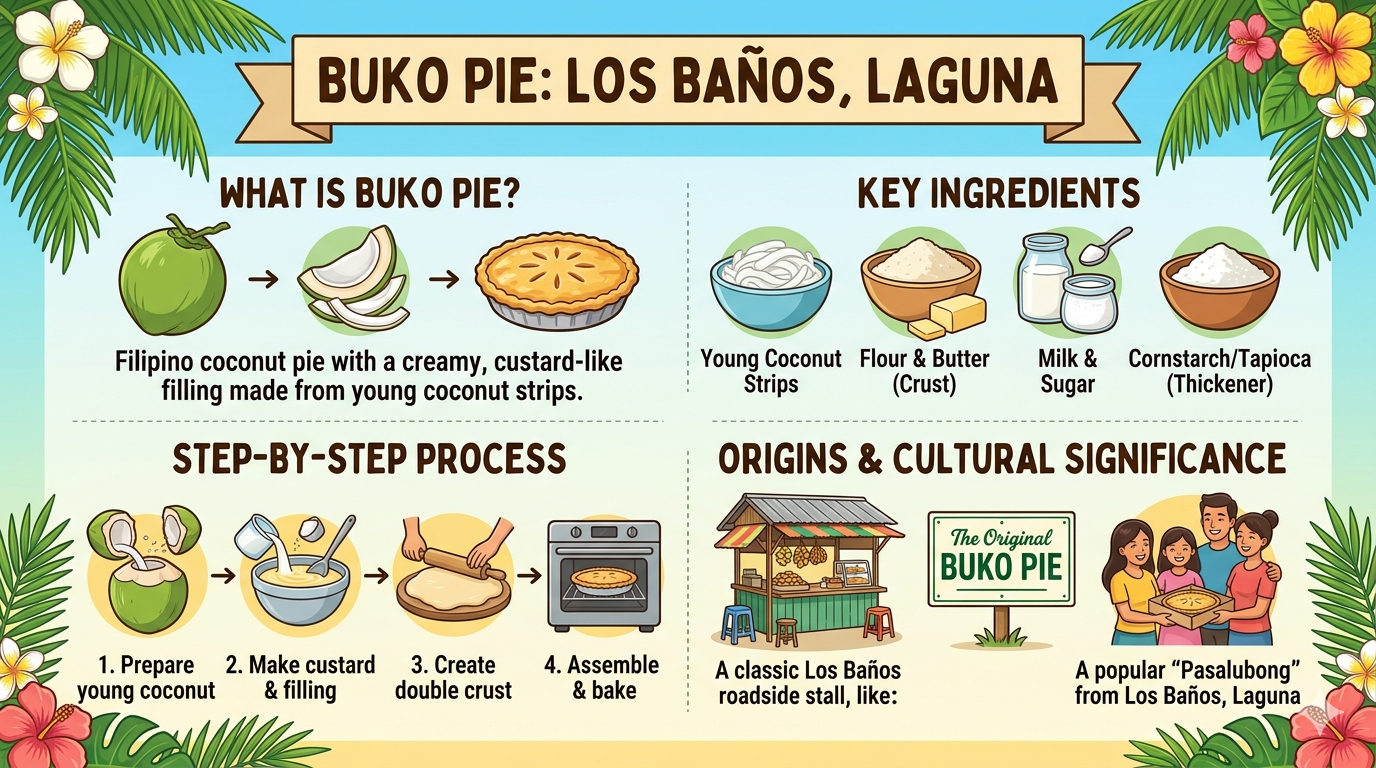
Illustration detailing typical components and layers of a Buko Pie.
Disclaimer:
This article is for general informational and educational purposes only. It does not constitute professional medical, nutrition, or dietary advice. References to foods or dishes do not imply endorsement or guarantee of health outcomes. For personalized dietary guidance, readers are encouraged to consult licensed nutritionists, dietitians, or medical professionals.
by Ramil Villar | Mar 26, 2026 | Food & Nutrition Basics
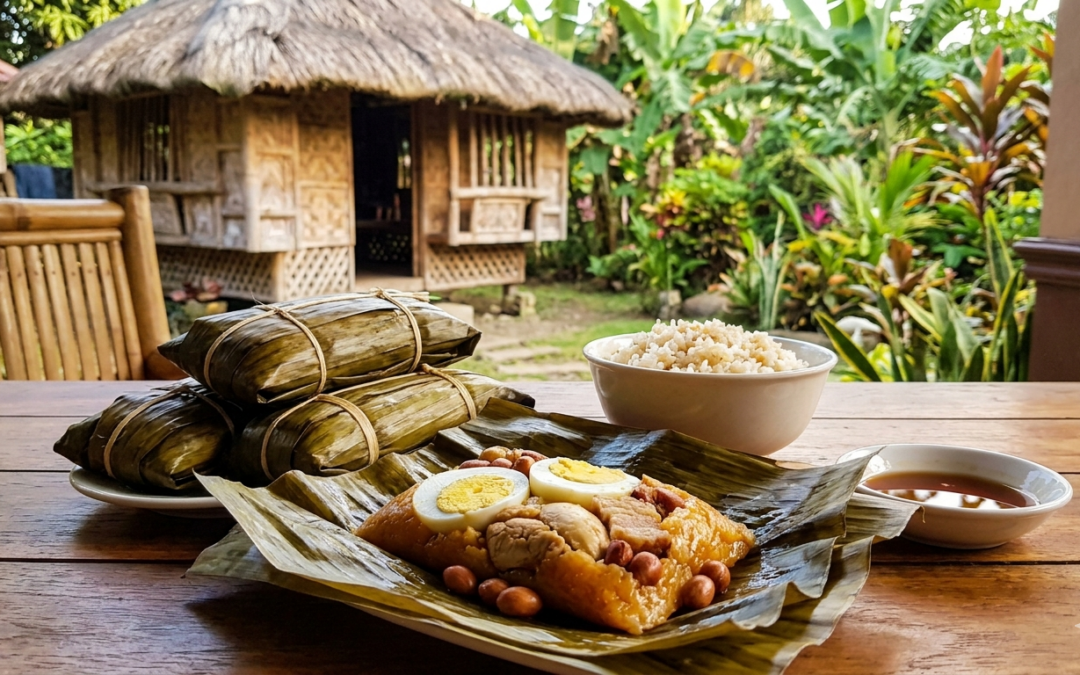
Tamales Caviteño — Educational Overview of a Regional Philippine Dish
Tamales Caviteño is a traditional Filipino dish that is popular in Cavite City and parts of the CALABARZON region. It is an example of how a foreign culinary concept, originally from Latin America, was adapted in the Philippines and became part of local food culture.
Unlike the classic Mexican tamales made from corn masa (nixtamalized corn dough) wrapped in corn husks, the Caviteño version is made with a rice‑based dough and regional ingredients.
Typical Ingredients and Preparation
- Rice dough (galapong): Made from ground rice flour.
- Ground peanuts: Mixed into the rice dough for flavor and texture.
- Achuete (annatto): Used for natural color and mild flavor.
- Meats: Often includes pork and chicken pieces.
- Hard‑boiled eggs: Added for protein and texture.
- Garbanzos (chickpeas): Included in some traditional preparations.
- Banana leaves: The mixture is wrapped in several layers of banana leaves and then steamed until cooked.
This labor‑intensive process is often associated with special occasions, communal cooking, or family gatherings because it takes time and coordination to prepare the layers and steaming.
Cultural Context
In Cavite City, tamales are considered a heritage food and are frequently sold as pasalubong (food souvenirs) or served during holidays like Noche Buena or Media Noche celebrations. They may also be paired with other local foods such as pandesal for breakfast or merienda.
Cavite’s version reflects historical influences, including Spanish and Mexican food heritage, but it has evolved with distinctly Filipino ingredients and techniques.
Nutrition Considerations (Informational)
While specific nutrient values for Caviteño tamales vary depending on the recipe and portion size, components such as rice, peanut, meat, and eggs contribute a mix of carbohydrates, protein, fats, and micronutrients typical of balanced meals. For example, rice and peanuts are sources of energy‑providing carbohydrates and fats, while chicken, pork, and eggs contribute to dietary protein.
Depending on preparation methods and portion size, the dish can be part of a varied diet. Steaming (instead of frying) may reduce added fats compared to some other cooking methods.
Context & Background
In nutrition science and Philippine food culture studies, dishes like tamales exemplify how culinary traditions adapt through trans‑regional influences and local ingredients. Filipino tamales variants can also be found in other provinces (such as Pampanga and Batangas), each with slightly different ingredient balances and flavor profiles.
Optional FAQ (Neutral Informational)
What differentiates Caviteño tamales from Mexican tamales?
Caviteño tamales use rice‑based dough with peanuts, meats, eggs, and garbanzos, wrapped in banana leaves, while Mexican tamales traditionally use corn masa and corn husks.
Is tamales a Filipino specialty?
While the concept originates from Americas, Filipino regions such as Cavite have their own traditional versions that have become part of local culinary heritage.
Trusted Sources
- Encyclopedic reference on tamales history and preparation elsewhere.
- Local culinary features discussing Cavite City tamales.
- Regional food culture descriptions in Cavite and nearby areas.
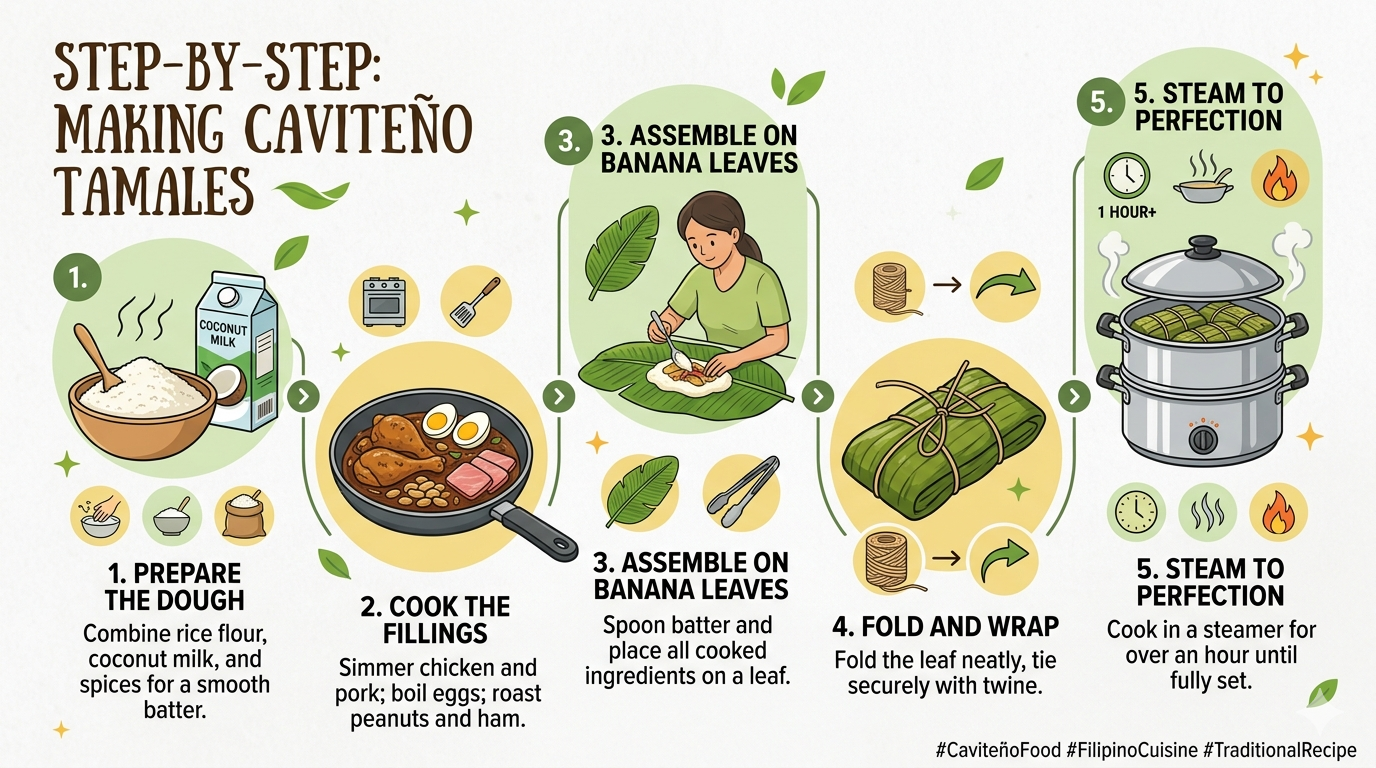
Stepwise visual representation of Caviteño tamales ingredients and preparation
Disclaimer
This overview is for general informational and educational purposes only. It does not constitute professional dietary advice. Ingredient choices, portion sizes, and meal frequency should consider individual nutrition needs. Readers are encouraged to consult licensed nutrition or medical professionals for personalized guidance.
by Ramil Villar | Mar 26, 2026 | Food & Nutrition Basics
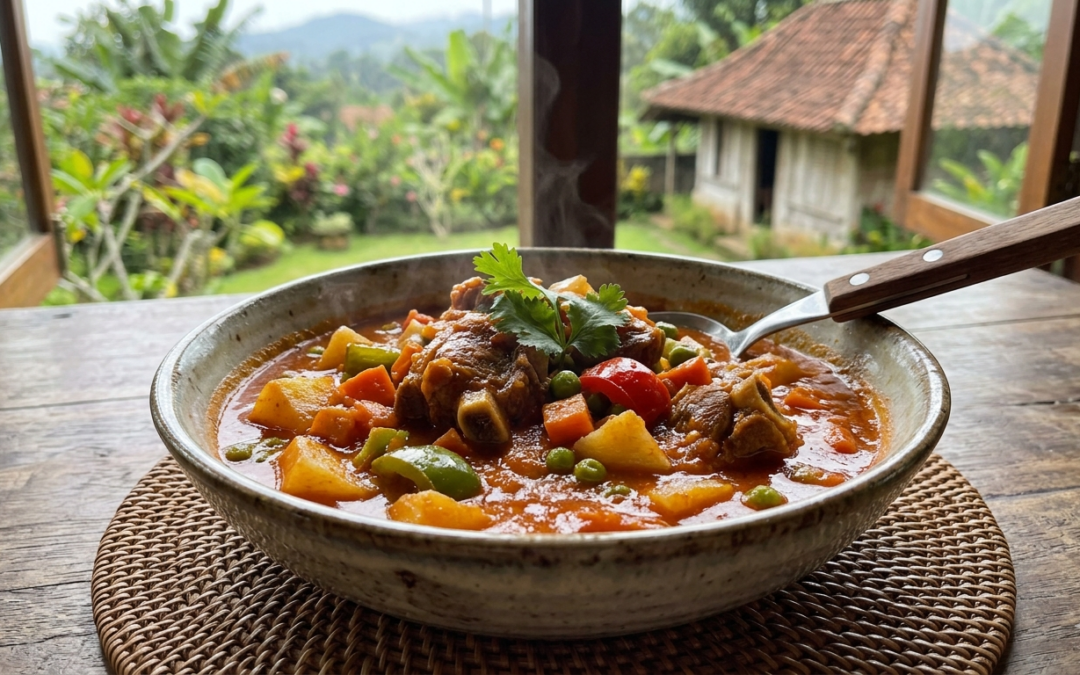
Kalderetang Kambing: Nutritional Overview and Meal Planning Considerations
A neutral overview of the ingredients, macronutrient composition, and dietary considerations for Kalderetang Kambing.
Kalderetang Kambing is a traditional Filipino stew made primarily with goat meat, vegetables, and tomato-based sauces. This article provides an educational review of its typical nutritional components, possible meal planning inclusion, and consumer awareness considerations. All information aligns with Philippine DOH and FDA nutrition and labeling standards.
Nutritional Principles of Kalderetang Kambing
Kalderetang Kambing generally contains:
- Protein: Derived mainly from goat meat. Goat meat is a source of high-quality protein, which supports tissue maintenance and growth.
- Fat: The stew contains varying amounts of saturated and unsaturated fats, depending on the cut of meat and the amount of cooking oil used.
- Carbohydrates: Mainly from added vegetables, tomato sauce, and sometimes potatoes or carrots. These contribute dietary fiber and energy.
- Micronutrients: Goat meat provides iron and zinc. Vegetables contribute vitamins A, C, and potassium.
Hypothetical Meal Planning Considerations
A neutral example of incorporating Kalderetang Kambing in a balanced meal:
| Component |
Example Portion |
Nutritional Note |
| Goat meat stew |
100–120 g cooked |
Provides protein and iron |
| Steamed rice |
½ cup |
Source of carbohydrates |
| Side vegetables |
½ cup |
Provides fiber and vitamins |
| Water |
1 glass |
Maintains hydration |
This example illustrates conceptual portioning without implying weight management or health outcomes. Individual nutritional needs vary.
Safe Eating Practices
- Ensure meat is cooked to recommended temperatures to avoid foodborne pathogens.
- Verify ingredients in pre-packaged sauces for sodium and additives, per FDA labeling guidelines.
- Consume a variety of vegetables alongside protein sources for nutrient balance.
Context Section
In nutrition science studies, meals such as Kalderetang Kambing are considered mixed dishes that provide multiple macronutrients in one serving. Under consumer protection and labeling standards in the Philippines, dishes containing meat and vegetables should be portioned and stored safely to prevent spoilage. Dietary results vary individually, and consultation with licensed nutritionists or medical professionals is recommended for personalized guidance.
Optional FAQ
Q1: What is Kalderetang Kambing?
A traditional Filipino stew made from goat meat, vegetables, and a tomato-based sauce.
Q2: What nutrients does it provide?
It provides protein from meat, carbohydrates from vegetables and starchy ingredients, and micronutrients like iron, zinc, and vitamins from vegetables.
Q3: How can it fit into meal planning?
It can be included as part of a balanced meal alongside vegetables, grains, and adequate hydration. Portion sizes and frequency depend on individual nutritional needs.
Trusted Sources
- Department of Health Philippines: Nutrition Guidelines
- Food and Drug Administration Philippines: Food Safety and Labeling Standards
- Academic Journals: Peer-reviewed studies on meat-based Filipino dishes
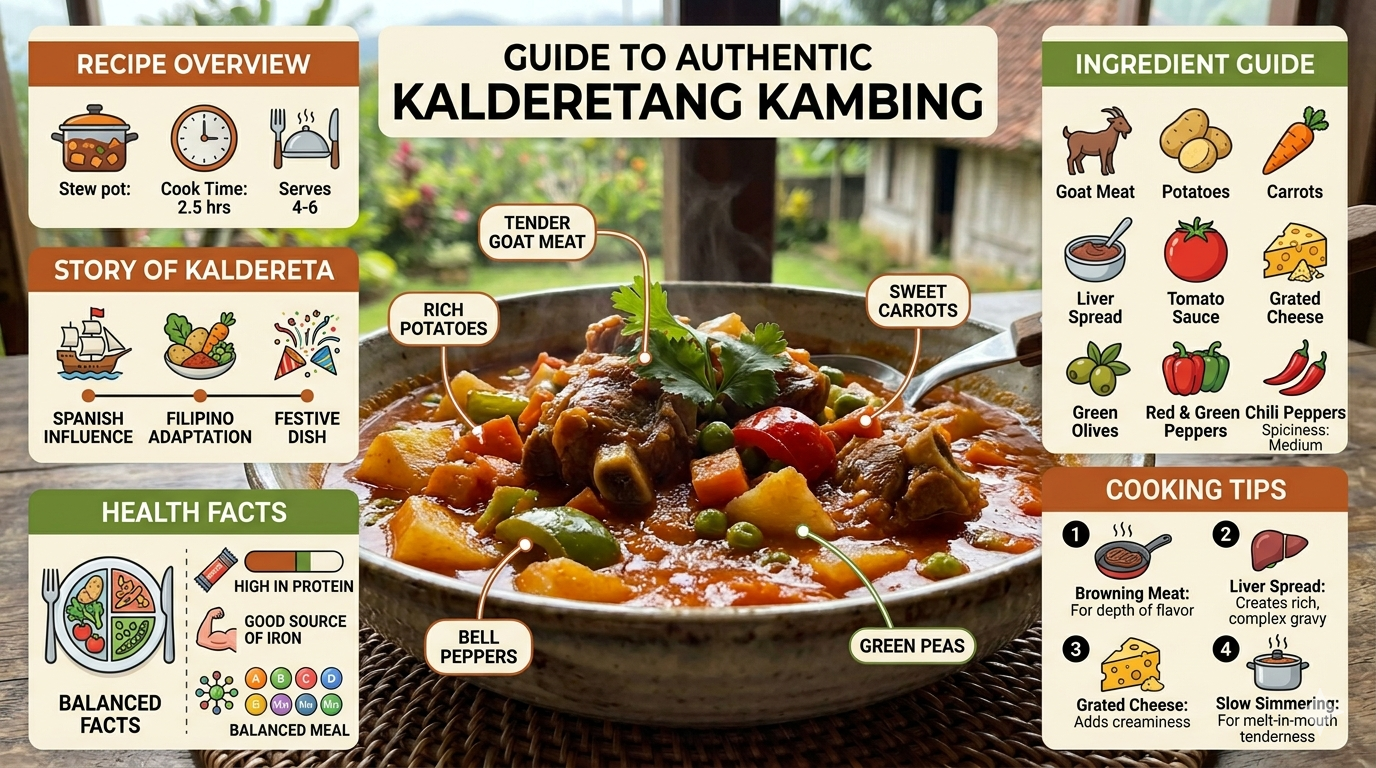
Visual summary of Kalderetang Kambing ingredients and portion composition.
Disclaimer
This article is for general informational and educational purposes only. It does not constitute professional medical, nutrition, or dietary advice. References to Kalderetang Kambing or its ingredients do not imply endorsement or guarantee of health outcomes. Readers are encouraged to consult licensed nutritionists, dietitians, or medical professionals for personalized guidance.

by Ramil Villar | Mar 26, 2026 | Food & Nutrition Basics
Bacalao: Nutritional Overview and Considerations
This article provides an educational overview of bacalao (salted codfish), including its nutritional composition, dietary use, and safe consumption considerations under Philippine food safety and labeling standards (DOH/FDA).
Nutritional Principles
- Bacalao is high in protein, providing essential amino acids necessary for general nutrition.
- It is low in carbohydrates and typically contains negligible sugar.
- Due to the salting process, bacalao is high in sodium, which is a nutrient of concern if consumed frequently.
- Some micronutrients, such as calcium, phosphorus, and selenium, are naturally present in codfish.
Dietary Considerations
- Rehydration and desalting are recommended before cooking to reduce sodium content.
- It can be included in various dishes, such as soups, stews, or sautéed preparations, as part of a diverse protein intake.
- Portion awareness is important due to sodium content, especially for individuals monitoring blood pressure.
Hypothetical Meal Example
- Breakfast: Plain rice with sautéed vegetables (no bacalao)
- Lunch: Vegetable stew with a moderate portion of rehydrated bacalao
- Dinner: Grilled fish (other than bacalao) with a side of leafy greens
(This is illustrative and does not imply health outcomes.)
Context Section
Under nutrition science studies, dried salted fish like bacalao is recognized for its protein content but also noted for high sodium levels. Diet planning typically involves balancing nutrient intake while monitoring sodium and other micronutrients. Individual dietary responses vary. Consult licensed nutrition or medical professionals for personalized guidance.
Optional FAQ
What is bacalao?
Bacalao is dried and salted codfish commonly used in traditional cooking in various countries.
Is bacalao high in protein?
Yes, like most fish, it provides a notable source of protein per serving.
Are there safety considerations when eating bacalao?
Yes. Because it is salted, rehydrating and monitoring portion sizes helps manage sodium intake.
Trusted Sources
- Department of Health (DOH) Philippines – Nutrition Guidelines
- Food and Drug Administration (FDA) Philippines – Fishery Products and Labeling
- Peer-reviewed journals on food preservation and nutrient analysis
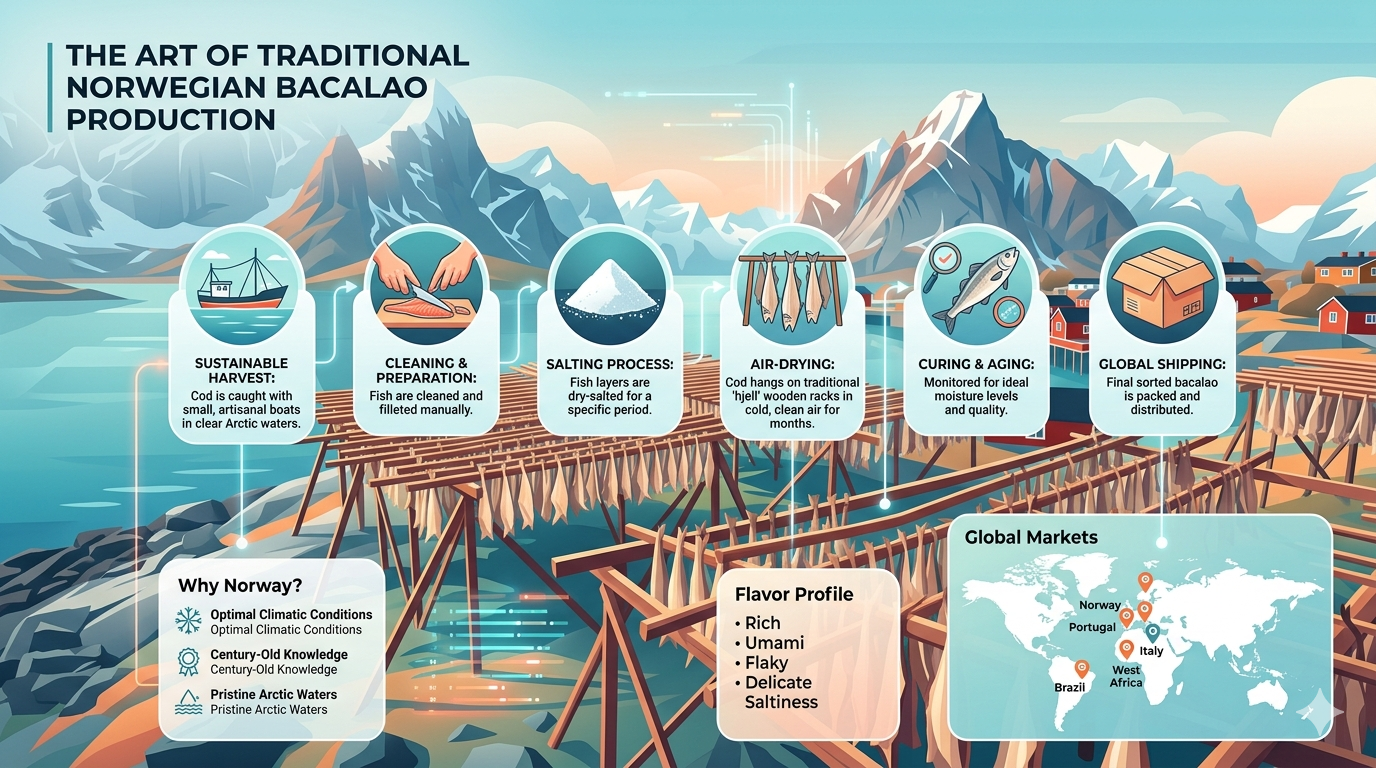
Illustration presenting salted codfish, its culinary uses, and nutrient highlights
Disclaimer
This article is for general informational and educational purposes only. It does not constitute professional medical, nutrition, or dietary advice. References to foods or preparations do not imply endorsement or guarantee of health outcomes. Readers are encouraged to consult licensed nutritionists, dietitians, or medical professionals for personalized guidance.