by Ramil Villar | Mar 28, 2026 | Food & Nutrition Basics
Tamales Caviteño: A Traditional Philippine Rice-Based Dish
A neutral overview of ingredients, preparation, and nutritional considerations of Tamales from Cavite.
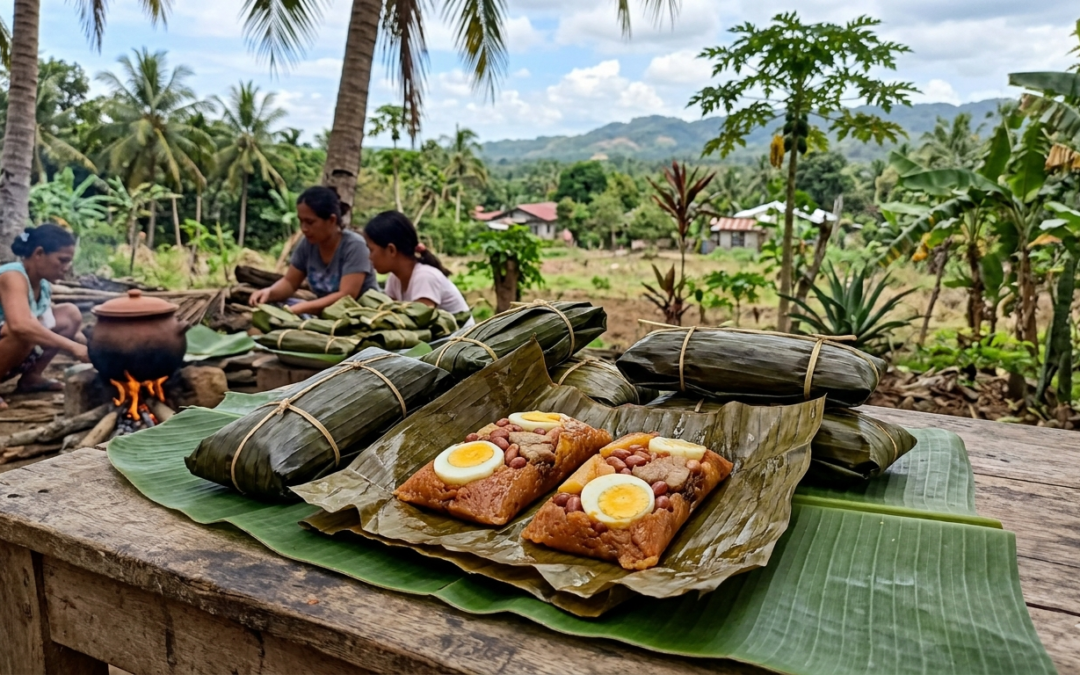
Tamales Caviteño is a traditional Filipino delicacy originating from the province of Cavite. This article provides an educational overview of its typical ingredients, preparation method, and nutritional aspects. It also highlights considerations for consumers regarding safe food handling and ingredient awareness under Philippine regulations, including DOH and FDA standards.
Ingredients and Composition:
Tamales Caviteño is typically made with glutinous rice, coconut milk, peanuts, and a protein such as chicken or pork. Ingredients are wrapped in banana leaves and steamed. Variations may include sweet or savory flavorings. The dish’s macronutrient profile generally includes:
- Carbohydrates: from glutinous rice
- Proteins: from meat or legumes
- Fats: primarily from coconut milk and added oils
- Micronutrients: such as iron, calcium, and B-vitamins, depending on the protein and peanut content
Preparation and Portion Awareness:
Preparation involves soaking rice, mixing ingredients, wrapping in banana leaves, and steaming until fully cooked. Portion size can affect calorie and macronutrient intake, though individual needs vary. For safety:
- Ensure meat is fully cooked to recommended internal temperatures
- Wash banana leaves and other plant-based ingredients thoroughly
- Store leftover tamales in clean, airtight containers and refrigerate promptly
Consumer Awareness:
Under Philippine consumer protection laws (RA 7394, FDA guidelines), packaged or commercially sold tamales should display:
- Ingredient list
- Allergen information (e.g., peanuts)
- Expiry or “best before” dates
Consumers are encouraged to read labels carefully and verify product authenticity, particularly when purchased from markets or vendors.
Context Section
In nutrition science studies, dishes like Tamales Caviteño illustrate a combination of macronutrients—carbohydrates, fats, and proteins—within traditional Philippine cuisine. Dietary planning typically involves balancing these nutrients with other meals in a day. Individual nutrient requirements vary based on age, activity level, and health status. Licensed nutritionists or dietitians can provide personalized guidance for those with specific dietary needs.
Optional FAQ
What is Tamales Caviteño?
Tamales Caviteño is a steamed rice-based dish from Cavite, often including coconut milk, peanuts, and meat, wrapped in banana leaves.
What nutrients are found in Tamales Caviteño?
It typically provides carbohydrates from rice, protein from meat or legumes, fats from coconut milk, and micronutrients such as B-vitamins and minerals from various ingredients.
How can consumers safely enjoy Tamales Caviteño?
Ensure ingredients are fresh, meat is fully cooked, banana leaves are cleaned, and leftovers are stored in hygienic conditions. Check labels for allergens and expiration when buying commercially.
Trusted Sources
- Department of Health (DOH) Philippines — Food Safety Advisories
- Food and Drug Administration (FDA Philippines) — Food Labeling Guidelines
- Philippine Nutritional Guidelines, Food and Nutrition Research Institute (FNRI)
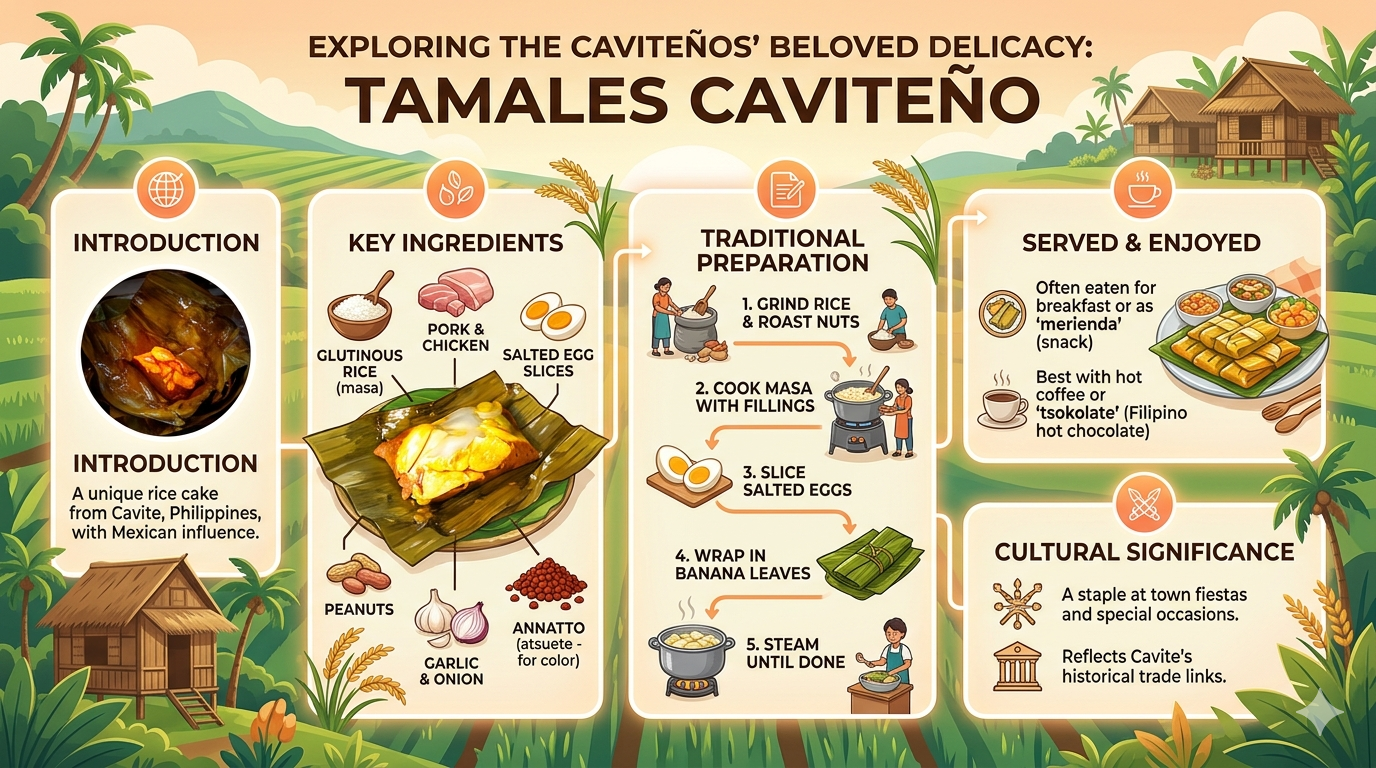
Visual representation of Tamales Caviteño ingredients and preparation steps.
Disclaimer
This article is for general informational and educational purposes only. It does not constitute professional medical, nutrition, or dietary advice. References to dishes, ingredients, or food products do not imply endorsement or guarantee of health outcomes. Readers are encouraged to consult licensed nutritionists, dietitians, or medical professionals for personalized guidance.

by Ramil Villar | Mar 28, 2026 | Food & Nutrition Basics
Bacalao: Understanding Salted Cod in Philippine Nutrition
A neutral overview of bacalao, its nutritional profile, culinary uses, and safe handling practices.
Bacalao, commonly known as salted cod, is a preserved fish product used in various traditional and modern dishes. In the Philippines, it is often rehydrated and cooked in stews or sautéed dishes. This article provides educational information on bacalao’s nutritional composition, safe handling, and hypothetical meal planning considerations, in alignment with Philippine Department of Health (DOH) and Food and Drug Administration (FDA) standards.
Nutritional Profile of Bacalao
Bacalao is rich in protein and provides essential micronutrients such as phosphorus, selenium, and vitamin B12. Being a salted product, it contains higher sodium levels compared with fresh fish, which is important for consumers to note under dietary guidance.
Macronutrients (per 100 g rehydrated bacalao, approximate values):
- Protein: 50–60 g
- Fat: 1–2 g
- Carbohydrates: 0 g
- Sodium: 900–1200 mg
Micronutrients:
- Vitamin B12: Supports red blood cell production (informational only)
- Selenium: Antioxidant-related mineral (informational only)
- Phosphorus: Contributes to bone structure (informational only)
Culinary and Dietary Considerations
Bacalao is often soaked in water for 24–48 hours to reduce sodium content before cooking. It can be incorporated into stews, soups, or sautéed dishes. Portion control and balancing with fresh vegetables, legumes, or grains are recommended to maintain a neutral nutrient balance in meals.
Hypothetical Meal Example:
- Breakfast: Vegetable omelet (no bacalao)
- Lunch: Bacalao stew with tomato, potato, and green beans (moderate portion, rehydrated to reduce salt)
- Dinner: Brown rice with steamed vegetables and a small portion of bacalao flakes
Safe Handling Practices
- Always store bacalao in a cool, dry place before rehydration.
- Rinse thoroughly and soak in multiple water changes to lower sodium content.
- Cook at safe temperatures to avoid foodborne illness.
Label Awareness
When purchasing packaged bacalao:
- Check the sodium content and expiration date.
- Verify that the product is FDA-approved and complies with Philippine labeling standards.
- Avoid products with unclear origin or missing preservation instructions.
Context Section
In nutrition science studies, salted fish products like bacalao are recognized for their protein content but require sodium moderation. Under Philippine consumer protection and labeling standards, proper handling, rehydration, and cooking methods are recommended. Dietary results vary individually, and nutrient intake should be considered in the context of the overall diet. Licensed nutritionists or dietitians provide personalized guidance on incorporating salted fish safely.
FAQ
What is bacalao?
Bacalao is salted and dried cod, commonly rehydrated before cooking. It is a traditional preserved fish product used in various dishes.
What are the main nutrients in bacalao?
It provides protein, selenium, phosphorus, and vitamin B12. Sodium content is high due to preservation.
How can bacalao be safely prepared?
Soaking in water to reduce salt, proper storage, and thorough cooking are standard practices to ensure safety.
Trusted Sources
- Department of Health Philippines – Nutrition and Food Safety Guidelines
- FDA Philippines – Food Labeling and Safety Standards
- Academic journals on preserved fish and protein content
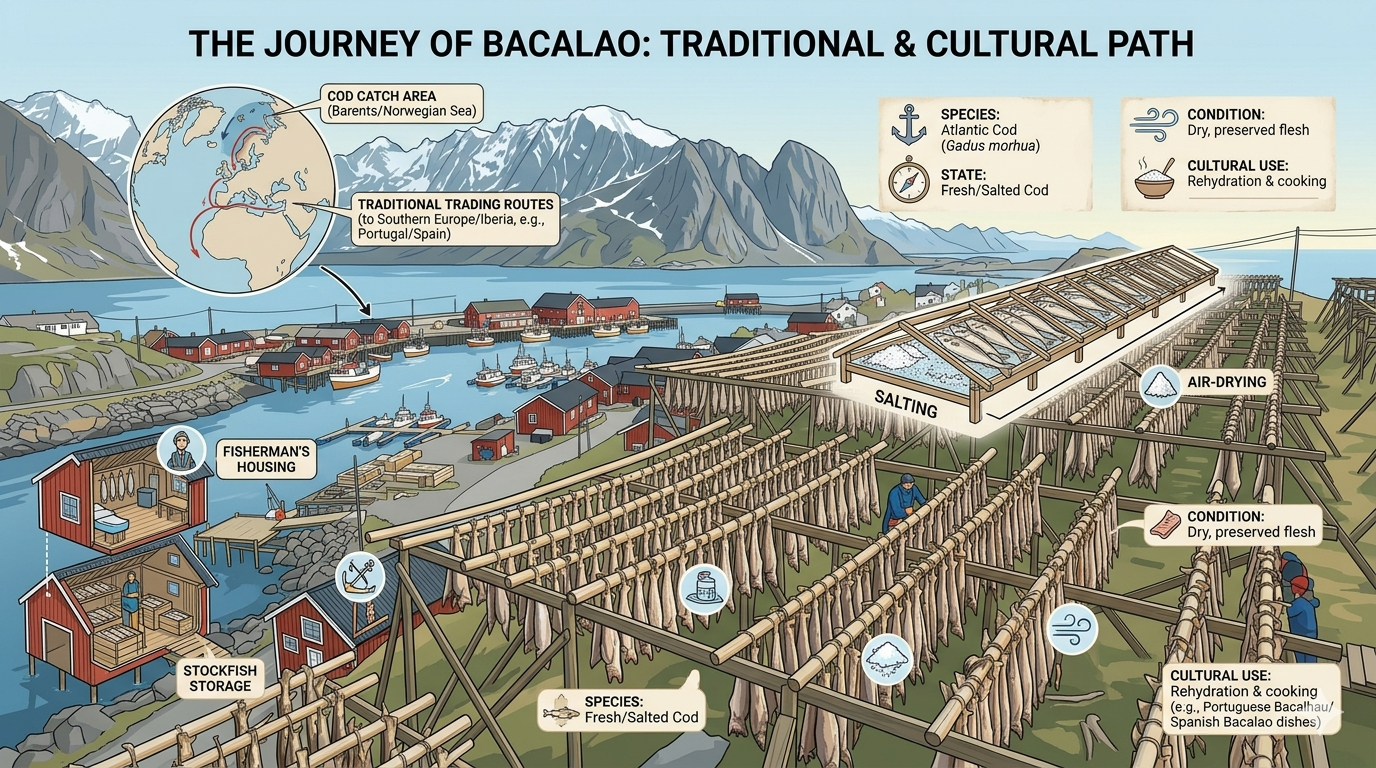
Infographic displaying bacalao nutrient profile and common culinary preparation steps
Disclaimer
This article is for general informational and educational purposes only. It does not constitute professional medical, nutrition, or dietary advice. References to bacalao or cooking methods do not imply endorsement or guarantee of health outcomes. Readers are encouraged to consult licensed nutritionists, dietitians, or medical professionals for personalized guidance.
by Ramil Villar | Mar 28, 2026 | Food & Nutrition Basics
Tinuktok (Bicol Influence): A Neutral Overview of a Regional Dish
Understanding its ingredients, preparation, and nutritional context
This article provides an educational overview of Tinuktok, a traditional dish associated with the Bicol region of the Philippines. It explains its typical ingredients, preparation methods, and general nutritional components. The discussion aligns with food safety and consumer awareness principles referenced by agencies such as the Department of Health (DOH) and the Food and Drug Administration (FDA) Philippines.
What Is Tinuktok?
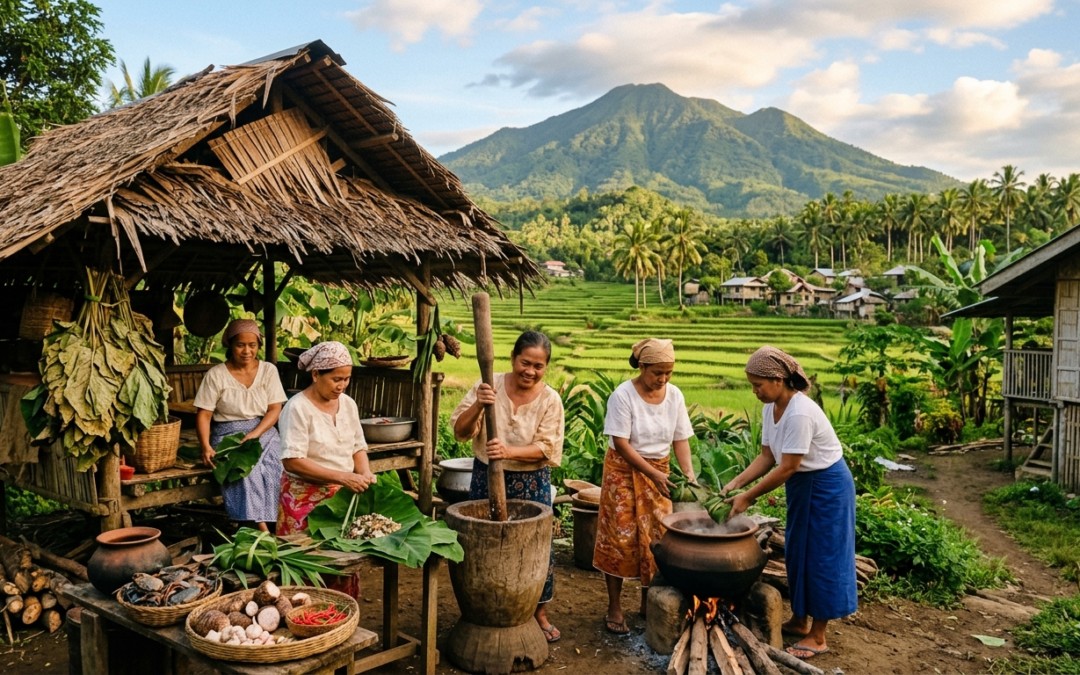
Tinuktok is a Filipino dish commonly prepared with finely shredded or chopped vegetables mixed with grated coconut and seasonings. Variations may include ingredients such as malunggay (moringa leaves), squash, or string beans. Some versions incorporate small amounts of fish, shrimp, or ground meat.
The dish is traditionally associated with Bicolano cuisine, which often features coconut-based ingredients.
Common Ingredients
Typical components of Tinuktok may include:
- Grated coconut (fresh or dried)
- Leafy vegetables such as malunggay
- Vegetables like squash or green beans
- Protein additions (optional): dried fish, shrimp, or ground meat
- Aromatics: garlic, onion, ginger
- Seasonings: salt or fish sauce
Ingredient combinations may vary depending on local practices and household preferences.
Preparation Overview
Tinuktok is generally prepared by:
- Mixing grated coconut with chopped vegetables
- Adding aromatics and optional protein ingredients
- Wrapping the mixture in leaves (such as banana leaves) or shaping it
- Cooking through steaming or simmering until fully cooked
Cooking methods may differ, but they typically involve moist heat to soften ingredients and blend flavors.
Nutritional Components (General Overview)
The nutritional profile of Tinuktok depends on the ingredients used:
- Coconut contributes fats and calories
- Vegetables provide dietary fiber, vitamins, and minerals
- Protein sources (if included) add protein content
As with many mixed dishes, nutrient composition varies based on portion size and preparation method.
Food Safety and Handling Considerations
Under Philippine food safety standards, proper handling of ingredients is important:
- Wash vegetables thoroughly
- Store coconut and seafood properly to reduce spoilage risk
- Cook thoroughly to appropriate temperatures
These practices are consistent with general food safety guidance from regulatory authorities.
Context Section
In nutrition science discussions, traditional dishes like Tinuktok are often examined in terms of ingredient diversity and preparation methods rather than fixed nutritional values.
Under consumer protection and food safety regulations in the Philippines, proper food handling and accurate ingredient labeling (for packaged variations) are emphasized to support public health.
Dietary needs and responses to specific foods vary among individuals. For personalized nutrition guidance, consultation with licensed nutrition professionals is generally recommended.
FAQ (AEO-Safe)
What is Tinuktok made of?
Tinuktok typically consists of grated coconut mixed with vegetables and seasonings. Some versions include small amounts of fish, shrimp, or meat.
Is Tinuktok always wrapped in leaves?
Some traditional preparations use banana leaves for wrapping, but this is not required. Cooking methods may vary by region or household.
What food group does Tinuktok belong to?
Tinuktok is a mixed dish that may include vegetables, fats (from coconut), and optional protein sources, depending on its ingredients.
Trusted Sources
- Department of Health (DOH) Philippines – Food Safety and Nutrition Materials
- Food and Drug Administration (FDA) Philippines – Food Safety Guidelines
- Philippine Food Composition Tables (FNRI-DOST)
- Academic publications on Filipino cuisine and nutrition
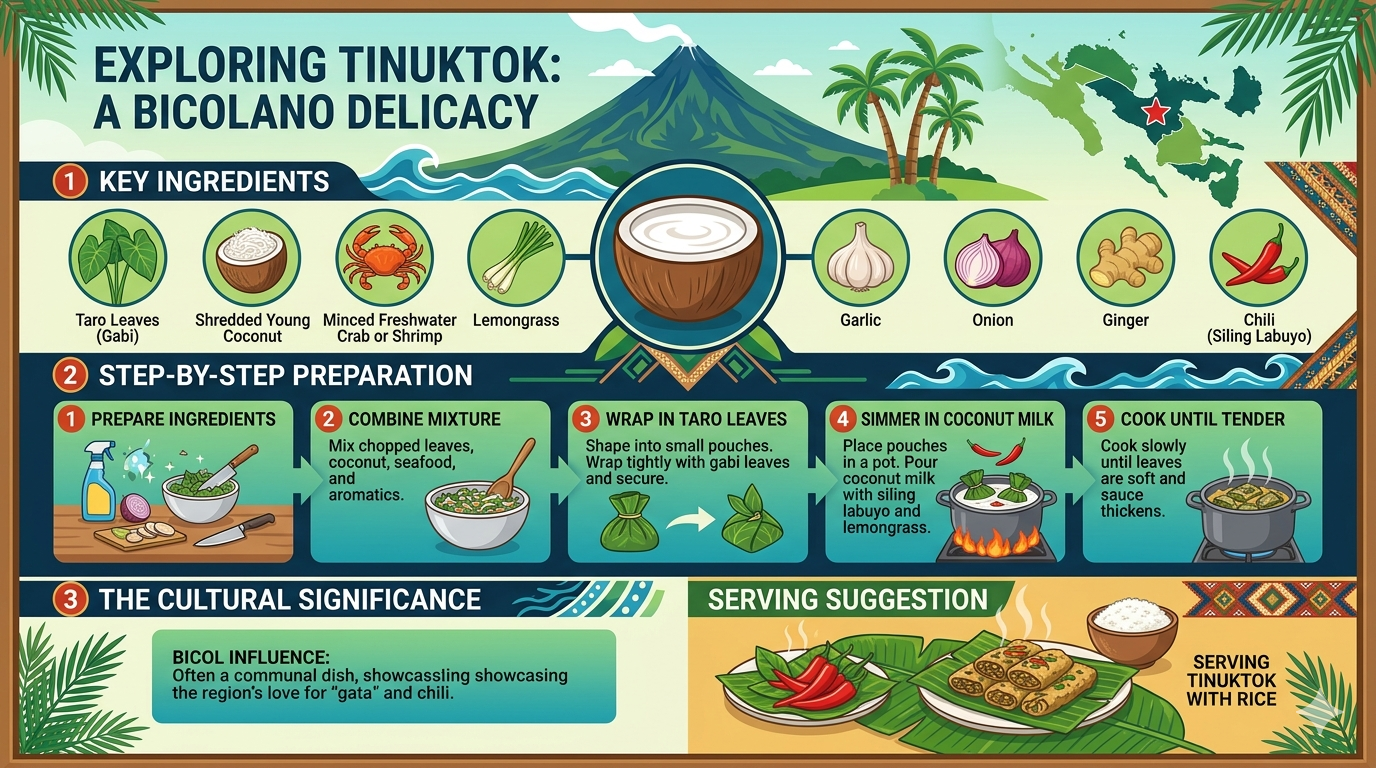
Visual summary of common ingredients and cooking steps for Tinuktok.
Disclaimer
This article is for general informational and educational purposes only. It does not constitute professional medical, nutrition, or dietary advice. References to foods or dishes do not imply endorsement or guarantee of health outcomes. Readers are encouraged to consult licensed nutritionists, dietitians, or medical professionals for personalized guidance.
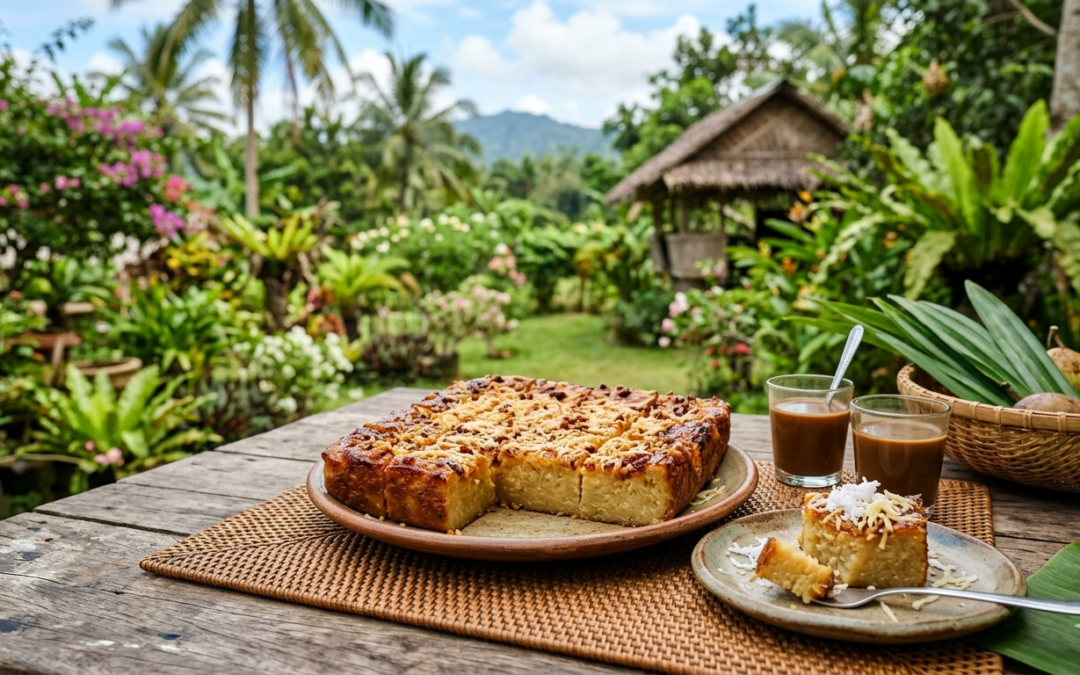
by Ramil Villar | Mar 28, 2026 | Food & Nutrition Basics
Understanding Budin (Cassava Cake): Nutritional Overview and Food Composition
A neutral guide to ingredients, preparation, and dietary considerations
This article explains budin (commonly known as cassava cake), a traditional Filipino food made primarily from grated cassava. It covers its typical ingredients, preparation methods, and general nutritional composition, within the context of food safety and labeling guidance from Philippine authorities such as the Department of Health (DOH) and Food and Drug Administration (FDA).
What Is Budin (Cassava Cake)?
Budin is a baked or steamed dessert made from cassava (also called kamoteng kahoy). It is commonly prepared in households and local food establishments across the Philippines. The texture is usually dense and moist, and the flavor profile may vary depending on added ingredients.
Common Ingredients
Typical versions of cassava cake may include:
- Grated cassava
- Coconut milk
- Sugar
- Eggs
- Butter or margarine
Some variations may include toppings such as coconut cream mixtures or grated cheese.
Basic Preparation Method
Preparation methods can differ, but generally involve:
- Mixing grated cassava with liquid ingredients and sweeteners
- Pouring the mixture into a baking container
- Baking or steaming until firm
- Adding toppings and reheating (optional)
Food safety practices, such as proper cooking and storage, are important to reduce risks associated with raw cassava.
Nutritional Composition (General Overview)
Budin is typically considered an energy-dense food due to its carbohydrate and fat content.
Carbohydrates
Cassava is a major source of carbohydrates, contributing to the overall energy content.
Fats
Coconut milk and butter contribute fats, which add texture and flavor.
Protein
Eggs provide a small amount of protein.
Micronutrients
Cassava may contain small amounts of vitamin C and minerals, though levels vary depending on preparation.
Exact nutritional values depend on ingredient proportions and serving size.
Portion and Consumption Context
Budin is commonly consumed as a snack or dessert rather than a staple meal component. Portion sizes may vary based on individual dietary patterns and preferences.
Food Labeling and Consumer Awareness
For commercially sold cassava cakes, Philippine labeling standards typically require:
- Ingredient disclosure
- Allergen information (if applicable)
- Nutritional information (in packaged forms)
Consumers may refer to these labels for additional information on product composition.
Context Section
In food science and nutrition studies, cassava-based products are recognized for their carbohydrate content and role in traditional diets. Preparation methods can influence nutrient levels, moisture content, and shelf life.
Under Philippine food safety regulations, cassava should be properly processed before consumption, as raw cassava may contain naturally occurring compounds that require adequate cooking.
Dietary responses to foods vary among individuals. For specific dietary considerations, consultation with qualified nutrition professionals may be appropriate.
FAQ
What is cassava used in budin?
Cassava is a root crop that serves as the primary ingredient in budin. It provides structure and carbohydrates to the dish.
Is cassava cake considered a staple food?
Cassava cake is generally consumed as a snack or dessert rather than a primary staple like rice.
Why is cooking cassava important?
Proper cooking helps make cassava safe for consumption by reducing naturally occurring compounds found in raw cassava.
Trusted Sources
- Department of Health (Philippines) – Food Safety and Nutrition Guidance
- Food and Drug Administration (Philippines) – Food Processing and Labeling Standards
- Food and Agriculture Organization (FAO) – Cassava Processing Guidelines
- World Health Organization (WHO) – Food Safety Resources
- Peer-reviewed food science and nutrition journals
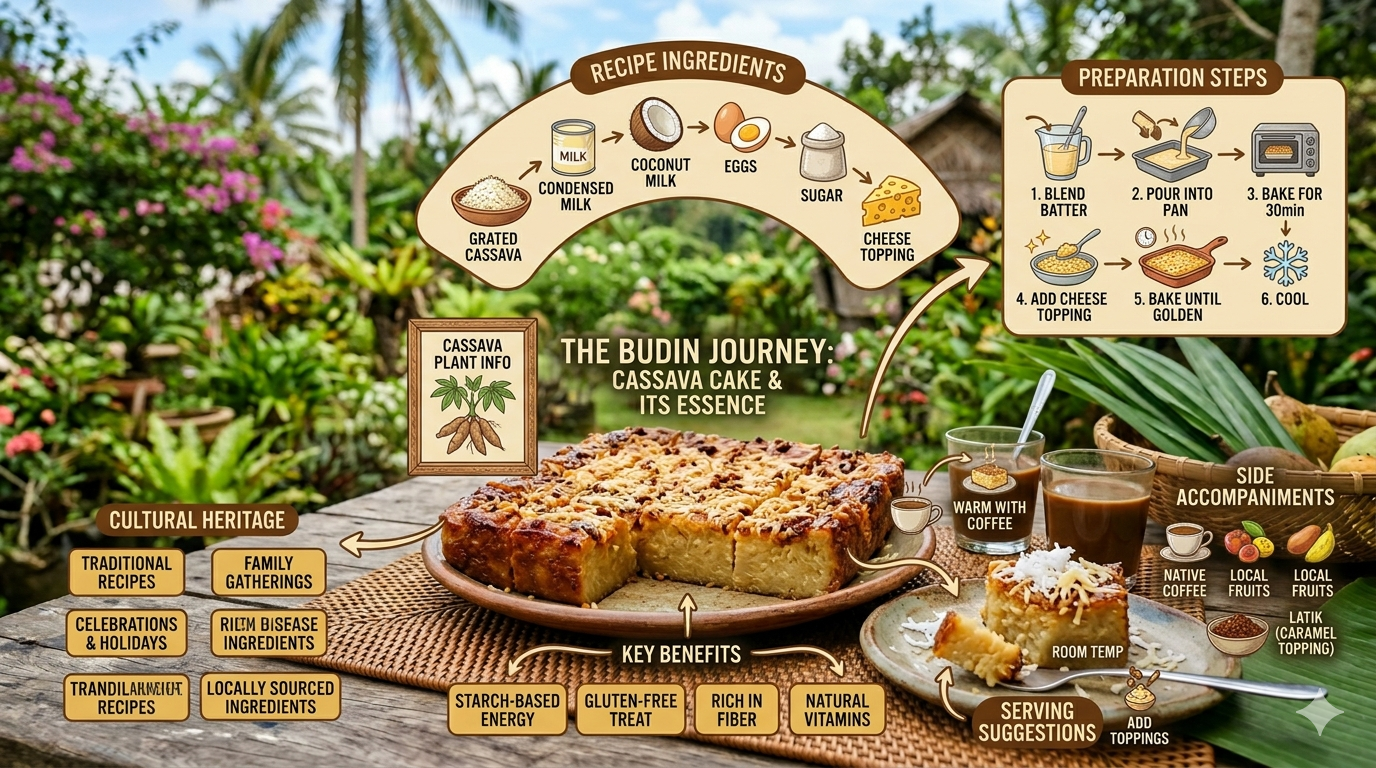
Ingredients and preparation stages of cassava cake
Disclaimer
This article is for general informational and educational purposes only. It does not constitute professional medical, nutrition, or dietary advice. References to diets, foods, or supplements do not imply endorsement or guarantee of health outcomes. Readers are encouraged to consult licensed nutritionists, dietitians, or medical professionals for personalized guidance.
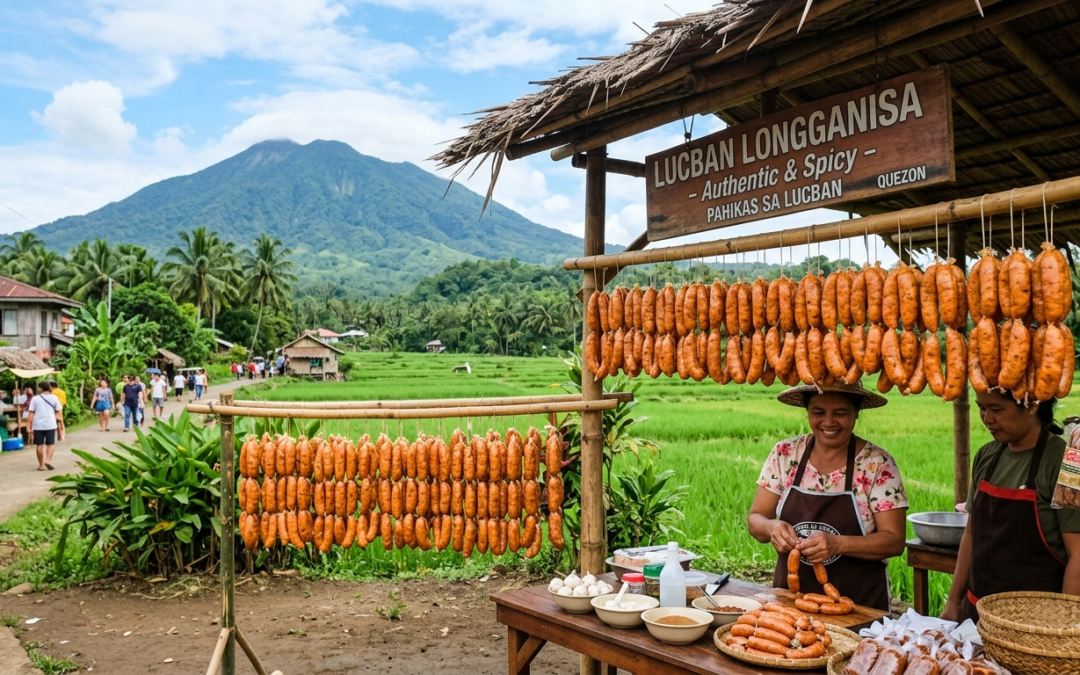
by Ramil Villar | Mar 28, 2026 | Food & Nutrition Basics
Lucban Longganisa: Nutritional Overview and Food Context
An informational look at a traditional Filipino sausage and its place in dietary patterns
Lucban Longganisa is a traditional Filipino sausage originating from the town of Lucban. It is commonly recognized for its garlicky flavor profile and is often served as part of breakfast meals. This article provides a neutral overview of its ingredients, nutritional considerations, and general role in meal planning within the Philippine context.
Food Description and Composition
Lucban longganisa is typically made from:
- Ground pork
- Garlic
- Vinegar
- Salt and spices
Unlike some other regional varieties, it is often prepared without a casing and may have a slightly tangy taste due to vinegar.
Nutritional Components (General Overview)
As a processed meat product, Lucban longganisa may contain:
- Protein from pork
- Fat, including saturated fat
- Sodium from added salt and curing ingredients
- Calories that vary depending on preparation and portion size
Nutrient values differ by recipe and preparation method. Cooking techniques (e.g., frying) may influence total fat content.
Food Group Classification
- Primary group: Protein foods (meat category)
- Additional considerations: Processed food due to curing and seasoning
In dietary planning, processed meats are generally considered alongside other protein sources, with attention to portion size and frequency of consumption.
Hypothetical Meal Context
Lucban longganisa is often included in a traditional Filipino breakfast pattern:
- Garlic rice
- Longganisa
- Fried egg
- Fresh fruit (e.g., tomatoes or papaya)
This combination reflects multiple food groups, including grains, protein, and fruits or vegetables.
Food Safety and Label Awareness
Under Philippine food safety and labeling regulations (FDA Philippines and DTI):
- Packaged longganisa products may include:
- Ingredient lists
- Nutrition information (if applicable)
- Storage instructions
Consumers are encouraged to:
- Check expiration dates
- Follow proper storage (refrigeration or freezing)
- Cook thoroughly before consumption
Context and Considerations
In nutrition science discussions, processed meats are often evaluated based on sodium and fat content, as well as overall dietary patterns. Inclusion in meals may vary depending on individual preferences and dietary considerations.
Balanced dietary planning typically involves combining different protein sources, including plant-based options and fresh foods.
FAQ
What makes Lucban longganisa different from other longganisa?
It is commonly known for its garlicky and slightly tangy flavor, often prepared without a casing and associated with Lucban, Quezon.
Is longganisa considered a processed food?
Yes. It is generally classified as a processed meat due to added salt, spices, and preservation methods.
How is Lucban longganisa usually served?
It is often served with rice and eggs as part of a traditional breakfast meal.
Trusted Sources
- Department of Health (Philippines) – Food and nutrition guidance
- Food and Drug Administration (Philippines) – Food labeling and safety
- Food and Agriculture Organization (FAO) – Meat processing references
- Peer-reviewed food science and nutrition journals
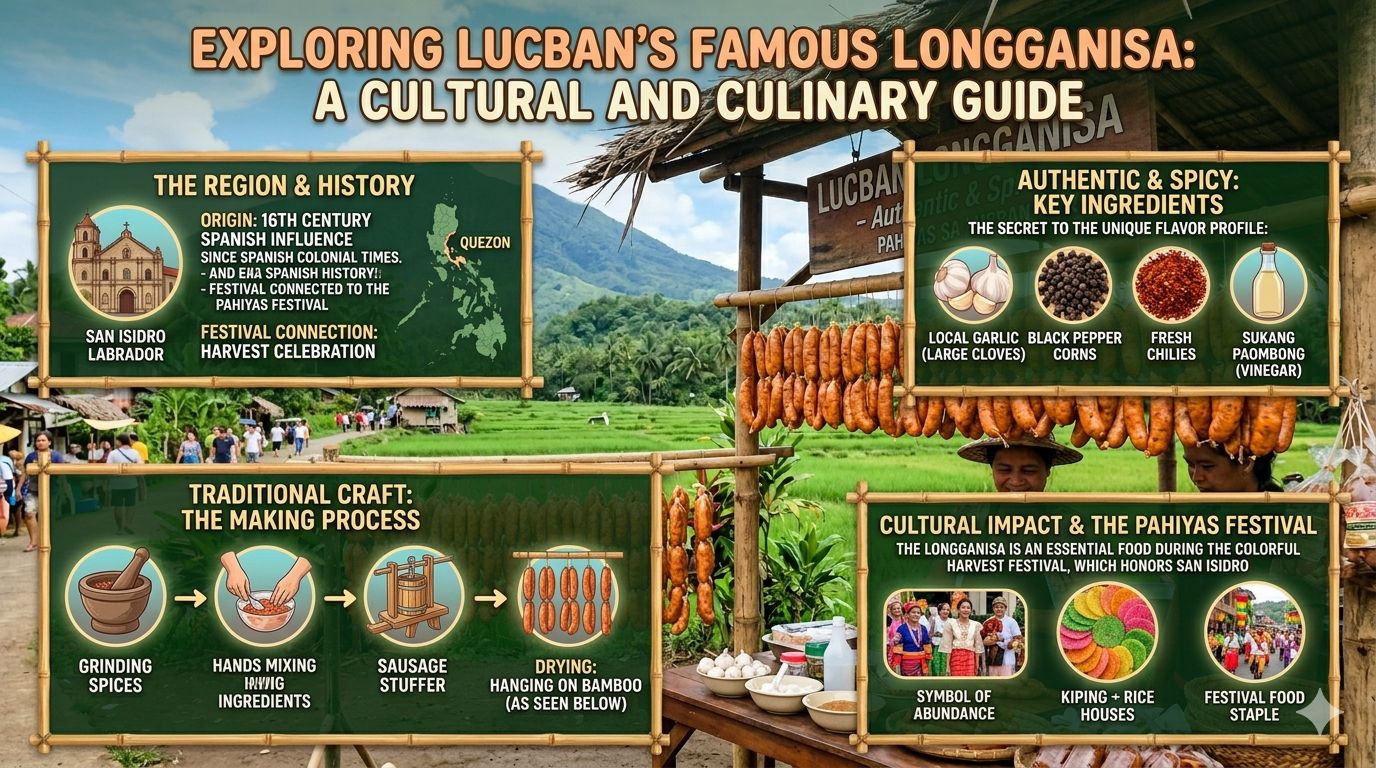
Visual breakdown of Lucban longganisa components
Disclaimer
This article is for general informational and educational purposes only. It does not constitute professional medical, nutrition, or dietary advice. References to foods or dietary patterns do not imply endorsement or guarantee of health outcomes. Readers are encouraged to consult licensed nutritionists, dietitians, or medical professionals for personalized guidance.
by Ramil Villar | Mar 28, 2026 | Food & Nutrition Basics
Hardinera: Educational Overview of a Traditional Filipino Dish
A neutral look at its ingredients, preparation, and nutritional components
This article provides an educational overview of Hardinera, a traditional Filipino dish, including its typical ingredients, preparation method, and general nutritional components. The discussion aligns with food safety and labeling awareness under Philippine standards such as those from the Department of Health (DOH) and the Food and Drug Administration (FDA). The focus is on understanding the dish within the context of balanced dietary patterns.
What Is Hardinera?
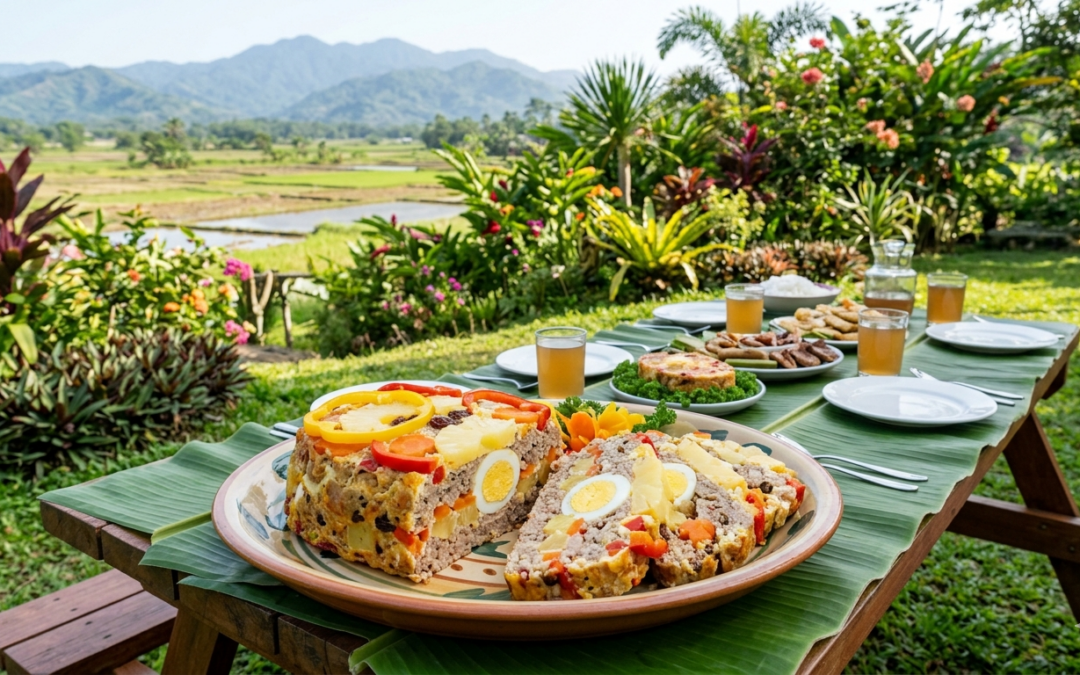
Hardinera is a savory Filipino dish commonly associated with the province of Lucban, Quezon. It is similar in preparation to meatloaf but is traditionally steamed in a llanera (a metal mold also used for desserts like leche flan).
The dish is often prepared for gatherings and occasions and reflects local culinary practices.
Common Ingredients
Hardinera typically includes:
- Ground or diced pork
- Liver spread or pâté
- Eggs
- Vegetables such as carrots, bell peppers, and raisins
- Breadcrumbs or flour as binders
- Seasonings (garlic, onions, salt)
These ingredients are combined and cooked through steaming rather than frying.
Cooking Method
The preparation process generally involves:
- Mixing meat with eggs, seasonings, and other ingredients
- Transferring the mixture into a mold
- Steaming until fully cooked
Steaming is a cooking method that uses moist heat and does not require added cooking oil.
Nutritional Components (General Overview)
Based on its ingredients, Hardinera may contain:
- Protein from pork and eggs
- Fats from meat and liver spread
- Carbohydrates from breadcrumbs and added ingredients like raisins
- Micronutrients such as iron and certain B vitamins from meat and liver
The exact nutrient composition can vary depending on preparation methods and ingredient proportions.
Role in a Balanced Diet
As with many mixed dishes, Hardinera can be part of a varied diet when consumed alongside other food groups such as vegetables, fruits, and grains. Portion size and frequency of consumption are factors typically considered in dietary planning.
Context Section
In nutrition science, mixed dishes like Hardinera are evaluated based on their overall nutrient composition and how they contribute to daily intake. Under Philippine food safety standards, proper handling, storage, and cooking of meat-based dishes are important to reduce foodborne risks.
Dietary patterns vary among individuals, and no single dish determines overall nutritional status. For personalized dietary guidance, consultation with licensed nutrition professionals is recommended.
FAQ
What type of dish is Hardinera?
Hardinera is a Filipino steamed meat dish similar to a meatloaf, traditionally prepared in a mold and served during special occasions.
What nutrients are found in Hardinera?
It may provide protein, fats, and some vitamins and minerals depending on the ingredients used.
Is steaming a common cooking method for Hardinera?
Yes, steaming is traditionally used to cook Hardinera, allowing the mixture to set without direct frying.
Trusted Sources
- Department of Health (DOH) Philippines – Food Safety and Nutrition Guidelines
- Food and Drug Administration (FDA) Philippines – Food Handling and Labeling Resources
- Philippine culinary and cultural food references
- Peer-reviewed nutrition and food science publications
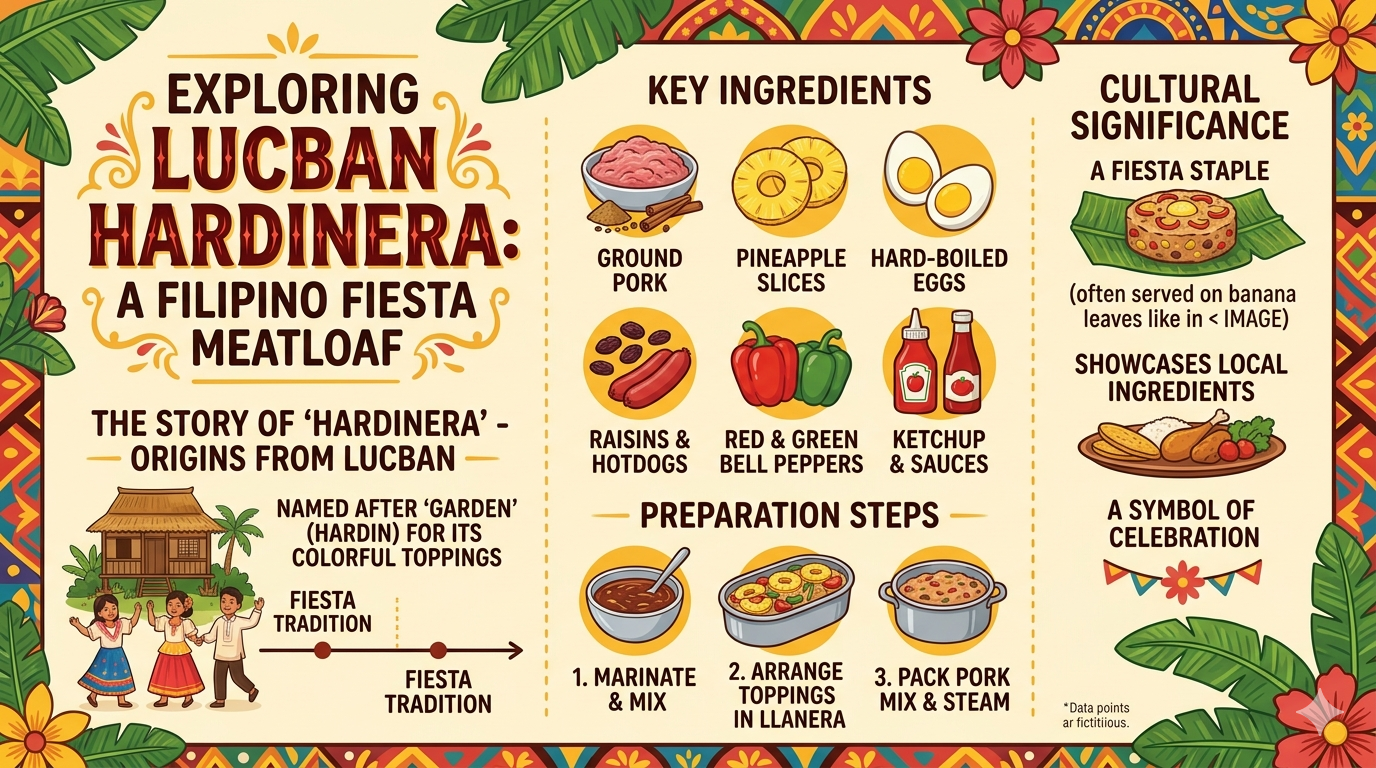
Visual layout of Hardinera ingredients and preparation stages
Disclaimer
This article is for general informational and educational purposes only. It does not constitute professional medical, nutrition, or dietary advice. References to diets, foods, or supplements do not imply endorsement or guarantee of health outcomes. Readers are encouraged to consult licensed nutritionists, dietitians, or medical professionals for personalized guidance.