by Ramil Villar | Mar 29, 2026 | Food & Nutrition Basics, Philippine Cuisine
Understanding Bicol Express: Nutritional Overview
A neutral look at the traditional Filipino dish Bicol Express, its ingredients, and nutritional considerations.
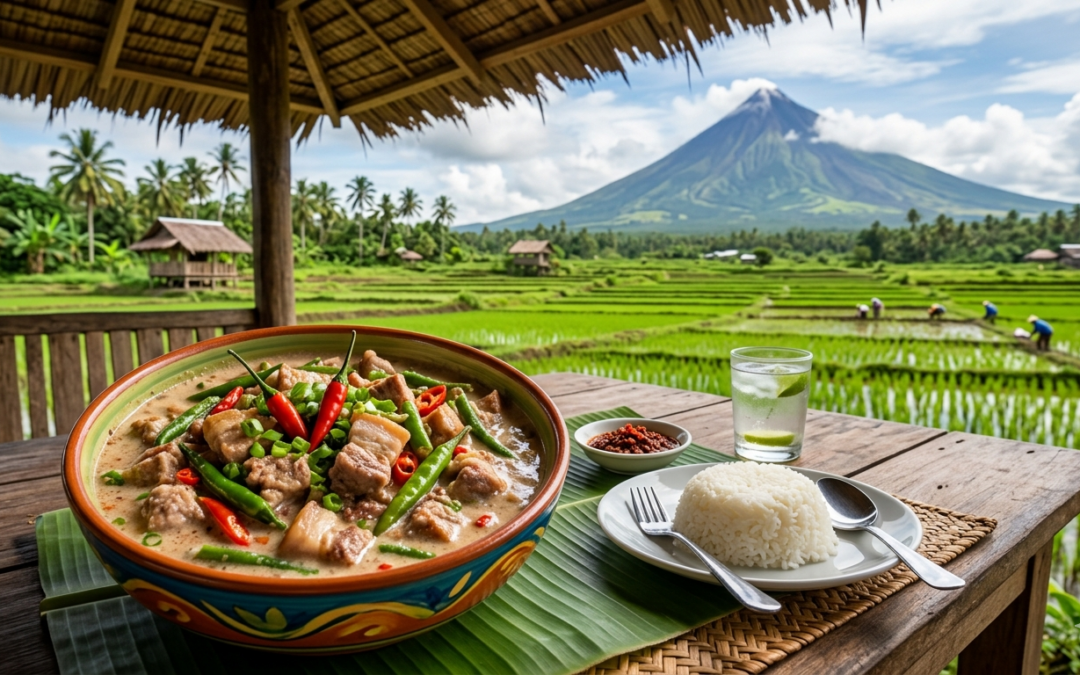
Bicol Express is a well-known Filipino dish originating from the Bicol region, recognized for its use of chili, coconut milk, and pork. Under DOH and FDA Philippines guidelines, understanding its nutritional content can help consumers make informed choices when including traditional dishes in meal planning. This article reviews the components of Bicol Express, hypothetical nutrient considerations, and safe consumption practices.
Ingredients and Nutritional Components
- Pork: Provides protein and fat. The fat content varies depending on the cut used.
- Coconut milk: Supplies saturated fat and calories; contains small amounts of vitamins and minerals.
- Chili peppers: Low in calories, rich in vitamin C and antioxidants.
- Garlic, onions, and shrimp paste: Contribute flavor, trace nutrients, and small amounts of protein.
Nutritional Considerations
- Bicol Express is energy-dense due to coconut milk and fatty cuts of pork.
- Portion control is important for those monitoring caloric intake.
- Including vegetables alongside the dish can enhance dietary fiber and micronutrient intake.
Hypothetical Meal Planning Example (Neutral)
A sample plate might include:
- ½ cup cooked Bicol Express (protein + fat source)
- 1 cup steamed vegetables (fiber, vitamins)
- ½ cup cooked rice (carbohydrates)
This illustrates nutrient balance without implying specific health outcomes or weight effects.
Context Section
In nutrition science studies, dishes like Bicol Express contribute protein, fat, and flavor to meals but may be high in calories. Under consumer protection and labeling standards, awareness of ingredients, cooking methods, and portion sizes is recommended. Nutrient intake and dietary effects vary individually; consulting a licensed nutritionist can provide guidance tailored to personal health needs.
Optional FAQ
What is Bicol Express?
Bicol Express is a Filipino dish made with pork, coconut milk, chili, and seasonings, originating from the Bicol region.
What nutrients are in Bicol Express?
It contains protein from pork, fats from pork and coconut milk, and small amounts of vitamins and minerals from spices and chili peppers.
How can Bicol Express fit into a meal plan?
It can be included as a protein and fat component of a meal. Pairing it with vegetables and grains can help balance nutrient intake.
Trusted Sources
- Department of Health (DOH) Philippines – Nutrition Guidelines
- Food and Drug Administration (FDA Philippines) – Food Composition & Labeling
- Philippine Food Composition Tables (PhilFCT)
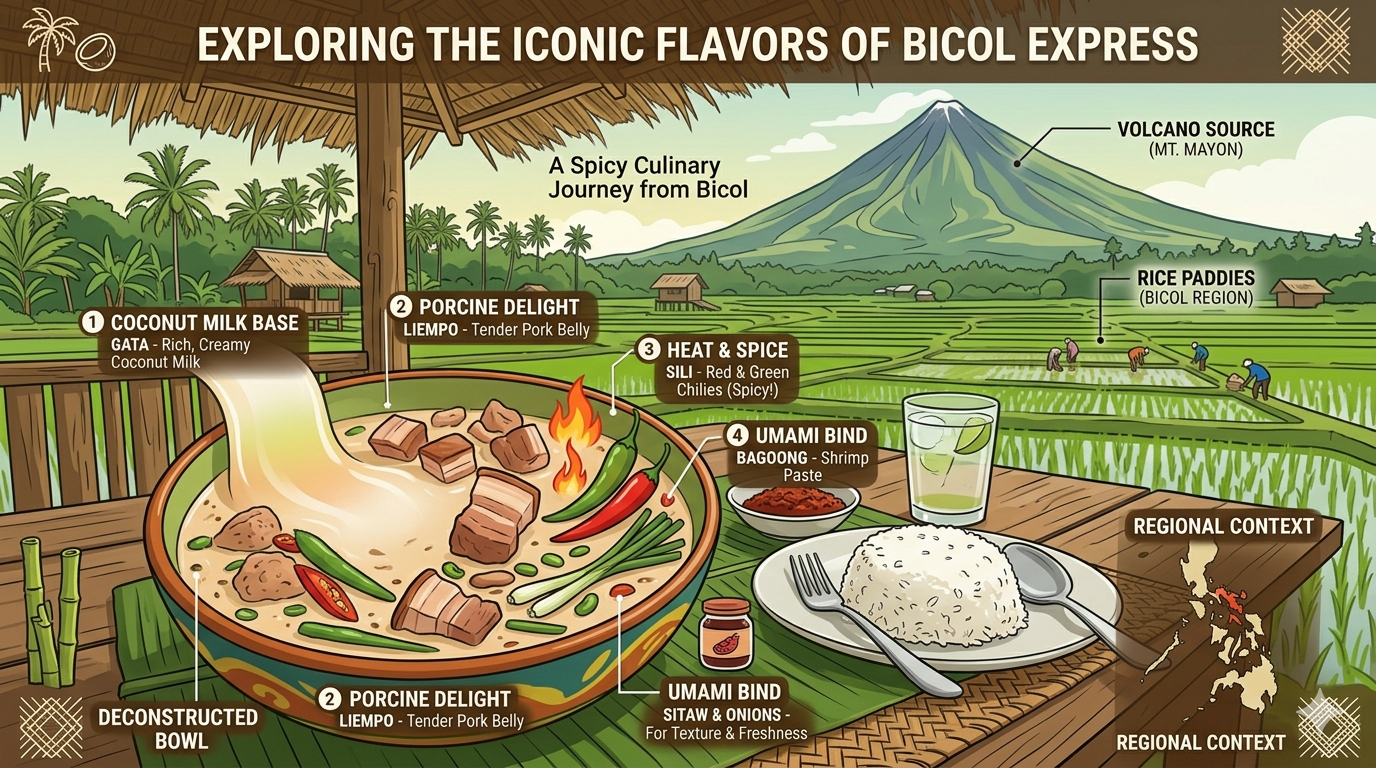
Infographic illustrating Bicol Express ingredients and their culinary composition.
Disclaimer
This article is for general informational and educational purposes only. It does not constitute professional medical, nutrition, or dietary advice. References to Bicol Express, its ingredients, or hypothetical meal plans do not imply endorsement or guarantee of health outcomes. Readers are encouraged to consult licensed nutritionists, dietitians, or medical professionals for personalized guidance.
by Ramil Villar | Mar 29, 2026 | Food & Nutrition Basics, Philippine Cuisine
Tamaraw-Inspired Native Dishes: A Nutritional Exploration of Philippine Heritage Foods
A neutral overview of traditional Filipino dishes inspired by local biodiversity, focusing on nutritional principles and safe meal planning.
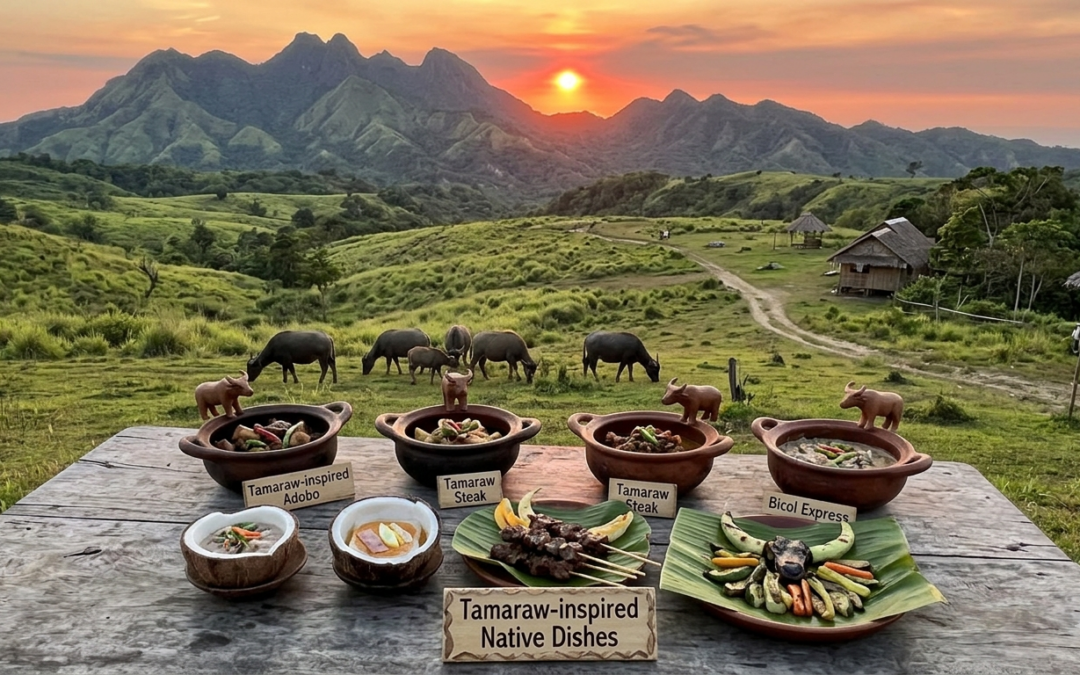
This article explores Filipino native dishes inspired by the tamaraw, a small endemic bovine species of Mindoro, Philippines. While tamaraw itself is a protected species, the concept of “tamaraw-inspired dishes” refers to traditional recipes using locally available, sustainable protein sources that are nutritionally balanced. Readers will learn about macronutrient composition, food group balance, and safe meal planning practices aligned with DOH, FDA, and DTI guidelines.
Nutritional Overview of Tamaraw-Inspired Dishes
Native dishes inspired by tamaraw recipes traditionally emphasize:
- Protein sources: lean meats, poultry, fish, or plant-based legumes
- Carbohydrates: rice, root crops, and local grains
- Vegetables and fruits: leafy greens, tropical vegetables, and seasonal fruits for vitamins, minerals, and fiber
- Healthy fats: plant-based oils, nuts, and seeds
Hypothetical examples of tamaraw-inspired meals include:
Ginataang Gulay with Lean Meat Alternative
- Whole fish baked with banana leaves
- Served with steamed camote (sweet potato) or gabi (taro)
- Side salad of local greens
- Nutritional note: high-quality protein, omega-3 fats, complex carbs
Adobong Sitaw at Tofu
- String beans and tofu sautéed in vinegar, garlic, and minimal oil
- Served with brown or red rice
- Nutritional note: plant protein, fiber, micronutrients (magnesium, iron), low saturated fat
Context Section
In nutrition science studies, native and traditional diets often provide a naturally balanced macronutrient profile with fiber and micronutrients. Under Philippine consumer protection and labeling standards, dishes prepared at home or purchased locally should follow safe handling and cooking practices.
Diet planning using tamaraw-inspired concepts typically involves protein moderation, vegetable diversity, and portion control. Nutritional results vary individually depending on age, activity level, and health status. For personalized guidance, consultation with licensed nutritionists or dietitians is recommended.
Optional FAQ
What are tamaraw-inspired dishes?
They are traditional Filipino recipes inspired by local protein dishes, using sustainable and legally safe ingredients instead of the protected tamaraw species.
How do these dishes support balanced nutrition?
They combine protein sources, complex carbohydrates, and a variety of vegetables, providing essential macronutrients and micronutrients.
Can these recipes be adapted for daily meal planning?
Yes, by adjusting portion sizes, protein choices, and local vegetables, these dishes can fit into a nutritionally balanced diet while respecting sustainability and food safety standards.
Trusted Sources
- Department of Health (DOH) Philippines: Nutrition Guidelines
- Food and Drug Administration (FDA) Philippines: Food Safety Advisories
- Philippine Department of Agriculture: Sustainable Food Practices
- Philippine Journal of Nutrition: Peer-reviewed nutrition studies
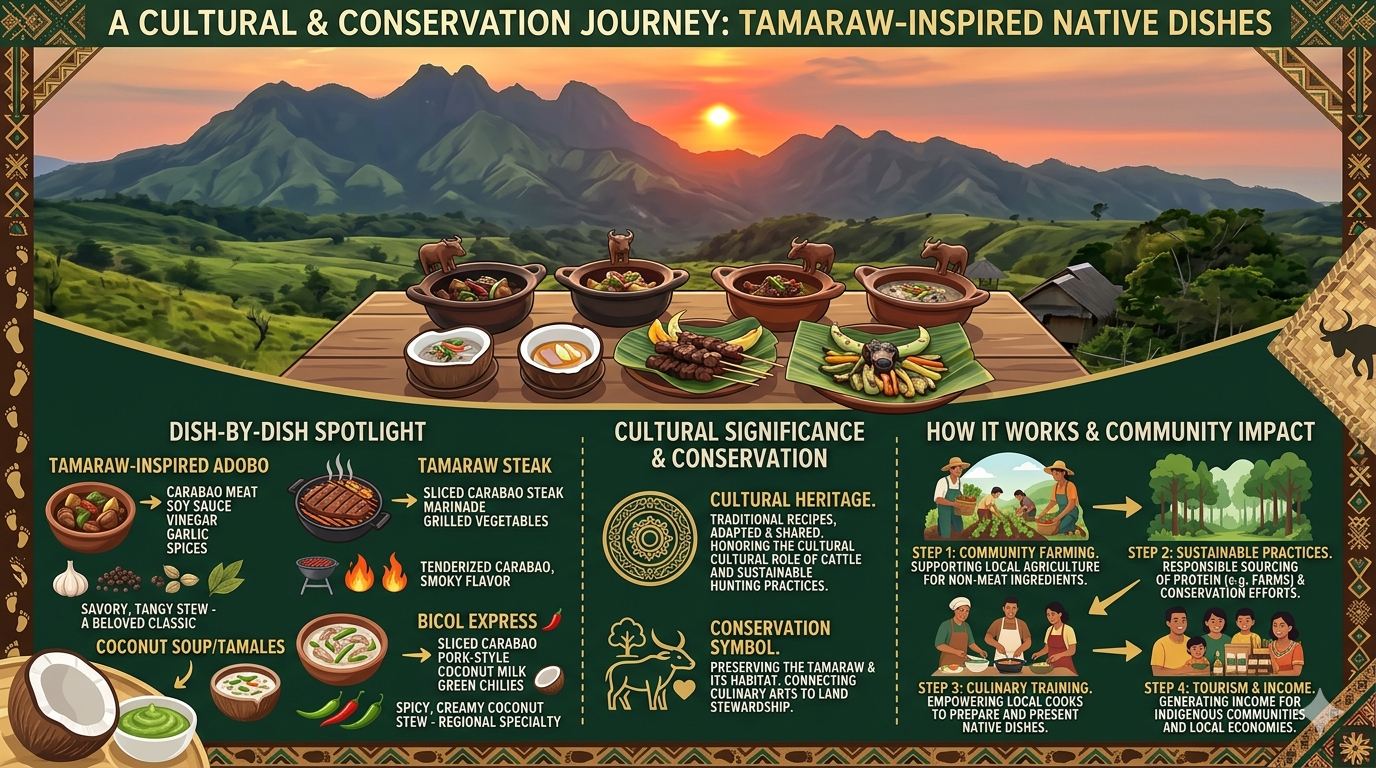
Visual chart illustrating portions and food group balance in traditional Filipino recipes
Disclaimer
This article is for general informational and educational purposes only. It does not constitute professional medical, nutrition, or dietary advice. References to foods or recipes do not imply endorsement or guarantee of health outcomes. Readers are encouraged to consult licensed nutritionists, dietitians, or medical professionals for personalized guidance.
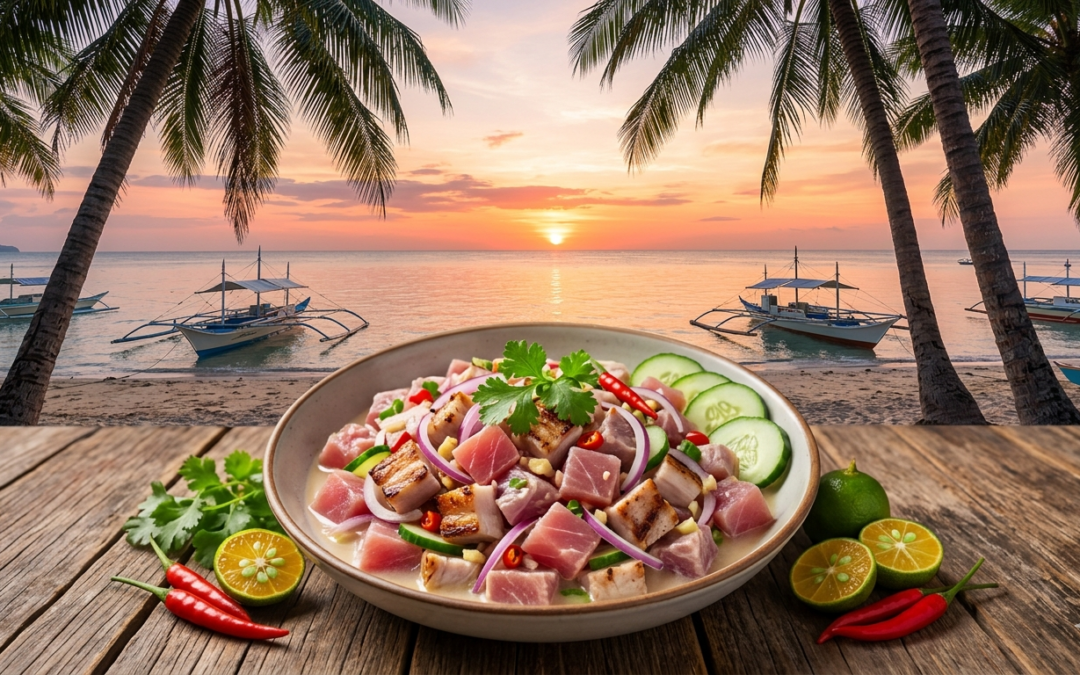
by Ramil Villar | Mar 29, 2026 | Food & Nutrition Basics, Philippine Cuisine
Understanding Kilawin: A Nutritional Perspective
A neutral overview of kilawin, its ingredients, and considerations for safe consumption.
Kilawin is a traditional Filipino dish often made from raw or lightly cooked meat or seafood, marinated in vinegar, citrus juices, and seasonings. This article provides an educational overview of kilawin, including its typical ingredients, nutritional components, and safe preparation considerations under Philippine food safety standards. It aims to help readers understand the dish’s dietary context, without promoting specific health outcomes.
Ingredients and Nutritional Content
Kilawin commonly includes meats such as beef, goat, or fish, marinated with vinegar, calamansi, onions, and spices. From a nutritional perspective:
- Protein: Meats and seafood provide high-quality protein, important for tissue maintenance and growth.
- Fat: The fat content depends on the cut of meat used; lean cuts have lower saturated fat.
- Vitamins and Minerals: Ingredients like onions, chili, and citrus contribute vitamin C, antioxidants, and trace minerals.
- Sodium: Depending on added salt or soy sauce, sodium levels can vary, which may be relevant for individuals monitoring blood pressure.
Safe Consumption Practices
Under Philippine food safety guidelines (DOH, FDA Philippines):
- Freshness: Use fresh or properly refrigerated meat or seafood.
- Marination: Acidic marinades (vinegar or citrus) reduce bacterial growth but do not fully eliminate pathogens.
- Hygiene: Wash hands, utensils, and surfaces before and after handling raw ingredients.
- Serving: Consume kilawin shortly after preparation; avoid prolonged storage at room temperature.
Dietary Planning Considerations
Kilawin can be included as part of a balanced meal when paired with vegetables and whole grains. Portion sizes can be adjusted based on hypothetical meal plans to maintain nutrient balance.
Context Section
In nutrition science studies, dishes like kilawin are evaluated for protein quality, fat content, and vitamin/mineral contributions. Under consumer protection and labeling standards, it is important to prepare traditional dishes safely and understand ingredient sources. Dietary outcomes vary individually, and portioning can influence macronutrient intake.
FAQ
What is kilawin?
A traditional Filipino dish made from raw or lightly cooked meat or seafood, marinated in vinegar, citrus, and spices.
Is kilawin nutritious?
It provides protein, certain vitamins, and minerals, depending on the ingredients used.
How can kilawin be prepared safely?
Use fresh ingredients, maintain good hygiene, and consume the dish shortly after preparation to minimize food safety risks.
Trusted Sources
- Department of Health (DOH) Philippines – Food Safety Advisories
- Food and Drug Administration (FDA Philippines) – Food Handling Guidelines
- Academic journals on Philippine culinary nutrition
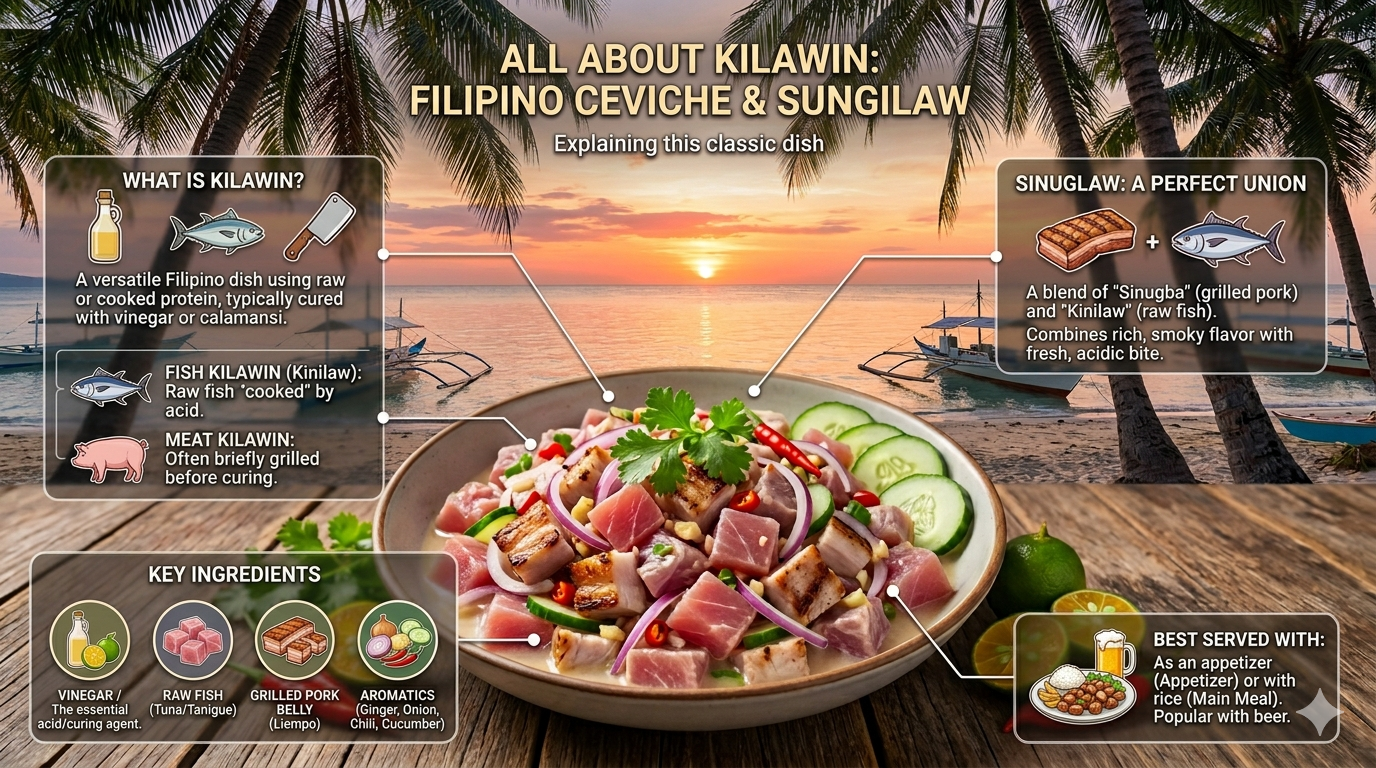
Infographic detailing common ingredients and marination steps for kilawin
Mandatory Disclaimer
This article is for general informational and educational purposes only. It does not constitute professional medical, nutrition, or dietary advice. References to foods or preparation methods do not imply endorsement or guarantee of health outcomes. Readers are encouraged to consult licensed nutritionists, dietitians, or medical professionals for personalized guidance.
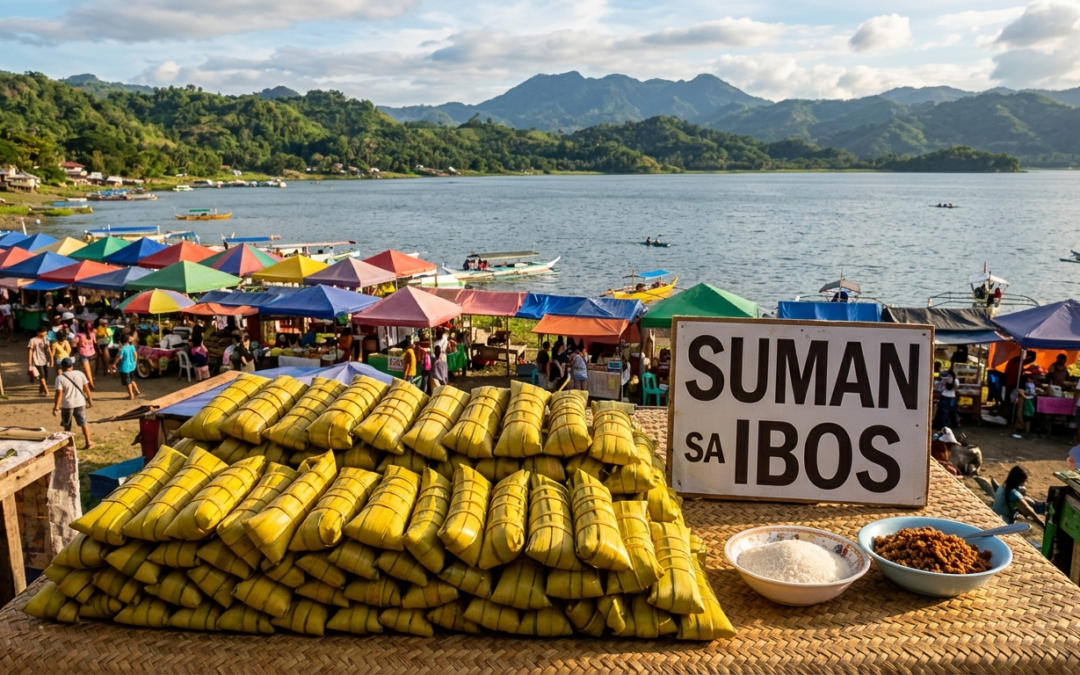
by Ramil Villar | Mar 29, 2026 | Food & Nutrition Basics, Philippine Cuisine
Suman sa Ibos: A Neutral Overview of a Traditional Filipino Rice Snack
A factual guide to Suman sa Ibos, its ingredients, preparation, and nutritional considerations.
Suman sa Ibos is a traditional Filipino rice-based snack made from glutinous rice wrapped in palm leaves (ibos). It is commonly consumed as a breakfast item or snack and can be served with sugar, latik (coconut caramel), or other accompaniments. This article provides a neutral overview of its ingredients, typical preparation methods, and nutritional aspects, in accordance with Philippine food safety and consumer protection standards.
Ingredients and Preparation:
Suman sa Ibos is typically made with the following:
- Glutinous rice – Provides carbohydrate content and small amounts of protein.
- Coconut milk – Adds fat and flavor, contributing to the energy density of the food.
- Salt – Small quantities may be used for taste.
- Ibos leaves – Used for wrapping; considered non-edible but adds aroma and structure.
Preparation generally involves soaking glutinous rice, mixing it with coconut milk and salt, wrapping the mixture in ibos leaves, and steaming until cooked.
Nutritional Considerations:
- Macronutrients: High in carbohydrates due to glutinous rice; moderate fat from coconut milk; minimal protein.
- Micronutrients: Small amounts of minerals such as potassium and magnesium from rice and coconut milk.
- Energy Density: Suman sa Ibos is relatively calorie-dense because of the combination of rice and coconut milk.
Consumption Notes:
- Portion size can influence caloric intake.
- Often paired with sweeteners like sugar or latik, which adds additional sugar content.
- Suitable as an occasional snack or part of a culturally traditional meal.
Context Section
In nutrition science studies, foods like Suman sa Ibos are considered cultural and carbohydrate-based snacks. Under Philippine consumer protection and food labeling standards, Suman sa Ibos should be prepared using safe handling practices, especially when sold commercially. Dietary outcomes vary depending on portion and overall eating patterns. For personalized guidance, consultation with licensed nutritionists or dietitians is recommended.
FAQ
What is Suman sa Ibos?
Suman sa Ibos is a Filipino rice snack made from glutinous rice and coconut milk, wrapped in palm leaves and steamed.
Is Suman sa Ibos nutritious?
It provides carbohydrates and some fat from coconut milk. It has minimal protein and small amounts of micronutrients.
How should it be consumed?
It can be eaten as a snack or part of a meal. Portion control may be considered for those tracking energy intake.
Trusted Sources
- Department of Health (DOH Philippines) – Food Safety Advisories
- Food and Drug Administration (FDA Philippines) – Traditional Food Handling Guidelines
- Philippine Journal of Nutrition – Studies on Filipino Rice-Based Foods
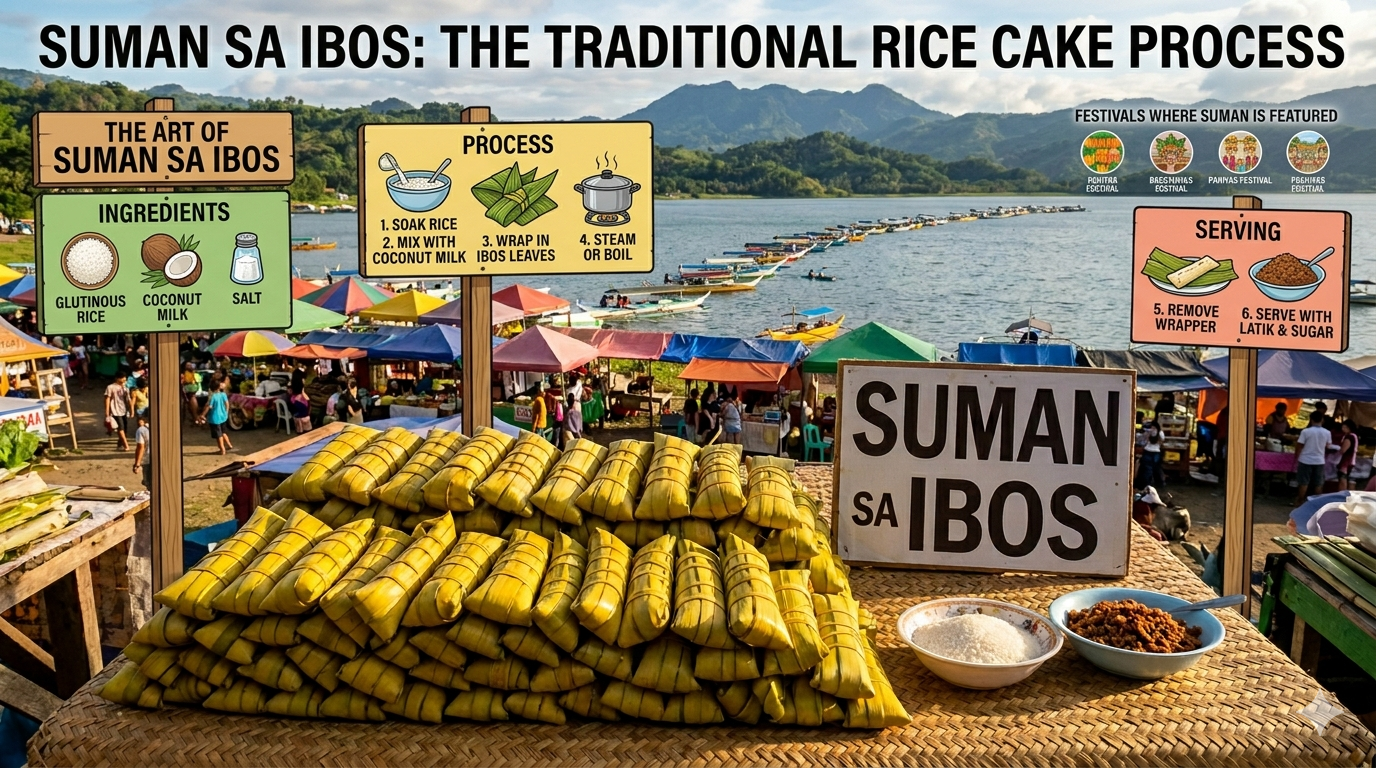
Infographic showing the main ingredients and preparation stages of Suman sa Ibos.
Disclaimer
This article is for general informational and educational purposes only. It does not constitute professional medical, nutrition, or dietary advice. References to foods do not imply endorsement or guarantee of health outcomes. Readers are encouraged to consult licensed nutritionists, dietitians, or medical professionals for personalized guidance.
by Ramil Villar | Mar 29, 2026 | Food & Nutrition Basics, Philippine Cuisine
Crocodile Sisig: Educational Overview of a Tourist-Famous Filipino Dish
A neutral examination of crocodile meat as a food source, its nutritional considerations, and safe consumption practices.
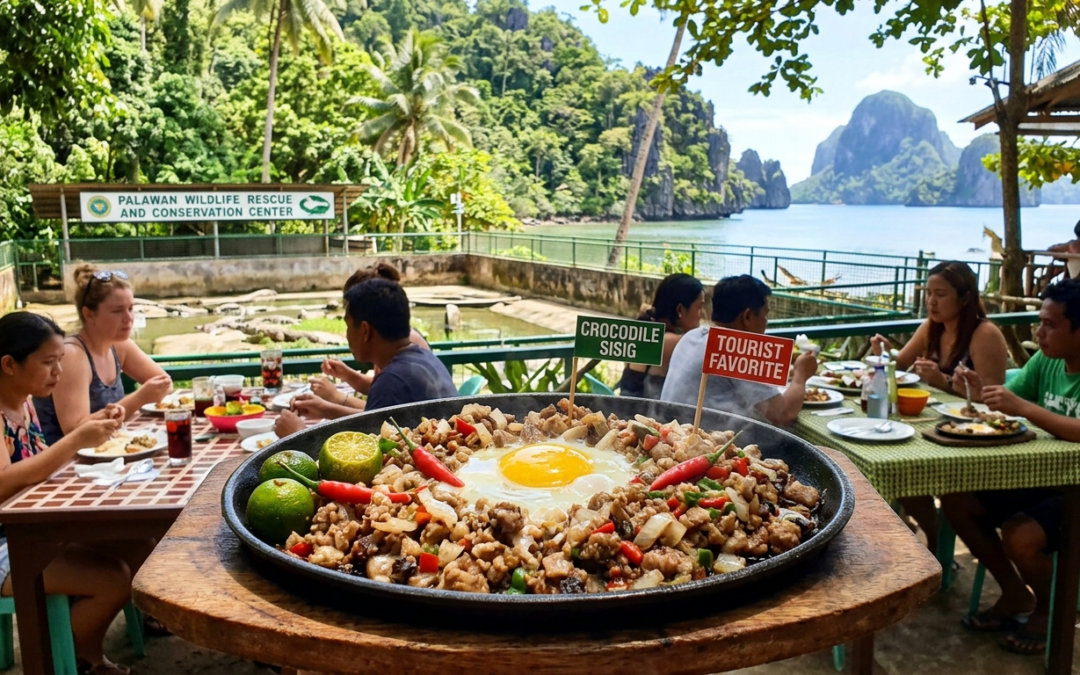
Crocodile sisig has gained attention in tourist-focused food spots in the Philippines. This article provides a neutral educational overview of crocodile meat, its nutritional characteristics, and considerations for safe consumption. References are aligned with Philippine Department of Health (DOH) and Food and Drug Administration (FDA Philippines) guidelines. Readers will learn about the nutrient content of crocodile meat, safe preparation practices, and general dietary awareness.
Crocodile Meat in Filipino Cuisine
Crocodile meat is considered a “novel protein” in the Philippines and is sometimes prepared similarly to traditional pork sisig. The meat is lean and contains protein, vitamins, and minerals, though nutrient composition can differ from more commonly consumed meats.
Nutritional Overview (Approximate Values)
| Nutrient |
Crocodile Meat (per 100g, raw) |
Notes |
| Protein |
20–22 g |
Supports general dietary protein needs |
| Fat |
2–3 g |
Low in total fat compared to pork |
| Cholesterol |
65–75 mg |
Intake should follow standard dietary guidance |
| Minerals |
Iron, phosphorus, potassium |
Contributes to daily nutrient intake |
Important: Values can vary by species, cut, and preparation method.
Safe Preparation Practices
- Cook crocodile meat thoroughly to avoid foodborne illness.
- Handle raw meat using separate utensils and surfaces to prevent cross-contamination.
- Follow FDA and DOH food safety guidelines, including proper storage and temperature control.
Hypothetical Meal Consideration
A hypothetical meal including crocodile sisig could be balanced with:
- A side of steamed vegetables or fresh salad (fiber, vitamins)
- A small serving of rice or root crops (complex carbohydrates)
- Water or unsweetened beverages for hydration
This example is for illustrative purposes only and does not imply health or weight outcomes.
Context Section
In nutrition science studies, novel proteins like crocodile meat are evaluated similarly to traditional meats in terms of macronutrient composition and digestibility. Under Philippine consumer protection and labeling standards, crocodile meat products must meet safety, freshness, and hygiene requirements set by the FDA and LGUs. Dietary outcomes vary individually, and consumption of novel proteins should be part of a varied diet. Licensed nutrition or medical professionals can provide personalized guidance for integrating such foods safely.
FAQ
What is crocodile meat?
Crocodile meat is the flesh obtained from crocodiles, used as food in certain regions of the Philippines. It is considered a lean protein source.
Is crocodile meat nutritious?
Crocodile meat provides protein, minerals, and low fat content compared to some meats. Nutrient composition varies depending on the cut and preparation.
How should crocodile sisig be consumed safely?
Crocodile meat should be thoroughly cooked, handled hygienically, and consumed as part of a balanced diet. These practices help minimize the risk of foodborne illness.
Trusted Sources
- Department of Health Philippines – Food Safety Guidelines
- FDA Philippines – Meat and Novel Protein Regulations
- Food Science and Nutrition Journals (peer-reviewed studies on crocodile meat composition)
- Academic sources on lean and exotic proteins
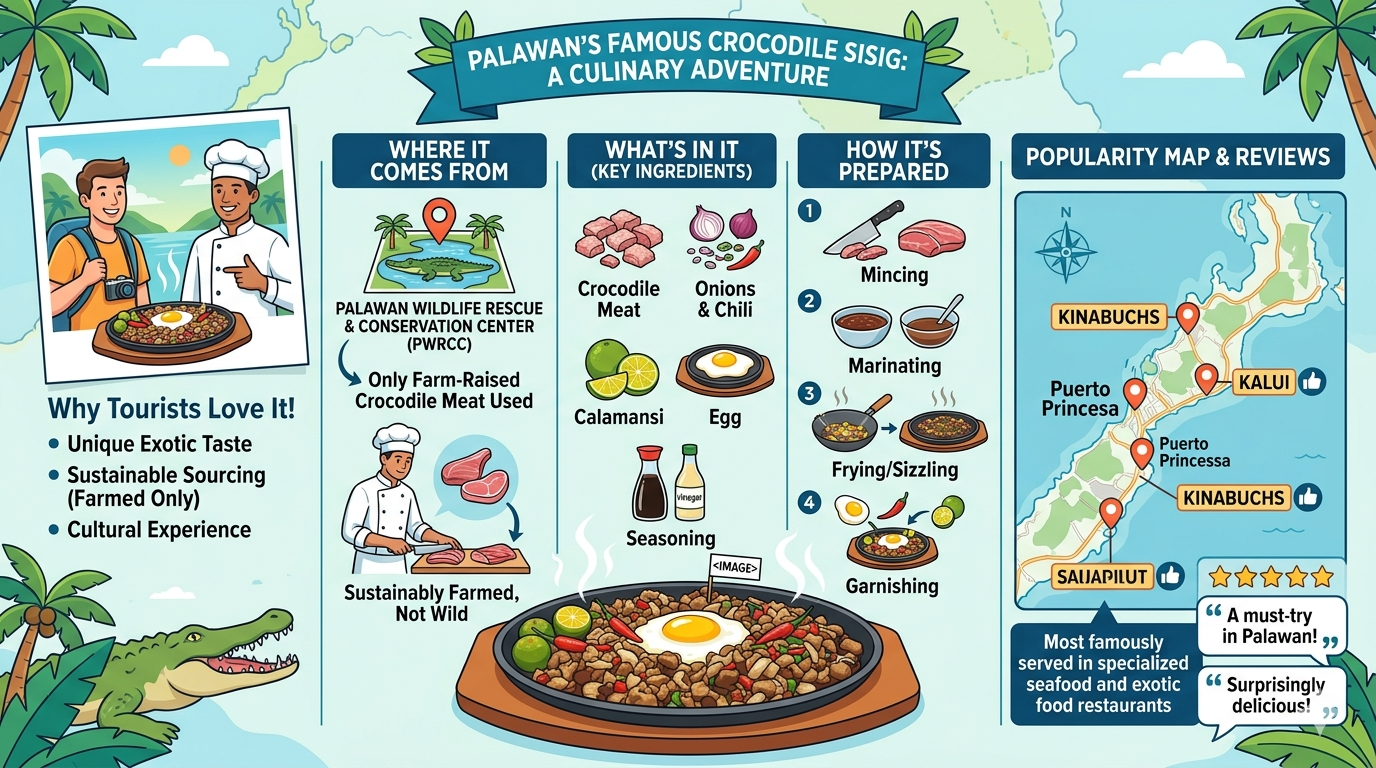
Illustration of crocodile sisig components and nutrient distribution.
Mandatory Disclaimer
This article is for general informational and educational purposes only. It does not constitute professional medical, nutrition, or dietary advice. References to crocodile meat or dishes do not imply endorsement or guarantee of health outcomes. Readers are encouraged to consult licensed nutritionists, dietitians, or medical professionals for personalized guidance.

by Ramil Villar | Mar 29, 2026 | Food & Nutrition Basics, Philippine Cuisine
Understanding Danggit Lamayo: A Nutritional Overview
A neutral guide to the preparation, nutritional content, and safe consumption of danggit lamayo.
Danggit lamayo is a lightly cured form of rabbitfish commonly consumed in the Philippines. Unlike fried or smoked variants, lamayo involves marinating the fish in mild seasonings without deep frying. This article provides an educational overview of danggit lamayo, including its nutrient composition, safe handling, and considerations for including it in balanced meals.
Nutritional Details
- Protein: Danggit lamayo is a source of high-quality protein, which contributes to dietary protein requirements for maintaining bodily functions.
- Fat: Contains naturally occurring fats, including omega-3 fatty acids. The fat content can vary depending on marination and preparation.
- Sodium: Light curing introduces some sodium; monitoring intake is recommended for those tracking sodium consumption.
- Micronutrients: Provides minerals such as calcium, phosphorus, and potassium in varying amounts. Vitamin content depends on freshness and storage.
Note: Nutrient values can vary depending on fish size, marination, and processing methods.
Safe Handling and Consumption
- Storage: Keep danggit lamayo refrigerated at ≤4°C and consume within recommended periods.
- Preparation: Rinse lightly before cooking to reduce excess salt if desired. Cooking thoroughly is advised to reduce microbial risk.
- Label Awareness: Check packaging for production date, expiration, and FDA Philippines registration when buying commercially processed lamayo.
Hypothetical Meal Example (Illustrative Only)
| Meal Component |
Portion Example |
Nutritional Note |
| Danggit lamayo |
50–70 g |
Source of protein |
| Brown rice |
½ cup cooked |
Provides carbohydrates |
| Fresh tomato & cucumber salad |
½ cup |
Provides fiber and micronutrients |
| Fruit (e.g., papaya) |
½ cup |
Source of vitamins |
This table is for educational illustration only and does not imply specific health outcomes.
Context Section
In nutrition science studies, fish products like danggit lamayo are recognized as protein sources with variable fat and sodium content. Under Philippine food safety and labeling standards, products must indicate processing methods and shelf life. Dietary results vary individually, and consultation with licensed nutritionists or dietitians is recommended for personalized guidance.
Optional FAQ
What is danggit lamayo?
A: Danggit lamayo is a lightly cured, unsmoked rabbitfish commonly consumed in the Philippines. It is marinated but not fried or smoked.
Is it nutritious?
A: Yes, it provides protein, naturally occurring fats, and minerals such as calcium and phosphorus. Nutrient content depends on size, preparation, and storage.
How should I store it safely?
A: Keep refrigerated at ≤4°C and consume within the recommended shelf life. Cooking thoroughly is advised to reduce microbial risk.
Trusted Sources
- Food and Drug Administration Philippines (FDA) – Seafood & Processed Fish Guidelines
- Department of Health Philippines – Nutrition Advisory
- Philippine Council for Agriculture, Aquatic and Natural Resources Research and Development – Fish Consumption Studies
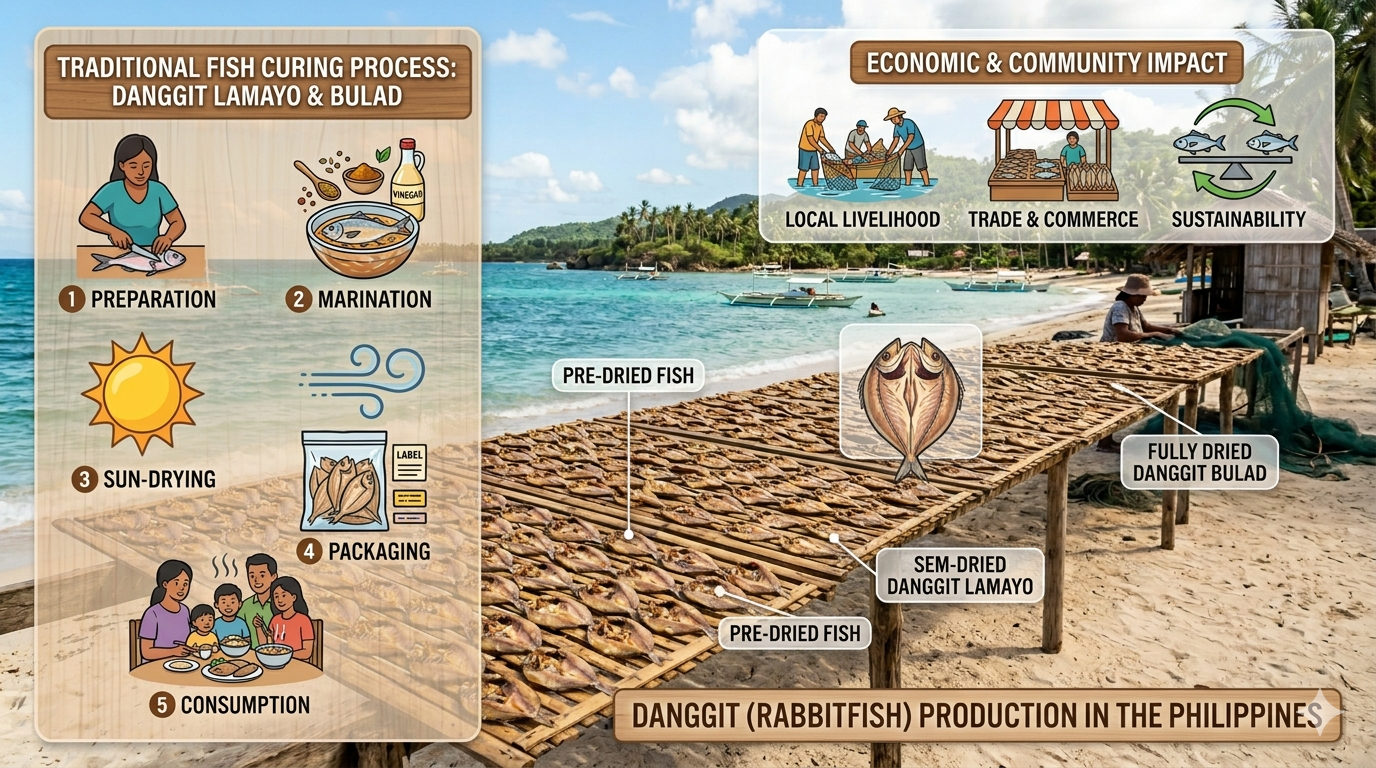
Visual summary of danggit lamayo preparation steps
Disclaimer
This article is for general informational and educational purposes only. It does not constitute professional medical, nutrition, or dietary advice. References to foods or preparation methods do not imply endorsement or guarantee of health outcomes. Readers are encouraged to consult licensed nutritionists, dietitians, or medical professionals for personalized guidance.