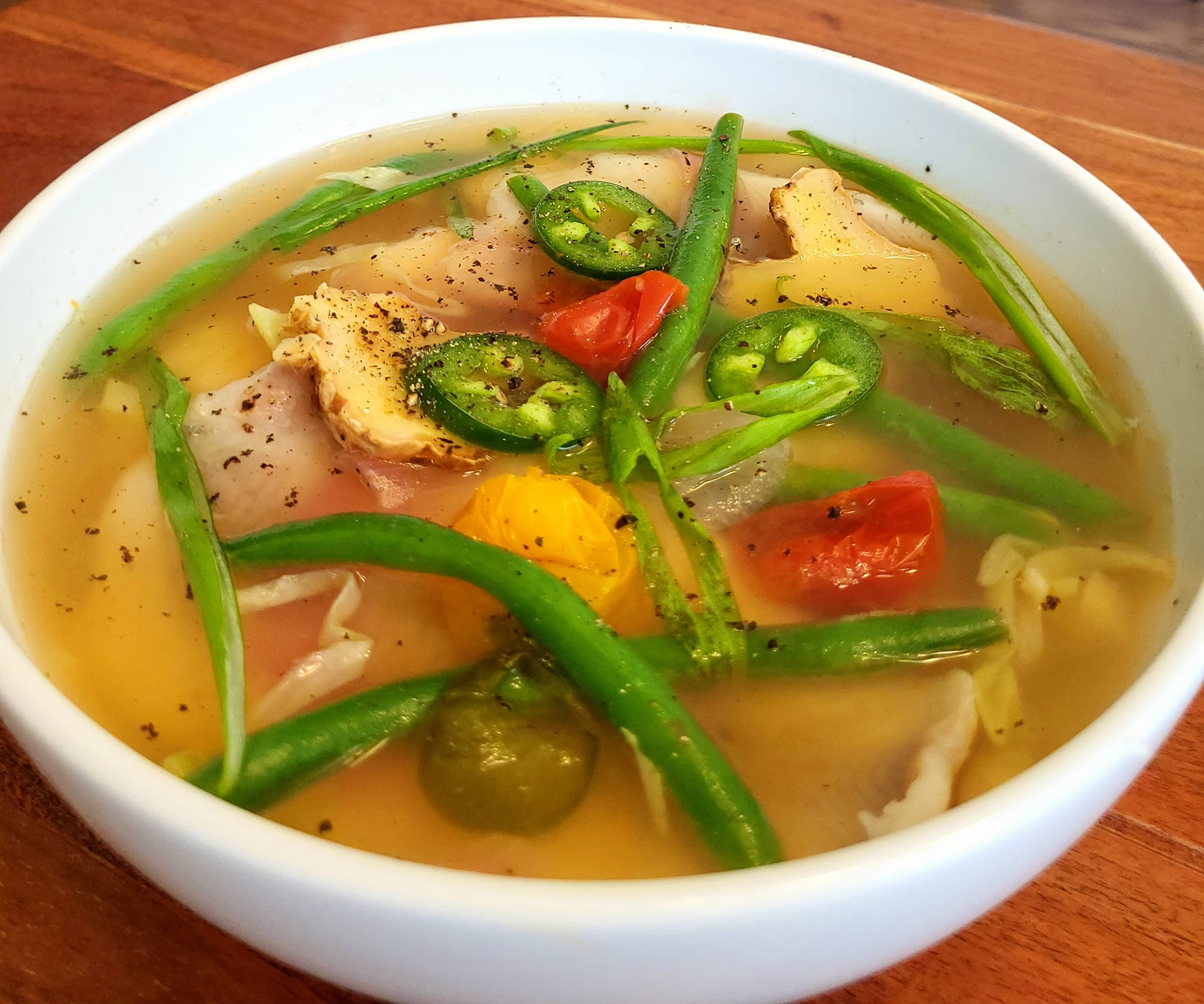
Sinigang is a well-known Filipino dish name used to describe a sour-tasting soup or stew found across multiple regions of the Philippines. While it appears nationwide in varied forms, some culinary discussions associate early versions of sinigang with regions in Southern Luzon. This article presents sinigang through a descriptive and cultural lens, without endorsement, instruction, or dietary framing.
Table of Contents
- Why This Dish Matters in Philippine Culture
- Dish Overview (Neutral, Descriptive)
- Regional or Historical Notes
- Serving or Occasion Context
- FAQs
- Trusted Sources
- Mandatory Disclaimer
Why This Dish Matters in Philippine Culture
Sinigang holds cultural relevance because it reflects a long-standing Filipino preference for sour flavor profiles derived from local ingredients. The dish name is used as a category rather than a single fixed recipe, allowing regional interpretation without losing its core identity. Its continued presence in households and food literature highlights its role as a descriptive culinary concept rather than a standardized preparation.
Dish Overview
Sinigang generally refers to a sour-based soup or stew where acidity is the defining characteristic. The sourness is traditionally derived from natural local sources rather than fermented agents. The dish name emphasizes flavor profile over protein, method, or fixed ingredient list.
Regional or Historical Notes
Some food historians and culinary writers associate early forms of sinigang with areas of Southern Luzon, where souring agents such as tamarind and native fruits were readily available. This association is discussed as a regional influence rather than a confirmed point of origin. Over time, the term sinigang has been adopted and adapted across multiple Philippine regions.
Serving or Occasion Context
Sinigang is commonly referenced in everyday meal contexts and family dining narratives in Philippine culture. It appears in both informal and formal food settings, depending on ingredients used and regional interpretation. These references describe social context rather than prescribing use or frequency.
FAQs
What is sinigang in general?
Sinigang is a Filipino dish category defined by its sour-tasting broth. The term refers to flavor profile rather than a single standardized recipe. Variations exist across regions and households.
Where is sinigang commonly associated?
Sinigang is found throughout the Philippines and is not limited to one region. Some culinary discussions associate early forms with Southern Luzon due to the availability of souring ingredients. This association is descriptive rather than definitive.
What ingredients are typically mentioned in sinigang?
Common descriptions mention a souring agent, a protein component, and vegetables. The specific ingredients vary by region and availability. No single ingredient list defines all versions.
How is sinigang usually described?
Sinigang is usually described as sour, broth-based, and adaptable. The defining feature is its acidity rather than cooking technique or protein choice. Descriptions focus on taste rather than preparation steps.
What is the difference between sinigang and other Filipino soups?
Sinigang is distinguished primarily by its sour flavor profile. Other Filipino soups may emphasize saltiness, richness, or fermentation instead. The difference is descriptive and not hierarchical.
Trusted Sources
-
National Commission for Culture and the Arts (NCCA) – Philippine Food Heritage references
-
Cultural Center of the Philippines (CCP) Encyclopedia of Philippine Art (Food & Culinary entries)
-
Academic publications on Southeast Asian souring agents and indigenous food systems
Mandatory Disclaimer
This content is provided for cultural and educational reference only. It does not offer cooking instructions, dietary guidance, health information, or endorsements. Regional associations are presented as documented discussions rather than definitive claims.