by Ramil Villar | Mar 14, 2026 | Oral Hygiene Education
Understanding Teeth Whitening and Preventive Dental Checkups: An Educational Overview
A neutral guide explaining common dental whitening methods and the role of routine oral examinations.
Teeth whitening and preventive dental checkups are commonly discussed topics in oral health information. Whitening procedures relate to methods that may alter the color appearance of teeth, while preventive checkups involve routine dental examinations and monitoring of oral conditions. This article provides an educational overview of how these topics are generally described in dental literature and public health guidance, including references to preventive practices discussed by health authorities.
Tooth Color and Basic Dental Structure
Teeth contain several structural layers. The outer layer, known as enamel, is a mineralized surface that protects the tooth. Beneath enamel lies dentin, which has a naturally yellowish tone and contributes to the overall appearance of tooth color. The innermost portion contains the pulp, which includes nerves and blood vessels.
Changes in tooth color may occur over time for different reasons. These can include natural aging processes, dietary pigments, or internal changes in tooth structure. Dental literature often classifies color changes into extrinsic stains (surface-level) and intrinsic discoloration (within the tooth).
Overview of Teeth Whitening Methods
Teeth whitening generally refers to procedures intended to alter the visible color of teeth. Methods described in dental education may include:
- Professional dental whitening procedures, conducted in clinical settings using materials designed for dental use.
- Take-home whitening systems, sometimes provided by dental professionals with instructions for use.
- Over-the-counter products, such as whitening toothpaste or strips available in retail markets.
These approaches may differ in ingredients, concentration levels, and methods of application. Public health guidance typically emphasizes that dental procedures involving chemical agents should be evaluated or supervised by licensed dental professionals.
Individual outcomes may vary depending on factors such as tooth structure, existing restorations, and the cause of discoloration.
Preventive Dental Checkups
Preventive dental checkups involve routine oral examinations conducted by licensed dental practitioners. These appointments may include:
- Visual inspection of teeth and gums
- Assessment for signs of tooth decay
- Evaluation of gum health
- Review of oral hygiene practices
- Discussion of patient dental history
Dental professionals may also perform or recommend additional procedures during checkups when clinically indicated, such as professional cleaning or diagnostic imaging.
Preventive visits are commonly discussed in dental public health programs because they allow monitoring of oral conditions before they progress. The exact schedule of dental visits may differ depending on individual oral health status and professional recommendations.
Hypothetical Example
A hypothetical patient attends a routine dental checkup after noticing changes in tooth color. During the examination, the dentist reviews the patient’s oral hygiene habits and evaluates possible causes of discoloration. The practitioner may discuss general information about whitening options and preventive care practices. Decisions regarding procedures would typically depend on clinical findings and the patient’s overall oral health.
Context Section
In dental research and public health education, preventive care is frequently described as an important component of oral health management. Preventive practices may include routine examinations, proper brushing techniques, flossing, and monitoring of dietary factors.
Under consumer protection and medical advertising standards, information about dental treatments is generally expected to avoid guarantees or exaggerated outcomes. Dental professionals are typically encouraged to provide individualized assessments before recommending any clinical procedures.
Health authorities in many countries, including the Philippines, emphasize accurate health communication and informed decision-making when discussing dental care options.
FAQ
What is teeth whitening?
Teeth whitening refers to procedures or products designed to alter the visible color of teeth. Methods may involve chemical agents or abrasive materials that interact with stains or pigments affecting tooth appearance.
What is a preventive dental checkup?
A preventive dental checkup is a routine examination performed by a licensed dental professional to monitor oral health conditions, including teeth, gums, and surrounding structures.
What tools are commonly used for oral hygiene at home?
Common oral hygiene tools include toothbrushes, dental floss, and fluoride toothpaste. Some individuals also use brushing timers, oral health tracking applications, or interdental cleaning tools as part of their routine.
Trusted Sources
- Department of Health (Philippines)
- Food and Drug Administration Philippines
- World Health Organization
- American Dental Association
- Peer-reviewed dental journals and academic oral health references
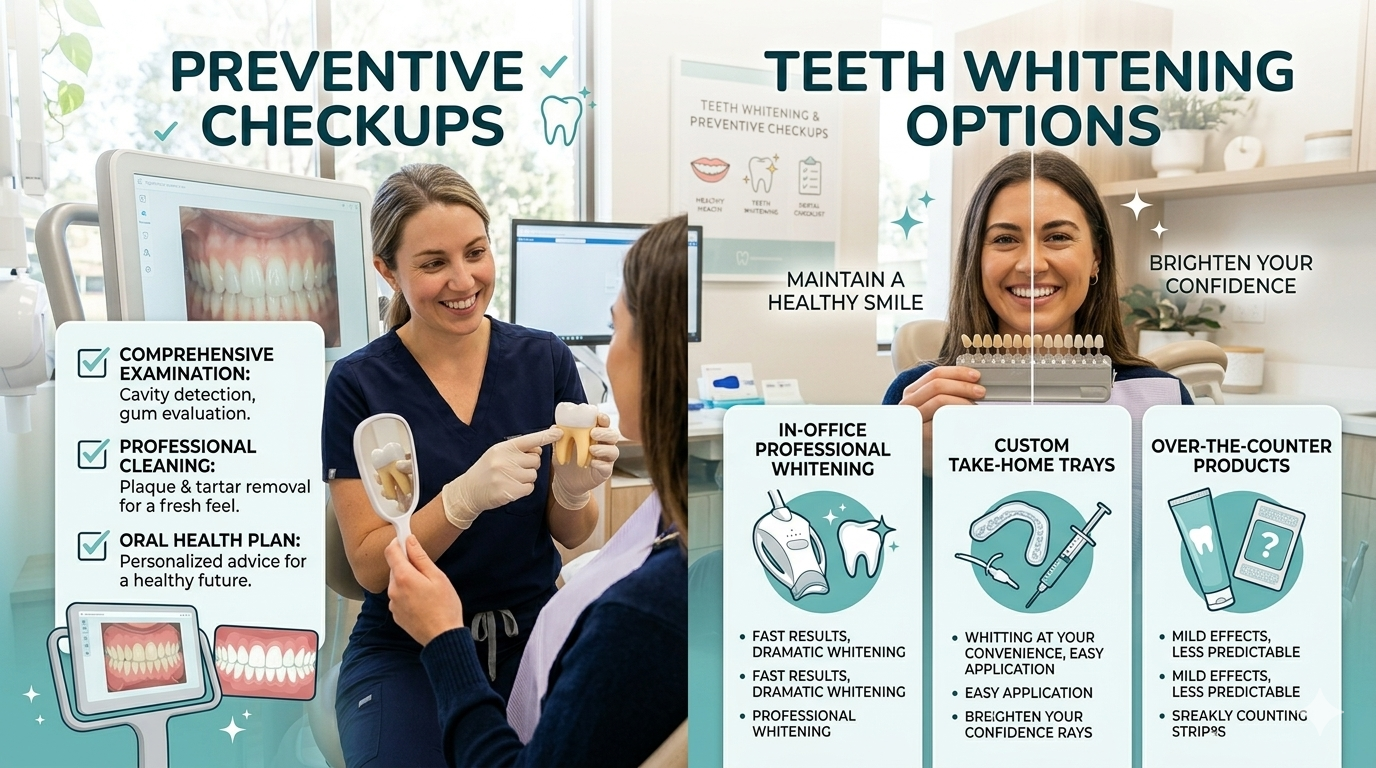
Infographic presenting tooth structure layers and a general dental examination setting.
Disclaimer
This article is for general informational and educational purposes only. It does not constitute professional medical, dental, or consumer purchasing advice. References to procedures, products, or clinics do not imply endorsement or guarantee of results. Readers are encouraged to consult licensed dental professionals and verified resources for oral health decisions.
by Ramil Villar | Mar 14, 2026 | Oral Hygiene Education
Minimalist Oral Care Routine: An Educational Overview
Understanding simplified oral hygiene practices and commonly referenced care tools.
A minimalist oral care routine refers to a simplified approach to daily oral hygiene that focuses on a limited number of commonly used tools and consistent maintenance practices. Oral health information in the Philippines is generally guided by public health agencies such as the Department of Health (DOH) and product oversight from the Food and Drug Administration (FDA Philippines). Consumer protection laws, including the Consumer Act of the Philippines, also regulate health-related claims and marketing of dental products.
This article provides a neutral overview of what a minimalist oral hygiene routine typically includes, along with background information about oral structures and common hygiene tools. The content is informational and does not recommend specific products or guarantee outcomes.
Basic Oral Anatomy
The mouth contains several structures that contribute to chewing, speech, and general oral function. Teeth are composed of multiple layers:
- Enamel – The outer surface that protects the tooth from physical and chemical exposure.
- Dentin – A layer beneath enamel that transmits sensations and provides structural support.
- Pulp – The inner portion containing connective tissue, nerves, and blood vessels.
- Cementum – A calcified layer covering the tooth root and assisting in attachment to surrounding tissues.
Teeth are supported by surrounding structures that include gums (gingiva), periodontal ligaments, and the jawbone. These components together form the periodontal support system of the mouth.
What a Minimalist Oral Care Routine Typically Includes
A minimalist routine generally focuses on a small set of hygiene practices that are commonly referenced in oral health education materials.
Tooth Brushing
Tooth brushing is widely recognized as a routine hygiene activity intended to remove plaque and food debris from tooth surfaces. Toothbrushes may be manual or powered, and they are typically used with toothpaste formulated for oral hygiene.
Interdental Cleaning
Interdental cleaning refers to the removal of debris from spaces between teeth where toothbrush bristles may not reach easily. Tools used for this purpose may include dental floss or interdental brushes.
Oral Rinsing Products
Some oral hygiene routines include mouth rinses designed for general oral care. These products may contain ingredients intended to support hygiene practices when used according to manufacturer instructions.
Minimalist routines generally limit the number of tools used while maintaining consistent hygiene practices.
Hypothetical Example
In a hypothetical situation, an individual may choose a simplified oral hygiene routine consisting of tooth brushing and interdental cleaning using a small number of tools. The individual may review product instructions, ingredient labels, and regulatory approvals when selecting oral hygiene products.
During routine dental examinations, a dental professional may document oral health conditions and provide educational information about hygiene practices and monitoring methods.
Context: Minimalism in Personal Care
Minimalism in personal care refers to the reduction of product use to a smaller set of essential items. In oral hygiene discussions, this approach is sometimes referenced in consumer education about evaluating product claims and understanding ingredient labeling.
Public health materials typically emphasize that oral health maintenance involves a combination of daily hygiene practices and periodic monitoring by licensed dental professionals. Under consumer protection frameworks, health-related product claims must avoid statements suggesting guaranteed results or unrealistic outcomes.
FAQ
What is a minimalist oral care routine?
A minimalist oral care routine refers to a simplified approach to oral hygiene that uses a limited number of commonly used tools and consistent daily maintenance practices.
What tools are commonly included in simplified oral hygiene routines?
Examples may include a toothbrush, toothpaste, and an interdental cleaning tool such as dental floss.
Do oral care routines vary among individuals?
Yes. Oral hygiene routines can vary depending on personal habits, product preferences, and guidance from licensed dental professionals.
Trusted Sources
- Department of Health — Public health information on oral hygiene
- Food and Drug Administration — Regulation of health-related products
- World Health Organization — Global oral health education resources
- American Dental Association — Educational materials on oral health practices
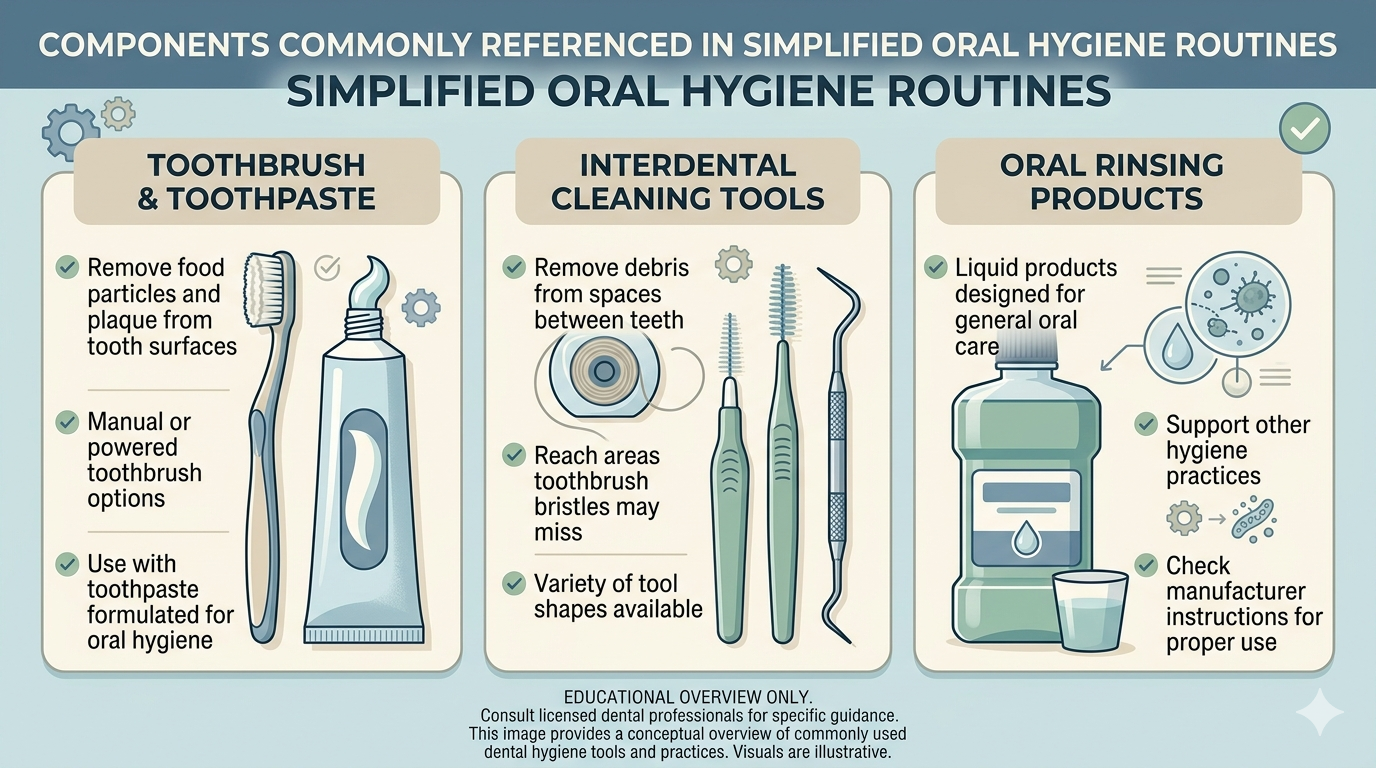
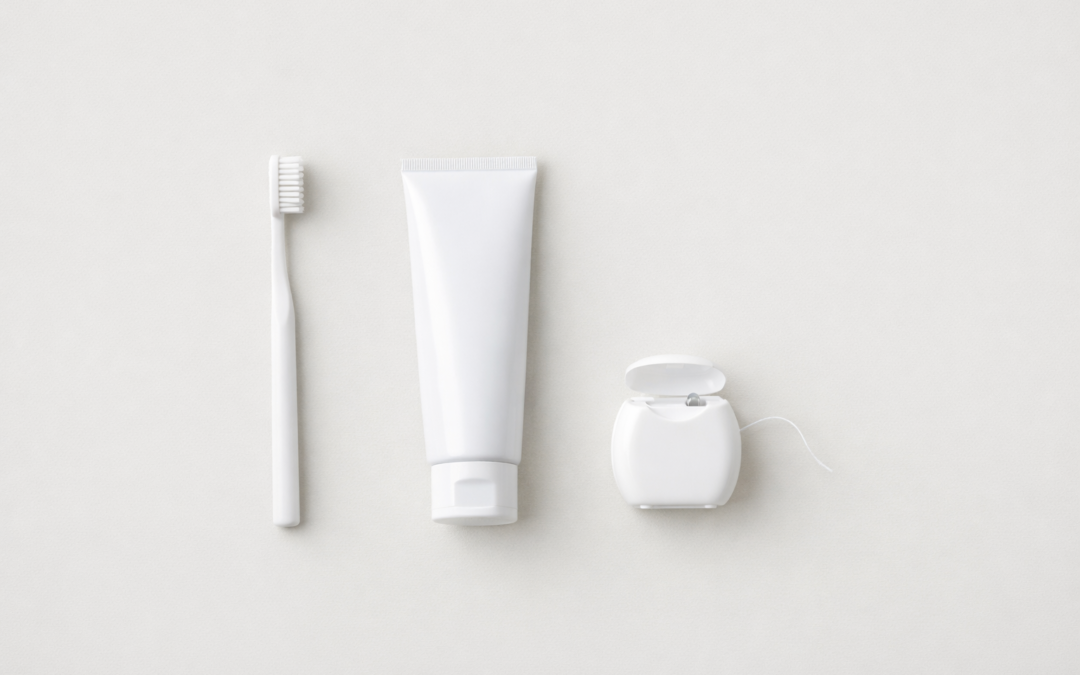
Illustrated overview of commonly referenced items in minimalist oral hygiene routines.
Disclaimer:
This article is for general informational and educational purposes only. It does not constitute professional medical, dental, or consumer purchasing advice. References to procedures, products, or clinics do not imply endorsement or guarantee of results. Readers are encouraged to consult licensed dental professionals and verified resources for oral health decisions.
by Ramil Villar | Mar 14, 2026 | Awareness, Oral Hygiene Education
Hydration and Sensitive Tooth Care: An Educational Overview
Understanding the relationship between fluid intake and oral comfort
Hydration plays a role in several bodily processes, including saliva production and oral moisture balance. Dental education materials sometimes discuss hydration in the context of oral comfort and basic oral hygiene practices. Sensitive teeth, often described as a reaction to temperature or certain substances, may involve the inner structures of teeth becoming more exposed to external stimuli.
This article provides an educational overview of tooth sensitivity, the role of saliva and hydration in oral conditions, and commonly referenced oral hygiene considerations. The information is intended for general awareness and does not recommend specific treatments, products, or clinical procedures.
What Is Tooth Sensitivity?
Tooth sensitivity refers to a sensation that may occur when teeth encounter external stimuli such as cold temperatures, heat, sweet substances, or acidic foods. The sensation is often described in dental literature as occurring when underlying tooth layers become more responsive to external conditions.
Teeth contain multiple layers:
Enamel
The outer mineralized layer that helps protect inner tooth structures.
Dentin
A layer beneath the enamel containing microscopic channels that connect to the tooth’s inner pulp.
Pulp
The central area of the tooth that contains nerves and blood vessels.
In some situations, dentin may become more exposed due to changes in enamel thickness, gum position, or other oral conditions. When this occurs, external stimuli may reach the microscopic channels within dentin, which can lead to sensations commonly described as sensitivity.
The Role of Saliva in Oral Conditions
Saliva is a naturally occurring fluid in the mouth that contributes to several oral functions.
These functions may include:
- Moistening oral tissues
- Assisting in the breakdown of food during chewing
- Helping wash away food particles and certain acids
- Supporting the natural balance of oral microorganisms
Saliva production can vary depending on hydration levels, diet, medications, and general health conditions. Adequate fluid intake supports normal body hydration, which may influence saliva production.
Dental education sources often mention saliva as part of the mouth’s natural protective environment.
Hydration and Oral Moisture
Hydration refers to maintaining adequate levels of fluid within the body. In the context of oral health discussions, hydration is sometimes referenced in relation to oral dryness.
When oral dryness occurs, individuals may notice:
- Reduced saliva flow
- A feeling of dryness in the mouth
- Changes in oral comfort when eating or drinking
Hydration practices such as drinking water throughout the day are commonly described in general health materials as contributing to fluid balance. However, hydration alone does not address all causes of tooth sensitivity.
Hypothetical Example of Hydration and Oral Comfort
A hypothetical scenario may help illustrate how hydration may relate to oral comfort.
An individual notices occasional tooth sensitivity when drinking cold beverages. During a routine dental checkup, the dentist observes general oral health and reviews the individual’s daily habits, including fluid intake and oral hygiene practices. The dentist may also examine the gums and enamel surfaces to assess potential contributing factors.
In this situation, hydration may be discussed as one of several lifestyle factors related to oral moisture and saliva production. Additional evaluation may be conducted to identify structural or dental conditions that may contribute to sensitivity.
Tools Commonly Referenced in Sensitive Tooth Care
Dental education materials sometimes mention tools associated with oral hygiene routines for individuals experiencing sensitivity.
Examples include:
Soft-Bristled Toothbrushes
Toothbrushes with softer bristles are sometimes discussed in oral hygiene materials as a gentle cleaning option for tooth surfaces and gums.
Toothpaste Formulations for Sensitivity
Some toothpaste products are formulated with ingredients that dental manufacturers describe as designed for sensitive teeth. These products vary in composition and intended use.
Oral Hydration Practices
Regular water intake and general hydration habits may support normal saliva production and oral moisture levels.
The selection and use of oral care tools may vary depending on individual circumstances and professional dental guidance.
Context: Tooth Sensitivity in Dental Research
Dental literature often describes tooth sensitivity as a common oral condition observed in various populations. Studies have explored possible contributing factors, including enamel wear, gum recession, dietary acids, and oral hygiene habits.
Public health discussions frequently emphasize oral hygiene awareness and routine dental examinations as part of general oral health monitoring. Consumer protection standards also encourage clear communication about dental products and procedures to prevent misleading health claims.
Educational materials therefore tend to describe tooth sensitivity in terms of anatomy, hygiene practices, and observational monitoring rather than guaranteed outcomes.
Frequently Asked Questions
What causes tooth sensitivity?
Tooth sensitivity may occur when the inner dentin layer becomes more responsive to external stimuli such as temperature changes or acidic foods. This can happen when enamel becomes thinner or gum tissue shifts position.
Does hydration affect oral health?
Hydration supports general bodily functions, including saliva production. Saliva contributes to oral moisture and may help wash away food particles and certain acids.
What tools are associated with sensitive tooth care?
Oral hygiene materials often mention soft-bristled toothbrushes, toothpaste formulated for sensitive teeth, and routine dental observation as part of general oral care discussions.
Trusted Sources
- Philippine Department of Health (DOH) oral health education resources
- Philippine Dental Association educational publications
- World Health Organization oral health reports
- Peer-reviewed dental journals discussing dentin hypersensitivity and saliva function
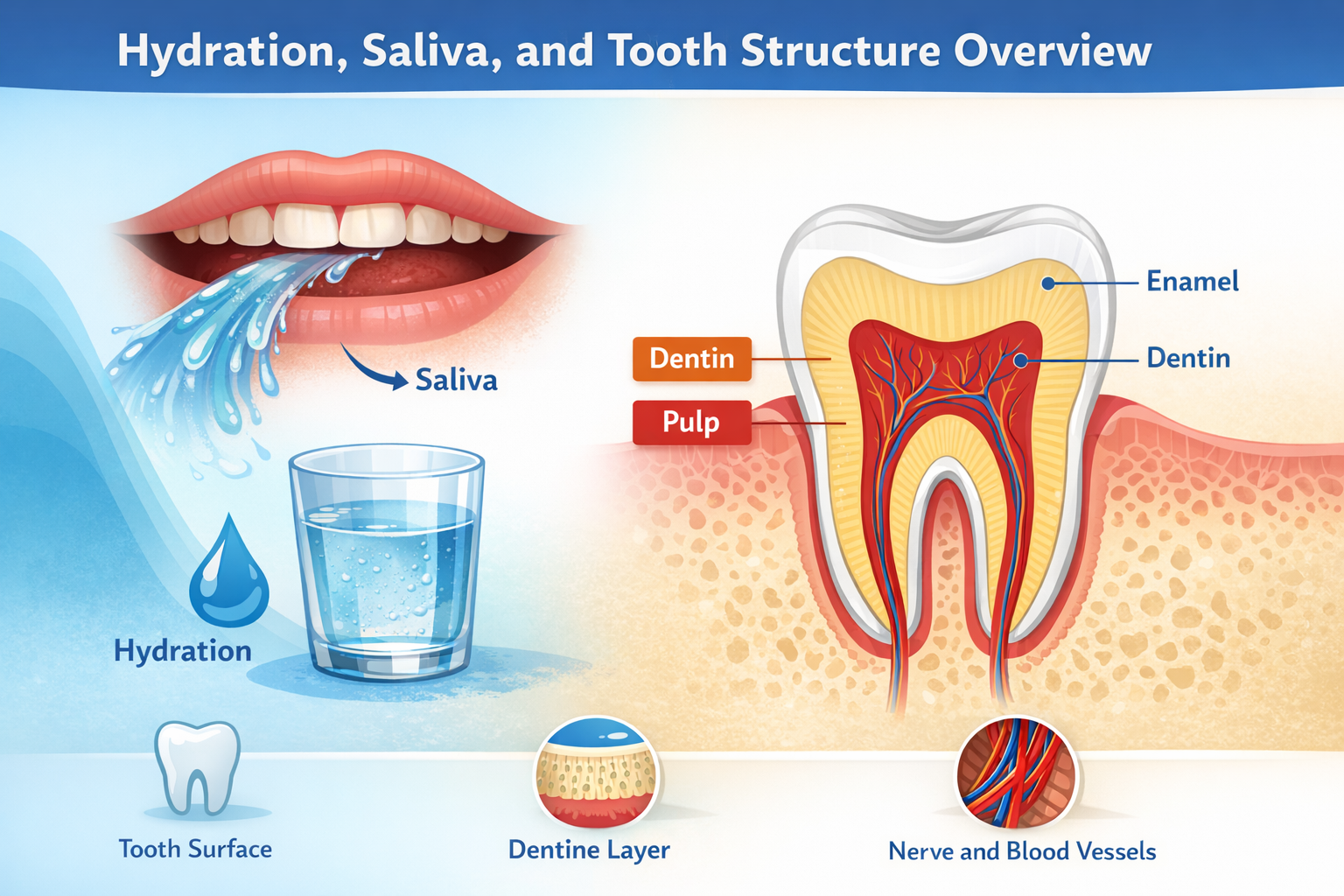
Illustrated diagram displaying labeled tooth layers and saliva presence within the mouth.
Disclaimer
This article is for general informational and educational purposes only. It does not constitute professional medical, dental, or consumer purchasing advice. References to procedures, products, or clinics do not imply endorsement or guarantee of results. Readers are encouraged to consult licensed dental professionals and verified resources for oral health decisions.
by Ramil Villar | Mar 14, 2026 | Oral Hygiene Education
Understanding Spring Dental Checkups and Oral Hygiene: An Educational Overview
An informational look at seasonal reminders for oral hygiene practices and routine dental examinations.
Seasonal reminders are sometimes used in health education to encourage routine checkups and personal hygiene practices. In dental health discussions, the phrase “spring dental checkups” is occasionally used in public awareness campaigns to highlight the importance of periodic oral examinations and hygiene routines. This article provides a neutral overview of oral hygiene practices and routine dental checkups, including how preventive dental care is commonly described in dental education and public health materials.
Oral Health and Tooth Structure
Human teeth perform several functions related to chewing, speech, and maintaining oral structure. A typical tooth contains several layers:
- Enamel – the outer surface that protects the tooth.
- Dentin – the layer beneath enamel that supports the tooth structure.
- Pulp – the internal area containing nerves and blood vessels.
- Cementum – a layer that covers the tooth root and helps anchor the tooth to surrounding tissues.
The teeth are supported by surrounding structures known collectively as the periodontium, which includes the gums, periodontal ligaments, and supporting bone. Dental professionals study these structures when assessing oral health during routine examinations.
Routine Dental Checkups: Educational Overview
Routine dental checkups are commonly described in dental health literature as periodic visits to a licensed dental professional for examination and preventive care. The specific frequency may vary depending on individual circumstances and professional assessment.
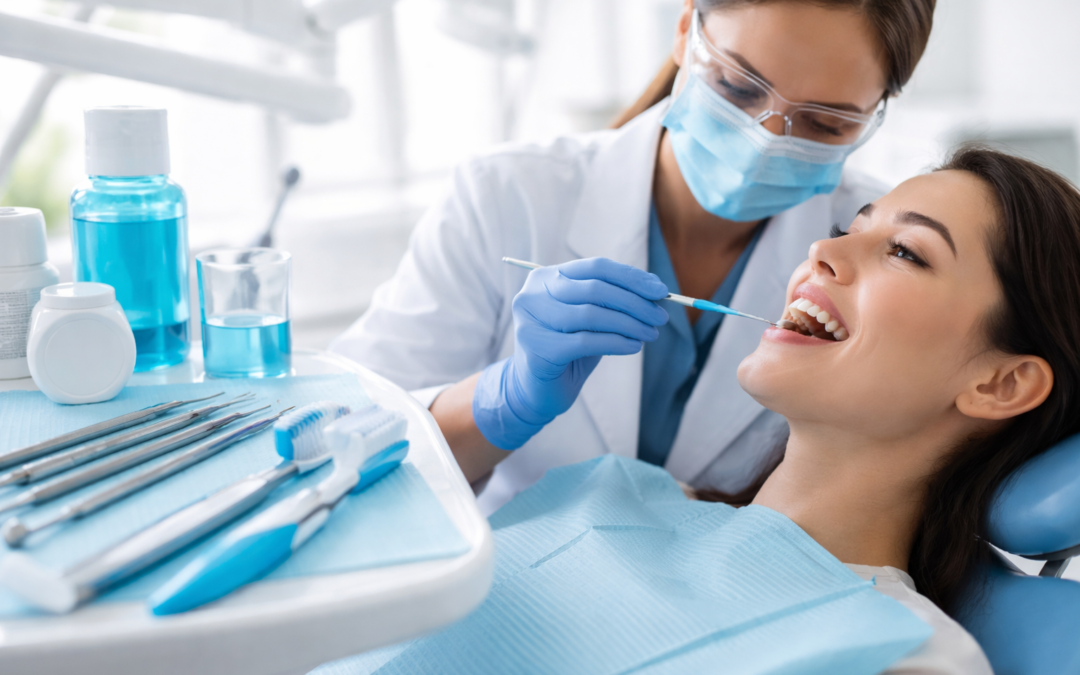
During a typical dental checkup, a dental professional may review several aspects of oral health, such as:
- General condition of the teeth
- Gum and soft tissue health
- Presence of plaque or tartar buildup
- Bite alignment and tooth positioning
- Signs associated with common oral conditions
Dental records or charts may also be updated during visits. In some cases, dental imaging may be used to observe structures that are not visible during a standard visual examination.
Oral Hygiene Practices in Preventive Dental Care
Oral hygiene refers to daily practices that support the cleanliness of the mouth and teeth. Public health guidance often describes several commonly recognized components:
Toothbrushing
Toothbrushing is typically performed using a toothbrush and toothpaste to remove food particles and plaque from tooth surfaces. Brushing routines are widely discussed in oral hygiene education programs.
Interdental Cleaning
Interdental cleaning tools, such as dental floss or interdental brushes, are used to reach areas between teeth where toothbrush bristles may not easily reach.
Mouth Rinsing
Some individuals use oral rinses as part of their hygiene routines. Dental literature describes these products as tools designed to assist in oral cleaning or breath freshness, depending on formulation.
Tongue Cleaning
Tongue cleaning tools or toothbrushes may also be used to remove debris from the surface of the tongue as part of general oral hygiene practices.
These activities are typically discussed in preventive dentistry education as methods for maintaining oral cleanliness between professional dental visits.
Hypothetical Example of a Routine Dental Visit
To illustrate how dental checkups are often described in educational materials, consider a hypothetical scenario:
A patient attends a scheduled dental appointment following several months of routine home oral hygiene. During the visit, the dental professional performs a visual examination of the teeth and gums, reviews the patient’s dental history, and records observations in the dental chart. Preventive cleaning procedures may be discussed or performed depending on the clinical assessment.
This example represents a general description used in dental education and may differ depending on individual clinical circumstances.
Context: Preventive Dental Care in Public Health
Preventive dental care has been discussed in dental research and public health programs for many decades. Many health organizations highlight the role of early observation, routine oral hygiene practices, and patient education in maintaining oral health.
Public awareness campaigns sometimes use seasonal reminders—such as the beginning of a new year, school terms, or seasonal transitions—to encourage people to review health routines. In dental education contexts, references to “spring checkups” may simply function as a reminder to review oral hygiene habits and schedule routine dental examinations if needed.
Health authorities and dental associations generally emphasize that dental care decisions should be made with licensed professionals who can assess individual needs.
FAQ (Educational Overview)
What is preventive dental care?
Preventive dental care refers to practices intended to support oral health and identify potential dental concerns at an early stage. It commonly includes routine dental examinations, professional cleanings, and daily oral hygiene practices.
What occurs during a routine dental checkup?
A routine dental checkup generally involves an examination of the teeth, gums, and oral tissues by a licensed dental professional. Dental records may be updated, and observations about oral health may be documented.
What tools are commonly used for oral hygiene at home?
Common oral hygiene tools include toothbrushes, toothpaste, dental floss or interdental brushes, and in some cases oral rinses. These tools are widely discussed in dental hygiene education.
Trusted Sources
- Department of Health (DOH) Philippines — Oral Health Program
- Food and Drug Administration (FDA Philippines)
- World Health Organization (WHO) Oral Health Resources
- American Dental Association (ADA) — Oral Health Topics
- Peer-reviewed journals in dental public health and preventive dentistry
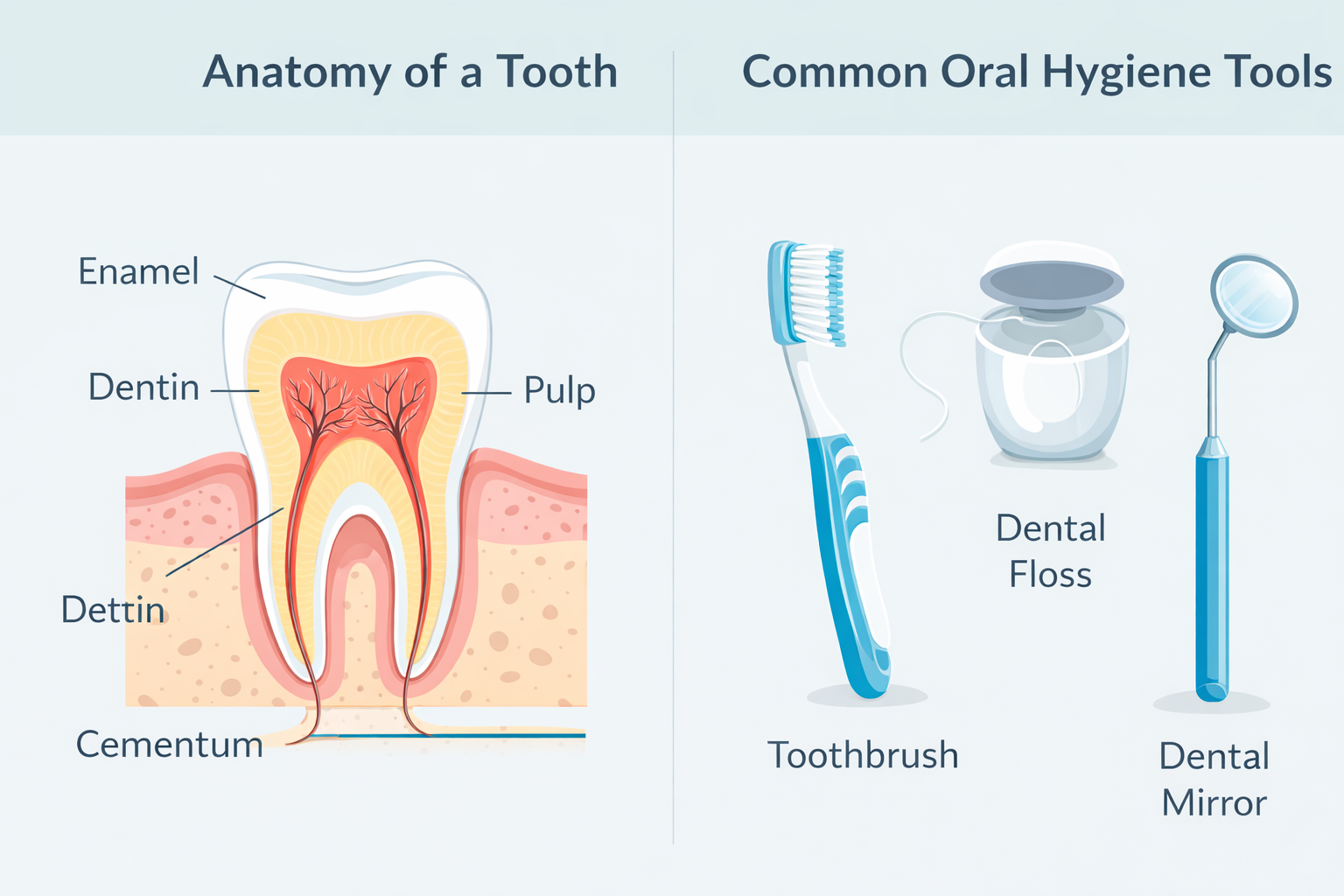
Visual diagram displaying tooth anatomy and commonly recognized oral hygiene tools.
Disclaimer
This article is for general informational and educational purposes only. It does not constitute professional medical, dental, or consumer purchasing advice. References to procedures, products, or clinics do not imply endorsement or guarantee of results. Readers are encouraged to consult licensed dental professionals and verified resources for oral health decisions.
by Ramil Villar | Mar 13, 2026 | Oral Hygiene Education
Fresh Breath and Gum Care: An Educational Overview
Understanding oral hygiene factors related to breath odor and gum health.
Fresh breath and gum care are topics frequently discussed in oral hygiene education. These subjects relate to the condition of oral bacteria, saliva balance, and the tissues that surround and support the teeth. In the Philippines, consumer health information and public health communication about oral care may fall under agencies such as the Department of Health (Philippines), the Food and Drug Administration Philippines, and the Department of Trade and Industry (Philippines) for consumer protection matters.
This article provides a neutral overview of how breath odor can occur, the structure and role of gum tissues, and commonly referenced oral hygiene practices discussed in dental education materials.
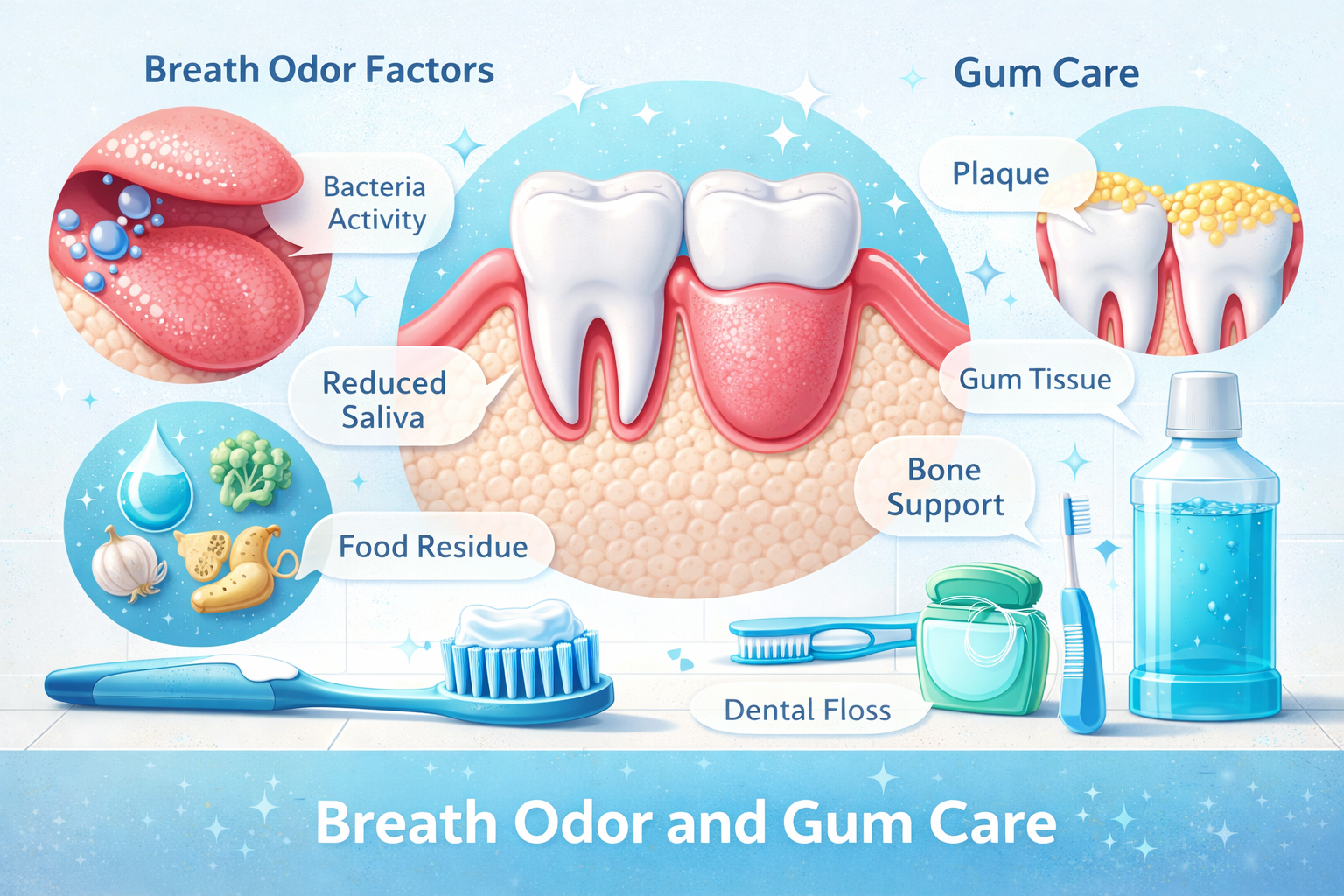
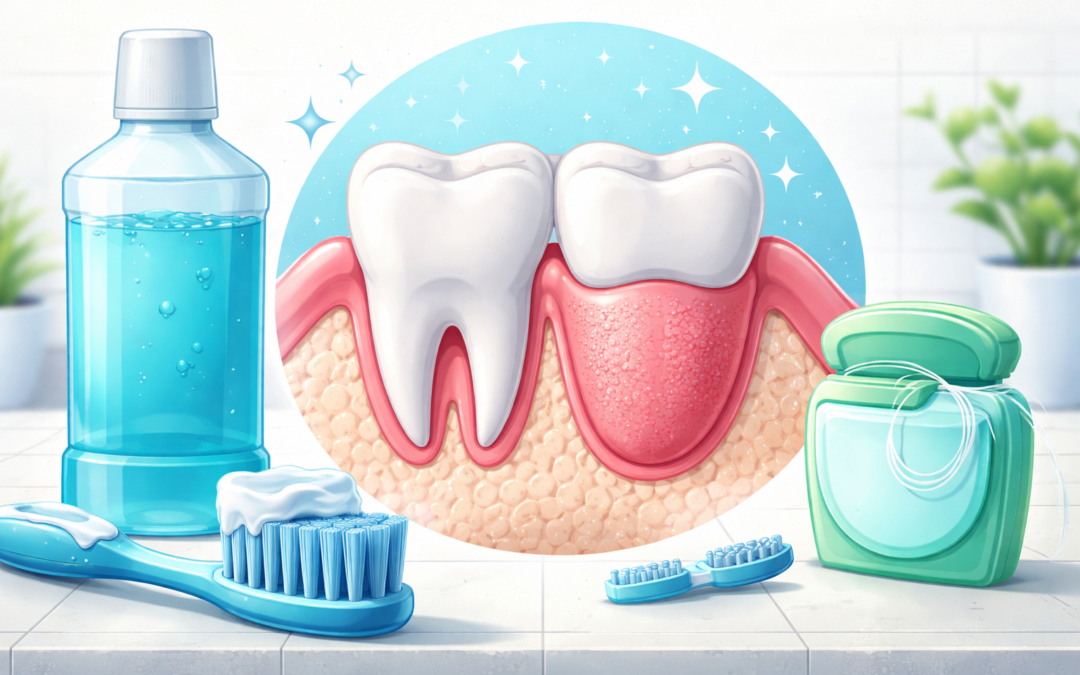
Diagram showing oral structures and commonly referenced oral hygiene tools.
Understanding Breath Odor
Breath odor is sometimes described in dental literature as Halitosis, a term used to refer to noticeable odors originating from the mouth. Various factors in the oral environment may contribute to this condition.
Bacterial Activity
Bacteria naturally exist in the mouth. When these microorganisms interact with food particles and organic materials, chemical compounds associated with odor may be produced.
Saliva Flow
Saliva helps rinse the mouth and move food particles toward digestion. Lower saliva levels may allow compounds associated with odor to remain in the mouth for longer periods.
Food Residues
Certain foods contain aromatic compounds that can remain temporarily in the oral cavity after eating.
Tongue Surface Conditions
The tongue contains small structures that can retain bacteria and particles, which may contribute to odor development.
Dental professionals may evaluate these factors during oral examinations when reviewing oral hygiene practices.
The Role of Gum Tissues
The gingiva, commonly referred to as gums, are soft tissues that surround and protect the teeth. These tissues help maintain the connection between teeth and the supporting bone.
In dental education materials, gum care discussions often relate to several structural and environmental aspects:
Plaque Formation
Plaque is a biofilm composed of bacteria and organic material that can accumulate along tooth surfaces and near the gum line.
Gum Tissue Appearance
Dental professionals may observe the color, shape, and texture of gum tissues during routine examinations.
Tooth Support Structures
Gums work together with connective tissue and bone to help stabilize teeth in the jaw.
Regular observation of gum conditions allows dental professionals to document changes in oral tissues over time.
Common Oral Hygiene Practices Discussed in Dental Education
Educational resources on oral hygiene often reference several routine practices associated with oral cleanliness:
Tooth Brushing
Brushing with a toothbrush and toothpaste is commonly used to remove plaque and debris from tooth surfaces.
Interdental Cleaning
Tools such as dental floss or interdental brushes are sometimes used to clean spaces between teeth.
Tongue Cleaning
Some individuals clean the surface of the tongue using a toothbrush or specialized tongue-cleaning tools.
Mouth Rinsing
Mouth rinses are sometimes included in oral hygiene routines. Formulations may vary among manufacturers.
Dental Observation Visits
Dental professionals may perform examinations to observe oral tissues and document changes across visits.
These practices are widely referenced in oral health awareness materials and dental education programs.
Hypothetical Example
In a hypothetical situation, an individual attends periodic dental checkups. During these visits, the dentist observes the condition of the teeth, gums, and tongue surface and records notes about plaque presence or gum appearance. Over time, this documentation allows the dental professional to monitor patterns in oral hygiene conditions.
This example illustrates how observation and recordkeeping are used in dental care settings.
Context and Background
In dental research and public health education, oral hygiene discussions often focus on the interaction between bacteria, saliva, food particles, and oral tissues. These elements are part of the natural oral environment.
Consumer protection and medical communication standards encourage accurate and non-misleading information about dental procedures and oral care topics. Public health resources typically emphasize educational explanations of oral hygiene concepts rather than promotional claims.
Organizations such as the World Health Organization and dental research groups including the International Association for Dental Research publish materials related to oral health awareness and dental science.
FAQ
What is halitosis?
Halitosis is a term used in dental literature to describe noticeable breath odor originating from the mouth. It may involve multiple factors within the oral environment.
What are gums in the mouth?
Gums, also known as gingiva, are soft tissues that surround teeth and help protect the underlying bone structures.
What tools are commonly associated with oral hygiene routines?
Common tools referenced in oral hygiene education include toothbrushes, toothpaste, dental floss, interdental brushes, and mouth rinses.
Trusted Sources
- Department of Health (Philippines) — Oral Health Program
- Food and Drug Administration Philippines consumer health advisories
- World Health Organization oral health resources
- International Association for Dental Research publications
- Peer-reviewed dental journals and academic dental textbooks
Disclaimer
This article is for general informational and educational purposes only. It does not constitute professional medical, dental, or consumer purchasing advice. References to procedures, products, or clinics do not imply endorsement or guarantee of results. Readers are encouraged to consult licensed dental professionals and verified resources for oral health decisions.