by Ramil Villar | Mar 14, 2026 | Oral Hygiene Education
Affordable Oral Hygiene and Fresh Breath: An Educational Overview
General information on daily oral hygiene practices and commonly available tools that support oral cleanliness.
Oral hygiene refers to daily practices that help maintain cleanliness in the mouth, including the teeth, gums, and tongue. These practices are commonly discussed in public health education and dental care resources. Health guidance in the Philippines is supported by institutions such as the Department of Health Philippines and the Food and Drug Administration Philippines, which provide information on safe health products and preventive care. This article provides a neutral overview of oral hygiene routines, factors related to breath freshness, and commonly used hygiene tools.
Understanding Oral Hygiene
Oral hygiene involves maintaining the cleanliness of structures in the mouth. These structures include:
- Teeth, which assist in chewing and speech
- Gums, which support and protect tooth roots
- Tongue, which can retain food particles and oral bacteria
- Saliva, which helps rinse the mouth and supports oral balance
Dental education materials often describe oral hygiene as a routine that reduces the accumulation of food debris and microbial biofilm, sometimes called dental plaque.
Factors Related to Breath Freshness
Breath odor can have several possible causes. Educational dental sources commonly mention the following contributing factors:
- Food particles remaining in the mouth
- Oral bacteria that produce odor-causing compounds
- Dry mouth conditions that reduce saliva flow
- Accumulation on the tongue surface
- Certain foods and beverages
These factors are discussed in dental literature as part of general oral health awareness. Breath characteristics can vary among individuals and may also relate to broader health conditions.
Common Oral Hygiene Tools
Public health education often references several tools used in routine oral hygiene. Availability and cost may vary by location and brand.
Toothbrush
Manual toothbrushes are widely used for mechanical cleaning of teeth and gum areas.
Fluoride Toothpaste
Toothpaste formulations commonly include fluoride, which is studied in dental research for its role in tooth enamel protection.
Dental Floss or Interdental Cleaners
These tools are designed to reach spaces between teeth that may not be easily reached by a toothbrush.
Tongue Cleaners
Tongue-cleaning tools are sometimes used to remove surface debris from the tongue.
Alcohol-free Mouth Rinses
Some oral rinses are formulated to help rinse residual particles from the mouth. Product formulations vary.
The presence of these tools in dental care discussions does not imply necessity for all individuals. Dental professionals may provide individualized guidance.
Affordable Access to Oral Hygiene Tools
In many communities, oral hygiene products are available through pharmacies, supermarkets, and community health programs. Public health campaigns may encourage access to basic oral care supplies as part of preventive health awareness.
Price ranges can vary depending on product type, brand, and retail location. Government and school-based health programs sometimes distribute oral hygiene materials for educational purposes.
Context: Preventive Dental Care in Public Health
Preventive oral health education is commonly promoted in many countries, including the Philippines. Health authorities and dental associations often encourage regular hygiene routines as part of broader preventive care strategies.
Regulatory frameworks such as the Consumer Act of the Philippines (RA 7394) also address consumer protection and product transparency. In addition, health product oversight may involve agencies such as the Food and Drug Administration Philippines, which regulates certain consumer health products.
These regulatory systems aim to support accurate product information and consumer awareness.
FAQ
What is oral hygiene?
Oral hygiene refers to daily practices that maintain cleanliness of the mouth, including the teeth, gums, and tongue. These routines are commonly discussed in dental education materials.
What factors can influence breath odor?
Breath odor may be influenced by oral bacteria, retained food particles, dry mouth, or tongue coating. Dental literature describes several possible contributing factors.
What tools are commonly used for oral hygiene?
Common tools include toothbrushes, toothpaste, dental floss, tongue cleaners, and oral rinses. Availability and product types vary across markets.
Trusted Sources
- Department of Health Philippines
- Food and Drug Administration Philippines
- World Health Organization
- American Dental Association
- Peer-reviewed dental research journals
Disclaimer
This article is for general informational and educational purposes only. It does not constitute professional medical, dental, or consumer purchasing advice. References to procedures, products, or clinics do not imply endorsement or guarantee of results. Readers are encouraged to consult licensed dental professionals and verified resources for oral health decisions.
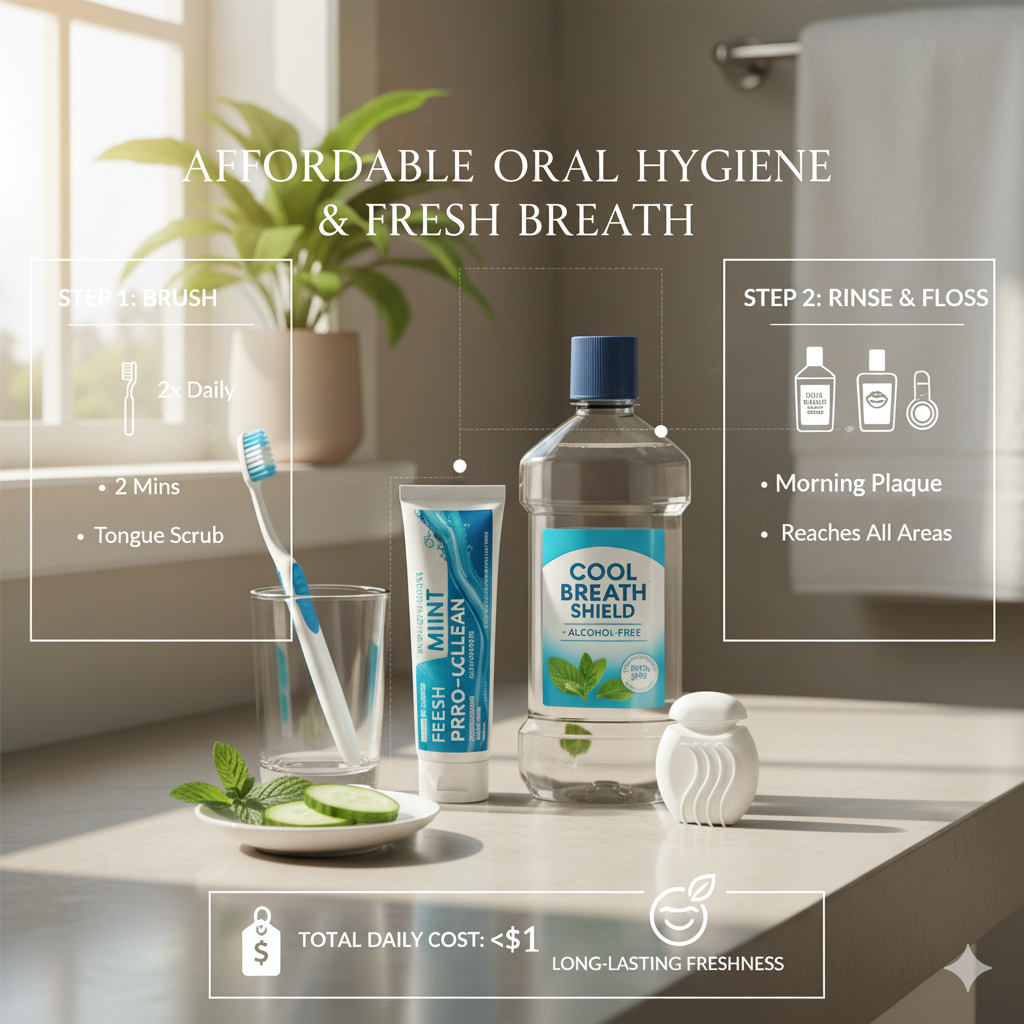
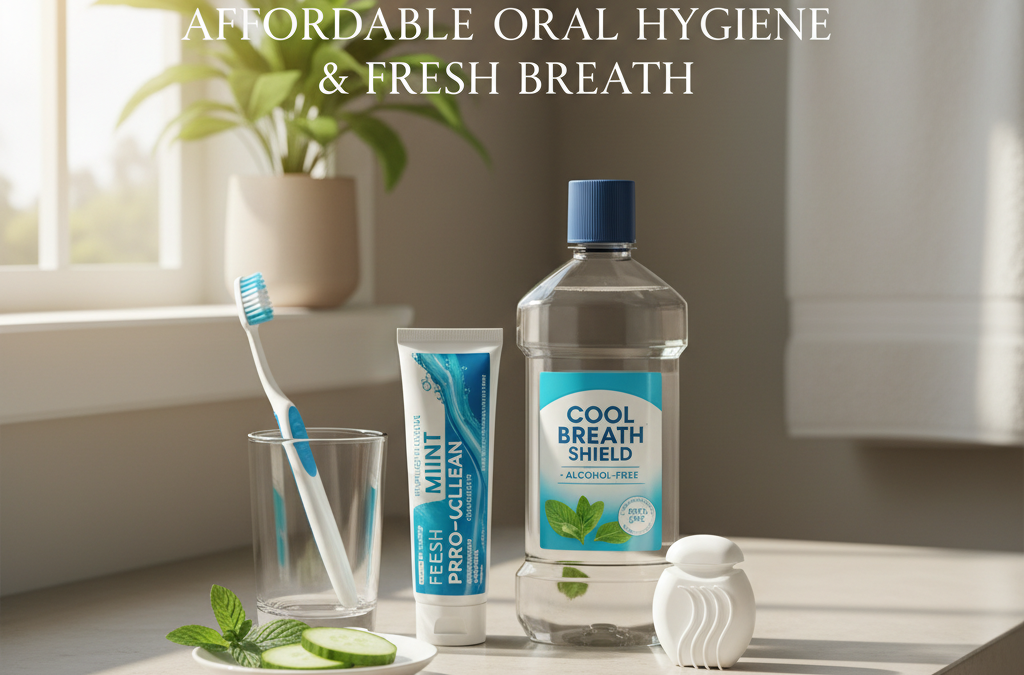
Illustrated layout of oral hygiene tools and routine steps.

by Ramil Villar | Mar 14, 2026 | Oral Hygiene Education
Understanding Oral Hygiene Practices During Warmer Months: An Educational Overview
General information about oral hygiene habits and environmental factors that may affect dental care routines.
Warmer weather can influence daily routines, including hydration, food choices, and outdoor activities. These changes may also affect oral hygiene practices. This article provides a neutral overview of common dental hygiene habits that people maintain during warmer months, along with general information about oral health structures and preventive care. Regulatory bodies such as the Department of Health and the Food and Drug Administration provide public guidance on consumer safety and health information, including dental care awareness.
Tooth and Oral Anatomy: Basic Overview
Human teeth and oral tissues perform several functions, including chewing food, supporting speech, and maintaining oral structure.
A typical tooth consists of several layers:
- Enamel – The outer mineralized surface that protects the tooth.
- Dentin – A layer beneath enamel that contains microscopic tubules.
- Pulp – The inner soft tissue that contains nerves and blood vessels.
- Cementum – A layer covering the root surface that helps anchor the tooth.
Other oral structures include the gums (gingiva), tongue, and salivary glands. Saliva helps moisten the mouth and assists with digestion.
Environmental and Routine Factors During Warmer Months
Changes in daily habits during warm seasons may influence oral hygiene routines. These factors vary among individuals and environments.
Examples include:
- Increased hydration: Higher temperatures may lead people to drink more fluids. Some beverages contain sugars or acids, which can interact with tooth surfaces.
- Dietary changes: Seasonal fruits and cold drinks may become more common in daily meals.
- Outdoor activities: Travel or outdoor events may change brushing schedules or access to oral hygiene tools.
These factors do not affect everyone in the same way, but they can influence how individuals manage daily oral care.
Common Oral Hygiene Practices
Dental health organizations generally describe oral hygiene routines as a combination of daily habits and periodic professional care.
Examples of commonly discussed practices include:
- Tooth brushing: Often performed using a soft-bristled toothbrush and toothpaste to remove food particles and plaque.
- Flossing or interdental cleaning: Tools designed to clean spaces between teeth where toothbrush bristles may not reach.
- Rinsing: Some people use mouth rinses as part of their hygiene routine.
- Professional dental cleaning: Dental professionals may perform procedures such as prophylaxis to remove hardened deposits.
These practices are widely referenced in educational materials from dental associations and health agencies.
Hypothetical Example
Consider a hypothetical situation in which an individual spends more time outdoors during warmer weather. Because of travel or changes in daily schedules, the person may carry portable oral hygiene items such as a travel toothbrush or floss. In this example, the adjustment reflects a routine change rather than a specific treatment or health outcome.
Context: Preventive Dental Care
In dental research and public health education, preventive care refers to practices that aim to maintain oral health and monitor potential issues. Preventive approaches often include routine hygiene habits, dental checkups, and awareness of factors that may influence oral conditions.
Consumer protection laws, such as the Consumer Act of the Philippines, also address the accuracy of health-related advertising and information presented to the public. These regulations aim to reduce misleading claims about health products or treatments.
FAQ
What is oral hygiene?
Oral hygiene refers to daily practices intended to maintain cleanliness of the teeth, gums, and mouth. These practices commonly include brushing, interdental cleaning, and routine monitoring of oral conditions.
What is dental prophylaxis?
Dental prophylaxis is a professional cleaning procedure performed by a licensed dental professional. It generally involves removing plaque, stains, and hardened deposits from tooth surfaces.
What tools are commonly used for oral hygiene?
Commonly referenced tools include toothbrushes, dental floss, interdental brushes, and mouth rinses. These items are designed to assist with cleaning teeth and maintaining oral hygiene routines.
Trusted Sources
- Department of Health — Public health advisories and oral health awareness materials
- Food and Drug Administration — Consumer safety guidance for health products
- World Health Organization — Oral health information and research publications
- FDI World Dental Federation — Global dental education resources
Disclaimer:
This article is for general informational and educational purposes only. It does not constitute professional medical, dental, or consumer purchasing advice. References to procedures, products, or clinics do not imply endorsement or guarantee of results. Readers are encouraged to consult licensed dental professionals and verified resources for oral health decisions.
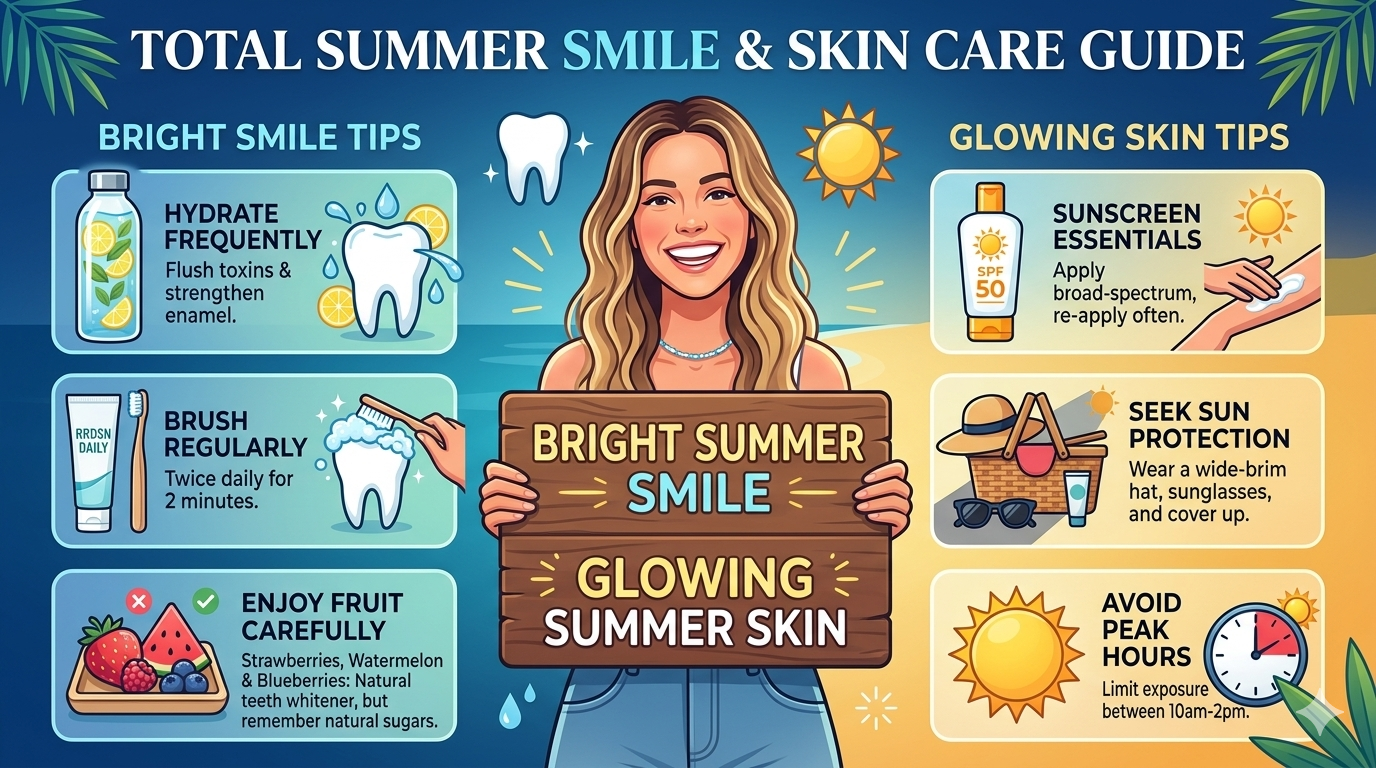
Visual layout presenting oral hygiene routines and seasonal lifestyle patterns during summer.
by Ramil Villar | Mar 14, 2026 | Oral Hygiene Education
Understanding Preventive Dental Care and Cosmetic Tooth Whitening: An Educational Overview
An informational guide describing preventive oral health practices and general concepts related to cosmetic tooth whitening.
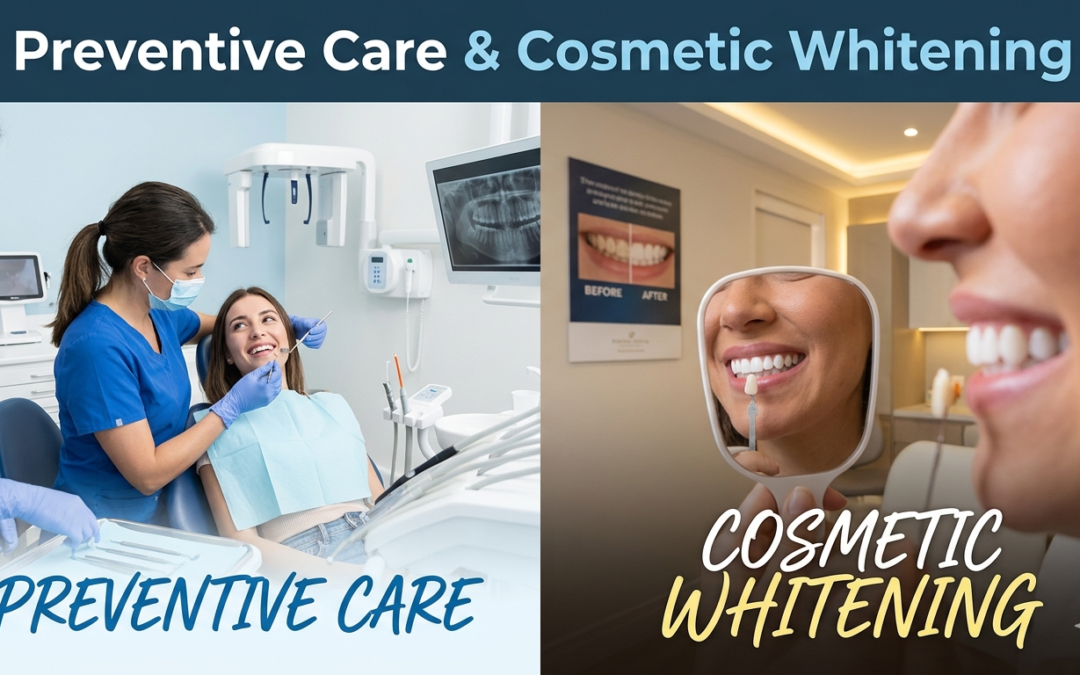
Preventive dental care refers to routine practices that aim to maintain oral health and reduce the likelihood of dental disease. Cosmetic tooth whitening, sometimes referred to as dental bleaching, is a dental procedure intended to lighten the color of natural teeth. In the Philippines, oral health information and certain dental-related products may fall under the guidance of the Department of Health (Philippines) and regulatory oversight from the Food and Drug Administration Philippines for consumer products. This article provides an educational overview of preventive oral health practices while also explaining general concepts related to cosmetic tooth whitening procedures.
Preventive Dental Care in Oral Health
Preventive dental care focuses on maintaining the health of teeth, gums, and surrounding oral structures. These practices are commonly incorporated into daily oral hygiene routines and periodic professional dental evaluations.
Common elements of preventive care may include:
- Daily oral hygiene practices such as tooth brushing and cleaning between teeth using dental floss or similar tools
- Professional dental examinations that evaluate oral structures, including teeth and gum tissue
- Professional cleaning procedures, sometimes called prophylaxis, which remove plaque and tartar from tooth surfaces
- Monitoring of oral conditions such as cavities, gum inflammation, or enamel wear
Preventive care aims to identify potential oral health concerns at an early stage. During routine examinations, dental professionals may also document tooth condition, gum health, and bite alignment to track changes over time.
Overview of Cosmetic Tooth Whitening
Cosmetic tooth whitening refers to procedures intended to lighten the shade of natural tooth enamel. Whitening approaches may be performed in a professional dental setting or involve consumer products designed for at-home use.
These methods commonly involve peroxide-based whitening agents that interact with pigments present in the enamel and dentin layers of the tooth. The process aims to reduce the appearance of discoloration that may develop over time.
Tooth discoloration can occur due to several factors, including:
- Natural aging of enamel
- Exposure to certain foods and beverages
- Tobacco use
- Certain medications or medical conditions
- Accumulation of surface stains
Whitening procedures vary in formulation, ingredient concentration, and method of application. Dental professionals may evaluate whether whitening is appropriate in specific cases based on individual oral health conditions.
Relationship Between Preventive Care and Whitening
Preventive dental care and cosmetic whitening serve different purposes in discussions about oral health.
Preventive care focuses on maintaining oral health and monitoring dental conditions. In contrast, cosmetic whitening relates to changes in the appearance of tooth color. Preventive routines are often recommended before considering cosmetic procedures because they help ensure that teeth and gums are examined and properly documented.
During evaluation, dental professionals may assess factors such as:
- The presence of cavities
- Gum health
- Enamel condition
- Existing dental restorations, such as fillings or crowns
These factors may influence whether whitening procedures are considered appropriate or whether they should be postponed.
Context: Tooth Color and Dental Research
In dental research, tooth color is influenced by both intrinsic and extrinsic factors. Intrinsic discoloration originates within the internal structure of the tooth, while extrinsic staining develops on the outer enamel surface.
Preventive oral hygiene routines typically aim to manage plaque accumulation and surface staining. Professional dental cleaning may remove certain external stains, while intrinsic discoloration may require different cosmetic approaches to alter tooth color.
Consumer protection laws in the Philippines, including the Consumer Act of the Philippines (RA 7394), regulate product labeling and advertising practices to help prevent misleading claims related to health or cosmetic outcomes.
FAQ (Educational Overview)
What is preventive dental care?
Preventive dental care refers to routine practices intended to maintain oral health and monitor the condition of teeth and gums. It typically includes daily oral hygiene habits and periodic dental examinations.
What is cosmetic tooth whitening?
Cosmetic tooth whitening is a procedure designed to lighten the shade of natural teeth. It usually involves chemical agents that interact with pigments responsible for tooth discoloration.
Are whitening procedures part of preventive care?
Whitening procedures are generally considered cosmetic rather than preventive. Preventive care focuses on maintaining oral health, while whitening addresses changes in tooth color appearance.
Trusted Sources
- Department of Health (Philippines) — Oral health information and public health guidance
- Food and Drug Administration Philippines — Consumer product regulation and safety advisories
- American Dental Association — Educational resources on oral health and dental procedures
- World Health Organization — Global oral health research and policy references
Disclaimer
This article is provided for general informational and educational purposes only. It does not constitute professional medical, dental, or consumer purchasing advice. References to procedures, products, or clinics do not imply endorsement or guarantee of outcomes. Readers are encouraged to consult licensed dental professionals and verified resources when making oral health decisions.
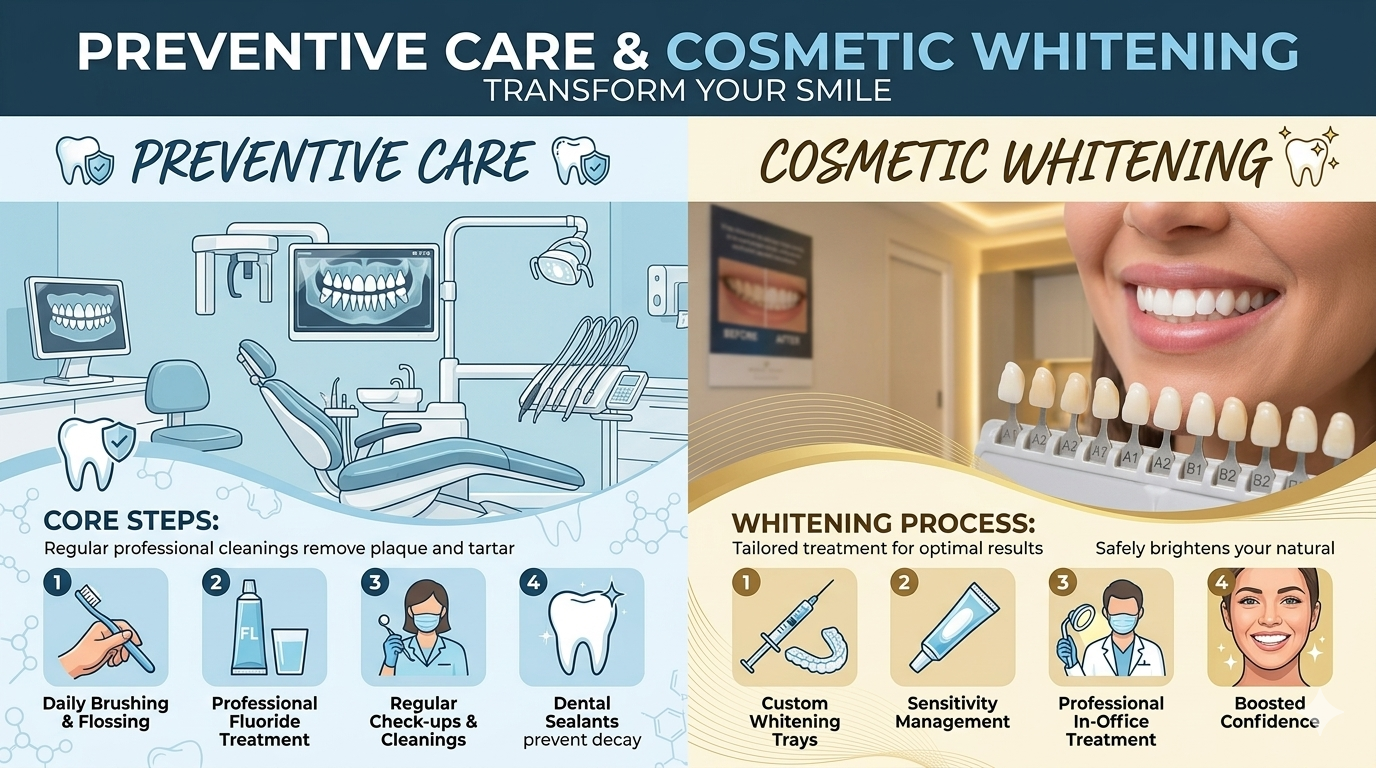
Visual diagram presenting oral hygiene practices alongside a tooth color reference scale.
by Ramil Villar | Mar 14, 2026 | Oral Hygiene Education
Understanding Dental Cleanliness and Cosmetic Dental Practices: An Educational Overview
A neutral introduction to oral hygiene routines and commonly discussed cosmetic dental procedures.
Dental cleanliness refers to routine practices that aim to maintain oral hygiene and reduce the accumulation of plaque and debris on teeth and gums. Cosmetic dental practices generally describe dental procedures that focus on the visual appearance of teeth and gums. This article provides a neutral educational overview of oral hygiene habits, common dental cleaning approaches, and examples of cosmetic dental procedures as discussed in dental literature and public health guidance. In the Philippines, oral health information is commonly supported by guidance from institutions such as the Department of Health and professional dental organizations.
Dental Cleanliness and Oral Hygiene
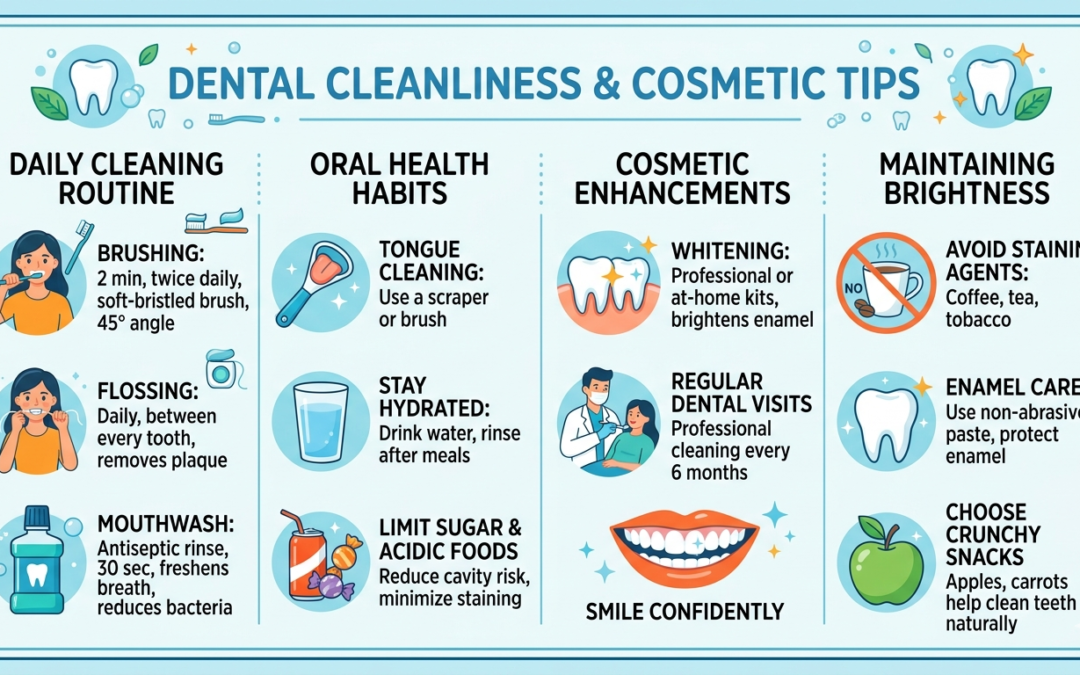
Dental cleanliness typically involves daily hygiene practices and periodic professional dental care. Oral hygiene routines are intended to reduce the presence of food particles, bacteria, and plaque on tooth surfaces and along the gum line.
Common components of oral hygiene routines may include:
- Toothbrushing: Cleaning teeth with a toothbrush and toothpaste to remove plaque and debris from tooth surfaces.
- Interdental cleaning: Use of dental floss or similar tools to remove particles between teeth.
- Mouth rinsing: Some individuals use oral rinses as part of a hygiene routine.
- Professional dental cleaning: Dental practitioners may perform procedures such as scaling or prophylaxis to remove hardened deposits from teeth.
These practices are often described in preventive dental care literature as part of general oral health maintenance.
Overview of Cosmetic Dental Procedures
Cosmetic dentistry refers to procedures that address the appearance of teeth, gums, or bite alignment. Dental literature describes several types of cosmetic procedures that may be discussed in dental clinics. Availability and suitability may vary depending on individual dental conditions.
Examples commonly referenced include:
- Teeth whitening procedures: Methods designed to lighten the color of teeth using chemical agents or specialized dental products.
- Dental veneers: Thin coverings placed on the front surface of teeth to alter visible tooth characteristics.
- Dental bonding: A resin material applied to a tooth surface for structural or aesthetic modification.
- Orthodontic treatments: Systems such as braces or aligners that gradually reposition teeth.
Dentists typically evaluate dental structure, gum condition, and oral health status before discussing whether certain procedures are appropriate for a specific case.
Hypothetical Case Example
In dental education materials, hypothetical examples are sometimes used to illustrate how different oral care approaches may be considered.
For instance, a person may visit a dental clinic for routine examination and cleaning. During the consultation, the dental practitioner might document plaque buildup, gum condition, and tooth alignment. Based on these findings, the practitioner may explain various oral hygiene practices and describe possible dental procedures that are available for certain concerns. The final decision regarding treatment is typically made through consultation between the patient and a licensed dental professional.
Context and Background
In dental research and professional practice, preventive oral care is often emphasized as part of general health maintenance. Oral hygiene practices have been studied for their role in reducing plaque accumulation and supporting gum health.
Consumer protection standards and medical advertising regulations in many jurisdictions, including the Philippines, encourage dental information to avoid exaggerated claims about cosmetic results or guaranteed outcomes. Educational resources therefore often focus on describing procedures, their purposes, and their general processes without promising specific aesthetic results.
FAQ
What is preventive dental care?
Preventive dental care refers to oral hygiene practices and professional dental services intended to help maintain teeth and gum health. Examples include toothbrushing, interdental cleaning, routine dental examinations, and professional cleaning.
What is dental prophylaxis?
Dental prophylaxis is a professional cleaning procedure performed by dental practitioners. It involves removing plaque, stains, and hardened deposits from tooth surfaces.
What tools are commonly used for oral hygiene?
Common oral hygiene tools include toothbrushes, dental floss, interdental brushes, and oral rinses. These tools are designed to help remove debris and plaque from teeth and surrounding areas.
Trusted Sources
- Department of Health (Philippines) – Oral Health Programs
- World Health Organization (WHO) – Oral Health Resources
- International Association for Dental Research (IADR)
- American Dental Association – Oral Health Education Materials
- Peer-reviewed journals in dental research and preventive dentistry
Disclaimer
This article is for general informational and educational purposes only. It does not constitute professional medical, dental, or consumer purchasing advice. References to procedures, products, or clinics do not imply endorsement or guarantee of results. Readers are encouraged to consult licensed dental professionals and verified resources for oral health decisions.
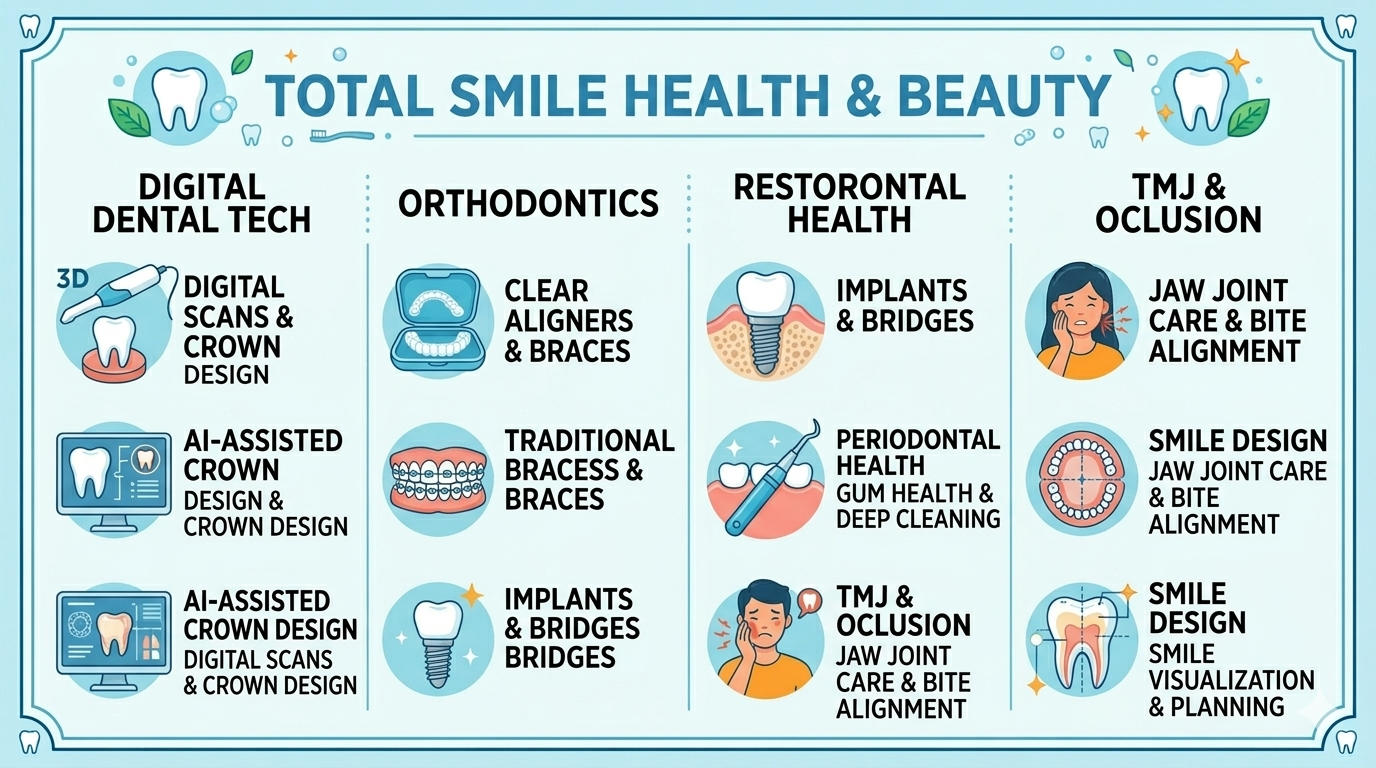
Infographic displaying tooth structure, oral hygiene tools, and cosmetic dental procedure illustrations.

by Ramil Villar | Mar 14, 2026 | Oral Hygiene Education
Understanding Seasonal Oral Hygiene Routines and Tooth Whitening Products: An Educational Overview
A neutral guide to oral hygiene practices and commonly discussed whitening approaches.
Seasonal themes such as “spring cleaning” are sometimes used in health and lifestyle discussions to describe routine maintenance activities. In the context of oral health, these themes may refer to reviewing daily hygiene habits or learning about products marketed for tooth whitening. This article provides a neutral overview of oral hygiene routines and commonly discussed whitening approaches, within the context of general dental education and consumer awareness.
Oral Hygiene Routines: General Practices
Oral hygiene routines refer to the daily practices used to maintain cleanliness of the teeth, gums, and oral tissues. These routines typically involve several activities that support basic dental hygiene.
Commonly described components of oral hygiene routines include:
Tooth Brushing
Brushing removes food particles and dental plaque from tooth surfaces. Toothbrushes may be manual or electric, and toothpaste formulations may contain ingredients designed for various oral care purposes.
Interdental Cleaning
Dental floss or interdental brushes are commonly used to clean spaces between teeth where toothbrush bristles may not reach easily.
Mouth Rinsing
Some oral care routines include mouth rinses designed for hygiene or breath freshness. Different formulations may exist for various oral care needs.
Routine Dental Visits
Dental professionals may perform examinations and cleaning procedures during scheduled visits. These appointments may also include assessments of gum health and overall oral condition.
Tooth Whitening Products: Educational Overview
Tooth whitening products are consumer oral care items designed to lighten the appearance of tooth surfaces. These products may be available in several formats.
Common categories include:
Whitening Toothpastes
Some toothpaste formulations contain mild abrasive or chemical ingredients intended to help remove surface stains.
Whitening Strips or Gels
Certain products contain peroxide-based ingredients applied to tooth surfaces for limited periods of time.
Professional Whitening Procedures
Licensed dental professionals may offer whitening treatments within a clinical setting. These procedures typically involve materials and methods applied under professional supervision.
It is important to note that individual outcomes and suitability may vary depending on dental conditions, existing restorations, and other oral health factors.
Hypothetical Example: Reviewing an Oral Hygiene Routine
Consider a hypothetical situation in which an individual decides to review their oral hygiene habits during a seasonal routine update. The person may examine the condition of their toothbrush, review brushing duration, and learn about additional oral care tools. In some cases, the individual may also read educational information about whitening products available in the consumer market.
This type of review is generally framed as a personal hygiene assessment rather than a guaranteed method of changing dental appearance.
Context: Oral Health Education and Consumer Awareness
Dental education often emphasizes preventive care and informed consumer choices. Under consumer protection and health communication standards, product information related to oral care is expected to avoid exaggerated claims and should clearly distinguish between educational information and professional dental advice.
In dental research and public health guidance, maintaining consistent hygiene practices is frequently discussed as a foundational element of oral health maintenance. Whitening products, meanwhile, are generally presented as optional cosmetic products whose effectiveness and suitability may vary among individuals.
FAQ
What is tooth whitening?
Tooth whitening refers to procedures or products designed to lighten the color of tooth surfaces. These methods may involve chemical agents or abrasive ingredients that target surface stains.
What are common oral hygiene tools?
Common tools include toothbrushes, toothpaste, dental floss, interdental brushes, and mouth rinses. These items are used in daily oral hygiene routines.
Are professional whitening procedures different from store-bought products?
Professional procedures are performed by licensed dental professionals and may involve different materials or application methods compared with consumer products available in stores.
Trusted Sources
- Philippine Department of Health (DOH) oral health advisories
- Philippine Dental Association educational resources
- World Health Organization oral health materials
- Peer-reviewed dental journals and academic dental textbooks
Disclaimer:
This article is for general informational and educational purposes only. It does not constitute professional medical, dental, or consumer purchasing advice. References to procedures, products, or clinics do not imply endorsement or guarantee of results. Readers are encouraged to consult licensed dental professionals and verified resources for oral health decisions.
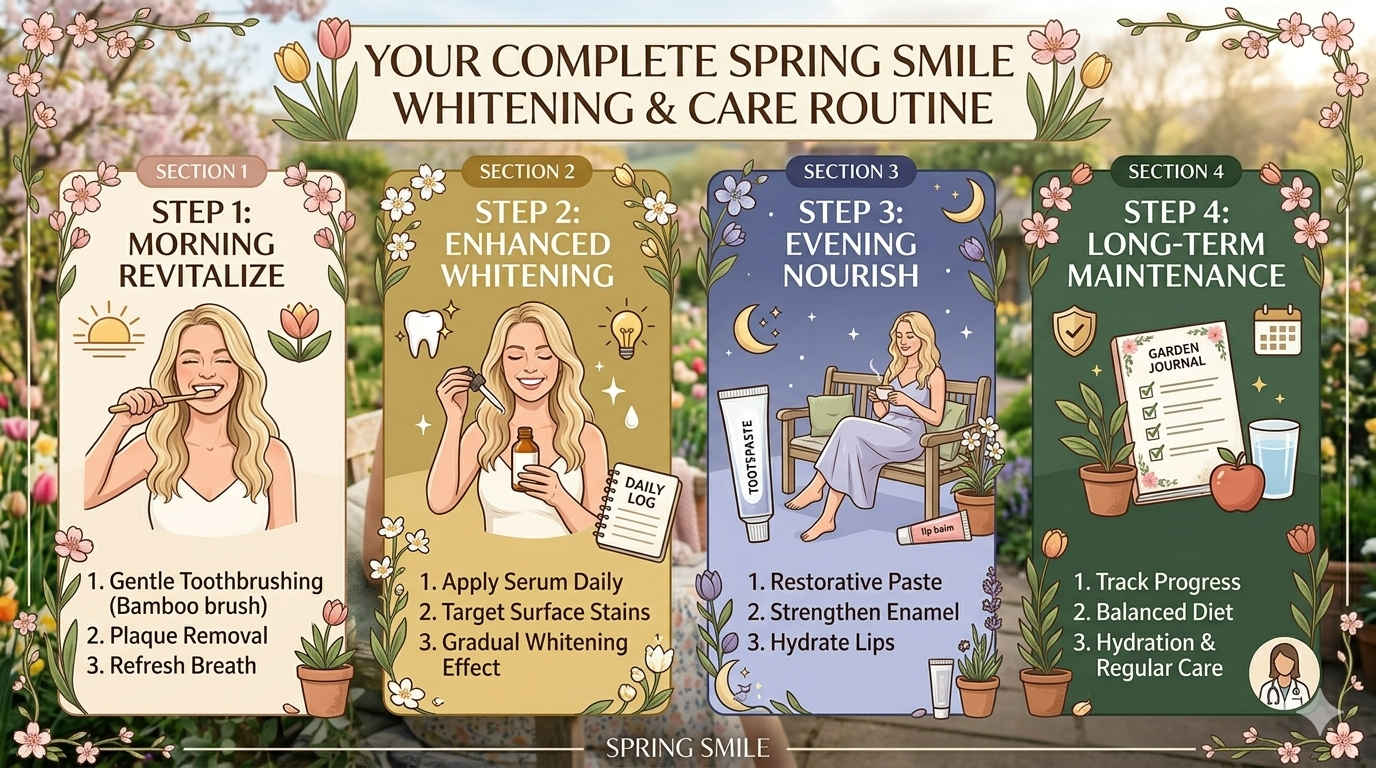
Illustrated overview of commonly available oral hygiene tools and whitening product formats.

by Ramil Villar | Mar 14, 2026 | Oral Hygiene Education
Understanding Natural Enzyme Toothpaste and Gum Care: An Educational Overview
A neutral explanation of enzyme-based oral hygiene products and their role in routine dental care.
Natural enzyme toothpaste is a type of oral hygiene product formulated with biological enzymes that participate in chemical reactions in the mouth. In dental science, enzymes are sometimes included in toothpaste formulations to support natural processes involved in saliva activity and oral cleanliness. This article explains what enzyme-based toothpaste is, how it is commonly described in dental literature, and how it relates to general gum care practices. References to oral care products are discussed in an informational context under consumer protection and health communication standards.
Tooth and Gum Structures in Oral Health
The human oral cavity contains several structures that interact during daily hygiene routines. Teeth are composed of enamel, dentin, and pulp, while surrounding tissues include the gingiva (gums), periodontal ligament, and alveolar bone. These tissues help stabilize teeth and participate in chewing and speech.
The mouth also contains saliva, a fluid that contributes to lubrication, digestion, and natural microbial balance. Saliva includes proteins and enzymes that interact with food particles and microorganisms present in the oral environment.
What Enzymes Are in Oral Care Contexts
Enzymes are biological molecules that help accelerate chemical reactions. In oral care discussions, enzymes such as lysozyme, lactoperoxidase, and glucose oxidase are sometimes referenced in scientific literature. These enzymes occur naturally in saliva and are part of the body’s biochemical systems.
Some toothpaste products are formulated with enzyme components intended to imitate or complement certain salivary processes. The inclusion of these ingredients is typically described in product documentation or ingredient lists. The presence of enzymes does not automatically determine clinical outcomes, and research continues regarding how different formulations interact with oral environments.
Enzyme Toothpaste Formulations
Toothpaste described as “natural enzyme” toothpaste often combines enzymes with common oral care ingredients such as mild abrasives, humectants, and flavoring agents. The label “natural” may refer to the origin of specific ingredients or marketing descriptions provided by manufacturers.
From a consumer awareness perspective, ingredient labels may list enzymes individually. In many jurisdictions, including the Philippines, oral care products are subject to regulatory oversight concerning labeling, ingredient disclosure, and consumer safety.
General Gum Care in Oral Hygiene
Gum care refers to practices that support the health of the gingival tissues. Oral hygiene routines described in dental education commonly include mechanical cleaning methods such as toothbrushing and interdental cleaning tools.
Dental literature frequently emphasizes the importance of maintaining regular hygiene habits and monitoring changes in gum condition, such as swelling, redness, or bleeding during brushing. These observations can help individuals determine when professional dental evaluation may be appropriate.
Hypothetical Example
In a hypothetical scenario, a consumer reviewing toothpaste options may notice that some products include enzyme ingredients in their formulation. The consumer may compare ingredient lists, review product documentation, and consult educational resources to understand the intended purpose of those ingredients. This type of evaluation is part of general consumer awareness when selecting oral hygiene products.
Context: Background in Dental Research and Regulation
In dental research, saliva’s natural enzyme systems have been studied for several decades. Researchers have examined how enzymes participate in microbial balance and biochemical reactions in the mouth.
Under consumer protection frameworks such as the Consumer Act of the Philippines (RA 7394), product labels and advertising materials are expected to avoid misleading claims. Health-related consumer products, including toothpaste, may also fall under regulatory guidance from the Department of Health (DOH) and the Food and Drug Administration Philippines (FDA Philippines) regarding labeling and safety standards.
Because of these standards, educational discussions about oral care products typically emphasize ingredient transparency and informed consumer evaluation.
FAQ
What is enzyme toothpaste?
Enzyme toothpaste refers to toothpaste formulations that include biological enzymes as ingredients. These enzymes may be similar to compounds naturally found in saliva and are described in product ingredient lists.
How are gums related to oral hygiene?
Gums, also called gingiva, are soft tissues that surround and support teeth. Their condition is often discussed in dental education as part of overall oral health monitoring.
What tools are commonly used in oral hygiene routines?
Oral hygiene routines commonly involve toothbrushes, toothpaste, and interdental cleaning tools such as floss or interdental brushes. Dental professionals may also use instruments for professional cleaning during routine dental visits.
Trusted Sources
- Philippine Department of Health (DOH) – Oral health advisories
- Food and Drug Administration Philippines (FDA) – Consumer product safety information
- World Health Organization (WHO) – Oral health resources
- FDI World Dental Federation – Educational materials on oral hygiene
- Peer-reviewed dental journals on saliva enzymes and oral microbiology
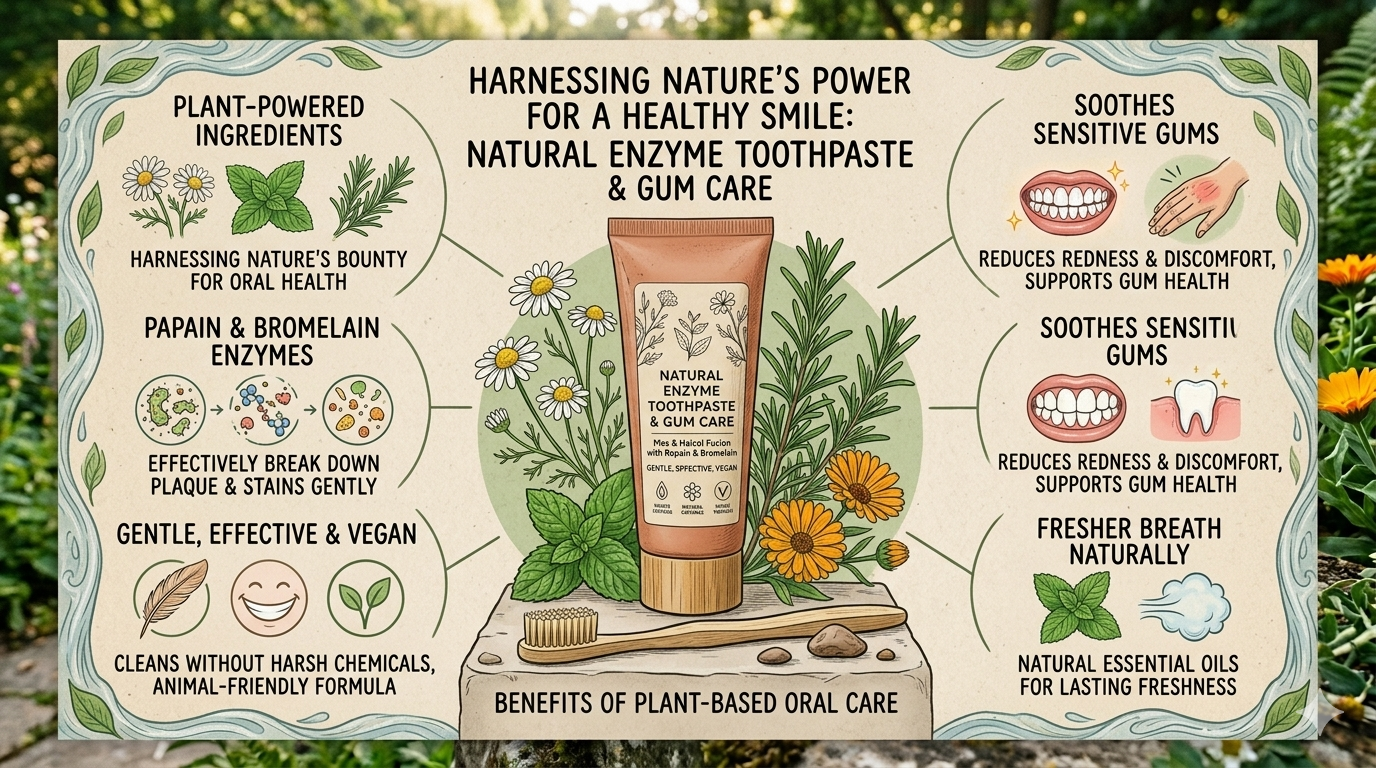
Illustrated layout presenting enzyme toothpaste ingredients and oral hygiene elements.
Disclaimer
This article is for general informational and educational purposes only. It does not constitute professional medical, dental, or consumer purchasing advice. References to procedures, products, or clinics do not imply endorsement or guarantee of results. Readers are encouraged to consult licensed dental professionals and verified resources for oral health decisions.