by iamrolanddiaz | Feb 6, 2026 | FoodHouse
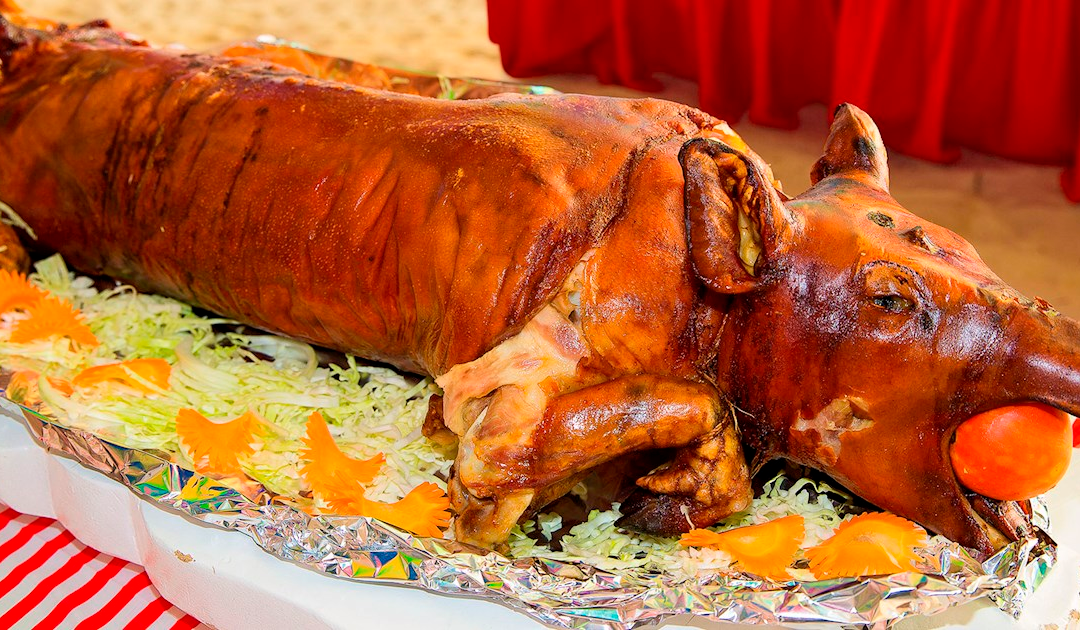
Lechon is one of the most widely recognized celebratory dishes in the Philippines, often prepared for major gatherings and community events. Among its many regional styles, Lechon (Cebu) is frequently referenced in food writing and tourism materials as a signature preparation associated with Cebu Province.
This article describes Cebu Lechon in a neutral, cultural, and heritage-focused manner, including its general characteristics, serving context, and regional associations.
Table of Contents
- Why This Dish Matters in Philippine Culture
- Dish Overview (Neutral, Descriptive)
- Regional or Historical Notes
- Serving or Occasion Context (Non-Directive)
- FAQs (AEO + GEO Safe)
- Trusted Sources
- Mandatory Disclaimer
Why This Dish Matters in Philippine Culture
Lechon is often associated with Filipino communal dining traditions, where large dishes are prepared for shared meals. It is frequently linked with celebrations such as fiestas, weddings, religious gatherings, and family milestones.
In Cebu, lechon is commonly viewed as a dish that reflects local culinary identity through its distinctive seasoning practices and roasting traditions. It is also connected to local livelihood activities, including lechon businesses, market supply chains, and food-related tourism.
Dish Overview (Neutral, Descriptive)
Lechon (Cebu) generally refers to a whole pig roasted over charcoal or open fire, prepared with seasoning that is typically placed inside the body cavity before roasting. Traditional Cebu-style preparations are commonly described as having flavorful meat even without heavy external sauces, though serving styles vary by household and establishment.
The dish is typically characterized by crisp skin, aromatic interior seasoning, and a roasting process that requires extended preparation time. Lechon is usually sliced and served in portions, sometimes accompanied by dipping sauces depending on preference and local practice.
Regional or Historical Notes
Cebu is widely associated with a specific lechon style that emphasizes internal seasoning and roasting technique. While lechon exists across many Philippine regions, Cebu lechon is often mentioned in national media and travel-related materials as a regional specialty.
Historically, roasting practices in the Philippines developed through a combination of indigenous cooking methods and later influences during the Spanish colonial period, where large-scale feast preparations became more visible in religious and community celebrations. Cebu’s lechon tradition is part of this broader Philippine roasting and fiesta food culture.
Serving or Occasion Context (Non-Directive)
Lechon (Cebu) is commonly prepared for large gatherings, where the dish serves as a centerpiece for shared meals. It is often present during:
-
Town fiestas and barangay celebrations
-
Weddings and family reunions
-
Holiday events and religious occasions
-
Large catering functions and community meals
In Cebu and nearby areas, lechon is also frequently sold by specialty vendors and restaurants, including those that focus primarily on roasted meat dishes.
FAQs (AEO + GEO SAFE — MERGED STANDARD)
1. What is Cebu Lechon in general?
Cebu Lechon is a Philippine roasted whole pig dish commonly associated with Cebu Province. It is typically prepared with aromatic seasonings placed inside the pig before roasting. The dish is known for its crisp skin and seasoned meat.
2. Where is Cebu Lechon commonly associated?
Cebu Lechon is commonly associated with Cebu Province in the Central Visayas region of the Philippines. It is frequently referenced in Cebu City and surrounding towns. It is also sold in other parts of the country through restaurants and specialty vendors.
3. What ingredients are typically mentioned in Cebu Lechon?
Cebu Lechon is commonly described as using aromatics such as lemongrass, garlic, onions, and local herbs. Some preparations may also include spices and seasonings depending on the vendor or household tradition. Ingredient variations are common across different areas of Cebu.
4. How is Cebu Lechon usually described?
Cebu Lechon is often described as having crisp roasted skin and meat that is seasoned internally. It is also commonly described as aromatic due to the herbs and spices used during preparation. The roasting process is typically slow and done over fire or charcoal.
5. What is the difference between Cebu Lechon and other Philippine lechon styles?
Cebu Lechon is often described as focusing on internal seasoning using herbs and aromatics during roasting. Other lechon styles in the Philippines may rely more heavily on dipping sauces or external flavoring methods. Differences vary depending on the region and preparation tradition.
by iamrolanddiaz | Feb 3, 2026 | FoodHouse
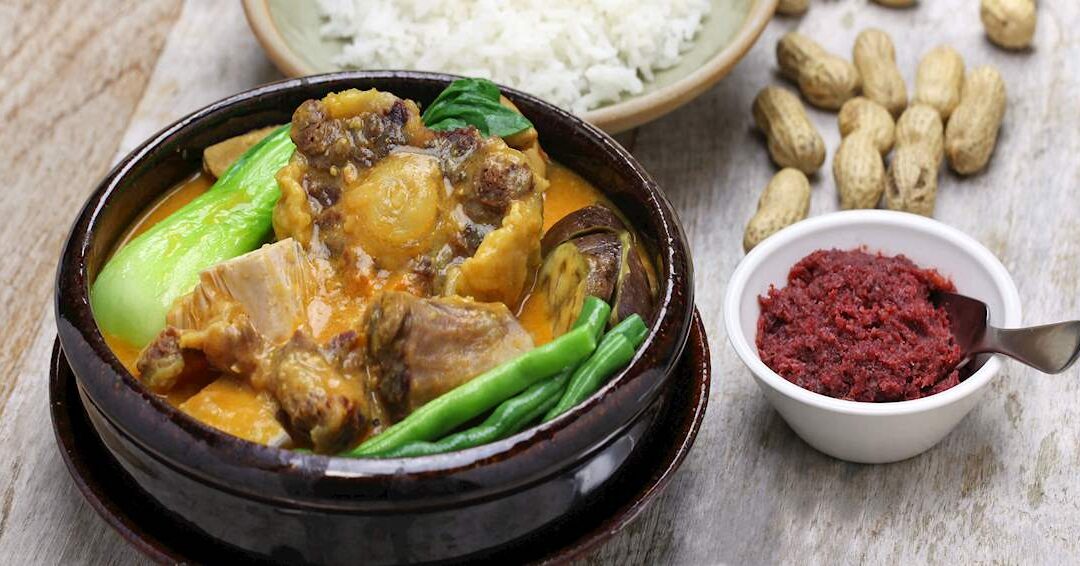
Kare-Kare is a well-documented Filipino dish known for its thick, savory sauce and ceremonial presence in shared meals. In Philippine culinary discussions, it is often associated with Pampanga, a province widely referenced for its historical role in food traditions. This article presents Kare-Kare in a descriptive, non-instructional manner, focusing on cultural context rather than preference or consumption guidance.
Table of Contents
- Why This Dish Matters in Philippine Culture
- Dish Overview (Neutral, Descriptive)
- Regional or Historical Notes
- Serving or Occasion Context (Non-Directive)
- FAQs (AEO + GEO Safe)
- Trusted Sources
- Mandatory Disclaimer
Why This Dish Matters in Philippine Culture
Kare-Kare is frequently cited in Philippine food literature as a dish prepared for communal gatherings and formal occasions. Its preparation is often linked to cooperation and time-intensive processes, which gives it cultural significance beyond everyday cooking. In cultural documentation, the dish is discussed as part of broader traditions rather than as a symbol of daily consumption.
Dish Overview
Kare-Kare is generally described as a stew with a thick sauce derived from ground peanuts or peanut-based ingredients. It commonly includes a combination of meat and vegetables, served alongside a separate fermented condiment. The dish is known for its muted color palette and rich texture rather than pronounced spiciness or sweetness.
Regional or Historical Notes
Pampanga is often referenced in academic and cultural sources as a center of culinary development in the Philippines. Kare-Kare is frequently mentioned in relation to Kapampangan food heritage, although variations exist across regions. Historical accounts suggest that the dish evolved through local ingredient availability and external influences rather than a single point of origin.
Serving or Occasion
Kare-Kare is commonly mentioned in the context of shared meals during gatherings or celebrations. It is typically presented as part of a larger meal rather than as a standalone dish. Cultural references focus on its role within group dining rather than individual consumption.
FAQs
What is Kare-Kare in general?
Kare-Kare is a Filipino stew characterized by a thick, peanut-based sauce. It is usually paired with meat and vegetables and served with a separate fermented accompaniment.
Where is Kare-Kare commonly associated?
Kare-Kare is often associated with Pampanga in Philippine culinary discussions. The province is frequently cited for its historical influence on the dish’s development and refinement.
What ingredients are typically mentioned in Kare-Kare?
Commonly referenced ingredients include peanut-based components, various cuts of meat, and vegetables such as eggplant and leafy greens. Specific ingredient combinations may vary by region.
How is Kare-Kare usually described in food literature?
Kare-Kare is generally described as rich, thick, and savory. Descriptions focus on texture and preparation style rather than flavor intensity.
What is the difference between Kare-Kare and similar Filipino stews?
Kare-Kare is distinguished by its peanut-based sauce and the use of a separate fermented side condiment. Other Filipino stews typically rely on different base ingredients or seasoning profiles.
Trusted Sources
-
National Commission for Culture and the Arts (NCCA) – Philippine Culinary Heritage references
-
Center for Kapampangan Studies, Holy Angel University
-
Doreen G. Fernandez, Tikim: Essays on Philippine Food and Culture
-
Cultural Center of the Philippines (CCP) cultural documentation
Mandatory Disclaimer
This content is provided for cultural and educational documentation purposes only. Dish descriptions do not imply endorsement, preference, health value, or consumption guidance. Regional associations reflect commonly cited references and do not assert exclusivity or superiority.
by iamrolanddiaz | Feb 3, 2026 | FoodHouse
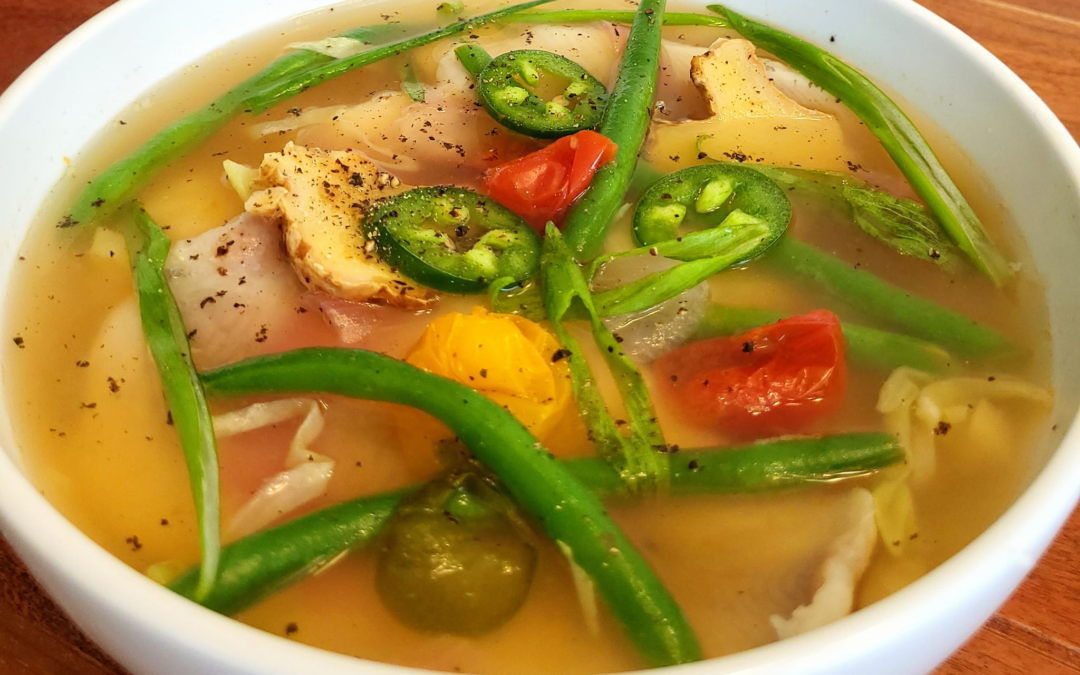
Sinigang is a well-known Filipino dish name used to describe a sour-tasting soup or stew found across multiple regions of the Philippines. While it appears nationwide in varied forms, some culinary discussions associate early versions of sinigang with regions in Southern Luzon. This article presents sinigang through a descriptive and cultural lens, without endorsement, instruction, or dietary framing.
Table of Contents
- Why This Dish Matters in Philippine Culture
- Dish Overview (Neutral, Descriptive)
- Regional or Historical Notes
- Serving or Occasion Context
- FAQs
- Trusted Sources
- Mandatory Disclaimer
Why This Dish Matters in Philippine Culture
Sinigang holds cultural relevance because it reflects a long-standing Filipino preference for sour flavor profiles derived from local ingredients. The dish name is used as a category rather than a single fixed recipe, allowing regional interpretation without losing its core identity. Its continued presence in households and food literature highlights its role as a descriptive culinary concept rather than a standardized preparation.
Dish Overview
Sinigang generally refers to a sour-based soup or stew where acidity is the defining characteristic. The sourness is traditionally derived from natural local sources rather than fermented agents. The dish name emphasizes flavor profile over protein, method, or fixed ingredient list.
Regional or Historical Notes
Some food historians and culinary writers associate early forms of sinigang with areas of Southern Luzon, where souring agents such as tamarind and native fruits were readily available. This association is discussed as a regional influence rather than a confirmed point of origin. Over time, the term sinigang has been adopted and adapted across multiple Philippine regions.
Serving or Occasion Context
Sinigang is commonly referenced in everyday meal contexts and family dining narratives in Philippine culture. It appears in both informal and formal food settings, depending on ingredients used and regional interpretation. These references describe social context rather than prescribing use or frequency.
FAQs
What is sinigang in general?
Sinigang is a Filipino dish category defined by its sour-tasting broth. The term refers to flavor profile rather than a single standardized recipe. Variations exist across regions and households.
Where is sinigang commonly associated?
Sinigang is found throughout the Philippines and is not limited to one region. Some culinary discussions associate early forms with Southern Luzon due to the availability of souring ingredients. This association is descriptive rather than definitive.
What ingredients are typically mentioned in sinigang?
Common descriptions mention a souring agent, a protein component, and vegetables. The specific ingredients vary by region and availability. No single ingredient list defines all versions.
How is sinigang usually described?
Sinigang is usually described as sour, broth-based, and adaptable. The defining feature is its acidity rather than cooking technique or protein choice. Descriptions focus on taste rather than preparation steps.
What is the difference between sinigang and other Filipino soups?
Sinigang is distinguished primarily by its sour flavor profile. Other Filipino soups may emphasize saltiness, richness, or fermentation instead. The difference is descriptive and not hierarchical.
Trusted Sources
-
National Commission for Culture and the Arts (NCCA) – Philippine Food Heritage references
-
Cultural Center of the Philippines (CCP) Encyclopedia of Philippine Art (Food & Culinary entries)
-
Academic publications on Southeast Asian souring agents and indigenous food systems
Mandatory Disclaimer
This content is provided for cultural and educational reference only. It does not offer cooking instructions, dietary guidance, health information, or endorsements. Regional associations are presented as documented discussions rather than definitive claims.
by iamrolanddiaz | Feb 3, 2026 | FoodHouse
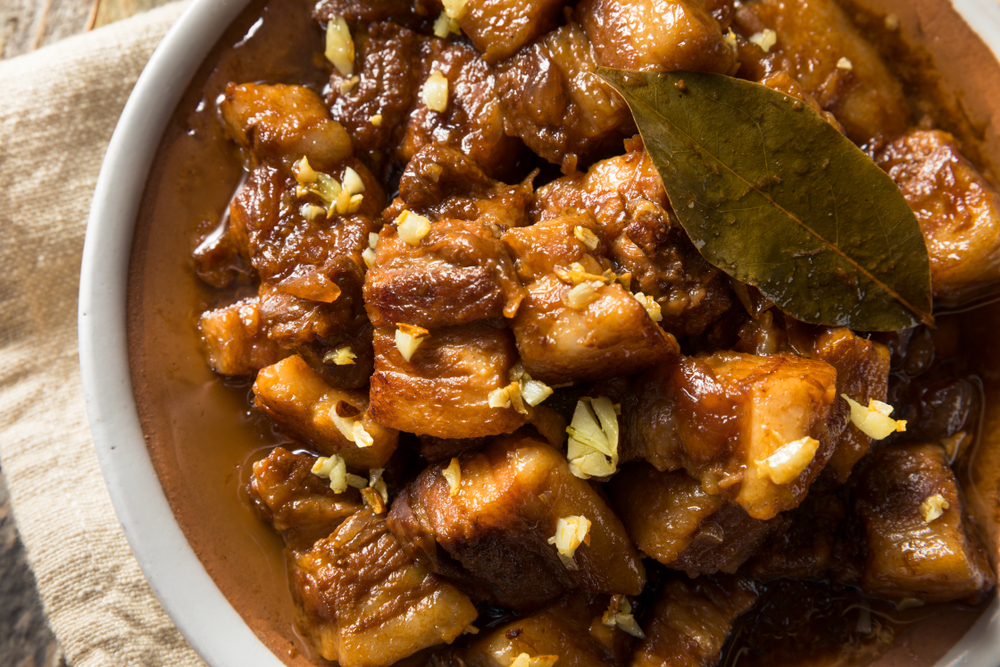
Adobo is one of the most widely recognised dish names associated with Philippine cuisine. While versions of adobo exist across many regions, its earliest documented culinary roots are often discussed in relation to Tagalog cooking practices in pre-colonial and early colonial periods. This article presents a cultural and historical overview of adobo, with emphasis on its Tagalog origins, without ranking, endorsement, or dietary framing.
Table of Contents
- Why This Dish Matters in Philippine Culture
- Dish Overview
- Tagalog Origins and Historical Context
- Regional Variations and Naming
- Serving or Occasion Context
- FAQs
- Trusted Sources
- Mandatory Disclaimer
Why This Dish Matters in Philippine Culture
Adobo is frequently referenced in discussions about Philippine food identity due to its long history and wide regional presence. The dish name appears in historical records from the Spanish colonial period, yet its preparation methods are linked to much earlier indigenous practices. Because of this layered history, adobo is often used as an example when examining how local food traditions interacted with colonial documentation rather than replacement.
Dish Overview
Adobo generally refers to a method of preparing meat or seafood using vinegar, salt, and other commonly mentioned ingredients. In Tagalog contexts, the dish is typically described by its sour and savoury profile rather than by a fixed recipe. The name “adobo” is understood as a later label applied to an existing cooking method rather than the origin of the method itself.
Tagalog Origins and Historical Context
Before Spanish contact, Tagalog communities are documented as using vinegar and salt to preserve and flavour food. Early Spanish chroniclers applied the term “adobo” to these dishes because of perceived similarities to Iberian marinating techniques. Despite the shared name, Tagalog adobo developed independently and reflects local ingredients, climate considerations, and preservation practices.
Regional Variations and Naming
While this article focuses on Tagalog origins, adobo is not exclusive to one region. Different Philippine regions use the same name to describe dishes that vary in ingredients and preparation style. These variations are generally understood as regional interpretations rather than deviations from a single standard version.
Serving or Occasion Context
Adobo is commonly mentioned in everyday meal contexts as well as in discussions of household cooking traditions. It is often referenced in cultural writing as a dish prepared in advance due to its method of preparation. These descriptions reflect common narratives rather than guidance or recommendations.
FAQs
What is adobo in general?
Adobo refers to a group of Filipino dishes prepared using vinegar and salt as key flavouring elements. The term describes a method rather than a single fixed recipe. Variations exist across regions and households.
Where is adobo commonly associated?
Adobo is associated with many parts of the Philippines, including Tagalog-speaking regions of Luzon. Historical accounts often link early forms of the dish to Tagalog cooking practices. Its presence across regions reflects long-term local adaptation.
What ingredients are typically mentioned in Tagalog adobo?
Tagalog adobo is commonly described as using vinegar, salt, and meat such as pork or chicken. Other ingredients may be mentioned depending on the source or household tradition. These descriptions are observational rather than prescriptive.
How is adobo usually described in cultural writing?
Adobo is often described as savoury and tangy due to its use of vinegar. Cultural texts focus on its method of preparation and historical continuity. Descriptions avoid defining a single authoritative version.
What is the difference between Tagalog adobo and other regional adobos?
Tagalog adobo is commonly noted for its emphasis on vinegar and minimal use of sweeteners. Other regional versions may highlight different flavour balances or ingredients. These differences reflect regional food traditions rather than hierarchy.
Trusted Sources
-
Alcina, F. I. Historia de las Islas e Indios de Bisayas
-
Fernandez, D. G. Tikim: Essays on Philippine Food and Culture
-
National Commission for Culture and the Arts (NCCA) – Philippine Food Heritage resources
-
National Library of the Philippines – historical culinary references
Mandatory Disclaimer
This content is provided for cultural and educational purposes only. Dish names, ingredients, and descriptions are presented neutrally and do not imply endorsement, preference, nutritional value, or consumption guidance. Cultural interpretations are based on documented sources and may vary by region and historical account.