by Ramil Villar | Mar 15, 2026 | Beauty & Cosmetics
Spring Pastel Eyeliner and Mascara: Educational Overview of Application Practices
A neutral guide describing cosmetic techniques commonly associated with pastel eyeliner and mascara during seasonal makeup trends.
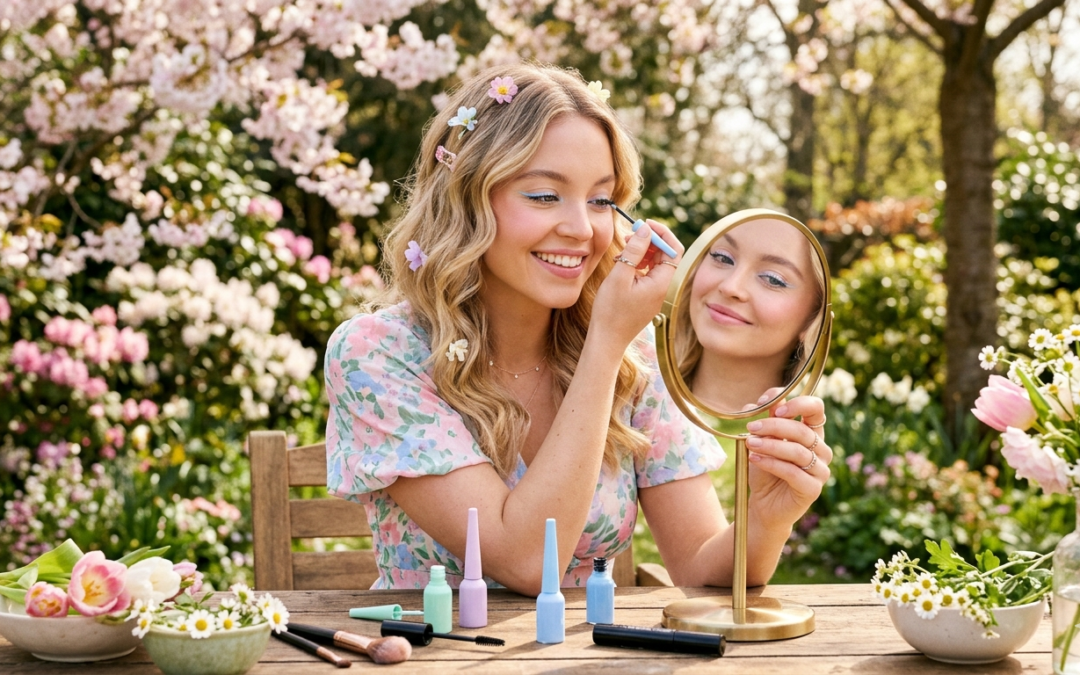
Seasonal makeup trends often include lighter color palettes during spring periods in various regions. Pastel eyeliner and mascara are sometimes discussed in beauty and fashion media as examples of softer cosmetic color choices. This article provides a neutral overview of how pastel eye cosmetics are typically applied, general eye-area hygiene considerations, and awareness practices related to eye health and cosmetic safety.
Understanding the Eye Area in Cosmetic Application
The eye area contains delicate skin and structures that support vision. The eyelids protect the eye surface, while eyelashes help reduce exposure to dust and small particles. Cosmetics applied near the eyelids or lashes may interact with these structures. Because of this, safe cosmetic use commonly involves clean tools, careful application, and awareness of product ingredients.
Eye cosmetics such as eyeliner and mascara are designed for use on the eyelid margin or eyelashes. Pastel shades refer to lighter tones that may include soft variations of colors such as pink, lavender, mint, or light blue. These tones are frequently used in fashion or seasonal styling discussions.
Neutral Overview of Pastel Eyeliner Application
Pastel eyeliner is typically applied along the upper eyelid or near the lash line. In some cosmetic routines, individuals apply a thin line close to the lashes. Others may apply a small accent line along the outer corner of the eyelid.
A few commonly discussed practices in cosmetic tutorials include:
- Using a clean eyeliner brush or applicator
- Applying light strokes rather than heavy pressure on the eyelid
- Removing eye cosmetics with products designed for the eye area
These practices are often described in cosmetic hygiene guides to reduce irritation and maintain eye-area cleanliness.
Neutral Overview of Mascara Use
Mascara is commonly applied to eyelashes to coat the lash fibers. Cosmetic guides frequently recommend applying mascara in light layers to the upper lashes, and sometimes the lower lashes.
General hygiene practices often mentioned in cosmetic safety materials include:
- Avoiding sharing mascara products between individuals
- Replacing mascara periodically according to manufacturer guidance
- Avoiding use if irritation occurs
Such precautions are commonly included in eye-area cosmetic safety discussions.
Eye Hygiene Considerations
Cosmetics used near the eyes may come into contact with sensitive tissues. For this reason, eye health organizations often highlight several hygiene considerations:
- Removing eye makeup before sleeping
- Washing hands before applying eye cosmetics
- Keeping applicators clean and stored properly
If irritation, redness, or discomfort develops, consultation with a licensed eye care professional may help determine possible causes.
Context: Cosmetic Trends and Eye Care Awareness
In beauty media, pastel eye cosmetics are sometimes associated with seasonal color themes, including spring collections in fashion and makeup industries. From an eye care perspective, the primary focus remains safe product use, ingredient awareness, and proper hygiene during application and removal.
Ophthalmology and consumer safety discussions generally emphasize that cosmetics near the eyes should be used carefully to reduce the possibility of contamination or irritation.
FAQ
What are pastel eye cosmetics?
Pastel eye cosmetics refer to makeup products that use lighter color tones such as soft pink, lavender, mint, or light blue. These colors are commonly referenced in fashion or seasonal makeup discussions.
Why is eye cosmetic hygiene important?
The eye area contains sensitive tissues. Maintaining clean applicators, removing cosmetics properly, and avoiding shared products are commonly cited hygiene practices.
What tools are commonly used to apply eyeliner and mascara?
Eyeliner is often applied using a pencil, brush, or felt-tip applicator. Mascara is typically applied using a small brush attached to the product container.
Trusted Sources
- Philippine Department of Health (DOH) – Public health advisories
- Philippine Food and Drug Administration (FDA Philippines) – Cosmetic safety guidance
- American Academy of Ophthalmology – Eye health and cosmetic hygiene resources
- Peer-reviewed ophthalmology and dermatology journals discussing cosmetic safety near the eye area
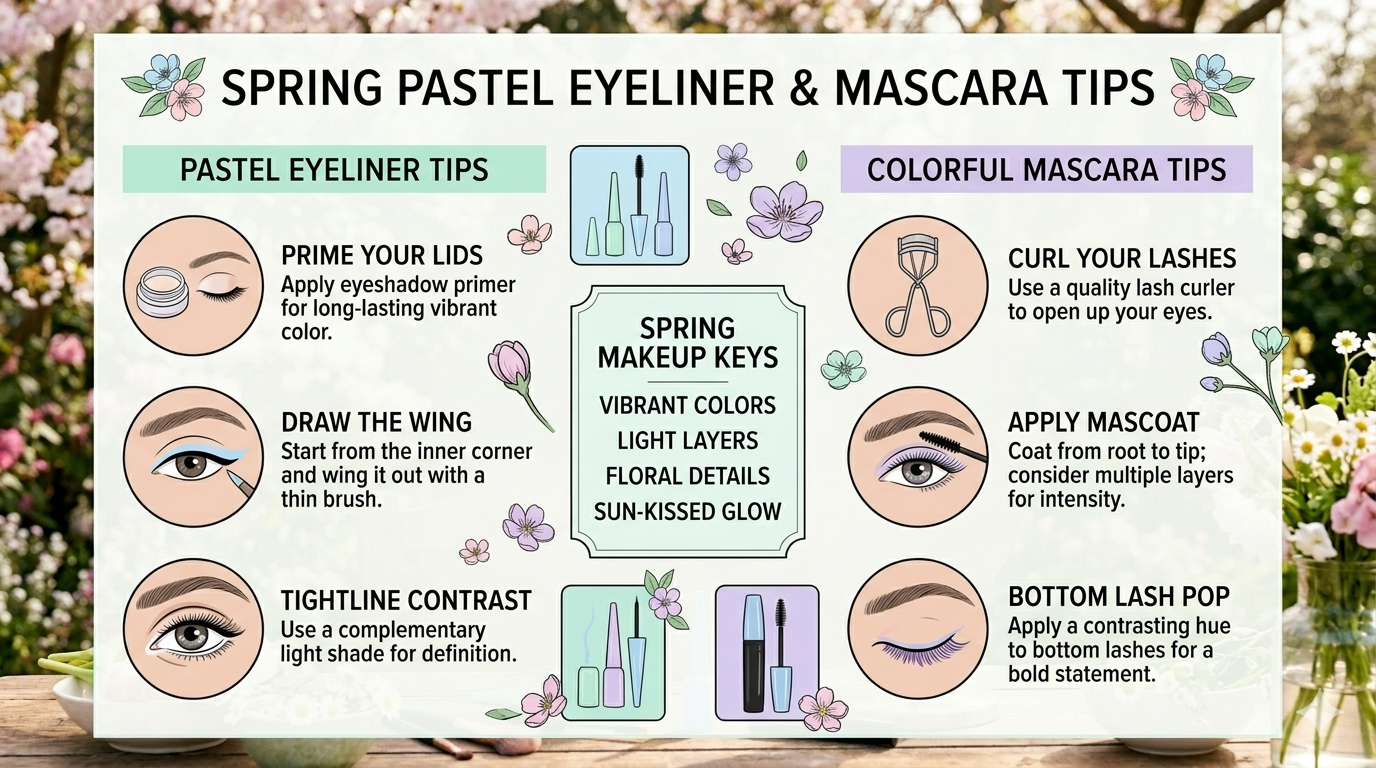
Infographic displaying pastel eyeliner and mascara color swatches.
Disclaimer
This article is for general informational and educational purposes only. It does not constitute professional medical, ophthalmological, or consumer purchasing advice. References to procedures, products, or clinics do not imply endorsement or guarantee of results. Readers are encouraged to consult licensed eye care professionals and verified resources for vision health decisions.
by Ramil Villar | Mar 15, 2026 | Beauty & Cosmetics
Examples and Theme
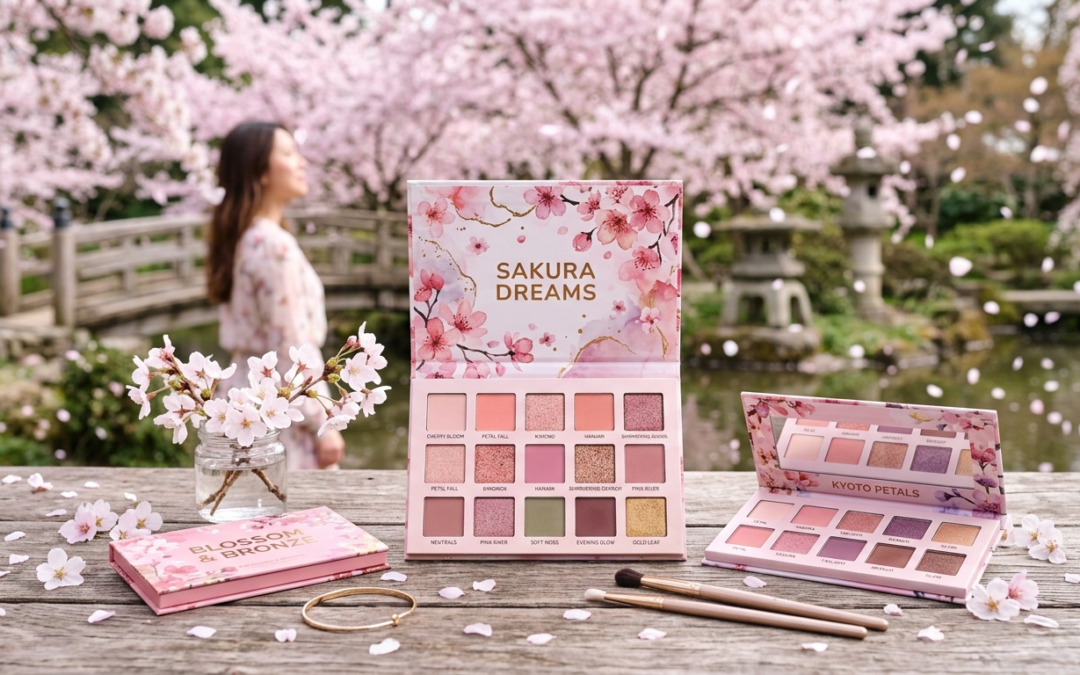
- Cherry Blossom Eyeshadow Palette
Often built around pink-toned shadows and shimmers inspired by sakura petals.
- NICHIDO Sakura Eyeshadow Palette
A palette inspired by cherry blossom color tones, typically including soft pinks and neutral shades.
- Viseart Petits Fours Palette Sakura Lotus
A compact palette with shades that reflect pastel pink and floral spring tones.
- K‑Palette Multi Blooming Eyes 01 Sakura Pink
A smaller palette centered around pink shades designed to create layered eye looks.
- Sheglam Bloom Kyoto in Bloom Palette
Inspired by Kyoto’s cherry blossom season, often combining pinks with neutral browns.
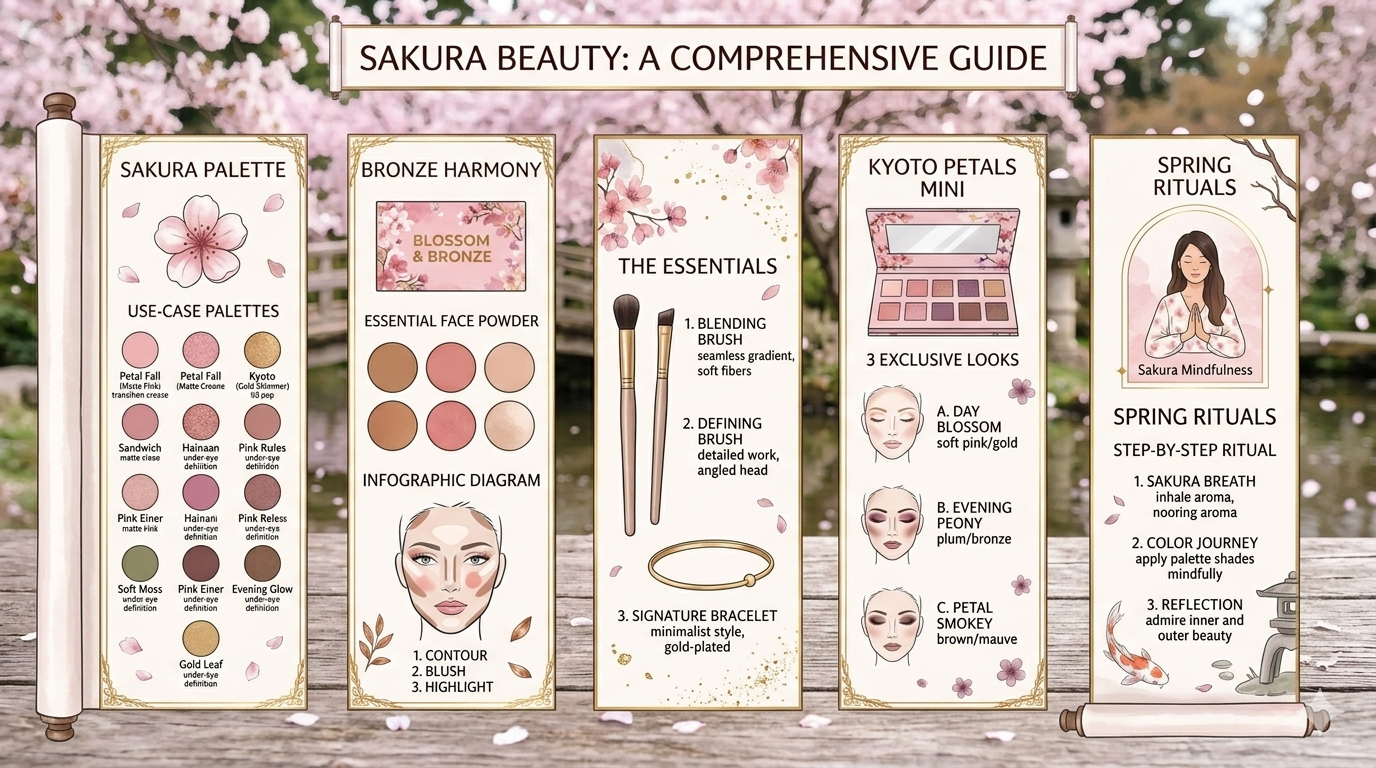
Visual presentation of eyeshadow color groups associated with cherry blossom palette themes.
Typical Color Story
Cherry blossom palettes usually include shades that reflect the natural variation in sakura flowers:
- Pale petal pink
- Rosy pink or hot pink
- Soft coral
- Mauve or plum
- Champagne shimmer
- Light brown or terracotta for contrast
Some palettes also include shimmer or glitter shades to represent the light reflecting on petals.
Why the Cherry Blossom Theme Is Popular
Cherry blossoms symbolize spring, renewal, and seasonal beauty, which is why cosmetics brands often release sakura-inspired makeup collections during spring seasons.
by Ramil Villar | Mar 15, 2026 | Beauty & Cosmetics
Understanding Metallic Eye Accents and Moisturizing Eye Care: An Educational Overview
Neutral information about cosmetic eye accents and basic skin hydration practices around the eye area.
The area around the eyes is sensitive and often requires careful cosmetic and skin care practices. This article explains two commonly discussed topics in personal care: metallic eye accents used in cosmetic styling and moisturizing practices for the skin surrounding the eyes. The information is presented for general awareness and follows consumer protection and health communication standards relevant in the Philippines.
Metallic Eye Accents in Cosmetic Styling
Metallic eye accents refer to cosmetic products that contain reflective pigments designed to create a metallic or luminous appearance on the eyelids or surrounding areas. These products are typically used in decorative makeup applications.
Common forms include:
- Powder or pressed metallic eyeshadow
- Liquid or cream-based shimmer formulas
- Cosmetic liners containing reflective particles
Metallic pigments are usually made from materials such as mica or other mineral-based components that reflect light. These ingredients are widely used in cosmetics and may appear in ingredient lists under different names depending on the formulation.
When applying decorative eye cosmetics, hygiene practices are generally recommended. For example:
- Using clean brushes or applicators
- Avoiding sharing eye makeup products
- Removing cosmetics before sleeping
These practices are commonly discussed in cosmetic hygiene guidance to reduce potential irritation or contamination.
Moisturizing Care Around the Eye Area
The skin surrounding the eyes is thinner than many other areas of the face. Because of this, some individuals choose to apply moisturizing products specifically designed for facial or peri-ocular skin.
Moisturizing products are formulated to help maintain skin hydration by supporting the skin’s barrier. Ingredients that appear in many moisturizing formulations include:
- Humectants such as glycerin or hyaluronic acid
- Emollients such as plant oils or fatty alcohols
- Occlusive agents that help limit moisture loss
The purpose of these ingredients is generally related to hydration and skin barrier support. Individual experiences with skin care products may vary depending on skin type, sensitivity, environmental conditions, and formulation differences.
When using products near the eyes, it is commonly suggested to apply small amounts and avoid direct contact with the eye surface. Product labels often include instructions for safe cosmetic use.
Hygiene and Safety Considerations
Eye-area cosmetics and skin products should follow safety and labeling standards. In the Philippines, cosmetic products are regulated under guidelines associated with the Department of Health (DOH) and the Food and Drug Administration Philippines (FDA Philippines).
Consumers may consider checking the following when reviewing cosmetic products:
- Proper ingredient labeling
- Manufacturing or distributor information
- Official product notifications or registrations when applicable
These practices support informed consumer awareness regarding cosmetic products available in the market.
Context: Cosmetic Use and Eye Health Awareness
In dermatology and ophthalmology literature, the eye area is often described as sensitive due to its thinner skin structure and proximity to the eye surface. For this reason, hygiene, proper product use, and awareness of ingredients are commonly discussed in educational resources.
Cosmetic styling practices, including metallic eye accents, are primarily aesthetic in nature. Moisturizing practices are typically associated with maintaining skin hydration. Neither practice should be interpreted as a substitute for professional eye care or medical evaluation when eye discomfort, irritation, or vision changes occur.
FAQ
What are metallic eye accents?
Metallic eye accents are decorative cosmetic products that contain reflective pigments. They are used to create a luminous or metallic appearance on the eyelids or surrounding areas.
Why is moisturizing around the eye area discussed in skin care?
The skin around the eyes is thinner and may be more prone to dryness. Moisturizing products are formulated to support hydration of the skin barrier.
Are cosmetics around the eyes regulated in the Philippines?
Cosmetic products sold in the Philippines fall under regulatory oversight associated with the Department of Health and the Food and Drug Administration Philippines, which provide safety and labeling guidelines for consumer products.
Trusted Sources
- Department of Health (DOH), Philippines – Public health advisories
- Food and Drug Administration Philippines – Cosmetic product guidance
- American Academy of Ophthalmology – Eye health educational materials
- International Journal of Cosmetic Science – Research on cosmetic formulations
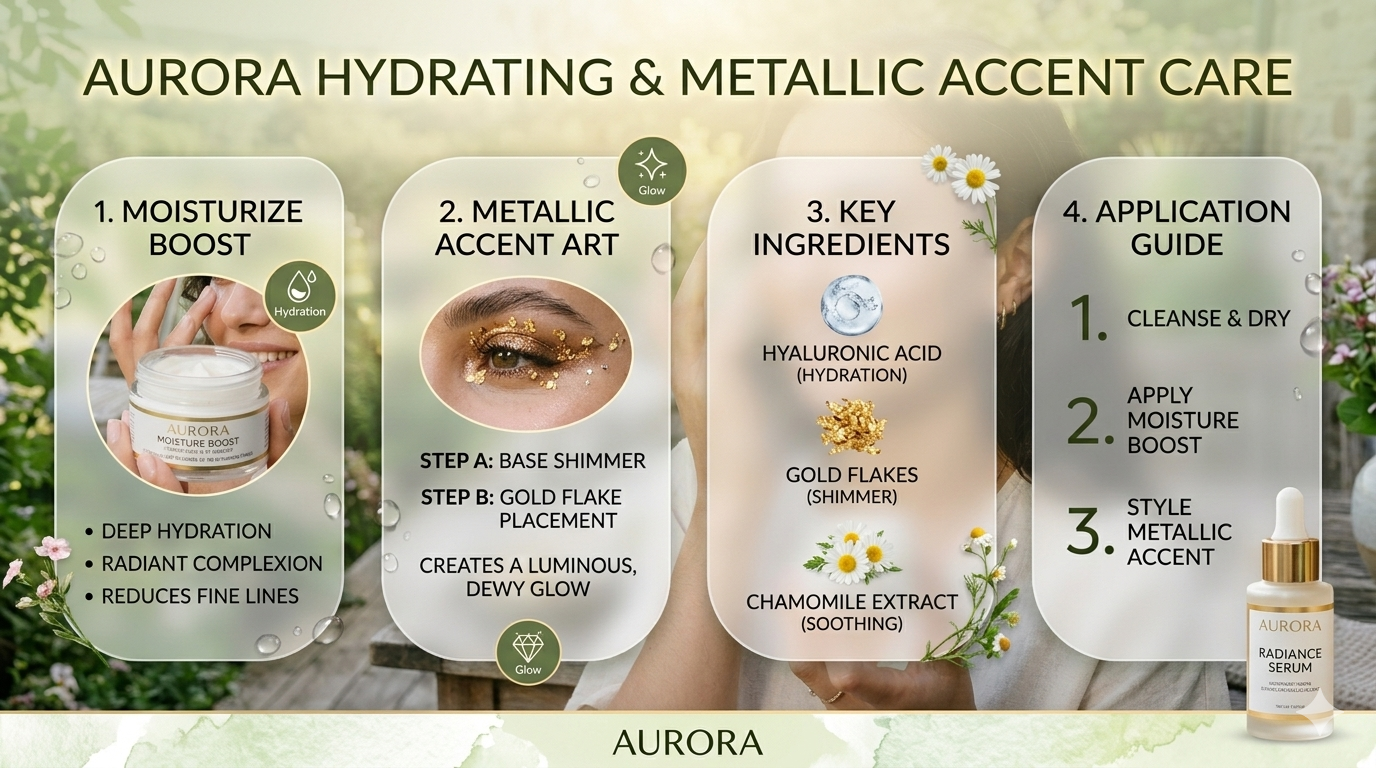
Infographic presenting visual elements related to metallic cosmetic pigments and moisturizing formulations.
Disclaimer:
This article is for general informational and educational purposes only. It does not constitute professional medical, ophthalmological, or consumer purchasing advice. References to procedures, products, or clinics do not imply endorsement or guarantee of results. Readers are encouraged to consult licensed eye care professionals and verified resources for vision health decisions.
by Ramil Villar | Mar 15, 2026 | Beauty & Cosmetics
Metallic Eye Accents & Moisturizing Care: An Educational Overview of Cosmetic Use Around the Eyes
Understanding basic considerations for decorative eye cosmetics and skin moisture maintenance.
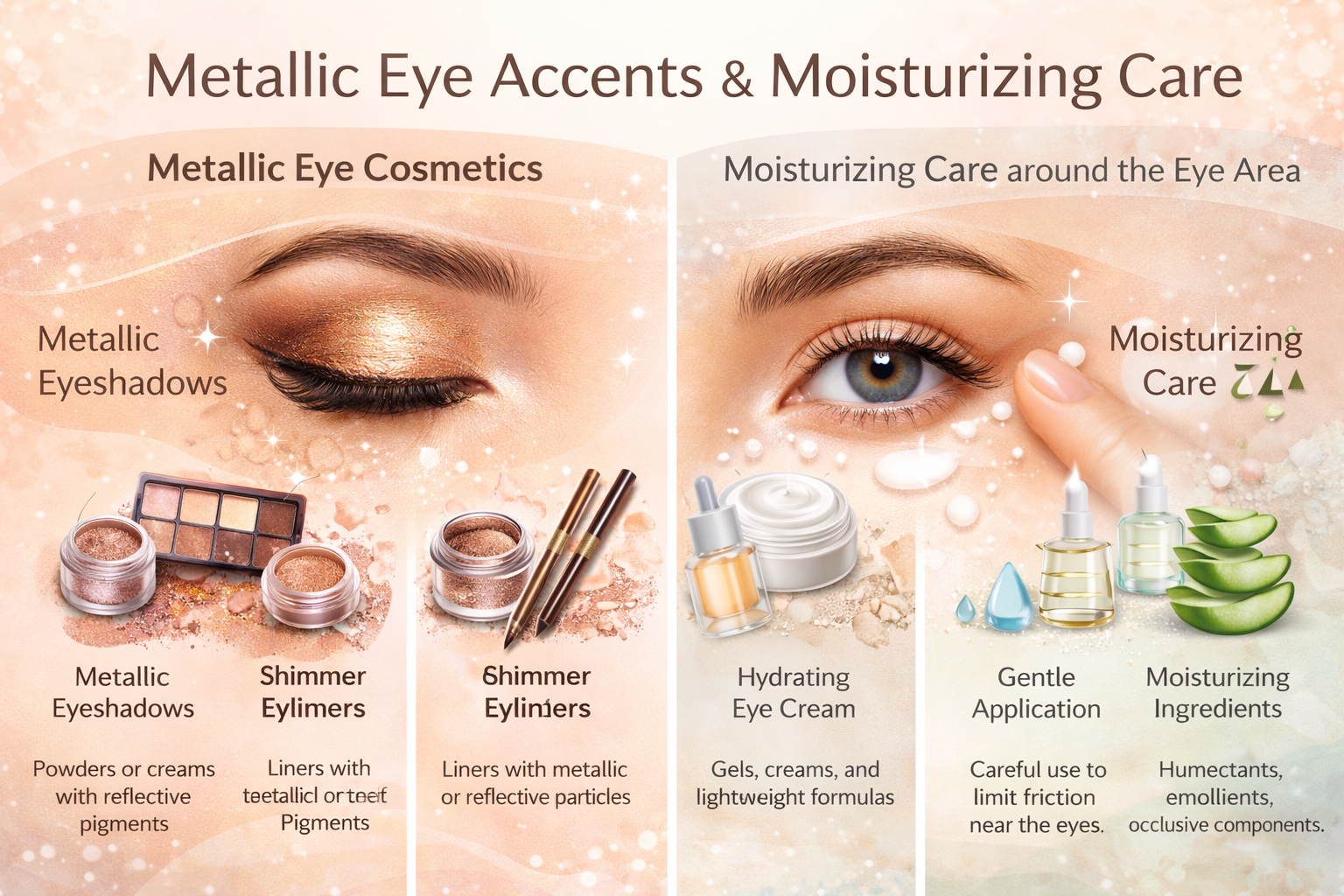
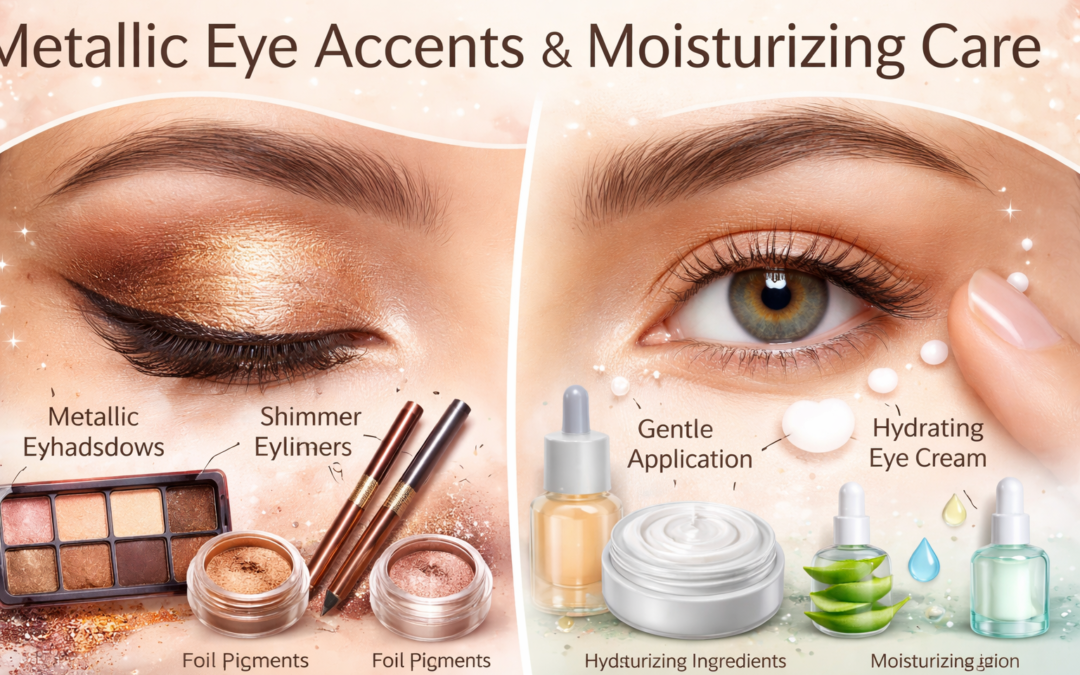
Illustrated layout presenting cosmetic textures and general moisture care concepts around the eye area.
Decorative eye cosmetics, including metallic eye accents, are used in many makeup routines. At the same time, moisturizing practices around the eye area are commonly discussed in skin care and consumer product guidance. This article provides an educational overview of metallic eye accents, the characteristics of the skin around the eyes, and general considerations related to moisturizing care. References to consumer safety and product awareness align with health and consumer protection standards, including guidance relevant to agencies such as the Department of Health (DOH) and the Food and Drug Administration (FDA) Philippines.
Understanding Metallic Eye Accents
Metallic eye accents refer to eye makeup products designed to create reflective or shimmer-like finishes. These products are typically used on the eyelids or near the eye area as part of cosmetic styling.
Common forms include:
- Metallic eyeshadows – powders or creams that contain reflective pigments
- Shimmer eyeliners – liquid or pencil products with metallic particles
- Foil-style eye pigments – concentrated pigments designed to reflect light
Reflective effects usually come from small particles that interact with light. In consumer cosmetic products, these particles may include mica or other mineral-based materials that create a metallic appearance.
When used around the eyes, cosmetic products are expected to follow ingredient safety standards and labeling requirements. In the Philippines, cosmetics distributed commercially are subject to regulatory oversight from the FDA under the ASEAN Cosmetic Directive framework.
The Eye Area and Moisture Balance
The skin surrounding the eyes is structurally different from many other areas of the face. It is often described in dermatology and skin science literature as thinner and more sensitive to environmental factors.
Factors that may influence moisture levels around the eyes include:
- Exposure to dry environments
- Frequent blinking and facial movement
- Makeup application and removal practices
- Screen exposure and lighting conditions
- Individual skin characteristics
Moisturizing products formulated for the eye area are designed to help maintain skin hydration. These products may contain ingredients that support the skin’s barrier function, such as humectants, emollients, or mild occlusive components.
Proper removal of eye cosmetics is also commonly included in discussions of routine skin care. Gentle cleansing methods are often referenced in dermatology literature to minimize unnecessary friction near the eyes.
Cosmetic Application Considerations
Individuals who use decorative eye cosmetics sometimes combine color products with moisturizing skin care. This may involve applying moisturizing products before or after cosmetic products depending on personal routines and product instructions.
General considerations discussed in consumer education materials include:
- Reading product labels and ingredient lists
- Avoiding products that cause visible irritation or discomfort
- Ensuring cosmetic products are intended for use around the eyes
- Following manufacturer guidance for storage and usage periods
These considerations are commonly included in consumer safety information related to cosmetic use.
Context: Consumer Safety and Eye Area Products
In ophthalmology and dermatology discussions, the eye region is often described as a sensitive area due to the proximity of the skin to the eye surface. Because of this, cosmetic products used near the eyes are expected to follow safety evaluation standards before distribution.
Under consumer protection frameworks and health regulations, product labeling, ingredient disclosure, and safety assessments help inform consumers about cosmetic products intended for the eye area.
Routine eye care discussions in medical literature generally focus on hygiene practices, appropriate cosmetic use, and awareness of potential irritation or sensitivity.
FAQ
What are metallic eye accents?
Metallic eye accents are cosmetic eye products designed to create reflective or shimmer-like visual effects on the eyelids or near the eye area. They typically contain pigments that reflect light to produce a metallic appearance.
Why is moisturizing discussed in relation to the eye area?
The skin surrounding the eyes is often described in dermatology research as thinner than other facial skin. Moisturizing practices are commonly referenced in skin care discussions related to maintaining skin hydration.
Are eye cosmetics regulated in the Philippines?
Cosmetic products sold in the Philippines are subject to regulatory oversight by the Food and Drug Administration (FDA) Philippines under national and regional cosmetic safety frameworks.
Trusted Sources
- Department of Health (DOH), Philippines – Public health advisories
- Food and Drug Administration (FDA) Philippines – Cosmetic product regulations
- ASEAN Cosmetic Directive – Cosmetic safety framework for Southeast Asia
- American Academy of Ophthalmology – Educational resources on eye health
- Peer-reviewed dermatology and ophthalmology journals on skin and eye care
Disclaimer:
This article is for general informational and educational purposes only. It does not constitute professional medical, ophthalmological, or consumer purchasing advice. References to procedures, products, or clinics do not imply endorsement or guarantee of results. Readers are encouraged to consult licensed eye care professionals and verified resources for vision health decisions.
by Ramil Villar | Mar 15, 2026 | Beauty & Cosmetics
Soft Pastel Eyes and Minimal Eyeliner: An Informational Overview of a Common Eye Makeup Style
A neutral explanation of how light eye shadow colors and subtle eyeliner techniques are used in cosmetic eye makeup.
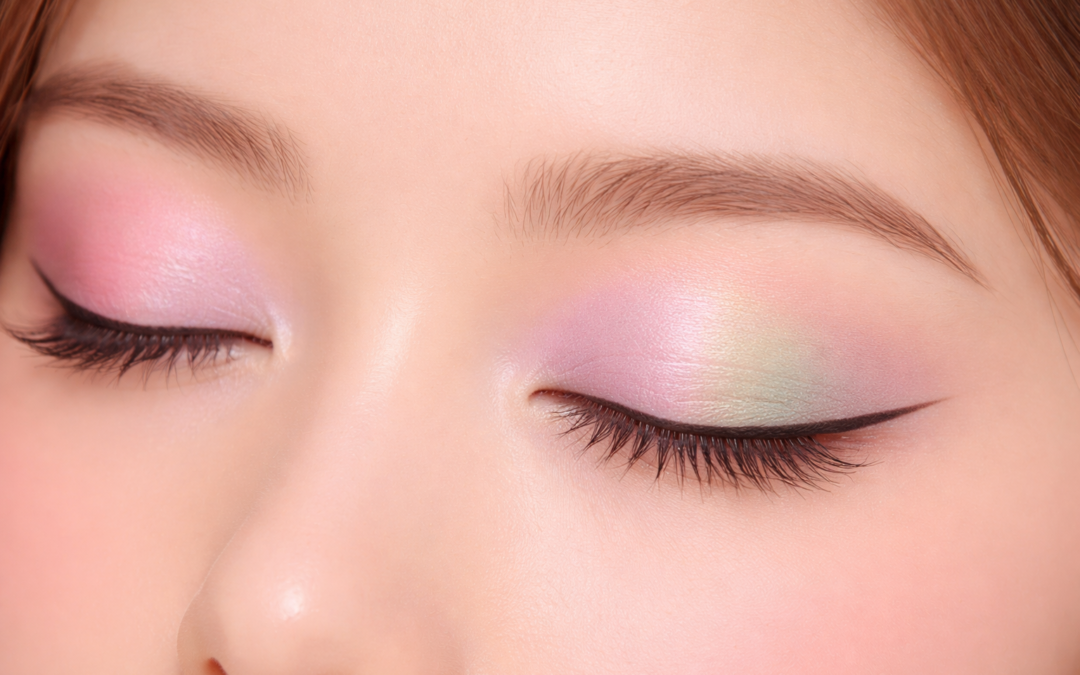
Soft pastel eyes paired with minimal eyeliner is a cosmetic makeup style commonly described in beauty tutorials and fashion media. The approach generally involves the use of light-toned eye shadow colors and subtle eyeliner application. This article explains the basic characteristics of the style, the cosmetic products typically involved, and general considerations related to eye-area hygiene and product use.
What Are Pastel Eye Colors?
Pastel colors are light, low-saturation shades that appear soft rather than bold. In cosmetic eye shadow products, pastel tones may include:
- Light pink
- Lavender
- Mint green
- Pale blue
- Peach
- Soft yellow
These colors are commonly used to create a gentle color effect around the eyelids. Cosmetic formulations may come in powder, cream, or liquid forms depending on the product design.
What Is Minimal Eyeliner?
Minimal eyeliner refers to a restrained use of eyeliner products along the lash line. The application often focuses on subtle definition rather than dramatic lines.
Examples of minimal eyeliner techniques include:
- A thin line along the upper lash line
- Short strokes placed between lashes
- Lightly blended eyeliner for a softer edge
Eyeliner products may be available as pencils, liquid pens, gel formulas, or powders.
Cosmetic Products Commonly Used
A typical pastel eye makeup routine may involve several cosmetic items:
- Eye shadow palette containing light or pastel shades
- Eyeliner product for light lash line definition
- Mascara applied to the eyelashes
- Eye primer designed to help eye shadow adhere to the eyelid
Product ingredients and formulas vary by manufacturer.
Hygiene and Eye Safety Considerations
The eye area contains sensitive skin and structures such as the eyelids, tear film, and eyelashes. Basic hygiene practices are commonly discussed in dermatology and ophthalmology contexts.
General safety considerations often include:
- Using clean brushes or applicators
- Avoiding the use of expired cosmetic products
- Removing makeup before sleep
- Discontinuing product use if irritation occurs
Eye irritation may occur for various reasons, including allergies, product sensitivity, or contamination.
Hypothetical Example
In a hypothetical situation, a person preparing for a social event may apply a light lavender eye shadow across the eyelid and draw a thin eyeliner line along the upper lash line. The cosmetic choices may be influenced by personal preference, cultural trends, or aesthetic experimentation.
Context Section
In cosmetic science and dermatology discussions, eye-area products are often evaluated for safety, ingredient composition, and potential irritation risks. Regulatory authorities in many countries monitor cosmetic labeling and safety standards.
Under consumer protection frameworks, cosmetic marketing materials are expected to avoid misleading claims regarding health outcomes or physical transformation.
Routine eye-area cosmetic use is generally discussed alongside hygiene practices, ingredient awareness, and product expiration monitoring.
FAQ
What are pastel eye shadows?
Pastel eye shadows are cosmetic pigments with light, soft color tones. They are often used in makeup styles that emphasize gentle color around the eyelids.
What does minimal eyeliner mean?
Minimal eyeliner refers to a subtle application of eyeliner products along the lash line. The goal is typically light definition rather than bold lines.
Why is eye makeup hygiene discussed in eye care contexts?
The eyelids and surrounding skin are sensitive areas. Hygiene practices such as cleaning applicators and removing makeup are commonly discussed to reduce irritation or contamination risks.
Trusted Sources
- Philippine Department of Health (DOH) health advisories
- U.S. Food and Drug Administration (FDA) – Cosmetic safety guidance
- American Academy of Ophthalmology educational resources
- Peer-reviewed dermatology and ophthalmology journals
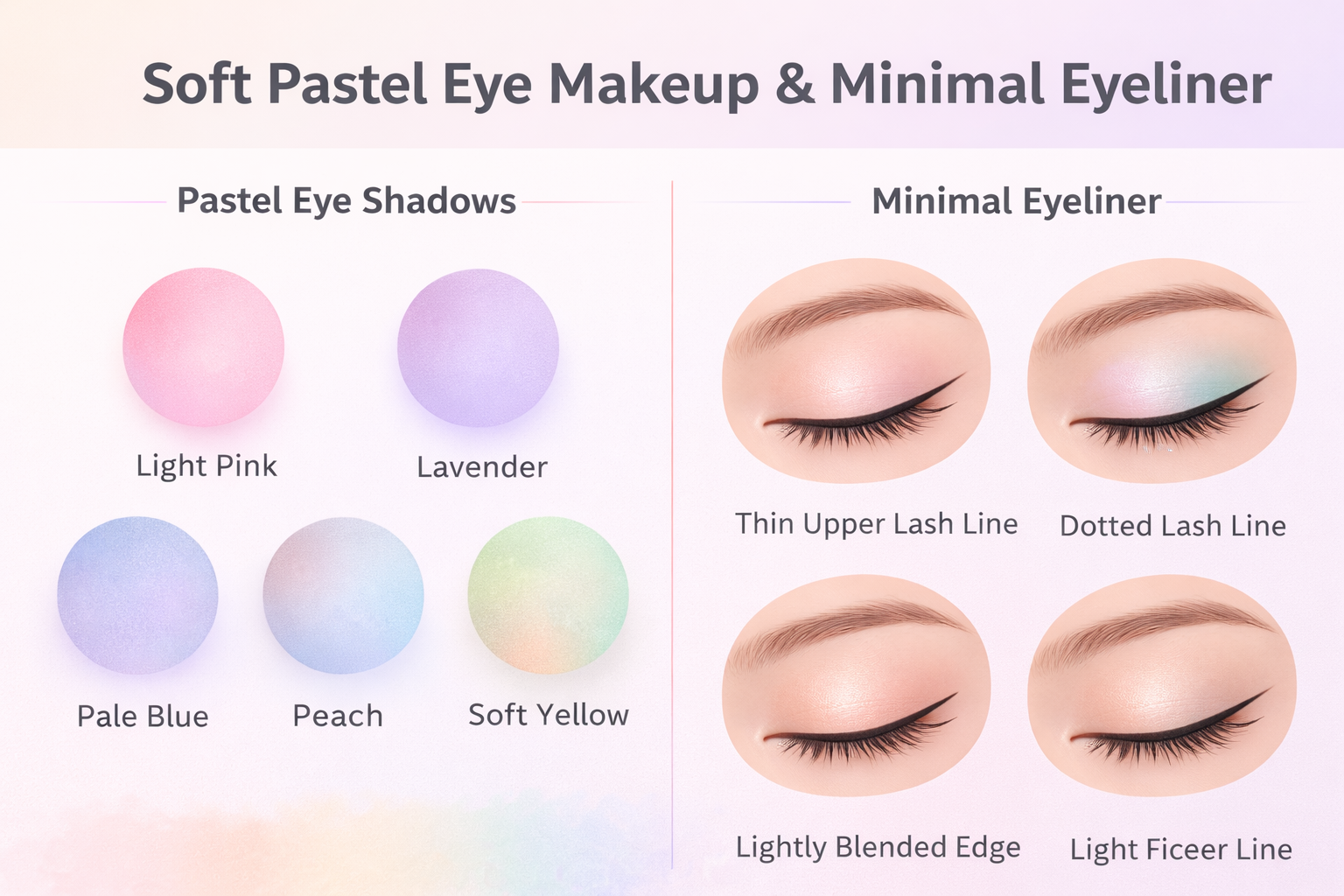
Graphic illustration presenting pastel eye shadow colors and thin eyeliner line styles.
Disclaimer
This article is for general informational and educational purposes only. It does not constitute professional medical, ophthalmological, or consumer purchasing advice. References to procedures, products, or clinics do not imply endorsement or guarantee of results. Readers are encouraged to consult licensed eye care professionals and verified resources for vision health decisions.
by Ramil Villar | Mar 14, 2026 | Beauty & Cosmetics
Soft Pastel Eyes and Minimal Eyeliner: An Informational Overview of a Light Eye Makeup Style
A neutral explanation of a makeup approach that uses soft color tones and subtle eyeliner placement around the eyes.
Soft pastel eye makeup and minimal eyeliner are commonly discussed in beauty and cosmetic education. The style typically uses light-toned eyeshadow shades and a subtle eyeliner line near the lash area. This article explains the general characteristics of the approach and basic considerations related to eye comfort, hygiene, and safe cosmetic use.
What Are Soft Pastel Eye Colors?
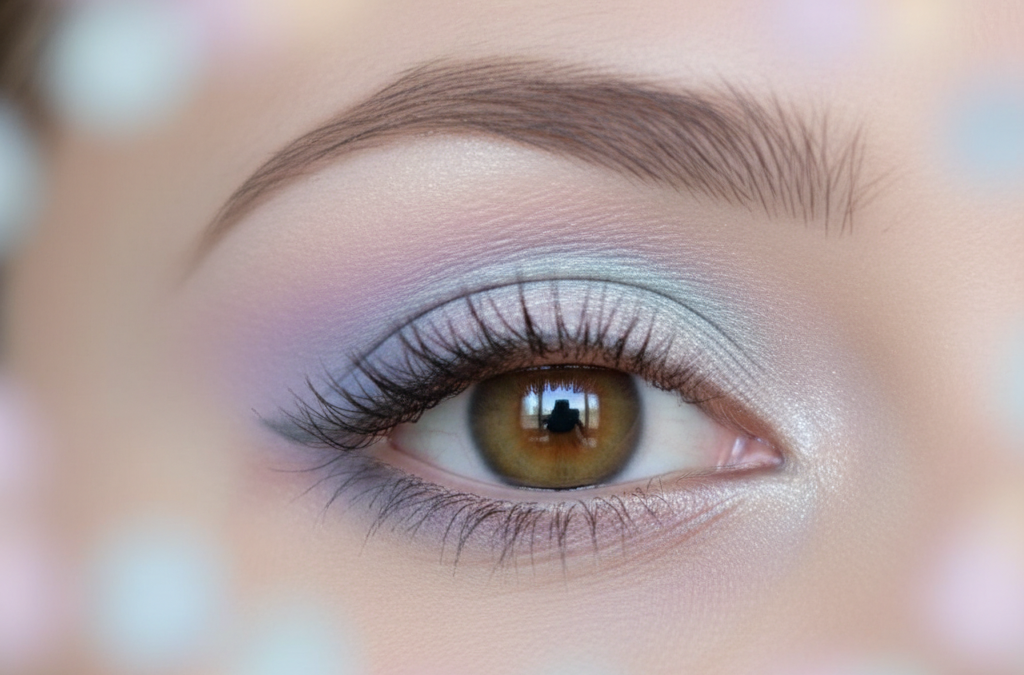
Soft pastel eye colors refer to light, muted shades of eyeshadow. These colors are often described as pale versions of standard hues. Examples include light pink, lavender, peach, mint, or soft blue.
In cosmetic practice, these tones are usually applied in thin layers on the eyelids to create a gentle color effect. Application methods vary and may involve brushes, applicators, or fingertips depending on the cosmetic product instructions.
What Is Minimal Eyeliner?
Minimal eyeliner generally refers to a thin or lightly applied line placed close to the eyelashes. The line may follow the natural contour of the eyelid.
Some individuals apply eyeliner only to the upper lash line, while others apply a small amount to the outer corner of the eye. The exact technique depends on personal preference and product instructions.
Common Cosmetic Tools Used
Several types of cosmetic products may be used when creating pastel eye looks:
- Powder or cream eyeshadow
- Eyeliner pencils or liquid liners
- Blending brushes or applicators
- Makeup remover products designed for eye areas
Cosmetic products intended for use around the eyes are typically labeled as eye-safe by the manufacturer and regulated under consumer product standards. In the Philippines, cosmetics fall under the oversight of the Food and Drug Administration (FDA Philippines).
Eye Comfort and Hygiene Considerations
When using cosmetics near the eyes, hygiene and product safety are important considerations. Basic practices commonly recommended in cosmetic safety guidance include:
- Avoiding the use of expired cosmetic products
- Cleaning brushes and applicators regularly
- Removing eye makeup before sleeping
- Avoiding sharing eye makeup products with others
These steps help reduce potential contamination of products that come into contact with sensitive eye areas.
Hypothetical Example for Understanding
A hypothetical user preparing for a casual event may apply a light peach eyeshadow across the eyelid and draw a thin eyeliner line close to the upper lash line. The approach focuses on subtle color and minimal liner thickness. Different users may adapt the style based on personal preference or cosmetic instructions.
Context Section
In cosmetic and dermatology discussions, the eye area is often described as sensitive because the skin around the eyelids is thinner than many other parts of the body. As a result, safety guidelines for eye cosmetics emphasize product labeling, hygiene, and proper removal.
Under consumer protection and cosmetic regulation standards, including oversight by the Department of Health (DOH) and FDA Philippines, cosmetic products sold in the country must comply with safety notification and labeling requirements. These regulations are intended to help consumers identify products designed for safe use.
FAQ
What are pastel eyeshadow shades?
Pastel shades are light, low-intensity versions of common colors such as pink, blue, or lavender. In cosmetics, they are typically used to create soft color effects on the eyelids.
What does minimal eyeliner mean?
Minimal eyeliner refers to a thin or subtle eyeliner application placed near the lash line. The amount and placement can vary based on personal preference.
Why is hygiene important when using eye cosmetics?
Eye cosmetics come into contact with areas close to the eyes. Cleaning tools, avoiding expired products, and removing makeup properly may help reduce contamination risks.
Trusted Sources
- Philippine Food and Drug Administration (FDA Philippines) — Cosmetic product safety and notification guidelines
- Department of Health (DOH Philippines) — Consumer health advisories
- American Academy of Ophthalmology (AAO) — Eye health and cosmetic safety resources
- Peer-reviewed ophthalmology and dermatology journals discussing eye area hygiene and cosmetic use
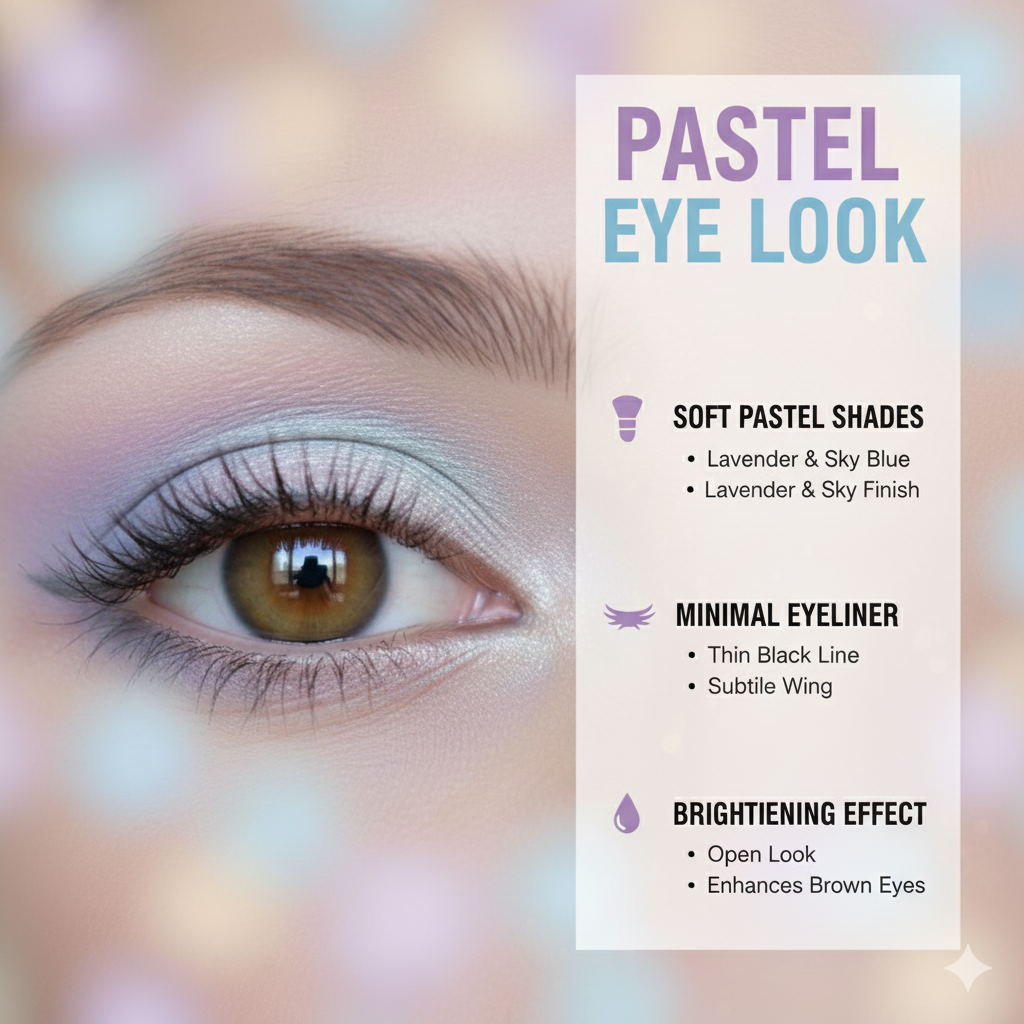
Visual layout displaying pastel eyeshadow tones and minimal eyeliner placement.
Disclaimer
This article is for general informational and educational purposes only. It does not constitute professional medical, ophthalmological, or consumer purchasing advice. References to procedures, products, or clinics do not imply endorsement or guarantee of results. Readers are encouraged to consult licensed eye care professionals and verified resources for vision health decisions.