by Ramil Villar | Mar 15, 2026 | Beauty & Cosmetics
Bright Eyeshadow and Soft Glow: Understanding Common Cosmetic Eye Makeup Techniques
A neutral overview of how bright eyeshadow and soft glow finishes are commonly described in cosmetic makeup practices.
Bright eyeshadow and soft glow are descriptive terms used in cosmetic makeup to refer to certain visual styles around the eyes. These techniques typically involve color selection and light-reflective finishes applied to the eyelids or surrounding areas. This article explains what these terms mean in general cosmetic practice, how they are commonly applied, and considerations for safe eye-area cosmetic use.
Bright Eyeshadow: Basic Description
Bright eyeshadow generally refers to eye makeup that uses noticeable or high-intensity colors on the eyelids. These shades may include vivid tones such as blue, pink, gold, green, or purple. The purpose of this technique in cosmetic styling is to add color contrast around the eye area.
Common characteristics include:
- Higher pigment colors compared to neutral shades
- Application on the eyelid using brushes, applicators, or fingertips
- Layering techniques that may combine multiple colors
Makeup guides sometimes describe placement methods such as applying color to the center of the eyelid, outer corner, or crease area. The specific technique can vary depending on the makeup style being demonstrated.
Soft Glow: General Cosmetic Meaning
A soft glow finish typically refers to a subtle reflective effect created using cosmetics designed to reflect light. This effect is often achieved with products such as shimmer eyeshadow, highlighting powder, or light-reflective creams applied near the eyelid or brow bone.
Typical features of a soft glow makeup finish include:
- Mild light reflection rather than strong sparkle
- Thin layers of shimmer or luminous pigments
- Blending techniques intended to soften edges between colors
The visual result is commonly described in makeup education as a gentle light-reflective appearance rather than a matte surface.
Basic Cosmetic Application Considerations
Cosmetic products applied near the eyes should follow general safety practices recommended by health authorities and consumer protection guidelines. These practices typically include:
- Using products labeled for use around the eye area
- Avoiding expired cosmetics
- Cleaning makeup brushes and applicators regularly
- Removing eye makeup before sleeping
Individuals with eye irritation, allergies, or medical eye conditions may require additional caution when using cosmetic products around the eyes.
Context in Cosmetic Education
In cosmetic training materials and beauty education resources, bright eyeshadow and soft glow are described as stylistic makeup approaches rather than medical or vision-related practices. They are part of broader discussions on color theory, blending techniques, and product textures.
Under consumer protection and advertising standards, descriptions of cosmetic makeup effects are generally expected to avoid implying medical or functional eye benefits.
FAQ
What is bright eyeshadow?
Bright eyeshadow refers to eyelid makeup that uses vivid or highly pigmented colors. The term describes color intensity rather than a specific product type.
What does a soft glow finish mean in makeup?
A soft glow finish describes a light-reflective cosmetic effect that produces mild luminosity on the skin around the eyes.
Are all eyeshadows safe for the eye area?
Cosmetic products intended for use near the eyes are usually labeled accordingly. Using products designed specifically for eye-area application helps reduce the risk of irritation.
Trusted Sources
- Philippine Department of Health (DOH) consumer health advisories
- Philippine Food and Drug Administration (FDA) cosmetic product guidelines
- American Academy of Ophthalmology educational materials
- Peer-reviewed literature on cosmetic safety and ocular surface health
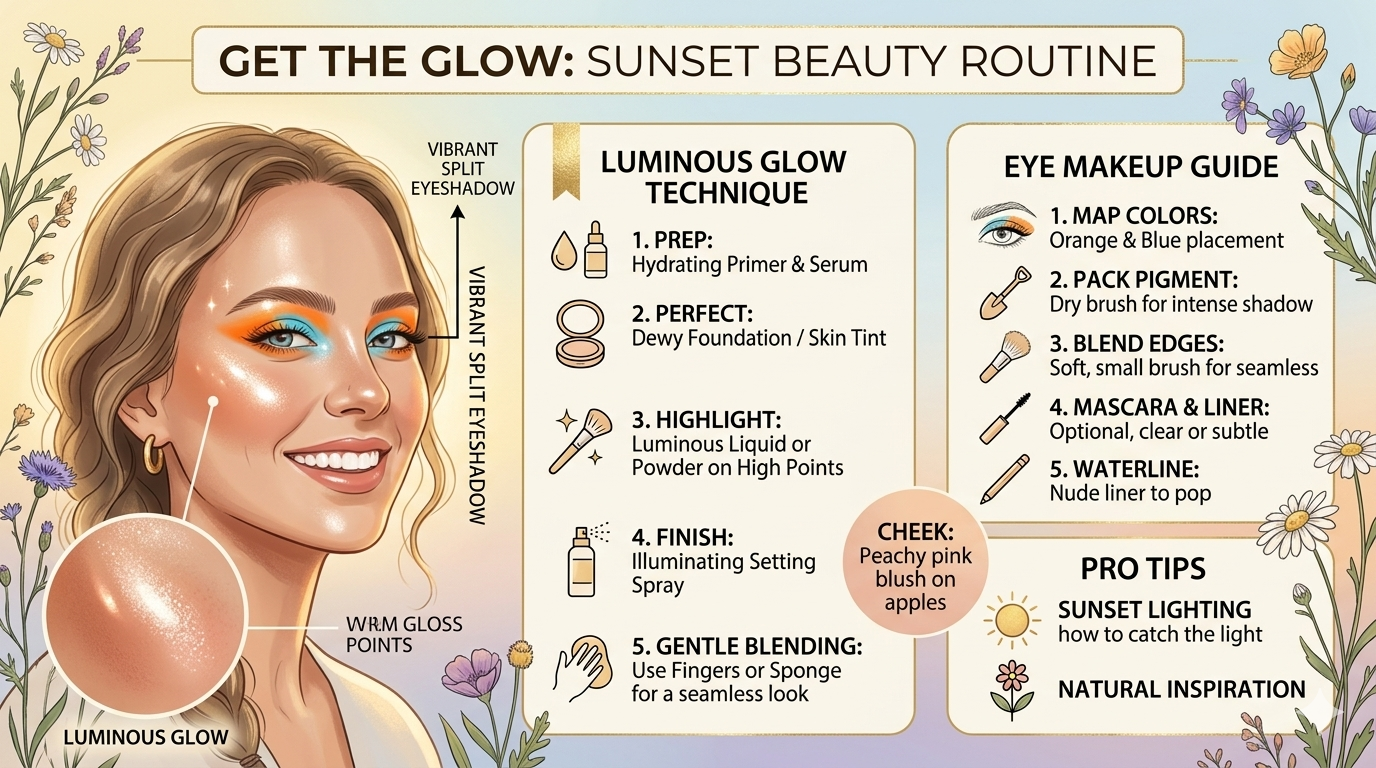
Illustrated graphic showing placement examples of bright eyeshadow colors and soft glow cosmetic finishes.
Disclaimer
This article is for general informational and educational purposes only. It does not constitute professional medical, ophthalmological, or consumer purchasing advice. References to procedures, products, or clinics do not imply endorsement or guarantee of results. Readers are encouraged to consult licensed eye care professionals and verified resources for vision health decisions.

by Ramil Villar | Mar 15, 2026 | Beauty & Cosmetics
Understanding Light Smokey Eye and Fresh Face Makeup Styles: An Educational Overview
A neutral explanation of two commonly referenced cosmetic styling approaches.
In cosmetic practice, makeup styles are often described using informal terms that refer to color placement, product intensity, or overall visual balance. Two commonly mentioned styles in makeup discussions are “light smokey eye” and “fresh face makeup.” These terms describe general approaches to color use and product layering rather than fixed cosmetic standards.
Cosmetic products used in these styles remain subject to regulatory oversight in the Philippines, including product safety and labeling requirements administered by the Food and Drug Administration (FDA Philippines) under provisions of the Consumer Act of the Philippines (RA 7394).
This article provides educational information about what these makeup styles typically involve, the types of cosmetic products used, and the tools often associated with their application.
Light Smokey Eye: General Cosmetic Characteristics
The phrase light smokey eye refers to a makeup approach in which darker or mid-tone eyeshadow colors are softly blended around the eyelids and lash line. The term “smokey” refers to the blended appearance of pigment rather than a specific color requirement.
Products Commonly Used
Cosmetic routines associated with this style may include:
- Eyeshadow in neutral or darker tones
- Eyeliner applied near the lash line
- Mascara for eyelash coating
Typical Application Concept (Educational Example)
- Eyeshadow may be placed across the eyelid and blended outward to soften color edges.
- A darker tone may be applied closer to the lash line or outer eyelid area.
- Eyeliner can be added to define the lash line.
- Mascara is applied to the eyelashes using the product’s applicator brush.
Blending tools such as small eyeshadow brushes or cosmetic sponges are often used to distribute pigment evenly.
Fresh Face Makeup: General Cosmetic Characteristics
The phrase fresh face makeup is commonly used to describe cosmetic routines that involve lighter product layering and neutral color choices. The goal in this context is typically a softer visual effect rather than heavy pigmentation.
Products Commonly Associated With This Style
- Light coverage foundation or tinted cosmetic base
- Concealer applied to specific facial areas
- Blush for gentle color placement on the cheeks
- Lip products with subtle pigmentation
Typical Application Concept (Educational Example)
- A base product such as foundation may be applied across the face using a brush or sponge.
- Concealer may be used in smaller areas where additional coverage is desired.
- Blush can be applied lightly to the cheeks.
- Lip products such as lip balm or lipstick add color to the lips.
The products used in this style may vary depending on cosmetic preferences and available formulations.
Tools Commonly Used for Both Styles
Cosmetic tools often used in eye and face makeup routines include:
- Eyeshadow brushes for precise pigment placement
- Blending brushes designed to soften color transitions
- Makeup sponges used for base product distribution
- Mascara applicator wands included with mascara products
Regular cleaning of makeup tools is recommended in dermatology hygiene guidance to reduce contamination risk.
Context: Cosmetic Style Terminology
In cosmetic education and makeup artistry training materials, style terms such as “smokey eye” or “fresh face” function as descriptive language rather than standardized techniques. The final visual appearance can vary widely depending on color choice, application method, and product formulation.
These terms are commonly used in fashion, theater, photography, and personal grooming contexts to describe general cosmetic approaches.
FAQ
What does “smokey eye” mean in makeup terminology?
A smokey eye refers to a blended eyeshadow technique where pigment is diffused around the eyelids and lash line to create a soft transition between darker and lighter tones.
What is meant by “fresh face makeup”?
Fresh face makeup generally refers to cosmetic routines that involve lighter layering of products and softer color placement.
What tools are commonly used for eyeshadow blending?
Small blending brushes, sponge applicators, and soft eyeshadow brushes are commonly used to distribute pigment across the eyelid.
Trusted Sources
- Food and Drug Administration (FDA Philippines) — Cosmetic Product Safety Guidance
- Department of Health (DOH), Philippines — Consumer Health Information
- International Journal of Cosmetic Science
- American Academy of Dermatology — Skin and Cosmetic Safety Resources
- Society of Cosmetic Chemists — Cosmetic Science Education
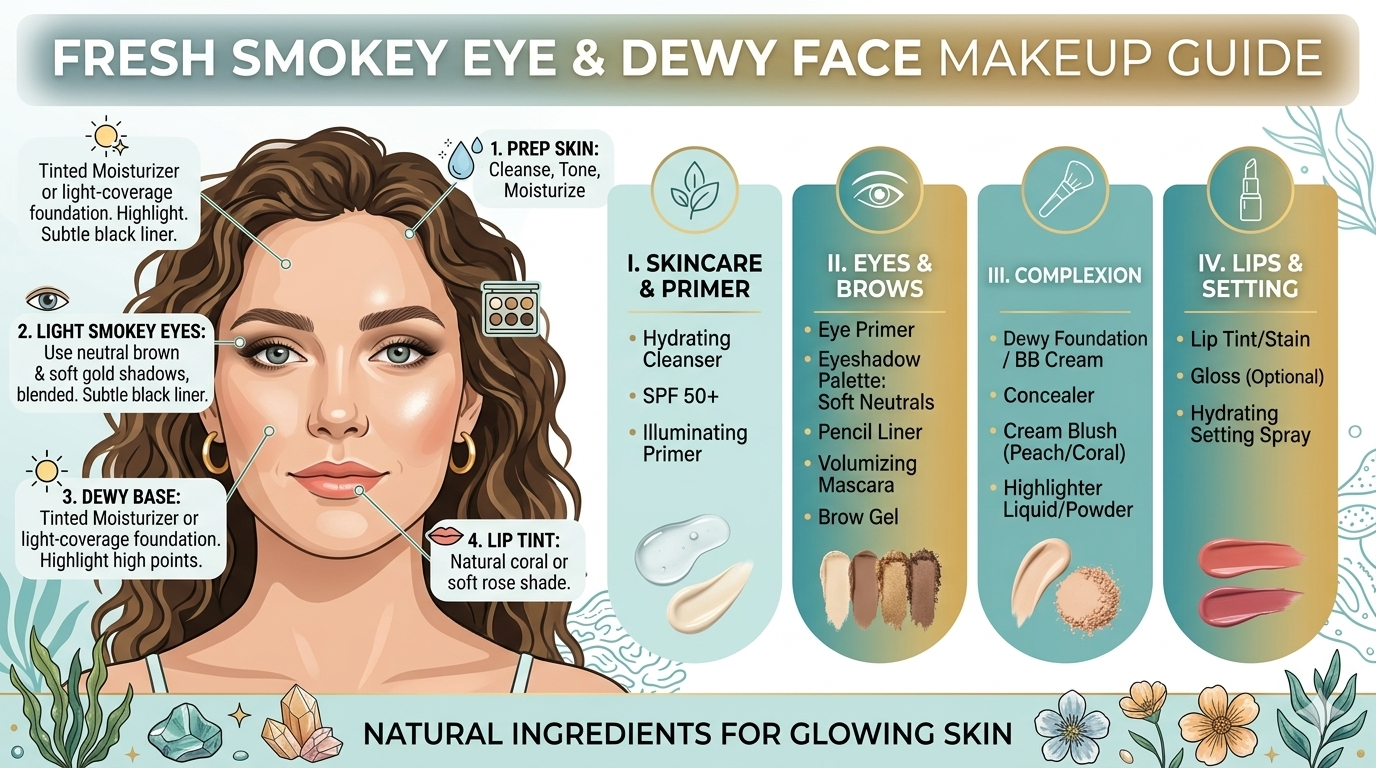
Visual infographic showing cosmetic products and tools associated with two makeup styling approaches.
Disclaimer:
This article is for general informational and educational purposes only. It does not constitute professional cosmetic, dermatological, or consumer purchasing advice. References to products, routines, or brands do not imply endorsement or guarantee of results. Readers are encouraged to consult licensed professionals and verified resources for cosmetic decisions.
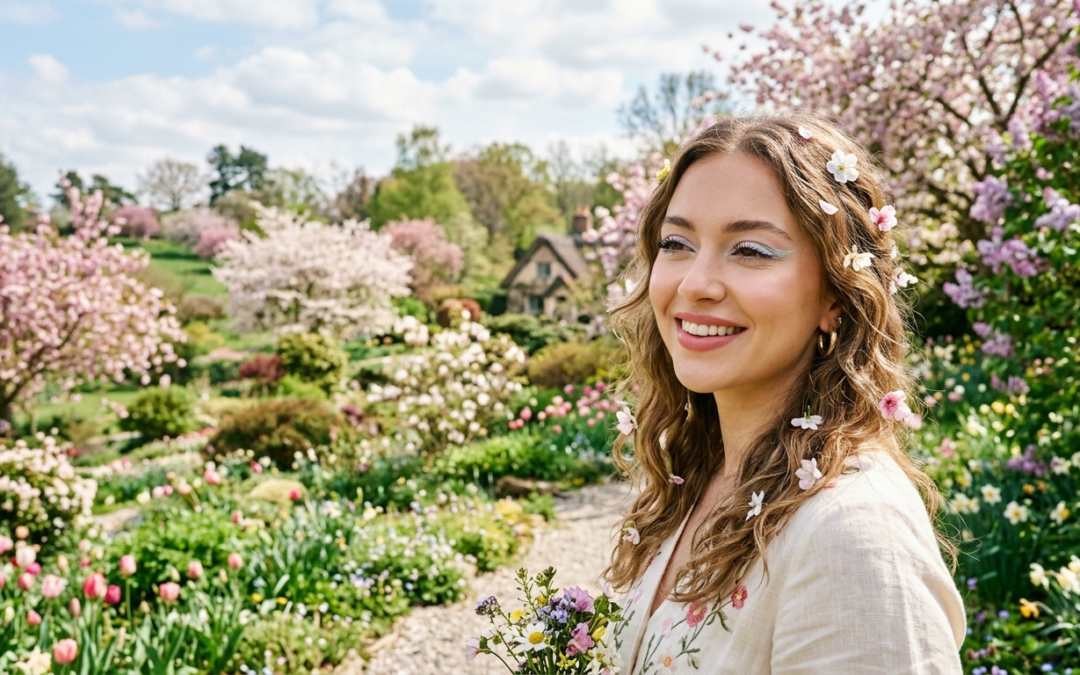
by Ramil Villar | Mar 15, 2026 | Beauty & Cosmetics
Spring Pastel Eyeliner and Rosy Lips: An Educational Overview of Color-Based Makeup Techniques
A neutral guide explaining cosmetic color choices, application methods, and product types commonly associated with pastel eyeliner and rosy-toned lip makeup.
Seasonal makeup discussions often include references to color palettes associated with spring. Among these are pastel-toned eyeliners and lip products described as rosy or pink-toned. This article provides an educational explanation of these cosmetic elements, including common product types, basic application approaches, and hygiene considerations. It also notes consumer awareness practices consistent with guidance from regulatory bodies such as the Food and Drug Administration Philippines and consumer protection principles reflected in the Consumer Act of the Philippines (RA 7394).
Understanding Pastel Eyeliner
Pastel eyeliner refers to eye-lining cosmetic products formulated in light, soft color shades. These may include pale tones such as lavender, mint, peach, or light blue. The term “pastel” describes the color intensity rather than the product formulation.
Common Eyeliner Product Types
Several eyeliner formats may contain pastel pigments:
- Pencil eyeliners – Solid cosmetic pencils that deposit color when applied along the eyelid margin.
- Liquid eyeliners – Fluid formulas typically applied using a brush or felt-tip applicator.
- Gel eyeliners – Semi-solid formulas applied with a cosmetic brush.
- Retractable twist-up liners – Mechanical pencils that do not require sharpening.
Each type varies in texture, pigment concentration, and drying time depending on the formulation.
Educational Example of Application
In many makeup routines, eyeliner is applied along the upper lash line to define the eye area. Pastel variants may be applied in the same location or along the lower lash line for color contrast. Application techniques vary based on product design and user preference.
Clean applicators and careful handling are recommended to maintain cosmetic hygiene.
Understanding Rosy Lip Color
“Rosy lips” typically refers to lip products formulated in shades resembling natural rose or pink tones. These shades can vary from muted pink to deeper rose hues depending on the pigment composition.
Common Lip Product Categories
Lip color in rosy tones may appear in several cosmetic forms:
- Lipstick – A wax-oil based stick containing pigments and emollients.
- Lip tint or stain – A liquid or gel product designed to deposit lightweight color.
- Lip balm with pigment – Moisturizing lip care products that include mild color additives.
- Lip gloss – A shiny formulation that may contain sheer pigment.
The selection of product format often depends on formulation characteristics such as texture, opacity, and finish.
Basic Lip Application Approach (Educational Example)
In many cosmetic routines, lip color is applied directly from the applicator or with a lip brush. Some users prepare the lip surface with moisturizing balm before applying pigmented products. Cosmetic hygiene practices typically include avoiding shared applicators and regularly cleaning reusable tools.
Hygiene and Safety Considerations in Cosmetic Use
Cosmetic products applied near the eyes or lips require attention to safety practices:
- Avoid using products beyond their recommended shelf life.
- Keep cosmetic containers closed when not in use to reduce contamination.
- Clean brushes and reusable applicators regularly.
- Discontinue use if irritation occurs and seek professional guidance if necessary.
The Food and Drug Administration Philippines publishes consumer guidance on safe cosmetic use and labeling practices.
Context: Seasonal Color Trends in Makeup
In cosmetic discussions, seasonal color themes are often referenced as part of fashion and design cycles. Pastel colors are historically associated with spring-themed palettes in clothing, accessories, and cosmetic marketing materials. These references relate primarily to aesthetic color coordination rather than functional differences in the cosmetic formulations themselves.
Under consumer protection principles such as those outlined in the Consumer Act of the Philippines (RA 7394), cosmetic advertising and labeling must avoid misleading claims regarding product performance or appearance outcomes.
FAQ (Educational Reference)
What is eyeliner used for?
Eyeliner is a cosmetic product applied around the eye area, typically along the lash line. It is used to add visible pigment and outline the eye region.
What is the difference between lipstick and lip tint?
Lipstick usually contains waxes and oils that produce a solid stick format with varying opacity. Lip tints are commonly lighter liquid or gel formulations that deposit color with a thinner texture.
How can makeup be safely removed?
Cosmetic products are typically removed using cleansers, micellar water, or makeup-removal solutions. Gentle cleansing of the face and eye area helps remove pigment and cosmetic residues.
Trusted Sources
- Food and Drug Administration Philippines — Cosmetic safety guidance
- Department of Health Philippines — Public health information on cosmetic hygiene
- International cosmetic science and dermatology research publications on cosmetic formulation and safety
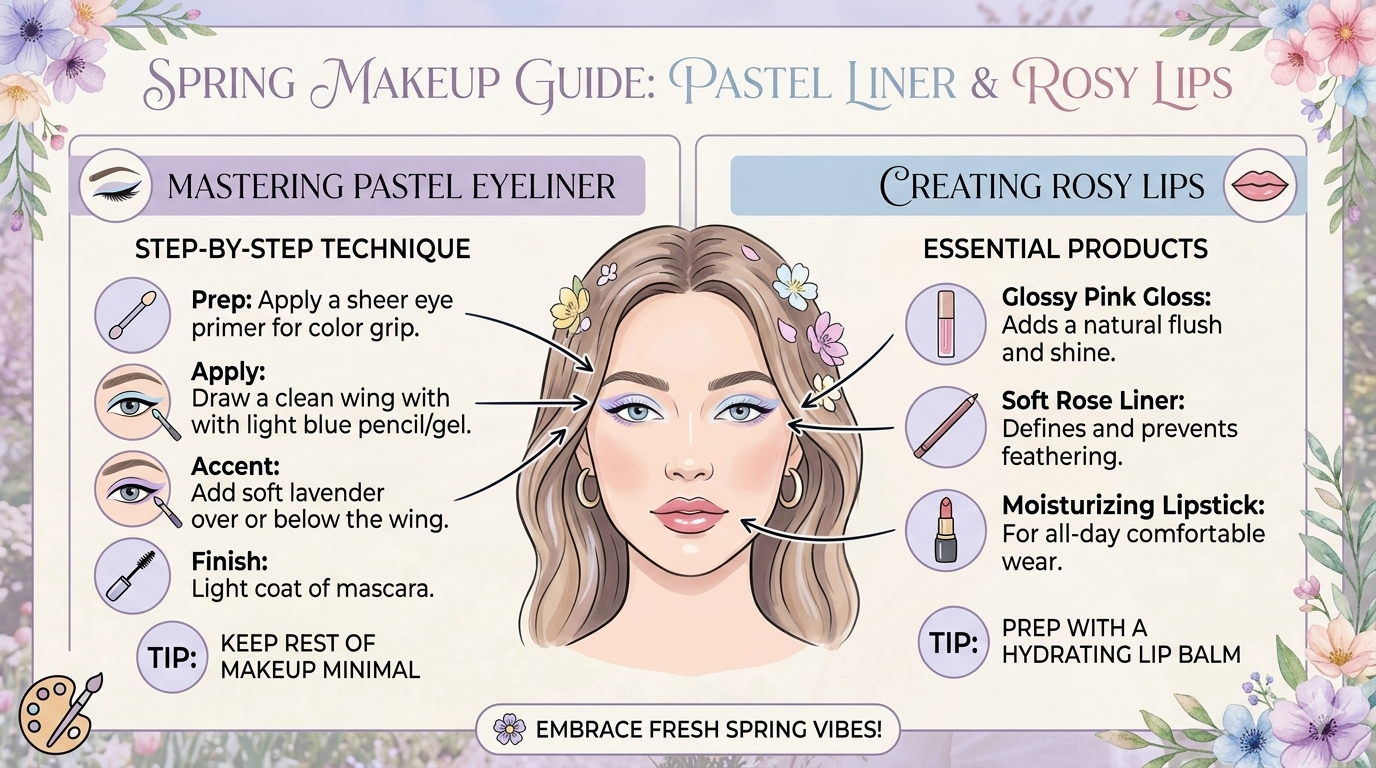
Visual chart presenting pastel eyeliner colors and rosy lip cosmetic product types.
Disclaimer
This article is for general informational and educational purposes only. It does not constitute professional cosmetic, dermatological, or consumer purchasing advice. References to products, routines, or brands do not imply endorsement or guarantee of results. Readers are encouraged to consult licensed professionals and verified resources for cosmetic decisions.
by Ramil Villar | Mar 15, 2026 | Beauty & Cosmetics
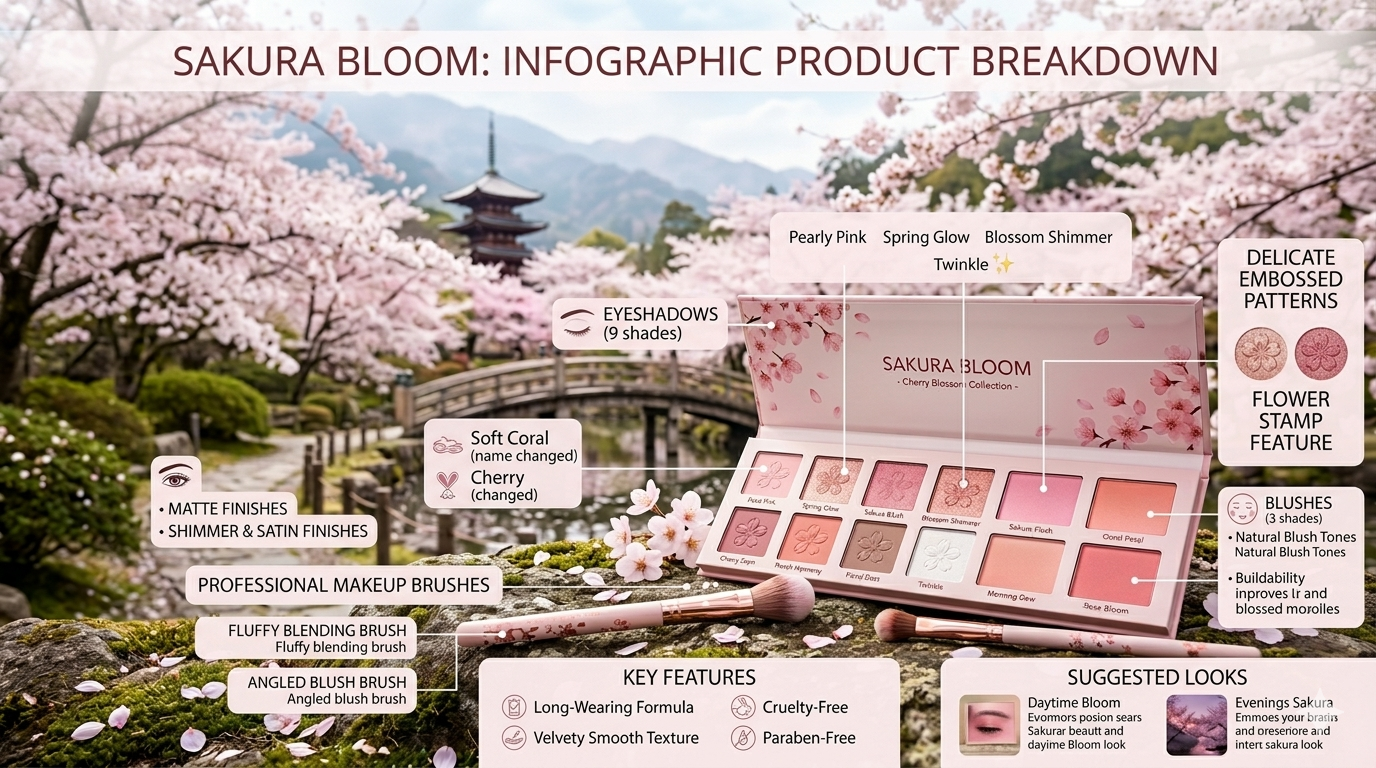
Infographic displaying pink cosmetic color tones linked to cherry blossom themes.
Cherry Blossom–Inspired Eyeshadow and Blush: An Educational Overview of Color Themes in Makeup
Neutral discussion of soft pink cosmetic color palettes commonly associated with cherry blossom imagery.
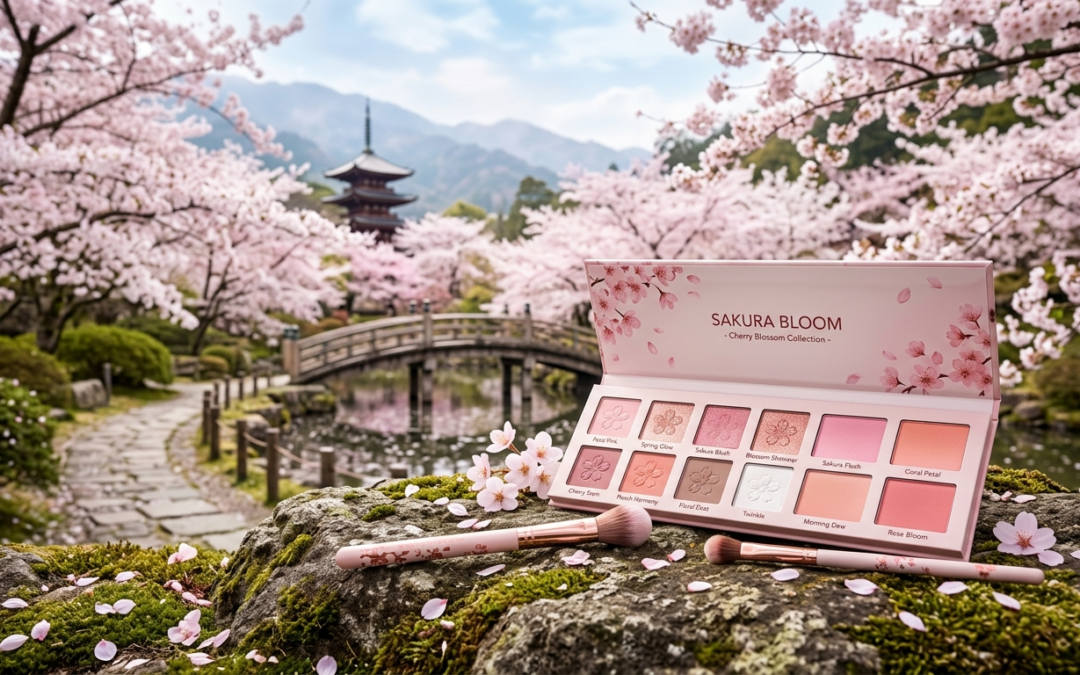
Color themes in makeup are sometimes inspired by elements found in nature, seasonal events, or cultural symbols. One example is the cherry blossom theme, which often features soft pink and light pastel tones. Cosmetic discussions about this theme generally focus on color selection and placement techniques rather than appearance outcomes.
In the Philippines, cosmetic products are regulated by the Food and Drug Administration Philippines under consumer safety frameworks such as the Consumer Act of the Philippines (Republic Act No. 7394). Educational guides about makeup typically describe product types, color categories, and hygiene considerations.
This article explains how cherry blossom–inspired color palettes are commonly referenced in eyeshadow and blush discussions in cosmetic education.
Color Characteristics Associated with Cherry Blossom Themes
Cherry blossoms are flowers produced by trees of the genus Prunus. Their petals are commonly described as pale pink, light rose, or soft pastel shades. These colors are sometimes referenced in makeup palettes designed around spring or floral themes.
Common color descriptions include:
- Pale pink
- Rose pink
- Soft coral-pink
- Light peach-pink
- Muted mauve-pink
These tones are typically used in cosmetic products such as eyeshadow powders, blush formulas, or multi-use palettes.
Eyeshadow in Cherry Blossom Color Palettes
Eyeshadow products are applied to the eyelid area to introduce color or finish. In color-theme discussions, cherry blossom–inspired palettes often include:
- Light pink shades applied across the eyelid area
- Slightly deeper pink or rose tones used near the crease for color variation
- Soft shimmer or satin finishes included in some formulations for reflective effects
Application methods vary depending on product type. Powder eyeshadow is commonly applied using brushes, while cream formulas may be applied with fingers or synthetic applicators.
Cosmetic education generally focuses on color placement and blending techniques rather than predicting cosmetic outcomes.
Blush in Cherry Blossom Color Themes
Blush products are used to add color to the cheek area. In palettes inspired by cherry blossom tones, blush shades may include:
- Soft pink
- Petal pink
- Light rose
- Peach-pink blends
Blush products are available in powder, cream, liquid, or gel formulations. Distribution of the product across the cheek area can be done using brushes, sponges, or fingertips depending on the formula.
The intensity of color varies according to product pigmentation and application amount.
Hygiene and Product Safety
Safe cosmetic use generally includes basic hygiene practices:
- Clean brushes and sponges regularly
- Avoid sharing personal cosmetic products
- Follow recommended usage periods listed by manufacturers
- Remove makeup using appropriate facial cleansing products
Consumers in the Philippines may consult safety notices from the Food and Drug Administration Philippines or public health guidance from the Department of Health Philippines regarding cosmetic product safety.
Context: Color Themes in Cosmetic Design
Cosmetic brands sometimes organize makeup collections around seasonal, botanical, or cultural motifs. Cherry blossom imagery is widely used in visual design and packaging due to its association with spring flowering trees.
In cosmetic education, these themes are generally discussed as color palette inspirations rather than as indicators of cosmetic effectiveness or performance.
FAQ
What does “cherry blossom–inspired makeup” usually refer to?
The phrase generally refers to cosmetic color palettes that include soft pink or pastel tones similar to cherry blossom petals. It describes a visual theme rather than a specific product formula.
What types of products may include cherry blossom colors?
Eyeshadow palettes, blush powders, lip products, and cosmetic collections may feature these color tones. Product types vary depending on manufacturer formulation.
Are cherry blossom makeup themes linked to specific ingredients?
Not necessarily. The theme usually refers to color inspiration or packaging design rather than the presence of botanical extracts.
Trusted Sources
- Food and Drug Administration Philippines — Cosmetic product safety information
- Department of Health Philippines — Public health guidance
- Cosmetic science and dermatology publications discussing pigment use and cosmetic formulations
- ASEAN Cosmetic Directive documentation
Disclaimer:
This article is for general informational and educational purposes only. It does not constitute professional cosmetic, dermatological, or consumer purchasing advice. References to products, routines, or brands do not imply endorsement or guarantee of results. Readers are encouraged to consult licensed professionals and verified resources for cosmetic decisions.
by Ramil Villar | Mar 15, 2026 | Beauty & Cosmetics
Metallic Gold Eyes and Soft Lip Shades: An Educational Overview of Cosmetic Color Pairing
An informational guide to understanding the use of metallic eye cosmetics and neutral lip colors in makeup application.
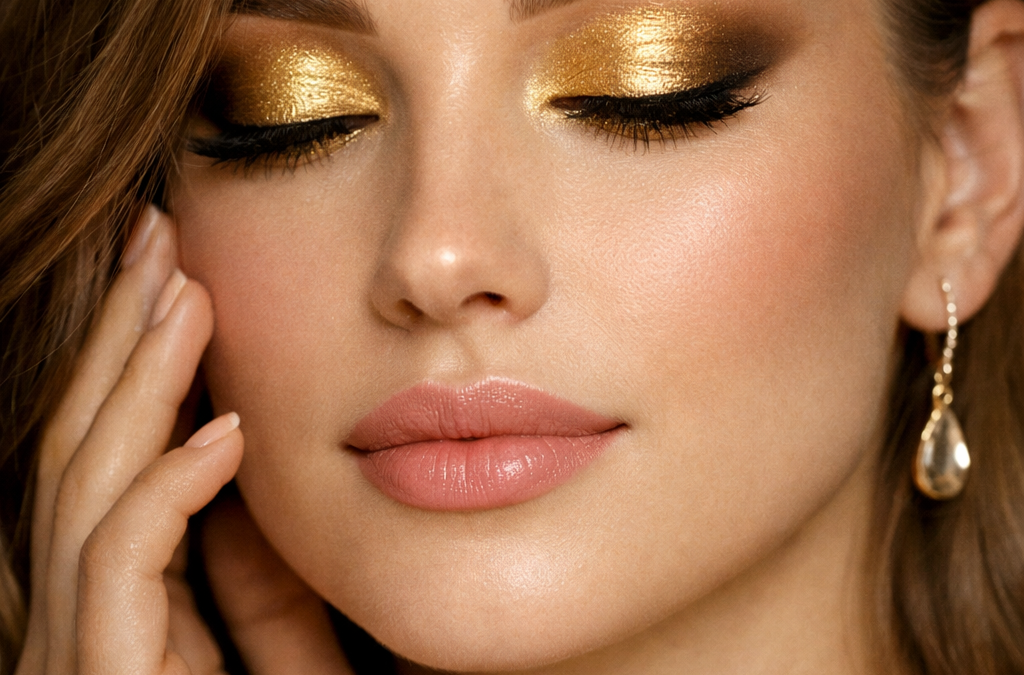
Metallic eye cosmetics and softer lip shades are commonly discussed in makeup artistry when examining color balance in cosmetic application. Metallic pigments can reflect light and add visual dimension to the eyelid area, while softer lip colors are often selected to maintain tonal balance in a cosmetic look. This article explains how metallic eye products and muted lip shades function in makeup routines, along with general application tools and hygiene considerations. Cosmetic products sold in the Philippines are subject to safety oversight by the Food and Drug Administration (FDA Philippines) and consumer protection standards under the Consumer Act of the Philippines.
Metallic Gold Eye Cosmetics
What Metallic Eyeshadow Means
Metallic eyeshadow refers to cosmetic products that contain reflective pigments or mica-based particles. These ingredients are designed to create a light-reflective finish when applied to the eyelids.
Gold-toned metallic shades may range from lighter champagne gold to deeper bronze-gold hues. In cosmetic color theory, gold pigments are often categorized within warm-toned palettes.
Common Forms of Metallic Eye Products
Metallic eye cosmetics may appear in several product formats:
- Pressed powder eyeshadow
- Cream eyeshadow
- Liquid metallic eyeshadow
- Loose pigment powders
Each formulation may be applied using different tools such as flat eyeshadow brushes, fingertip application, or sponge-tip applicators.
Application Concepts
Cosmetic tutorials often demonstrate metallic pigments being placed on the eyelid area to create reflective contrast with matte textures in surrounding areas. These techniques are used in various makeup styles ranging from minimal cosmetic routines to artistic makeup designs.
Soft Lip Shades in Cosmetic Color Pairing
Definition of Soft Lip Shades
Soft lip shades typically refer to lip colors with lower color intensity compared to deeper or brighter pigments. Examples include muted pink, peach, rose, beige, and light coral tones.
Lip cosmetics may appear in several formats:
- Lipstick
- Lip tint
- Lip gloss
- Tinted lip balm
These products may vary in finish, including matte, satin, cream, or glossy textures.
Color Balance in Makeup Application
In cosmetic artistry discussions, combining reflective eye pigments with more subtle lip tones is sometimes used to demonstrate visual balance in a makeup composition. The concept focuses on distributing color intensity across different facial areas rather than concentrating strong color in multiple areas simultaneously.
This approach is commonly referenced in educational makeup demonstrations and cosmetic training materials.
Tools Commonly Used for These Techniques
Eyeshadow Brushes
Flat brushes and blending brushes are often used to place and blend eyeshadow pigments on the eyelids.
Lip Applicators
Lip products may be applied directly from a tube, with a doe-foot applicator, or with a lip brush depending on the formulation.
Blending Tools
Soft blending brushes or cosmetic sponges are sometimes used to soften edges between cosmetic colors.
Hygiene and Safe Cosmetic Use
Basic hygiene practices are recommended when using cosmetics:
- Wash hands before application
- Clean brushes and sponges regularly
- Avoid sharing personal cosmetic products
- Store cosmetics according to label instructions
Consumers may consult safety advisories from the FDA Philippines regarding cosmetic ingredients, labeling requirements, and product notifications.
Context: Metallic Pigments in Cosmetic Formulation
Reflective pigments such as mica and synthetic pearl particles are commonly used in cosmetic science to produce metallic finishes. These ingredients are widely used in eyeshadows, highlighters, and other decorative cosmetics.
Cosmetic formulations are regulated in many jurisdictions to ensure ingredient safety, labeling transparency, and proper manufacturing standards.
Frequently Asked Questions
What is metallic eyeshadow?
Metallic eyeshadow is a cosmetic product containing reflective pigments designed to produce a light-reflective finish on the eyelids.
What are soft lip shades?
Soft lip shades refer to lip colors with lower color intensity, often appearing as muted or neutral tones such as soft pink, peach, or rose.
How are metallic eye products removed?
Metallic eye cosmetics are typically removed using makeup removers such as cleansing oils, micellar water, or facial cleansers designed for cosmetic removal.
Trusted Sources
- Food and Drug Administration Philippines — Cosmetic safety and regulatory guidance
- Department of Health (Philippines) public health advisories
- Cosmetic science publications on pigment formulation
- Dermatology and cosmetic safety journals
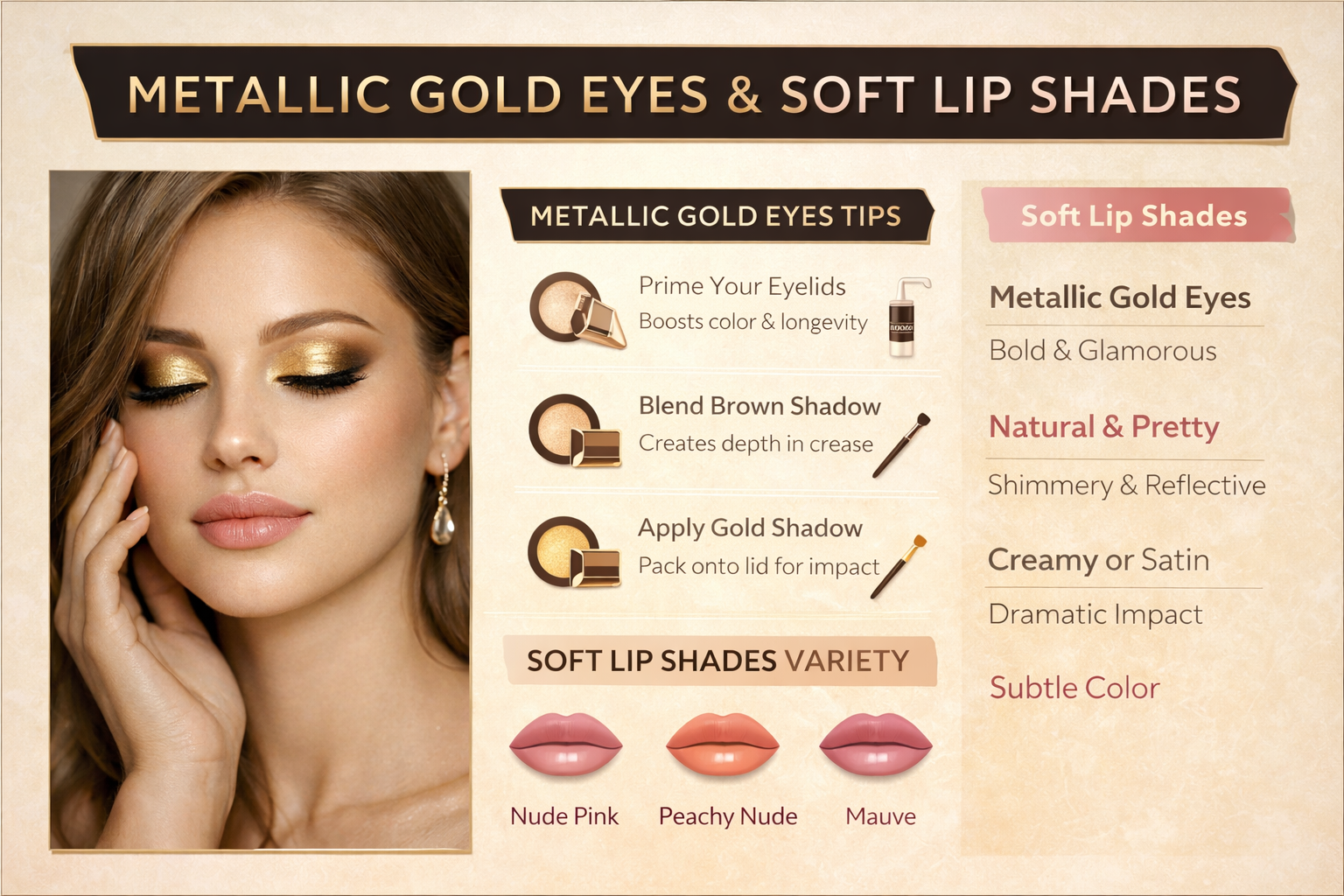
Visual layout presenting metallic eye pigment shades and muted lip color categories.
Disclaimer:
This article is for general informational and educational purposes only. It does not constitute professional cosmetic, dermatological, or consumer purchasing advice. References to products, routines, or brands do not imply endorsement or guarantee of results. Readers are encouraged to consult licensed professionals and verified resources for cosmetic decisions.
by Ramil Villar | Mar 15, 2026 | Beauty & Cosmetics
Understanding Pastel Eye Makeup and Neutral Lip Color Combinations
An educational overview of cosmetic color choices and basic application techniques.
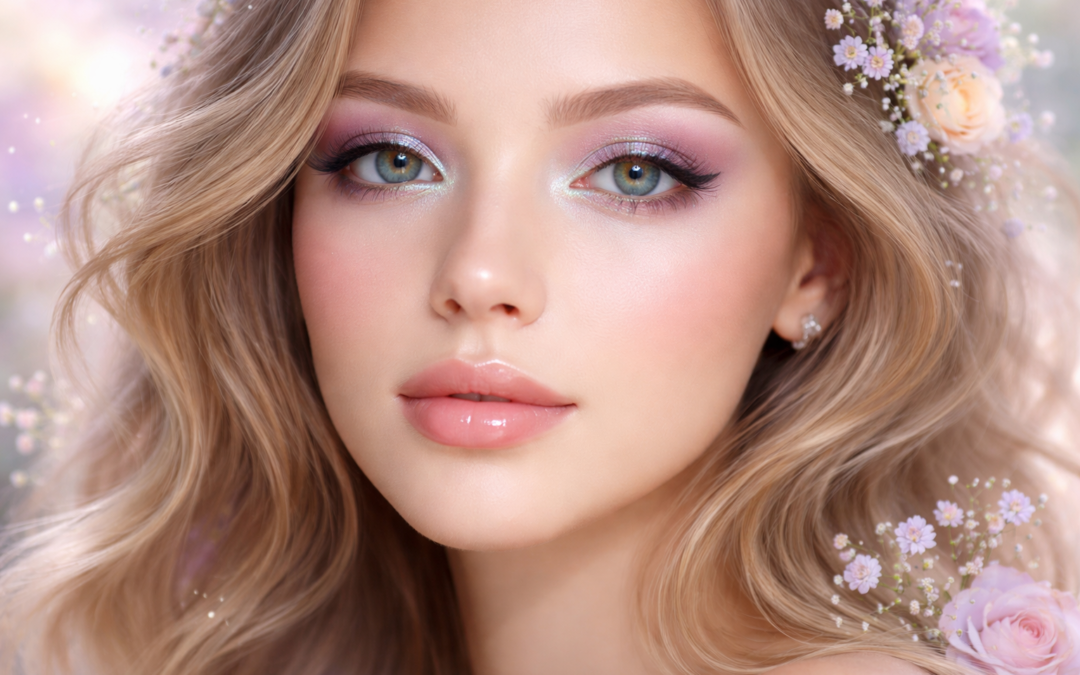
Pastel eye makeup paired with neutral lip color is a cosmetic style that uses soft eye shades together with understated lip tones. This article explains the basic characteristics of pastel eye colors and nude or neutral lip products. It also outlines general cosmetic application practices, hygiene considerations, and the role of product types in creating balanced makeup looks. Information is presented for educational purposes and aligns with consumer awareness principles relevant to cosmetic products regulated by authorities such as the Philippine Food and Drug Administration (FDA).
Pastel Eye Colors in Cosmetic Products
Pastel eye makeup typically uses eyeshadow shades that appear light, soft, or muted. Examples of pastel tones in cosmetic palettes may include light lavender, soft pink, pale blue, mint green, or light peach.
Eyeshadow products may be formulated as:
- Pressed powder: compact pigments designed for brush application
- Cream-based formulas: applied using fingers or synthetic brushes
- Liquid or mousse textures: designed to dry after application
Pastel pigments often contain lighter concentrations of colorants compared with deeper shades. Cosmetic formulations may include ingredients such as mica, iron oxides, or approved color additives depending on the product.
Application methods may vary depending on the product texture. Cosmetic brushes, sponge applicators, or fingertips are commonly used tools.
Neutral or Nude Lip Products
Neutral lip colors, sometimes referred to as nude tones, generally resemble natural lip shades or muted variations of pink, peach, or beige. Lip products are available in several cosmetic formats, including:
- Lipstick sticks
- Liquid lip color
- Lip tint or stain
- Lip balm with pigment
Formulations may contain waxes, oils, pigments, and moisturizing ingredients. Product labels typically list ingredients according to cosmetic regulatory requirements.
Neutral lip colors are often used in combination with various eye makeup styles because they provide a subtle color presence compared with more saturated lip shades.
Basic Cosmetic Application Sequence (Example)
Makeup routines can vary widely depending on personal preference and product choice. A general educational example of application order may include:
- Skin preparation: cleansing and moisturizing the face before applying cosmetic products
- Base products: foundation or skin-evening cosmetics when used
- Eye cosmetics: applying eyeshadow shades, including pastel tones if desired
- Lip products: applying neutral lip color after completing eye makeup
- Optional finishing products: such as setting powders or sprays
This sequence is only one example used for explanation. Individual cosmetic routines may differ.
Cosmetic Tools Commonly Used
Several tools may be used when applying pastel eyeshadow and lip products:
- Eyeshadow brushes: designed for placing and blending powder pigments
- Detail brushes: smaller brushes used for precise application near the eyelid
- Lip brushes: used to apply liquid or cream lip products with more control
- Cosmetic sponges: used primarily for base makeup products
Proper cleaning of reusable tools helps maintain hygiene and reduces product buildup.
Hygiene and Safety Considerations
Cosmetic safety practices are an important part of makeup use. General guidelines include:
- Washing hands before applying makeup
- Avoiding sharing personal cosmetic tools
- Cleaning brushes regularly using mild cleansers
- Discarding products that show changes in smell, texture, or color
- Checking product expiration or recommended usage periods
Cosmetic products sold in the Philippines may be subject to regulatory oversight from agencies such as the FDA to help ensure compliance with cosmetic safety standards.
Context Section
In cosmetic science and beauty industry practice, color combinations are often discussed in terms of contrast, harmony, and balance. Light eye colors paired with softer lip tones represent one example of a color coordination approach used in makeup artistry.
Makeup techniques and product choices have evolved over time through influences from fashion trends, cosmetic chemistry research, and professional makeup training programs. Consumer protection laws, including the Consumer Act of the Philippines (RA 7394), promote accurate labeling and fair advertising practices for cosmetic products available in the market.
FAQ
What are pastel eyeshadows?
Pastel eyeshadows are cosmetic pigments that appear light and soft in color. They often include shades such as pale pink, lavender, mint, or light blue.
What is meant by a neutral or nude lip color?
Neutral lip colors are lip shades designed to appear subtle or muted. These colors may resemble natural lip tones or soft variations of beige, peach, or pink.
How can makeup be safely removed?
Makeup is commonly removed using facial cleansers, micellar water, or oil-based removers. Gentle cleansing and rinsing help remove cosmetic residue from the skin.
Trusted Sources
- Philippine Food and Drug Administration (FDA) — Cosmetic regulatory guidance
- Department of Health (DOH) Philippines — Consumer health advisories
- International Journal of Cosmetic Science
- Personal Care Products Council — Cosmetic ingredient safety resources
- American Academy of Dermatology — Skin care and cosmetic safety information
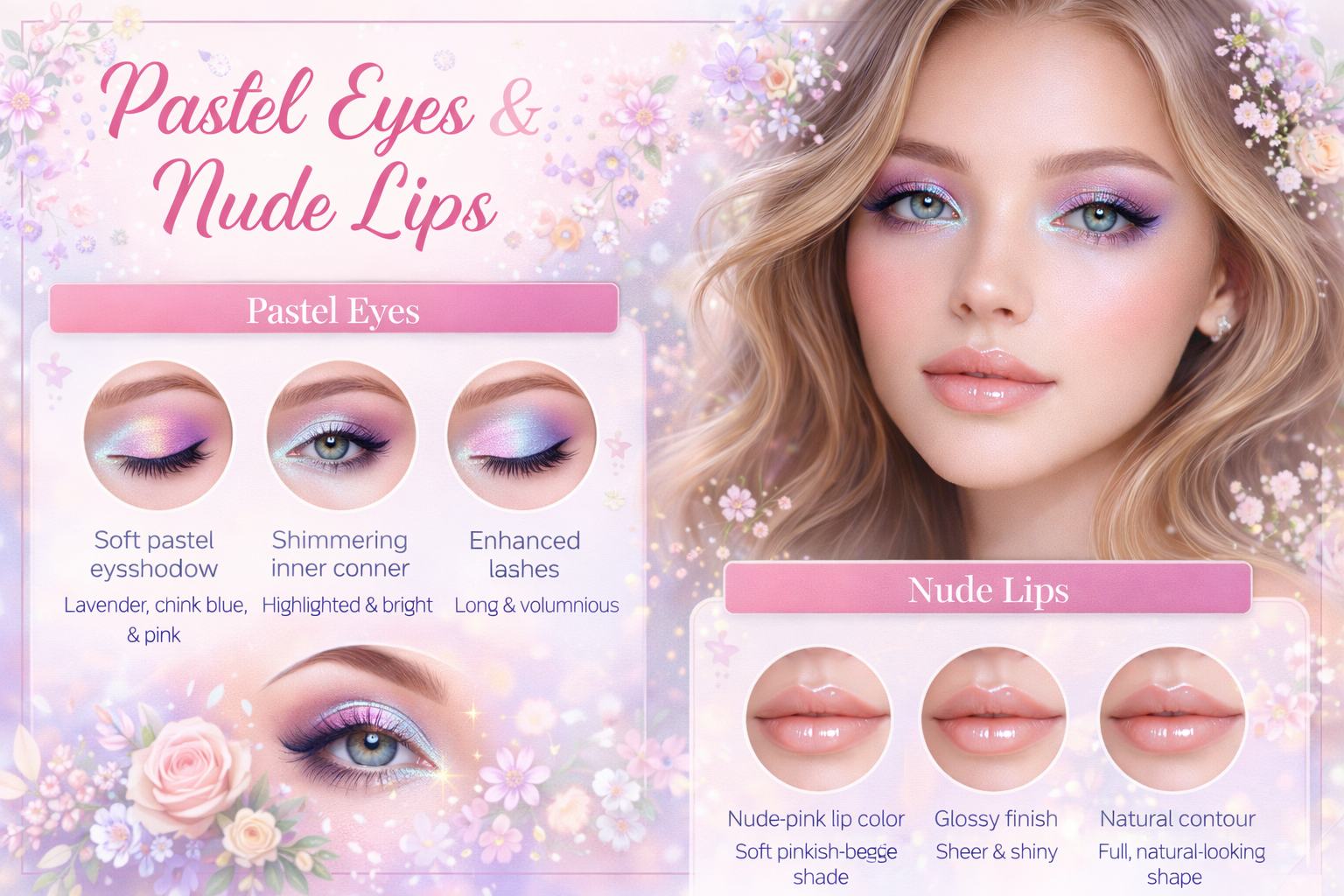
Infographic presenting pastel eye colors and nude lip shade categories.
Disclaimer:
This article is for general informational and educational purposes only. It does not constitute professional cosmetic, dermatological, or consumer purchasing advice. References to products, routines, or brands do not imply endorsement or guarantee of results. Readers are encouraged to consult licensed professionals and verified resources for cosmetic decisions.